
The Aromatic Allure: Discovering Sandalwood Nut Plants for Sale
The world of horticulture is constantly offering us new and exciting opportunities to bring a touch of nature’s wonder into our lives. Among these treasures, the Sandalwood nut plant (scientifically known as Santalum album or closely related species) stands out not just for its potential to produce precious sandalwood oil, but also for the unique and often understated beauty of its foliage and its intriguing nut. For those seeking an exotic addition to their gardens or a long-term investment with aromatic potential, discovering sandalwood nut plants for sale presents a compelling proposition.
This article aims to delve into the fascinating world of the sandalwood nut plant, exploring its characteristics, cultivation requirements, the significance of its nut, and ultimately, where and how you can acquire these remarkable specimens. We will also touch upon some simple culinary explorations that can be made with the nut, offering a glimpse into its multifaceted appeal.
Understanding the Sandalwood Nut Plant: More Than Just Oil

While the fame of the sandalwood tree is intrinsically linked to its highly valued essential oil, extracted from the heartwood, the sandalwood nut itself holds a unique place. The nut is the seed of the sandalwood tree and, while not the primary source of the prized oil, it possesses its own set of properties and potential uses.
Botanical Characteristics:
Sandalwood trees are semi-parasitic, meaning they require a living host plant to establish a root system and obtain essential nutrients. This is a crucial factor in their cultivation. They are typically slow-growing trees that can eventually reach considerable heights, with a characteristic evergreen foliage. The leaves are often opposite, ovate to lanceolate, and can vary in color from deep green to a more muted grey-green depending on the species and environmental conditions.
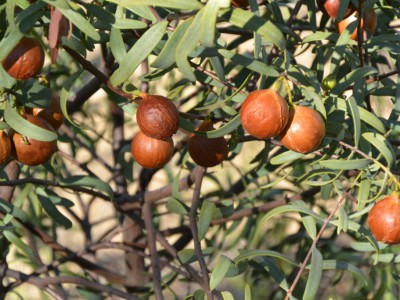
The flowers are inconspicuous, often small and fragrant, contributing to the overall aromatic profile of the tree. Following pollination, the tree produces fruits that contain the sandalwood nut. The appearance of the fruit can vary, but it typically encloses a hard-shelled nut.
The Sandalwood Nut:
The nut itself is generally small, hard, and possesses a distinct aroma, though less intense than that of the heartwood. It contains oils and other compounds that contribute to its unique scent. Historically and in some traditional practices, these nuts have been used in various ways, including for their aromatic properties, as a source of oil, and even in certain culinary applications, though this is less common than its use in perfumery and traditional medicine.
Cultivation Considerations: Patience and a Helping Hand
Growing a sandalwood nut plant is a rewarding endeavor, but it requires understanding and patience. Due to their semi-parasitic nature, successful cultivation hinges on providing them with suitable host plants.
Host Plants:
The sandalwood tree benefits from being planted near certain companion plants that act as its hosts. Common and effective host plants include species of casuarina, acacia, grevillea, and certain legumes. These hosts provide the necessary support for the young sandalwood seedling to establish its haustoria (specialized root structures that tap into the host’s vascular system). It is vital to select healthy and vigorous host plants to ensure the sandalwood’s optimal growth.
Soil and Climate:
Sandalwood trees generally prefer well-drained soils. Sandy loam or loamy soils are ideal, as they prevent waterlogging, which can be detrimental to the roots. They are typically found in tropical and subtropical regions and thrive in warm climates with distinct dry and wet seasons. They are sensitive to frost, so protection is necessary in colder climates. Adequate sunlight is also essential for their growth.
Watering and Fertilization:
While established sandalwood trees can tolerate some drought, young seedlings require consistent moisture. However, overwatering should be avoided. Fertilization is generally not a primary concern for the sandalwood itself, as it draws nutrients from its host. However, ensuring the health of the host plant through appropriate fertilization will indirectly benefit the sandalwood.
Pest and Disease Management:
Sandalwood trees are relatively hardy, but they can be susceptible to certain pests and diseases. Regular monitoring and prompt action are key. Good horticultural practices, including proper spacing and air circulation, can help prevent many issues.
The Value of the Sandalwood Nut: Beyond the Oil
While the global demand for sandalwood oil for its use in perfumes, incense, and traditional medicine drives much of the interest in sandalwood cultivation, the nut itself is not without its own significance.
Aromatic Properties:
The nut, when processed, can yield an oil with a milder, yet still distinct, sandalwood aroma. This can be a valuable component in artisanal perfumery or for creating fragrant sachets and potpourri.
Culinary Potential:
Though not as widely known or extensively documented as other nuts, the sandalwood nut does have a history of culinary use in certain regions. Its flavor is often described as nutty, woody, and subtly aromatic. It can be used in a variety of ways, from being roasted and eaten as a snack to being incorporated into traditional dishes. However, it is important to note that research into the safety and optimal preparation methods for widespread culinary consumption is ongoing, and it is always advisable to consult with experts or traditional knowledge holders before extensive use.
Investment and Sustainability:
For many, purchasing a sandalwood nut plant is not just about immediate gratification but also about a long-term investment. Sandalwood trees are slow-growing, and harvesting the heartwood for oil can take decades. This long growth cycle contributes to the scarcity and high value of authentic sandalwood oil. By cultivating sandalwood nut plants, individuals can participate in the sustainable production of this precious resource, contributing to its availability for future generations.
Where to Find Sandalwood Nut Plants for Sale
Acquiring healthy sandalwood nut plants requires careful consideration and seeking out reputable sources. Here are some avenues to explore:
- Specialty Nurseries: Look for nurseries that specialize in exotic, aromatic, or timber-producing plants. These nurseries are more likely to have knowledge of sandalwood cultivation and offer well-established seedlings.
- Online Horticultural Retailers: Numerous online platforms offer a wide variety of plants, including less common species. When purchasing online, always check reviews, the seller’s reputation, and inquire about their shipping practices to ensure the plant arrives in good condition.
- Botanical Gardens and Research Institutions: Sometimes, botanical gardens or research institutions involved in native plant propagation or conservation may have sandalwood plants available for sale or can direct you to reliable sources.
- Local Agricultural Extension Offices: Your local agricultural extension office can be a valuable resource for information on plant availability and recommended growers in your region.
- Sandalwood Cooperatives and Growers’ Associations: In regions where sandalwood cultivation is prevalent, you might find organized groups of growers who sell seedlings directly.
Tips for Purchasing:
- Inquire about the Species: Sandalwood has several species, and their growth habits and oil content can vary. Understand which species you are purchasing.
- Check for Health: Look for plants with healthy, green foliage, no signs of pests or diseases, and a well-established root system.
- Ask about Origin: Understanding the origin of the plant can provide insights into its genetic background and suitability for your climate.
- Seek Advice: Don’t hesitate to ask the seller for advice on planting, care, and suitable host plants for your specific location.
Simple Culinary Explorations with Sandalwood Nut
While detailed recipes are best sought from culinary experts or traditional sources, here are a few ideas to spark your imagination regarding the potential culinary uses of sandalwood nut:
1. Roasted Sandalwood Nuts (Snack)
- Preparation: Gently roast the cleaned sandalwood nuts in a dry pan over low heat until fragrant. Be careful not to burn them.
- Flavor Profile: They offer a subtle, nutty, and woody flavor.
- Usage: Enjoy as a unique, aromatic snack.
2. Sandalwood Nut Oil Infusion
- Preparation: If you have access to processed sandalwood nut oil, it can be used sparingly to infuse other ingredients.
- Usage: Add a drop or two to a neutral carrier oil (like almond or coconut oil) for a subtle aromatic massage oil. It can also be used to lightly scent baked goods or desserts, much like a fine vanilla extract. Always use in very small quantities and ensure it’s food-grade.
3. Sandalwood Nut Paste (Traditional Use Inspiration)
- Inspiration: In some traditional practices, ground sandalwood nuts are mixed with other ingredients to form pastes.
- Potential Application (Hypothetical): Imagine grinding the roasted nuts into a fine powder and mixing with a small amount of honey or a neutral binding agent. This could potentially be used as a flavor enhancer in certain sweet dishes or incorporated into traditional confectioneries. This is purely an idea and requires significant research and culinary experimentation.
Important Note on Culinary Use: The culinary use of sandalwood nuts is not as mainstream as other nuts. If you are considering incorporating them into your diet, it is paramount to:
- Source Safely: Ensure you are using nuts that are intended for consumption and have been processed appropriately.
- Research Thoroughly: Consult with experts in traditional medicine or ethnobotany regarding safe consumption practices.
- Start Small: Begin with very small quantities to assess your individual reaction and taste preference.
Conclusion: Aromatic Potential for the Patient Gardener
The sandalwood nut plant is more than just a future source of precious oil; it’s a living testament to nature’s intricate beauty and aromatic gifts. For the discerning gardener, the enthusiast of rare plants, or the individual seeking a unique and potentially rewarding long-term endeavor, discovering sandalwood nut plants for sale opens a door to a world of subtle fragrances and a connection to a centuries-old tradition.
While the journey from seedling to mature tree is a long one, the rewards – both tangible and intangible – are significant. With careful planning, appropriate care, and a touch of patience, you can cultivate your own piece of this aromatic wonder, bringing the enduring allure of sandalwood into your life and landscape. As you embark on this horticultural adventure, remember the interconnectedness of nature and the profound satisfaction that comes from nurturing a plant with such a rich history and multifaceted potential.


