Cultivate the Taste of Tradition: Discover Our Native Plum Plants for Sale
The humble plum, a fruit enjoyed for millennia, holds a special place in the culinary landscape and ecological tapestry of many regions. While exotic varieties often steal the spotlight, there’s a growing appreciation for the resilience, adaptability, and unique flavors of native plum species. These unsung heroes of the fruit world offer not just delicious fruit but also vital support to local ecosystems. If you’re looking to add a touch of authentic flavor, encourage biodiversity, and embrace sustainable gardening, our selection of native plum plants for sale presents an exceptional opportunity.
Why Choose Native Plum Plants?
The advantages of cultivating native plum plants extend far beyond simply growing fruit. They are a cornerstone of healthy, thriving environments and offer a rewarding gardening experience for both novice and experienced horticulturalists.
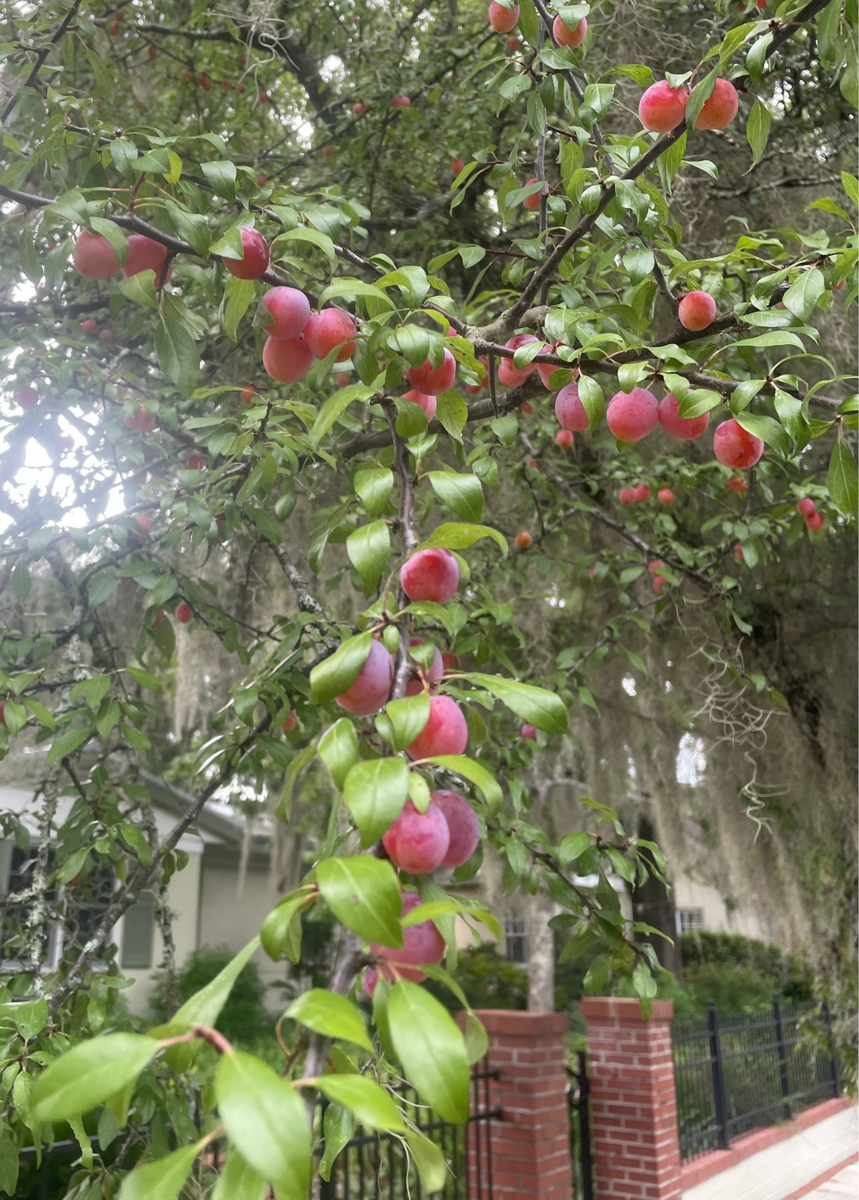
-
Ecological Guardians: Native plum varieties are intrinsically linked to their local ecosystems. They provide essential food sources – nectar, pollen, fruits, and seeds – for a wide array of native pollinators, birds, and small mammals. Their presence supports insect populations, which in turn benefit predatory birds and other wildlife. By planting native plums, you’re actively contributing to biodiversity and strengthening the local food web.
-
Exceptional Adaptability and Resilience: Bred by nature to thrive in specific regional conditions, native plums are remarkably well-suited to the local climate, soil types, and pest pressures. This means they often require less intervention, such as pesticides and fertilizers, compared to non-native species. Their inherent hardiness translates to healthier plants and a more sustainable gardening practice.
-
Unique and Authentic Flavors: Native plums often boast distinct flavor profiles that are a true reflection of their origin. These fruits can range from intensely tart and complex to delicately sweet, offering a culinary adventure for those seeking something beyond the mainstream. They are perfect for traditional jams, jellies, pies, and even savory dishes, connecting you to the culinary heritage of your region.
-
Low Maintenance and High Reward: Due to their natural adaptation, native plum plants are generally low-maintenance. Once established, they can be incredibly rewarding, producing bountiful harvests with minimal fuss. This makes them an ideal choice for gardeners who desire beautiful, productive plants without the constant need for intensive care.
-
Historical and Cultural Significance: Many native plum species have a rich history, having been cultivated and utilized by indigenous peoples and early settlers for centuries. Planting these trees connects you to this heritage, preserving traditional knowledge and celebrating the agricultural legacy of your area.

Exploring Our Native Plum Plant Selection
We are proud to offer a diverse range of native plum plants, carefully selected for their quality, health, and suitability for various growing conditions. Our collection focuses on species that are not only fruitful but also contribute significantly to local biodiversity. While specific varieties may vary based on regional availability and seasonal stock, here are some examples of the types of native plums you might find:
-
Prunus americana (American Plum): Also known as the wild plum or river plum, this adaptable species is found across much of North America. It produces small, tart fruits that are excellent for jellies, preserves, and sauces. American plums are known for their thorny branches and spreading habit, making them a good choice for hedgerows and naturalizing areas. They are highly attractive to pollinators and provide valuable cover for wildlife.
-
Prunus angustifolia (Chickasaw Plum): Native to the southeastern United States, the Chickasaw plum is a smaller, thorny shrub or tree that produces abundant crops of small, sweet-tart red to yellow fruits. These fruits are a favorite among birds and are delicious when eaten fresh, dried, or made into jams and wines. Chickasaw plums are remarkably drought-tolerant once established.
-
Prunus besseyi (Bessy’s Plum / Western Sand Cherry): While technically a cherry, this hardy native is often grouped with plums due to its fruit and growing habits. Native to the western plains of North America, it’s incredibly cold-hardy and drought-tolerant. It produces small, dark purple fruits that have a unique, slightly tart flavor. It’s excellent for pies, jams, and as a natural windbreak.
-
Prunus hortulana (Hortulan Plum): This species, also known as the wild goose plum, is native to the central United States. It’s a medium-sized tree that produces larger, sweeter fruits compared to some other native plums, making them more appealing for fresh eating. Hortulan plums are known for their disease resistance and adaptability to various soil conditions.
-
Hybrid Native Plums: We also offer hybrid varieties that combine the best traits of different native species or cross native species with select cultivated plums. These hybrids often boast improved fruit size, flavor, and disease resistance while retaining the valuable ecological benefits of their native parentage.
Choosing the Right Native Plum for Your Garden
When selecting a native plum plant, consider the following factors:
-
Your Climate Zone: Ensure the plum variety you choose is suited to your USDA hardiness zone or equivalent. Native species are naturally adapted to their region, so selecting one native to your area is often the safest bet.
-
Soil Conditions: Most native plums tolerate a range of soil types, but some may prefer well-drained soils. Check the specific requirements of the variety.
-
Sunlight: Plums generally require full sun (at least 6-8 hours per day) for optimal fruit production.
-
Pollination: While some native plums are self-fertile, others benefit from cross-pollination with a different compatible plum variety. Check the pollination requirements of your chosen plant. Planting more than one native plum variety can increase fruit yield and support more wildlife.
-
Space: Consider the mature size of the tree or shrub. Some native plums are large trees, while others remain smaller shrubs.
Planting and Caring for Your Native Plum
Planting your native plum is a straightforward process. Choose a sunny location with well-drained soil. Dig a hole twice the width of the root ball and just as deep. Gently loosen the roots before placing the plant in the hole, ensuring the top of the root ball is level with the surrounding soil. Backfill the hole with soil, water thoroughly, and mulch to retain moisture and suppress weeds.
Water your new plum regularly during the first year to help it establish. Once established, native plums are generally drought-tolerant, but supplemental watering during prolonged dry spells can be beneficial, especially during fruit development. Pruning is typically minimal, mainly focused on removing dead or damaged branches and shaping the tree for good air circulation and light penetration.
The Harvest: A Taste of True Wilderness
The reward for your efforts will be a bountiful harvest of delicious, uniquely flavored plums. The exact ripening time will vary depending on the species and your location, but typically occurs from mid-summer to early fall. Enjoy them fresh off the tree, or use them in a variety of culinary creations.
Embrace Sustainability, Cultivate Flavor
By choosing to plant native plum varieties, you are making a conscious decision to support local ecosystems, embrace sustainable gardening practices, and reconnect with the authentic flavors of your region. Our selection of native plum plants for sale offers a gateway to this rewarding experience. Invest in a plant that gives back, nurtures wildlife, and provides a taste of true tradition.
Native Plum Recipe Inspiration
Native plums, with their often complex and tart flavors, are incredibly versatile in the kitchen. They excel in applications where their unique taste can shine. Here are some recipe ideas to inspire your culinary adventures with your native plum harvest:
1. Classic Native Plum Jam/Preserves
This is perhaps the most traditional and rewarding way to enjoy native plums. Their natural pectin content often means less added pectin is needed.
-
Ingredients:
- 2 lbs native plums (mixed varieties can offer complex flavor)
- 1.5 – 2 cups granulated sugar (adjust to taste and plum tartness)
- 1-2 tablespoons lemon juice (optional, for brightness)
-
Instructions:
- Wash plums, remove pits (you can leave skins on for extra pectin and color). Chop roughly.
- Combine plums and sugar in a large, heavy-bottomed pot. Let sit for 30-60 minutes to draw out juices.
- Add lemon juice (if using).
- Cook over medium heat, stirring frequently, until the mixture reaches a rolling boil.
- Continue to boil, stirring often, until the jam thickens and reaches the setting point (a spoonful dropped on a cold plate should wrinkle). This can take 30-60 minutes.
- Skim off any foam.
- Ladle hot jam into sterilized jars, leaving about ¼ inch headspace.
- Wipe rims clean, seal with lids, and process in a water bath canner for 10 minutes (adjust for altitude). Or, cool completely and store in the refrigerator.
2. Native Plum Tart/Galette
The tartness of native plums balances beautifully with a buttery crust.
-
Ingredients:
- Pie crust dough (store-bought or homemade)
- 2-3 cups sliced native plums
- 1/4 cup granulated sugar (adjust to taste)
- 1 tablespoon cornstarch or flour (for thickening)
- 1/2 teaspoon cinnamon or cardamom (optional)
- 1 tablespoon butter, cut into small pieces
- 1 egg, beaten (for egg wash)
- Sugar for sprinkling
-
Instructions:
- Preheat oven to 400°F (200°C).
- In a bowl, toss sliced plums with sugar, cornstarch/flour, and spices until evenly coated.
- Roll out pie dough on a lightly floured surface into a circle about 12 inches in diameter.
- Transfer dough to a baking sheet lined with parchment paper.
- Arrange the plum mixture in the center of the dough, leaving a 2-inch border. Dot with butter.
- Fold the edges of the dough up and over the plums, pleating as you go.
- Brush the folded dough with the beaten egg and sprinkle with sugar.
- Bake for 35-45 minutes, or until the crust is golden brown and the filling is bubbly.
- Let cool slightly before serving, perhaps with vanilla ice cream.
3. Native Plum Crumble/Cobbler
A rustic and comforting dessert that highlights the natural sweetness and tang of the plums.
-
Ingredients:
- 4 cups native plums, pitted and halved or quartered
- 1/4 – 1/2 cup sugar (depending on plum sweetness)
- 1 tablespoon lemon juice
- 1 tablespoon flour or cornstarch
- For the Crumble Topping:
- 1 cup all-purpose flour
- 1/2 cup rolled oats
- 1/2 cup brown sugar, packed
- 1/2 teaspoon cinnamon
- 1/2 cup cold unsalted butter, cut into cubes
-
Instructions:
- Preheat oven to 375°F (190°C).
- In a large bowl, combine plums, sugar, lemon juice, and flour/cornstarch. Toss to coat. Pour into a greased 8×8 inch baking dish or similar.
- For the Crumble: In a separate bowl, whisk together flour, oats, brown sugar, and cinnamon. Cut in the cold butter using a pastry blender or your fingertips until the mixture resembles coarse crumbs.
- Sprinkle the crumble topping evenly over the plum mixture.
- Bake for 30-40 minutes, or until the topping is golden brown and the fruit is bubbly.
- Let cool for at least 15 minutes before serving warm, ideally with whipped cream or ice cream.
4. Native Plum Sauce for Pork or Poultry
The tartness of native plums can cut through the richness of meats, creating a delightful savory-sweet sauce.
-
Ingredients:
- 2 cups native plums, pitted and roughly chopped
- 1/4 cup water or chicken/vegetable broth
- 2 tablespoons finely chopped onion or shallot
- 1 tablespoon honey or maple syrup
- 1 teaspoon fresh ginger, grated
- Salt and freshly ground black pepper to taste
- Pinch of red pepper flakes (optional)
-
Instructions:
- In a saucepan, combine plums, water/broth, onion/shallot, honey/maple syrup, and ginger.
- Bring to a simmer over medium heat. Cover and cook for 15-20 minutes, or until plums are very soft.
- Mash the plums with a fork or potato masher for a chunkier sauce, or blend with an immersion blender for a smoother consistency.
- Season with salt, pepper, and red pepper flakes (if using).
- Simmer for another 5-10 minutes to thicken slightly.
- Serve warm alongside roasted pork, chicken, or duck.
5. Native Plum Infused Vinegar
A unique way to capture the flavor for salad dressings and marinades.
-
Ingredients:
- 1 cup fresh or dried native plums, pitted
- 2 cups white wine vinegar, apple cider vinegar, or champagne vinegar
- Optional: A sprig of thyme or rosemary
-
Instructions:
- Wash and pit fresh plums. If using dried, ensure they are unsulfured.
- Place plums and optional herbs into a clean glass jar.
- Pour the vinegar over the plums, ensuring they are fully submerged.
- Seal the jar tightly and store in a cool, dark place for 2-4 weeks.
- Shake the jar gently every few days.
- Strain the vinegar through a fine-mesh sieve or cheesecloth into a clean bottle. Discard the solids.
- Use as a flavorful base for salad dressings or marinades.
Enjoy the process of growing and cooking with your native plum plants – it’s a journey that nourishes both the body and the environment.


