
Absolutely! Here’s an article about native cherry plants for sale, focusing on attracting a broad audience and incorporating a recipe section.
Bring the Beauty and Bounty of Native Cherries to Your Garden
The sight of delicate pink and white blossoms adorning trees in spring is a universally cherished symbol of renewal and beauty. While many associate this spectacle with ornamental varieties, the humble native cherry offers a captivating blend of aesthetic appeal, ecological benefit, and delicious fruit, all while thriving in its natural habitat. For gardeners seeking to cultivate a more sustainable and biodiverse landscape, planting native cherry species is an investment that yields rewards for both the gardener and the local ecosystem.
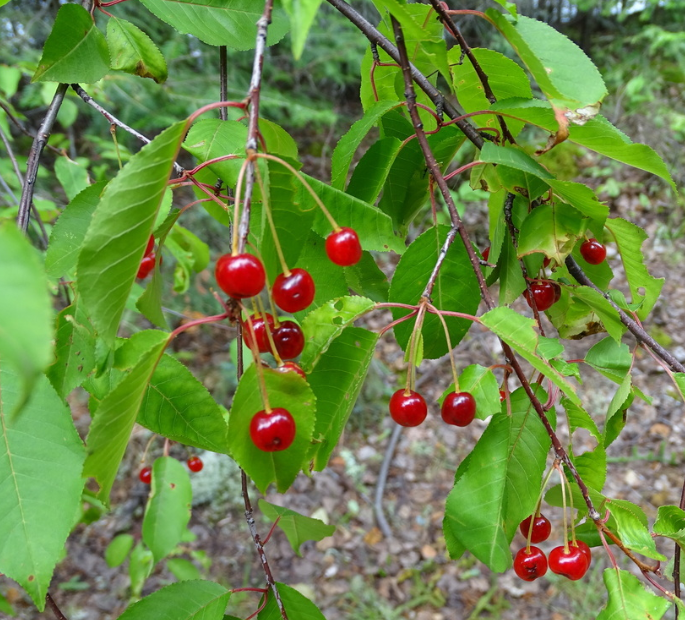
Why Choose Native Cherry Plants?
In an era where environmental consciousness is paramount, opting for native plants is a cornerstone of responsible gardening. Native cherry plants, such as the various species of Prunus indigenous to North America and other regions, are perfectly adapted to the local climate, soil conditions, and pest pressures. This inherent resilience translates into several key advantages:
- Ecological Harmony: Native cherries are vital components of their local ecosystems. Their flowers provide crucial nectar and pollen for early-season pollinators like bees and butterflies. The developing fruit, or "drupes," are a food source for a wide array of birds, from songbirds to larger species, and even small mammals. Furthermore, their leaves and branches offer shelter and habitat for countless insects, which in turn support insectivorous birds and other wildlife. By planting native, you’re actively contributing to the health and resilience of your local biodiversity.
- Low Maintenance and Resilience: Because they have evolved alongside local conditions, native cherries generally require less human intervention. They are often more resistant to common diseases and pests that plague non-native species, reducing the need for chemical treatments. This means less work for you and a healthier environment for all.
- Water Conservation: Adapted to local rainfall patterns, native cherries typically have lower water needs once established compared to many ornamental or non-native fruit trees. This is a significant benefit in areas facing water restrictions or simply for those aiming for a more water-wise garden.
- Authentic Beauty: Native cherries boast a unique charm that reflects the natural landscape. Their spring blossoms can range from pure white to soft pink, often with a delightful fragrance. In autumn, many species offer stunning foliage color, transitioning through vibrant reds, oranges, and yellows.
- Delicious, Untamed Fruit: While often smaller and more tart than cultivated sweet cherries, native cherries offer a distinct and often complex flavor profile. They are perfect for jams, jellies, pies, sauces, and even for drying. Their unique taste can be a delightful discovery for the adventurous palate.

Exploring Popular Native Cherry Species for Sale
The term "native cherry" encompasses a variety of species, each with its own characteristics and suitability for different garden settings. When looking for native cherry plants for sale, you might encounter species like:
- Prunus serotina (Black Cherry): This is one of the most widespread native cherries in North America. It’s a large, fast-growing tree that produces small, dark purple to black cherries in late summer. The fruit is edible but quite tart, making it excellent for processing into jams, jellies, and wines. Black cherry is a valuable food source for wildlife and its bark has traditional medicinal uses. It can adapt to various soil types but prefers moist, well-drained conditions.
- Prunus virginiana (Chokecherry): Found across much of North America, chokecherry is a shrub or small tree known for its stunning display of white flowers in spring followed by clusters of bright red to dark purple fruit. As the name suggests, the fruit is astringent and quite tart when raw, hence the "choke" – it puckers the mouth. However, it’s exceptionally good when cooked into jellies, syrups, and sauces. Chokecherry is incredibly hardy and adaptable, thriving in a range of conditions, and is a favorite for wildlife.
- Prunus pensylvanica (Pin Cherry / Fire Cherry): This is a small, slender tree or large shrub that often colonizes disturbed areas, hence its common name "fire cherry" (often seen after forest fires). It produces small, bright red cherries in clusters in early to mid-summer. The fruit is edible and can be used for jams and pies, though it’s also quite tart. Pin cherry is an important early food source for birds. It prefers sandy, well-drained soils and full sun.
- Prunus americana (American Plum / Wild Plum): While technically a plum, Prunus americana is often grouped with native cherries due to its similar growth habit and fruit. It’s a thorny shrub or small tree that produces small, round fruit, typically red to yellowish-red when ripe, in late summer. The fruit is edible and can be eaten fresh, though it’s often quite tart and best used for jams, jellies, and preserves. It’s highly adaptable and often found in hedgerows and open woodlands.
Where to Find Native Cherry Plants for Sale
The best places to source native cherry plants for sale are specialized nurseries and organizations dedicated to native plants and conservation. Look for:
- Local Native Plant Nurseries: These nurseries are your best bet for finding species that are truly indigenous to your specific region. Their staff will also have invaluable knowledge about the best planting and care practices for your local environment.
- Arboretums and Botanical Gardens: Many of these institutions have plant sales or recommend reputable sources for native plants.
- Conservation Organizations: Local chapters of conservation groups or wildlife organizations often have plant sales to support their work, featuring native species.
- Online Retailers Specializing in Native Plants: While you can find many options online, it’s crucial to ensure the retailer is reputable and clearly specifies the native origin of their plants. Always check reviews and their sourcing practices.
Planting and Care for Your Native Cherry
Once you’ve acquired your native cherry plant, proper planting and care will ensure its healthy growth and future bounty.
- Site Selection: Most native cherries prefer full sun for the best fruit production and flowering. They also generally appreciate well-drained soil. While some species are adaptable, avoid areas with constantly waterlogged conditions.
- Planting: Dig a hole that is twice as wide as the root ball and as deep as the root ball. Gently loosen any circling roots before placing the plant in the hole. Ensure the top of the root ball is level with the surrounding soil. Backfill with the original soil, watering thoroughly to settle the soil and remove air pockets.
- Watering: Water regularly during the first year to help the plant establish its root system. Once established, most native cherries are quite drought-tolerant, but they will benefit from supplemental watering during prolonged dry spells, especially when fruiting.
- Pruning: Pruning is typically minimal for native cherries. You may want to prune to remove dead, damaged, or crossing branches, or to shape the tree if desired. The best time for pruning is usually in late winter or early spring before new growth begins.
- Pest and Disease Management: As native plants, they are generally resistant. However, keep an eye out for common issues like aphids or cherry fruit flies. Often, a healthy ecosystem with beneficial insects will help keep these in check. If intervention is necessary, opt for organic or least-toxic solutions.
A Taste of the Wild: Native Cherry Recipes
The tartness of native cherries is their charm! Don’t be discouraged by their intensity; this is what makes them perfect for culinary creations where sugar can balance the acidity, creating complex and delightful flavors.
Here are a few simple recipes to get you started:
Recipe 1: Wild Cherry Jam
This is a classic way to preserve the unique flavor of your native cherries. The tartness creates a vibrant, complex jam.
Yields: Approximately 4-5 cups
Prep time: 20 minutes
Cook time: 20-30 minutes
Ingredients:
- 4 cups fresh native cherries (pitted)
- 2 cups granulated sugar (adjust to taste, start with less and add more if needed)
- 1/4 cup lemon juice
- 1 tablespoon pectin (optional, for a firmer set)
Equipment:
- Large, heavy-bottomed pot
- Potato masher or fork
- Sterilized canning jars and lids
Instructions:
- Prepare the Cherries: Wash your cherries thoroughly. Pit them using a cherry pitter or by hand. If using smaller species like chokecherries or pin cherries, you can often just crush them and strain out larger seeds later if desired, but pitting is generally recommended for best texture.
- Cook the Cherries: Place the pitted cherries in the large pot. Add the lemon juice. If using pectin, add it now and stir well to combine.
- Mash and Heat: Lightly mash the cherries with a potato masher or fork to release their juices. Heat the mixture over medium heat, stirring occasionally, until the cherries begin to break down and release more juice.
- Add Sugar: Once the cherries are softened, add the sugar. Stir continuously until the sugar is completely dissolved.
- Boil and Set: Bring the mixture to a rolling boil (a boil that cannot be stirred down). Continue to boil, stirring frequently, for 20-30 minutes, or until the jam reaches your desired consistency. To test for set, place a small spoonful of jam on a chilled plate. If it wrinkles when pushed, it’s ready. If using pectin, follow package instructions for the correct boiling time.
- Jar the Jam: Carefully ladle the hot jam into sterilized canning jars, leaving about 1/4 inch of headspace. Wipe the rims clean, place the lids on, and screw on the bands until fingertip tight.
- Process Jars: Process the jars in a boiling water bath for 10 minutes (adjust for altitude). Carefully remove jars and let them cool completely on a wire rack. Check seals after 12-24 hours.
Recipe 2: Chokecherry Syrup
This versatile syrup is perfect for pancakes, waffles, ice cream, or even as a base for cocktails and mocktails.
Yields: Approximately 2 cups
Prep time: 15 minutes
Cook time: 30-40 minutes
Ingredients:
- 4 cups fresh chokecherries (stems removed)
- 2 cups water
- 1.5 cups granulated sugar (adjust to taste)
Equipment:
- Medium saucepan
- Fine-mesh sieve or cheesecloth-lined colander
- Sterilized bottles or jars
Instructions:
- Cook the Cherries: Place the chokecherries and water in the saucepan. Bring to a boil, then reduce heat and simmer for 20-30 minutes, or until the cherries are very soft and have released their juices.
- Strain the Juice: Strain the cooked cherries through a fine-mesh sieve or a colander lined with cheesecloth into a clean bowl. Gently press the cherries to extract as much liquid as possible, but avoid forcing the pulp through. Discard the solids.
- Simmer and Sweeten: Pour the strained juice back into the clean saucepan. Add the sugar and stir to dissolve. Bring the mixture to a simmer over medium heat.
- Reduce the Syrup: Continue to simmer the syrup, stirring occasionally, for another 10-15 minutes, or until it has thickened slightly to your desired consistency. It will continue to thicken as it cools.
- Bottle the Syrup: Carefully pour the hot syrup into sterilized bottles or jars. Seal tightly.
- Storage: Store in the refrigerator for up to 2-3 weeks, or freeze for longer storage.
Recipe 3: Simple Wild Cherry Sauce
A quick and easy sauce for desserts or savory dishes.
Yields: Approximately 1.5 cups
Prep time: 5 minutes
Cook time: 10-15 minutes
Ingredients:
- 2 cups fresh native cherries (pitted)
- 1/4 cup water or red wine
- 2-4 tablespoons sugar (to taste)
- 1 teaspoon cornstarch mixed with 1 tablespoon cold water (slurry)
- Pinch of cinnamon or a splash of vanilla extract (optional)
Equipment:
- Small saucepan
Instructions:
- Combine Ingredients: Place the pitted cherries, water (or wine), and sugar in the saucepan.
- Simmer: Bring the mixture to a gentle simmer over medium heat, stirring occasionally. Cook for 5-10 minutes, or until the cherries have softened and released some juice.
- Thicken: Stir in the cornstarch slurry. Continue to cook, stirring constantly, until the sauce thickens to your desired consistency.
- Add Flavor (Optional): Stir in cinnamon or vanilla extract if using.
- Serve: Serve warm over ice cream, pancakes, yogurt, or grilled meats.
Conclusion: A Rewarding Addition to Your Landscape
Choosing to plant native cherry species is more than just an aesthetic decision; it’s a commitment to supporting your local environment, attracting beneficial wildlife, and enjoying the unique flavors of nature. As you watch your native cherry tree or shrub flourish, you’ll witness a vibrant ecosystem come to life in your own backyard, a testament to the beauty and resilience of the wild. Seek out native cherry plants for sale from reputable sources, and embark on a gardening journey that is both beautiful and bountiful.


