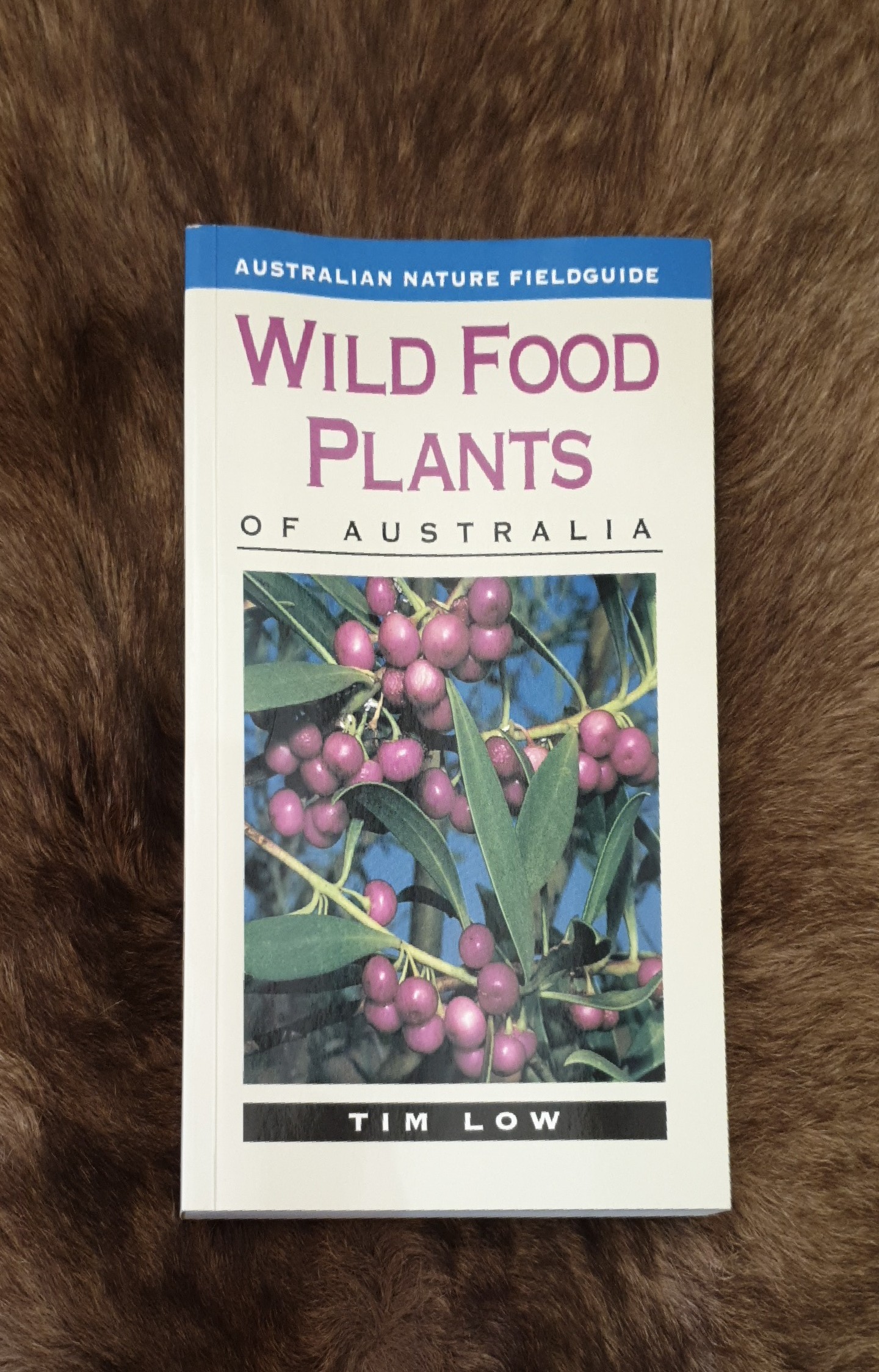
Unearthing the Flavors of the Land: A Journey Through "Wild Foods of Australia"
Australia, a continent of ancient landscapes and unique biodiversity, holds a culinary heritage as rich and diverse as its ecosystems. For millennia, Indigenous Australians have lived in harmony with this land, drawing sustenance from its vast array of native plants and animals. "Wild Foods of Australia" is a captivating exploration into this profound connection, inviting readers to discover, understand, and ultimately, taste the remarkable bounty that Australia’s wild spaces offer. This book is more than just a collection of recipes; it’s a portal into a world of forgotten flavors, sustainable practices, and a deeper appreciation for the natural world.
The allure of wild foods lies in their inherent connection to place. Unlike cultivated ingredients, wild foods are intrinsically tied to the specific soil, climate, and micro-environment from which they are harvested. "Wild Foods of Australia" meticulously details this intricate relationship, guiding readers through the diverse landscapes, from the arid heart of the Outback to the lush rainforests of the north and the temperate coastlines. Each region is presented as a unique larder, brimming with specialized ingredients that have sustained life for generations.
One of the book’s greatest strengths is its commitment to education and respect. It doesn’t merely present ingredients; it delves into their cultural significance, their traditional uses, and the ecological considerations surrounding their sustainable harvesting. The authors likely emphasize the importance of ethical foraging, urging readers to understand the needs of the environment and to take only what is necessary, ensuring the long-term health of wild populations. This responsible approach is crucial for preserving Australia’s unique flora and fauna for future generations.
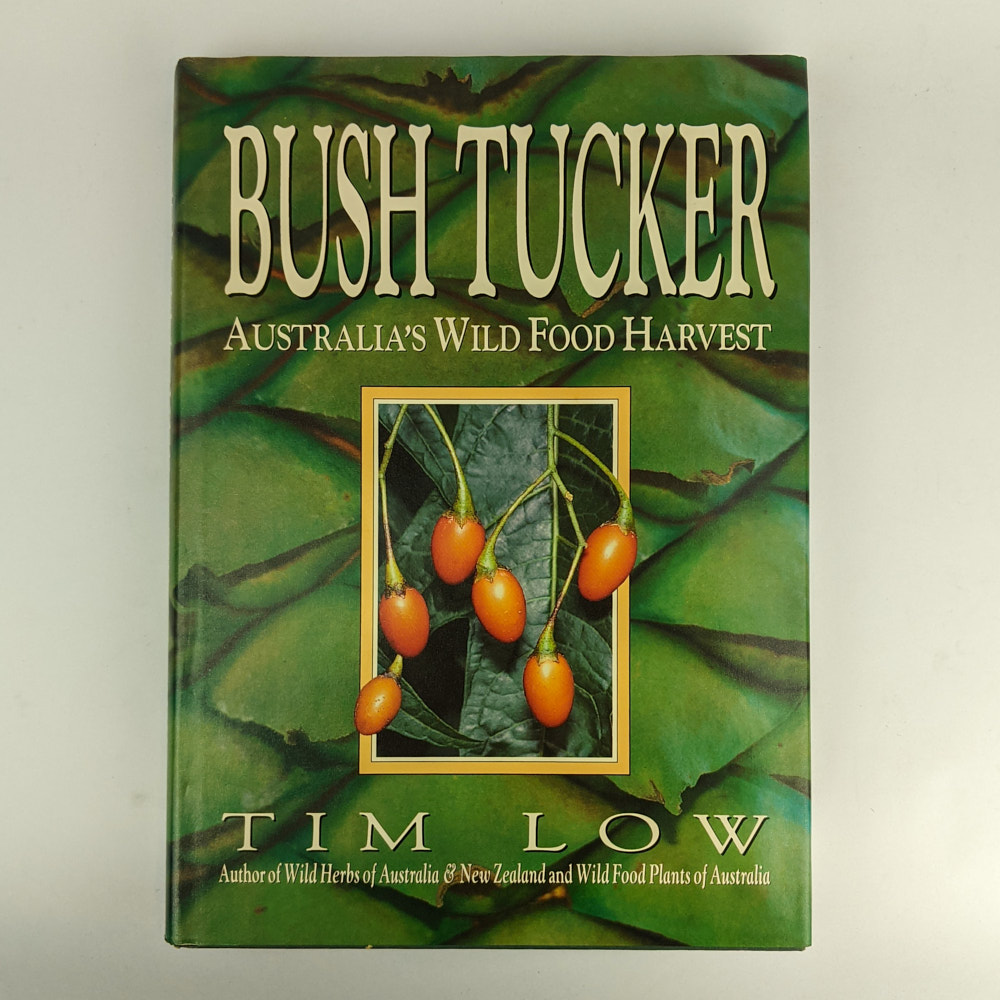
The narrative within "Wild Foods of Australia" is often woven with the wisdom of Indigenous knowledge holders. Their deep understanding of the land, passed down through countless generations, provides invaluable insights into the identification, preparation, and medicinal properties of various wild foods. The book serves as a bridge, connecting modern culinary enthusiasts with this ancient wisdom, fostering a sense of continuity and respect for traditional practices.
The sheer diversity of ingredients featured is astonishing. Readers can expect to encounter a vibrant spectrum of flavors and textures. Imagine the tangy zest of native finger limes, the earthy richness of quandongs, the subtle sweetness of bush tomatoes, or the unique, slightly peppery notes of saltbush. The book likely explores not only fruits and vegetables but also the protein sources that have been a staple of Indigenous diets for millennia, such as various types of bush tucker meats and seafood, prepared with techniques honed over centuries.
Beyond the identification and sourcing of these wild treasures, "Wild Foods of Australia" undoubtedly shines a spotlight on the art of preparation. The recipes presented are likely a harmonious blend of traditional Indigenous methods and contemporary culinary techniques. This fusion allows for both authenticity and accessibility, enabling home cooks to recreate these unique flavors in their own kitchens. The emphasis is often on simple, yet effective, methods that highlight the natural essence of each ingredient, avoiding over-processing and allowing the inherent qualities to shine through.
The visual aspect of such a book is also paramount. Stunning photography would be essential, showcasing the beauty of the Australian landscape, the unique appearance of the wild ingredients, and the enticing final dishes. These images serve not only as inspiration but also as a vital identification tool, helping readers confidently recognize the plants and fruits they encounter.
"Wild Foods of Australia" also serves as a powerful advocate for a more conscious approach to food consumption. In a world increasingly dominated by mass-produced and globally transported ingredients, the book champions the idea of locality and seasonality. It encourages a return to a more intimate relationship with our food sources, fostering an understanding of where our food comes from and the environmental impact of our choices. By highlighting the abundance and sustainability of Australia’s wild larder, it offers a compelling alternative to conventional food systems.
Furthermore, the book’s influence extends beyond the kitchen. It can inspire a greater appreciation for conservation efforts, as understanding and valuing wild foods naturally leads to a desire to protect the habitats in which they grow. It can spark curiosity about the natural world, encouraging outdoor exploration and a deeper connection to the Australian environment.
The act of foraging, when done responsibly, can be a deeply rewarding experience. "Wild Foods of Australia" likely provides the foundational knowledge and inspiration for those who wish to embark on this journey, albeit with a strong emphasis on safety and legality. It educates readers on the nuances of identifying edible species, understanding their growth cycles, and knowing when and where to forage ethically.
In essence, "Wild Foods of Australia" is an invitation to embark on a culinary adventure. It’s a call to explore, to learn, and to taste the extraordinary. It celebrates the resilience and ingenuity of Indigenous Australians, their profound connection to the land, and the incredible culinary legacy they have preserved. By bringing these wild flavors to the forefront, the book not only enriches our palates but also deepens our understanding and respect for the natural world that sustains us. It reminds us that some of the most exquisite flavors are often found in the most unexpected places, waiting to be unearthed with knowledge, respect, and a touch of adventurous spirit.

Sample Recipes from "Wild Foods of Australia" (Hypothetical)
While I don’t have access to the specific recipes within "Wild Foods of Australia" as it’s a real book, I can create a hypothetical list of recipes that would likely be featured, based on common and well-known Australian wild foods. These recipes aim to reflect the spirit of the book – celebrating natural flavors with a blend of traditional and modern approaches.
Here’s a selection of potential recipes:
1. Roasted Bush Tomato & Saltbush Tartlets
- Description: Delicate pastry shells filled with a savory blend of sun-dried bush tomatoes, fragrant saltbush leaves, and a creamy native cheese.
- Key Wild Ingredients: Bush Tomatoes (e.g., Solanum species), Saltbush (Atriplex species).
- Method: Sauté chopped bush tomatoes with garlic and onion. Stir in finely chopped saltbush leaves and a binder like ricotta or cream cheese. Season and fill pre-baked tartlet shells. Bake until golden.
2. Quandong & Macadamia Nut Crumble
- Description: A comforting dessert featuring the sweet-tartness of quandongs baked under a crunchy topping of native macadamia nuts and oats.
- Key Wild Ingredients: Quandongs (Santalum acuminatum), Native Macadamia Nuts (Macadamia species).
- Method: Stew fresh or dried quandongs with a touch of honey or native sugar. For the crumble, combine crushed macadamia nuts, rolled oats, flour, butter, and a hint of cinnamon. Top the quandongs with the crumble and bake until bubbly and golden brown.
3. Kangaroo Loin with Native Pepperberry Glaze
- Description: Tender kangaroo loin, pan-seared to perfection and finished with a vibrant, peppery glaze made from native pepperberries.
- Key Wild Ingredients: Kangaroo, Native Pepperberries (Tasmannia species).
- Method: Sear kangaroo loin on all sides. Deglaze the pan with red wine or native bush plum juice. Stir in ground native pepperberries, a touch of honey or native syrup, and a knob of butter to create a glossy glaze. Spoon over the cooked kangaroo.
4. Finger Lime & Smoked Salmon Blinis
- Description: Light and airy blinis topped with delicate smoked salmon and bursts of citrus from fresh finger lime "caviar."
- Key Wild Ingredients: Finger Limes (Citrus australasica).
- Method: Prepare classic blini batter. Cook small blinis. Top each with a dollop of crème fraîche, a slice of smoked salmon, and a generous sprinkle of finger lime vesicles.
5. Wattle Seed Crusted Barramundi with Lemon Myrtle Drizzle
- Description: Flaky barramundi fillets coated in a nutty wattle seed crust, served with an aromatic drizzle of lemon myrtle infused oil.
- Key Wild Ingredients: Wattle Seeds (Acacia species), Barramundi, Lemon Myrtle (Backhousia citriodora).
- Method: Toast and grind wattle seeds. Coat barramundi fillets in the wattle seed mixture. Pan-fry or bake until cooked through. Gently warm olive oil infused with fresh lemon myrtle leaves, then drizzle over the fish.
6. Bush Tucker Salad with Davidson Plum Vinaigrette
- Description: A vibrant salad featuring a medley of native greens, edible flowers, and seeds, dressed with a zesty vinaigrette made from tart Davidson plums.
- Key Wild Ingredients: Various native greens (e.g., Warrigal Greens, Pigface), Edible Flowers, Davidson Plums (Davidsonia jerseyana).
- Method: Combine a mix of fresh native greens and edible flowers. For the vinaigrette, purée fresh or rehydrated Davidson plums with olive oil, a touch of native honey, and white wine vinegar. Toss the salad with the dressing.
7. Emu Egg Omelette with Wild Mushrooms
- Description: A substantial and flavorful omelette made with nutrient-rich emu egg, studded with a variety of locally foraged wild mushrooms.
- Key Wild Ingredients: Emu Egg, Wild Mushrooms (various species, with expert identification).
- Method: Whisk emu egg until well combined. Sauté wild mushrooms with garlic and herbs. Pour the whisked egg over the mushrooms in a hot, oiled pan. Cook until set, folding in half.
8. Lily Pilly & Wild Honey Panna Cotta
- Description: A silky smooth panna cotta infused with the subtle fruity notes of lily pilly and sweetened with fragrant wild honey.
- Key Wild Ingredients: Lily Pillies (Syzygium species), Wild Honey.
- Method: Gently simmer lily pillies in cream and milk. Strain and add gelatin. Sweeten with wild honey and pour into ramekins. Chill until set. Serve with fresh lily pillies or a berry coulis.
These hypothetical recipes aim to showcase the diversity of Australian wild foods and the imaginative ways they can be prepared, reflecting the educational and inspiring nature of a book like "Wild Foods of Australia."


