
The Kakadu Plum: Nature’s Vitamin C Powerhouse and Culinary Gem
The vast and diverse continent of Australia holds a treasure trove of unique flora, many of which have been utilized by Indigenous Australians for millennia. Among these remarkable plants, the Kakadu plum (scientific name: Terminalia ferdinandiana) stands out as a true superfruit, primarily due to its astonishingly high vitamin C content. This article will delve into the science behind this remarkable fruit, its unparalleled nutritional profile, and explore its growing popularity in both the health and culinary worlds.
A Vitamin C Champion Like No Other
For decades, the orange has been hailed as the king of vitamin C. However, scientific research has revealed that the humble Kakadu plum utterly dwarfs its citrus counterpart. While an orange typically contains around 53.2 mg of vitamin C per 100 grams, the Kakadu plum can boast an astonishing 1,000 to 5,300 mg of vitamin C per 100 grams. This staggering difference positions the Kakadu plum as one of the richest natural sources of this essential nutrient on the planet.

But what makes this level of vitamin C so significant? Vitamin C, also known as ascorbic acid, is a potent antioxidant. Antioxidants are crucial for our health as they protect our cells from damage caused by free radicals, unstable molecules that can contribute to chronic diseases like heart disease, cancer, and aging.
The benefits of a diet rich in vitamin C are numerous:
- Immune System Support: Vitamin C is vital for the proper functioning of the immune system, helping the body fight off infections and illnesses. It stimulates the production of white blood cells, which are essential for defending against pathogens.
- Collagen Synthesis: Vitamin C is a critical cofactor in the production of collagen, a protein that forms the building blocks of skin, bones, cartilage, and blood vessels. Adequate vitamin C intake contributes to healthy, youthful skin and supports wound healing.
- Iron Absorption: Vitamin C enhances the absorption of non-heme iron, the type found in plant-based foods. This is particularly important for individuals following vegetarian or vegan diets, helping to prevent iron deficiency anemia.
- Cardiovascular Health: The antioxidant properties of vitamin C can help protect against oxidative stress, which plays a role in the development of cardiovascular disease. It may also contribute to healthy blood pressure levels.
- Skin Health and Radiance: Beyond collagen production, vitamin C’s antioxidant power helps combat the damaging effects of UV radiation and pollution, leading to brighter, more even-toned skin and potentially reducing the appearance of fine lines and wrinkles.
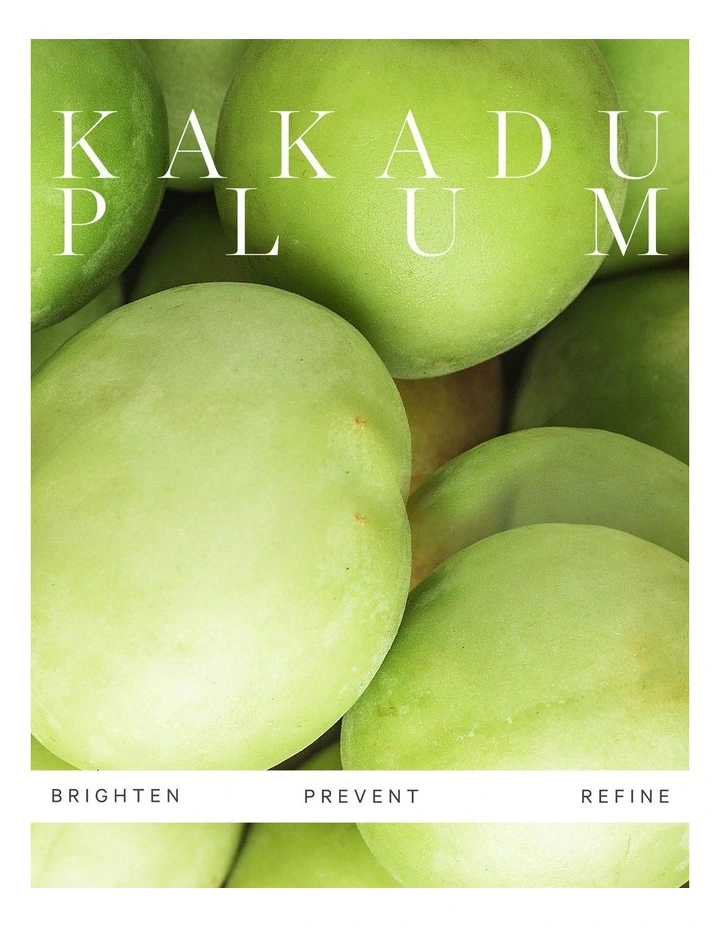
The extraordinary concentration of vitamin C in Kakadu plums means that even a small amount can provide a substantial boost to your daily intake, offering a powerful natural way to support overall health and well-being.
Beyond Vitamin C: A Nutrient-Dense Package
While its vitamin C content is its most celebrated attribute, the Kakadu plum is not a one-hit wonder. It also offers a range of other beneficial nutrients, making it a truly holistic superfood:
- Folate: Essential for cell growth and development, particularly important during pregnancy.
- Vitamin E: Another powerful antioxidant that works in synergy with vitamin C to protect cells.
- Minerals: The fruit contains trace amounts of minerals like zinc, magnesium, and potassium, which play various roles in bodily functions.
- Antioxidant Compounds: In addition to vitamin C, Kakadu plums are rich in other phenolic compounds and flavonoids, further enhancing their antioxidant capacity.
The Journey from Ancient Food Source to Modern Superfood
For thousands of years, Indigenous Australians have incorporated the Kakadu plum into their diet and traditional medicine. The fruit was consumed fresh, dried, or used in medicinal preparations. Its ability to thrive in the arid Australian climate speaks to its resilience and the deep knowledge of the land possessed by its traditional custodians.
In recent decades, the Western world has begun to recognize the immense potential of the Kakadu plum. Its journey from a relatively unknown native fruit to a sought-after ingredient in health products, supplements, and gourmet foods is a testament to its unique qualities.
Sustainable Harvesting and Ethical Sourcing:
As the demand for Kakadu plums grows, it’s crucial to emphasize the importance of sustainable harvesting practices. Traditional Indigenous communities play a vital role in managing and harvesting these fruits, ensuring their long-term availability and the preservation of cultural heritage. Ethical sourcing models that support these communities are essential for the continued success and responsible utilization of this valuable resource.
Culinary Versatility: From Savory to Sweet
The Kakadu plum boasts a distinct flavor profile that is both tart and slightly bitter, with subtle notes of green apple and citrus. This unique taste makes it a versatile ingredient in the kitchen, offering exciting possibilities for both sweet and savory dishes.
Forms of Kakadu Plum in Culinary Use:
- Fresh Fruit: When in season, the fresh fruit can be enjoyed directly, although its tartness means it’s often best in moderation or paired with sweeter ingredients.
- Powder: Perhaps the most common and accessible form, Kakadu plum powder is made from freeze-dried or air-dried fruit. It’s easy to incorporate into smoothies, yogurts, baked goods, and sauces. Its concentrated flavor and vitamin C make it a powerhouse addition.
- Extracts and Juices: These are often used in beverages, health shots, and as flavor enhancers.
- Preserves and Jams: The tartness of the plum lends itself well to preserves, where it can be balanced with sugar.
Recipes Featuring the Power of Kakadu Plum
Here are a few recipe ideas to inspire you to incorporate the Kakadu plum into your diet. Remember to adjust quantities based on your preference and the form of Kakadu plum you are using (fresh, powder, or extract).
1. Kakadu Plum & Berry Smoothie (Vibrant & Energizing)
This smoothie is a fantastic way to start your day with a potent dose of vitamin C and antioxidants.
Ingredients:
- 1 cup mixed berries (fresh or frozen – e.g., blueberries, raspberries, strawberries)
- 1/2 banana (for creaminess and sweetness)
- 1 teaspoon Kakadu plum powder (or to taste)
- 1/2 cup Greek yogurt or plant-based yogurt
- 1/2 cup milk (dairy or plant-based) or water
- Optional: A drizzle of honey or maple syrup if you prefer it sweeter
Instructions:
- Combine all ingredients in a blender.
- Blend until smooth and creamy.
- Pour into a glass and enjoy immediately.
2. Kakadu Plum & Lemon Tartlets (Tangy & Refreshing)
The tartness of Kakadu plum pairs beautifully with the bright zest of lemon in these delightful tartlets.
Ingredients:
- For the Crust:
- 1 ½ cups almond flour
- 2 tablespoons melted coconut oil
- 1 tablespoon maple syrup
- Pinch of salt
- For the Filling:
- 1 cup cashews (soaked for at least 4 hours or overnight)
- 1/2 cup lemon juice
- 1/4 cup maple syrup
- 1/4 cup coconut oil (melted)
- 1 teaspoon Kakadu plum powder
- Zest of 1 lemon
Instructions:
- Prepare the Crust: In a bowl, mix almond flour, melted coconut oil, maple syrup, and salt until well combined. Press the mixture evenly into the bottom and sides of mini tart tins or a muffin tin lined with paper liners. Place in the freezer while you prepare the filling.
- Prepare the Filling: Drain the soaked cashews. In a high-speed blender, combine the drained cashews, lemon juice, maple syrup, melted coconut oil, Kakadu plum powder, and lemon zest. Blend until completely smooth and creamy, scraping down the sides as needed.
- Assemble: Spoon the filling into the chilled tart crusts.
- Chill: Place the tartlets in the freezer for at least 2-3 hours, or until firm.
- Serve: Let them sit at room temperature for about 10-15 minutes before serving for a softer texture. Garnish with extra lemon zest or a sprinkle of Kakadu plum powder if desired.
3. Kakadu Plum Glazed Roasted Vegetables (Savory & Unique)
This glaze adds a delightful tangy and slightly sweet dimension to roasted vegetables.
Ingredients:
- Assorted vegetables for roasting (e.g., broccoli florets, sweet potato cubes, red onion wedges, bell pepper chunks)
- 2 tablespoons olive oil
- Salt and freshly ground black pepper to taste
- For the Glaze:
- 2 tablespoons Kakadu plum powder
- 2 tablespoons honey or maple syrup
- 1 tablespoon lemon juice
- 1 tablespoon water (or more, to reach desired consistency)
Instructions:
- Roast Vegetables: Preheat oven to 200°C (400°F). Toss the prepared vegetables with olive oil, salt, and pepper on a baking sheet. Roast for 20-30 minutes, or until tender and slightly caramelized, flipping halfway through.
- Make the Glaze: While the vegetables are roasting, whisk together the Kakadu plum powder, honey or maple syrup, lemon juice, and water in a small bowl until smooth.
- Glaze and Finish: Once the vegetables are nearly cooked, remove them from the oven. Drizzle the Kakadu plum glaze over the vegetables and toss gently to coat. Return to the oven for another 5-7 minutes, or until the glaze is slightly sticky and the vegetables are beautifully coated.
- Serve: Serve hot as a delicious side dish.
4. Kakadu Plum "Immune Booster" Shot (Quick & Potent)
For a quick and direct hit of vitamin C, try this simple shot.
Ingredients:
- 1 teaspoon Kakadu plum powder
- 1 tablespoon fresh lemon juice
- 1 tablespoon water or coconut water
Instructions:
- In a small shot glass or cup, combine the Kakadu plum powder, lemon juice, and water.
- Stir well until the powder is dissolved.
- Consume immediately.
The Future of the Kakadu Plum
The Kakadu plum is more than just a fruit; it’s a symbol of Australia’s rich biodiversity and the enduring wisdom of its Indigenous peoples. As awareness of its exceptional health benefits continues to grow, so too does its potential for economic development and cultural preservation. By embracing this remarkable superfruit, we can not only enhance our own health but also support sustainable practices and celebrate the natural wonders of the Australian landscape. Whether you’re seeking a potent immune boost or a unique culinary adventure, the Kakadu plum is a powerful and delicious choice.


