
Quandong: A Nutritional Powerhouse from the Australian Outback
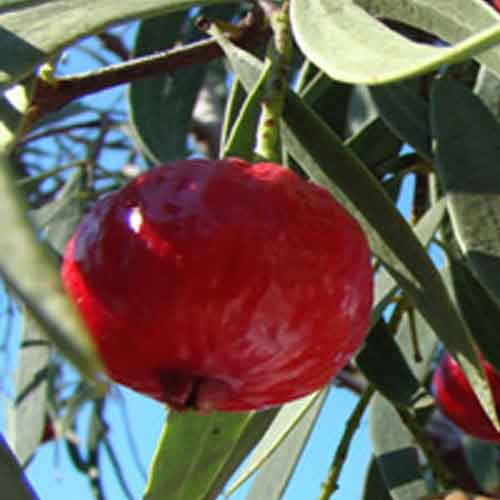
The Australian continent, renowned for its unique flora and fauna, also harbors a treasure trove of indigenous fruits, each with its own distinct characteristics and remarkable health benefits. Among these, the quandong ( Santalum acuminatum) stands out as a particularly potent nutritional powerhouse. Often referred to as the "desert peach" due to its vibrant red or occasionally yellow fruit, the quandong has been a vital food source for Aboriginal Australians for millennia, providing sustenance and medicinal properties in the harsh arid and semi-arid landscapes it calls home. Beyond its cultural significance, modern nutritional science is increasingly recognizing the quandong as a superfood, packed with vitamins, minerals, antioxidants, and beneficial fatty acids.
A Deep Dive into Quandong’s Nutritional Profile
The quandong fruit, while small, punches well above its weight in terms of its nutrient density. Let’s break down its impressive nutritional value:

1. Vitamin C: The Immune Booster
One of the most significant contributions of the quandong is its exceptionally high vitamin C content. In fact, quandong fruits are often cited as having significantly more vitamin C than oranges, a well-known citrus champion. Vitamin C is a powerful antioxidant, crucial for a healthy immune system, collagen synthesis (essential for skin, bones, and connective tissues), and iron absorption. Its presence in quandong makes it a valuable fruit for combating oxidative stress, promoting wound healing, and protecting against common illnesses.
2. Vitamin E: The Skin Protector
Quandong also boasts a respectable amount of vitamin E, another potent antioxidant. Vitamin E plays a vital role in protecting cell membranes from damage caused by free radicals. This contributes to healthy skin, hair, and eyes. Its anti-inflammatory properties may also help to reduce the risk of chronic diseases.
3. Folate: Essential for Cell Growth and Development
Folate (vitamin B9) is critical for DNA synthesis and repair, making it indispensable for cell growth and development. This is particularly important for pregnant women to prevent neural tube defects in their developing babies. Folate also contributes to red blood cell formation and plays a role in cardiovascular health.
4. Minerals Galore: Iron, Magnesium, and Zinc
The quandong fruit is a good source of several essential minerals:
- Iron: Crucial for oxygen transport in the blood and energy production, iron deficiency is a common concern. Quandong’s iron content can contribute to preventing anemia and boosting overall energy levels.
- Magnesium: Involved in over 300 biochemical reactions in the body, magnesium is essential for muscle and nerve function, blood sugar control, blood pressure regulation, and protein synthesis.
- Zinc: Important for immune function, wound healing, cell division, and a sense of taste and smell.
5. Antioxidant Powerhouse: Phenolic Compounds and Flavonoids
Beyond specific vitamins, quandong is rich in a diverse array of phenolic compounds and flavonoids. These plant-derived compounds are renowned for their antioxidant and anti-inflammatory properties. They work by neutralizing harmful free radicals, which are unstable molecules that can damage cells and contribute to aging and chronic diseases like cancer and heart disease. Specific antioxidants found in quandong include anthocyanins (responsible for the vibrant red color), quercetin, and kaempferol.
6. Healthy Fats: A Unique Addition
Unlike many fruits, quandong also contains beneficial fatty acids, primarily oleic acid (the same monounsaturated fat found in olive oil) and linoleic acid (an omega-6 fatty acid). These healthy fats can contribute to cardiovascular health, help the body absorb fat-soluble vitamins, and provide a source of energy.
7. Fiber: For Digestive Health
Quandong, like most fruits, is a good source of dietary fiber. Fiber is essential for maintaining a healthy digestive system, promoting regularity, and contributing to a feeling of fullness, which can aid in weight management. It also plays a role in regulating blood sugar levels and lowering cholesterol.
The Traditional and Modern Uses of Quandong
For millennia, Aboriginal Australians have utilized the quandong in various ways. The fresh fruit could be eaten raw, providing a sweet and tart flavor. It was also dried for preservation, allowing for consumption during leaner times. The leaves and roots of the quandong plant have also been traditionally used for medicinal purposes, including treating skin conditions and inflammation.
In contemporary times, the quandong is experiencing a renaissance. Its unique flavor profile – often described as a blend of apricot, peach, and cranberry – makes it a sought-after ingredient in gourmet cooking. It’s being incorporated into jams, chutneys, sauces, desserts, and even savory dishes. Beyond its culinary appeal, its nutritional benefits are driving interest in its use in health supplements and functional foods.
Potential Health Benefits of Quandong Consumption
The impressive nutritional profile of quandong translates into a range of potential health benefits:
- Enhanced Immune Function: The high vitamin C content provides a significant boost to the immune system, helping the body fight off infections.
- Protection Against Chronic Diseases: The abundance of antioxidants, including vitamin C, vitamin E, and phenolic compounds, helps protect cells from oxidative damage, potentially reducing the risk of chronic conditions like heart disease, certain cancers, and neurodegenerative disorders.
- Improved Skin Health: Vitamin C’s role in collagen production and vitamin E’s antioxidant properties contribute to healthier, more youthful-looking skin.
- Support for Digestive Health: The fiber content promotes a healthy gut and aids in regular bowel movements.
- Energy Boost: The presence of iron and healthy fats can contribute to sustained energy levels.
- Anti-inflammatory Effects: The various antioxidants in quandong can help to combat inflammation throughout the body, which is a key factor in many chronic diseases.
Considerations for Quandong Consumption
While quandong is a remarkably healthy fruit, there are a few points to consider:
- Availability: Quandong is primarily found in Australia, particularly in arid and semi-arid regions. Fresh quandong can be challenging to find outside of its native habitat. However, dried quandong, quandong powder, and quandong products are becoming more widely available online and in specialty stores.
- Preparation: The quandong fruit has a large pit in the center. It’s important to remove this before consumption or use in recipes.
- Taste Profile: The taste can be quite tart, especially when not fully ripe. This tartness can be a delightful contrast in sweet dishes or balanced with other ingredients.
Quandong Recipes: A Taste of the Outback
Here are a few recipe ideas to inspire you to incorporate this incredible fruit into your diet:
1. Simple Quandong Jam
This is a classic way to enjoy the unique flavor of quandong.
Ingredients:
- 500g fresh or frozen quandongs (pitted)
- 250g granulated sugar (adjust to taste)
- Juice of 1/2 lemon
Instructions:
- If using fresh quandongs, wash them and remove the pits. If using frozen, they may be easier to pit once slightly thawed.
- Place the pitted quandongs in a saucepan. Add the sugar and lemon juice.
- Cook over medium heat, stirring occasionally, until the quandongs soften and the mixture begins to thicken. This can take 20-30 minutes.
- As it thickens, you can lightly mash some of the quandongs with a fork for a smoother texture, or leave them whole for a chunkier jam.
- Test for set by placing a small amount of jam on a cold plate. If it wrinkles when pushed, it’s ready.
- Pour the hot jam into sterilized jars and seal.
2. Quandong and Coconut Bliss Balls
A healthy and no-bake snack packed with nutrients.
Ingredients:
- 1 cup dried quandongs (soaked in warm water for 30 minutes, then drained)
- 1/2 cup shredded unsweetened coconut
- 1/4 cup rolled oats
- 2 tablespoons chia seeds
- 1 tablespoon honey or maple syrup (optional, adjust to sweetness of quandongs)
- 1 teaspoon vanilla extract
Instructions:
- In a food processor, combine the soaked and drained quandongs, shredded coconut, rolled oats, and chia seeds.
- Process until the mixture starts to come together.
- Add honey or maple syrup (if using) and vanilla extract. Process again until well combined.
- Roll the mixture into small balls (about 1-inch in diameter).
- Roll the balls in extra shredded coconut to coat.
- Place the bliss balls on a plate and refrigerate for at least 30 minutes to firm up. Store in an airtight container in the refrigerator.
3. Quandong & Native Australian Spice Crusted Lamb Chops
A unique and flavorful savory dish.
Ingredients:
- 4 lamb chops
- 2 tablespoons quandong powder (or finely ground dried quandongs)
- 1 tablespoon ground wattle seed
- 1 teaspoon dried lemon myrtle
- 1/2 teaspoon salt
- 1/4 teaspoon black pepper
- 2 tablespoons olive oil
Instructions:
- In a shallow dish, combine the quandong powder, ground wattle seed, dried lemon myrtle, salt, and pepper. Mix well.
- Pat the lamb chops dry with paper towels.
- Rub each lamb chop generously with the spice mixture, ensuring it’s well coated.
- Heat the olive oil in a skillet over medium-high heat.
- Sear the lamb chops for 3-5 minutes per side, or until cooked to your desired doneness.
- Let the lamb chops rest for a few minutes before serving. Serve with a side salad or roasted vegetables.
4. Quandong and White Chocolate Brownies
A delightful twist on a classic dessert.
Ingredients:
- 170g unsalted butter, melted
- 150g white chocolate, chopped
- 2 large eggs
- 150g granulated sugar
- 1 teaspoon vanilla extract
- 100g all-purpose flour
- 1/4 teaspoon salt
- 100g fresh or frozen quandongs (pitted and halved or quartered)
Instructions:
- Preheat your oven to 180°C (350°F). Grease and line an 8×8 inch baking pan with parchment paper.
- In a heatproof bowl set over a saucepan of simmering water, melt the butter and chopped white chocolate. Stir until smooth. Remove from heat and let cool slightly.
- In a separate bowl, whisk together the eggs and sugar until well combined. Stir in the vanilla extract.
- Pour the melted chocolate mixture into the egg mixture and whisk until smooth.
- In a small bowl, whisk together the flour and salt.
- Gradually add the dry ingredients to the wet ingredients, mixing until just combined. Do not overmix.
- Gently fold in the quandong pieces.
- Pour the batter into the prepared baking pan and spread evenly.
- Bake for 25-30 minutes, or until a toothpick inserted into the center comes out with moist crumbs (not wet batter).
- Let the brownies cool completely in the pan before cutting into squares.
Conclusion
The quandong fruit is far more than just a wild berry from the Australian outback; it’s a nutritional powerhouse with a rich history and a promising future. Its impressive array of vitamins, minerals, antioxidants, and healthy fats makes it a valuable addition to any diet. Whether enjoyed in traditional jams, innovative culinary creations, or as a testament to the enduring wisdom of indigenous food practices, the quandong offers a delicious and health-boosting experience that is truly unique. As we continue to explore and appreciate the diverse bounty of our planet, fruits like the quandong serve as a powerful reminder of the natural treasures that await discovery.


