
The Davidson Plum: A Native Australian Gem for Your Garden and Kitchen
The Davidson plum ( Davidsonia pruriens ) is a remarkable native Australian tree that offers a unique combination of ornamental beauty, ecological benefits, and culinary delights. With its striking foliage, vibrant pink blossoms, and intensely flavored fruit, the Davidson plum is a true gem for any gardener looking to incorporate a taste of the Australian bush into their landscape. This article delves into the intricacies of Davidson plum plant care, from selecting the right location to harvesting and utilizing its prized fruit.
Understanding the Davidson Plum
The Davidson plum is an evergreen understory tree or shrub native to the rainforests of Queensland and New South Wales. It’s a member of the family Cunoniaceae, which also includes other Australian natives like the coachwood. The tree is renowned for its distinctive appearance:
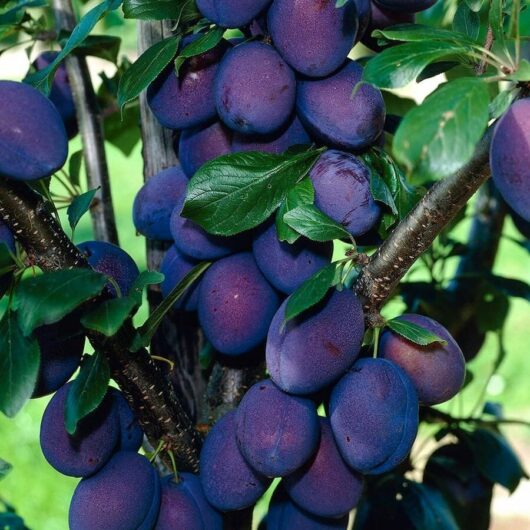
- Foliage: Young leaves are a vibrant, almost shocking pink or reddish-bronze, gradually maturing to a deep green. The undersides of the leaves are often covered in a fine, rust-colored fuzz, giving them a velvety texture. The leaves are pinnately compound, meaning they are made up of several leaflets arranged along a central stalk.
- Flowers: In late winter and spring, the Davidson plum produces clusters of delicate, bell-shaped flowers that range in color from pale pink to deep rose. These flowers are highly attractive to native bees and other pollinators.
- Fruit: The fruit is the true star of the show. These small, plum-like drupes are roughly the size of a large olive, ripening from green to a deep purple-black. They hang in pendulous clusters and possess an incredibly tart, complex flavor profile with notes of sour cherry, plum, and a hint of anise. The skin is thin and edible, while the flesh is juicy and contains a few small seeds.
Cultivating Your Davidson Plum: Essential Care Guidelines
While Davidson plums are relatively hardy once established, providing them with the right conditions will ensure a healthy, productive tree.
1. Climate and Location:

- Climate: Davidson plums thrive in subtropical to warm temperate climates. They can tolerate light frosts but are best protected from prolonged or heavy freezes, especially when young. In cooler regions, they can be grown in pots and brought indoors during winter or planted in a sheltered microclimate.
- Sunlight: While they are understory plants in their natural habitat, established Davidson plums generally perform best with at least partial sun. Morning sun and afternoon shade is often ideal, particularly in hotter climates, to prevent leaf scorch. Young trees will benefit from some protection from intense direct sun.
- Wind Protection: Due to their often pendulous branches and delicate flowers, it’s advisable to plant Davidson plums in a location sheltered from strong winds. This will prevent damage to the branches and improve fruit set.
2. Soil and Drainage:
- Soil Type: Davidson plums prefer well-draining, fertile soil rich in organic matter. They are not overly fussy about soil pH but will generally do well in slightly acidic to neutral conditions.
- Drainage is Key: This is perhaps the most crucial aspect of their care. They absolutely detest waterlogged roots, which can lead to root rot and fungal diseases. If your soil is heavy clay, amend it generously with compost, well-rotted manure, and coarse sand to improve drainage. Raised garden beds are an excellent option for areas with poor drainage.
3. Watering:
- Establishment Phase: During the first year after planting, regular watering is essential to help the root system establish. Water deeply and consistently, allowing the soil to dry out slightly between waterings.
- Mature Trees: Once established, Davidson plums are moderately drought-tolerant. However, they will perform and produce more fruit with consistent moisture, especially during dry periods and when the fruit is developing. Water deeply when the top few inches of soil feel dry. Avoid overhead watering where possible, as this can promote fungal diseases. Drip irrigation or watering at the base of the tree is recommended.
4. Fertilizing:
- Young Trees: For young trees, a light application of a balanced, slow-release fertilizer in spring and again in late summer can be beneficial.
- Mature Trees: Mature trees generally require less fertilization. An annual application of compost or well-rotted manure around the base of the tree in spring is often sufficient. If the tree appears to be lacking vigor or producing poorly, a light feeding with a balanced fertilizer can be considered. Avoid over-fertilizing, which can lead to excessive leafy growth at the expense of fruit production.
5. Pruning:
- Shaping and Maintenance: Davidson plums generally require minimal pruning. Pruning is primarily done for shaping, removing dead or diseased branches, and improving air circulation.
- Timing: The best time to prune is after fruiting, typically in late spring or early summer. This allows the tree to recover and prepare for the next growing season.
- Techniques: Remove any crossing branches, suckers growing from the base, and branches that are growing inwards. You can also prune to maintain a desired size and shape, especially if you are growing it in a smaller garden. Light thinning can improve light penetration and air circulation, which helps to prevent fungal diseases.
6. Pests and Diseases:
- Generally Hardy: Davidson plums are relatively resistant to most pests and diseases when grown in optimal conditions.
- Potential Issues: Occasionally, they may be susceptible to fungal diseases like powdery mildew or leaf spot, especially in humid conditions or with poor air circulation. Ensuring good drainage and adequate spacing between plants can help prevent these issues.
- Pest Management: Aphids or scale insects can sometimes be an issue. These can often be managed with a strong spray of water, insecticidal soap, or by encouraging beneficial insects like ladybugs.
7. Propagation:
- Seed: Davidson plums can be grown from seed, but germination can be slow and erratic. Seeds often require a period of cold stratification (a period of cold, moist conditions) to break dormancy. Growing from seed may also result in plants that are not true to the parent variety.
- Cuttings: Semi-hardwood cuttings taken in summer can be a more reliable method of propagation.
- Grafting: Grafting onto suitable rootstock is another method used by nurseries to ensure consistent fruit quality and vigor.
Harvesting Your Davidson Plum Bounty
The Davidson plum fruit typically ripens from late spring through summer, depending on the local climate. The fruit will change from green to a deep, glossy purple-black when ripe. They are ready to harvest when they are slightly soft to the touch and have a rich aroma.
- Harvesting Technique: Gently twist or snip the fruit from the branches. Be careful not to damage the delicate flower buds or young fruit, as these will develop into next season’s harvest.
- Storage: Davidson plums are highly perishable and best used fresh shortly after harvesting. They can be stored in the refrigerator for a few days, but their quality will decline.
The Culinary Delights of Davidson Plum
The intense, tart flavor of Davidson plums makes them a versatile ingredient in the kitchen. While they are too sour to eat fresh out of hand for most people, they shine in cooked preparations.
- Flavor Profile: The unique tartness, coupled with fruity and slightly spicy undertones, makes them ideal for balancing sweetness in desserts and sauces.
- Uses: They are commonly used in:
- Jams and Jellies: Their high pectin content makes them perfect for setting into delicious spreads.
- Sauces and Coulis: A fantastic accompaniment to roasted meats, game, and even rich desserts.
- Pies and Tarts: Their tartness cuts through the richness of pastry and adds a vibrant flavor.
- Liqueurs and Syrups: Their intense color and flavor can be infused into spirits or used to create flavorful syrups.
- Chutneys: A savory and sweet condiment that pairs well with cheese and cold meats.
- Juices and Smoothies: Blended with other fruits, they can add a zesty kick.
Recipe Ideas Featuring Davidson Plum
Here’s a small selection of recipe ideas to get you started with your Davidson plum harvest:
1. Classic Davidson Plum Jam
-
Ingredients:
- 1 kg ripe Davidson plums, washed and pitted (or simply halved if small)
- 750g – 1kg granulated sugar (adjust to your sweetness preference and plum tartness)
- Juice of 1 lemon
- Optional: A few star anise or a cinnamon stick for added spice
-
Instructions:
- Place the prepared plums and lemon juice in a large, heavy-bottomed saucepan.
- Cook over medium heat, stirring occasionally, until the plums have softened and released their juices (about 10-15 minutes). You can gently mash some of the plums with a potato masher if desired.
- Add the sugar (and optional spices) to the pan. Stir well until the sugar is dissolved.
- Bring the mixture to a rolling boil, stirring constantly.
- Continue to boil vigorously for about 10-20 minutes, or until the jam reaches setting point. Test for setting by placing a small spoonful of jam onto a chilled saucer; if it wrinkles when pushed, it’s ready.
- Remove any spices. Skim off any foam from the surface.
- Carefully ladle the hot jam into sterilized jars, leaving about 1cm headspace. Seal immediately with sterilized lids.
- Allow the jars to cool completely before storing in a cool, dark place.
2. Davidson Plum and Ginger Sauce
-
Ingredients:
- 500g ripe Davidson plums, pitted
- 100g granulated sugar (or to taste)
- 50ml water
- 1 tbsp grated fresh ginger
- 1 clove garlic, minced
- 1 small red chili, finely chopped (optional, for heat)
- Pinch of salt
-
Instructions:
- Combine plums, sugar, water, ginger, garlic, chili (if using), and salt in a saucepan.
- Bring to a simmer over medium heat, stirring until the sugar dissolves.
- Reduce heat to low and simmer gently for 20-30 minutes, or until the plums have broken down and the sauce has thickened. Stir occasionally to prevent sticking.
- For a smoother sauce, you can blend it with an immersion blender or in a regular blender (be careful with hot liquids).
- Taste and adjust sweetness or seasoning as needed.
- Let cool slightly before serving. This sauce is delicious with pork, duck, or chicken.
3. Davidson Plum and Apple Crumble
-
Ingredients:
-
For the Filling:
- 300g ripe Davidson plums, pitted and halved
- 2 medium apples, peeled, cored, and sliced
- 50g granulated sugar (adjust to taste)
- 1 tbsp cornstarch
- 1 tsp ground cinnamon
-
For the Crumble Topping:
- 150g plain flour
- 75g cold unsalted butter, cubed
- 75g rolled oats
- 50g brown sugar
-
-
Instructions:
- Preheat oven to 180°C (350°F).
- In a bowl, gently toss the Davidson plums, apples, sugar, cornstarch, and cinnamon. Pour into a greased ovenproof dish.
- In a separate bowl, rub the cold butter into the flour with your fingertips until the mixture resembles coarse breadcrumbs.
- Stir in the rolled oats and brown sugar.
- Sprinkle the crumble topping evenly over the fruit filling.
- Bake for 35-45 minutes, or until the topping is golden brown and the fruit is bubbling.
- Serve warm with custard, ice cream, or cream.
4. Davidson Plum and Berry Smoothie
-
Ingredients:
- 1 cup mixed berries (strawberries, raspberries, blueberries)
- 1/4 cup ripe Davidson plums, pitted
- 1/2 cup plain yogurt or milk (dairy or non-dairy)
- 1/2 ripe banana (optional, for sweetness and creaminess)
- A drizzle of honey or maple syrup (optional, to taste)
-
Instructions:
- Combine all ingredients in a blender.
- Blend until smooth and creamy. Add a little more liquid if it’s too thick.
- Taste and add sweetener if desired.
- Serve immediately.
Conclusion
The Davidson plum is more than just a fruit-bearing tree; it’s a living piece of Australian heritage that offers immense satisfaction to both the gardener and the cook. By understanding its basic needs and embracing its unique characteristics, you can cultivate a thriving Davidson plum in your own garden and unlock a world of vibrant, tangy flavors in your kitchen. Its journey from a delicate pink blossom to a jewel-toned fruit is a testament to the wonders of native flora, a reward well worth the effort.


