
The Enigmatic Muntries: A Guide to Cultivating Australia’s Native Berry Gem
The Australian landscape is a treasure trove of unique flora, and among its most delightful offerings is the Muntries fruit. Also known by its scientific name Kunzea pomifera, this low-growing shrub produces small, succulent berries that burst with a sweet, slightly tart, and subtly spicy flavour. Revered by Indigenous Australians for millennia, Muntries are now gaining recognition in the wider culinary world for their distinctive taste and potential health benefits. Cultivating these native gems, however, requires understanding their specific needs. This comprehensive guide will delve into the intricacies of Muntries plant care, empowering you to successfully grow and enjoy this remarkable Australian berry.
Understanding the Muntries: A Native Adaptation
Before we embark on the journey of cultivation, it’s essential to appreciate the Muntries’ natural habitat and adaptations. Muntries are endemic to the southern coastal regions of Australia, particularly South Australia and Victoria. They thrive in sandy, well-drained soils, often found in coastal dunes and mallee scrublands. Their low, sprawling growth habit allows them to spread across the ground, forming dense mats that help stabilize the soil and conserve moisture in often arid conditions.
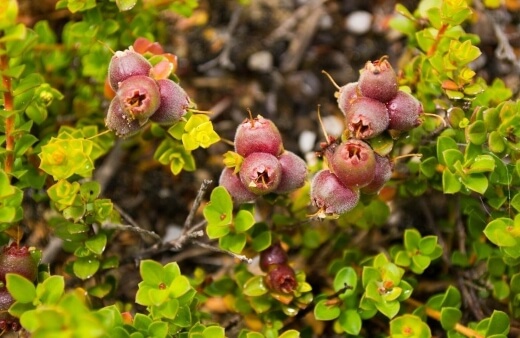
The plant itself is a hardy evergreen shrub, typically reaching a height of only 30-50 cm but spreading outwards significantly, sometimes up to 2 meters in diameter. Its leaves are small, oval-shaped, and a vibrant green. During spring and early summer, the Muntries erupt in a spectacular display of small, white, fluffy flowers, which are highly attractive to native pollinators. Following flowering, the plant produces its signature fruit – small, round berries that range in colour from green to pale pink to deep red when ripe.
Cultivating Your Own Muntries: A Step-by-Step Approach
Growing Muntries can be a rewarding experience, offering a unique addition to your garden and a delightful harvest of fresh berries. Here’s a detailed breakdown of how to care for your Muntries plant:
1. Choosing the Right Location: Mimicking the Native Environment
The most crucial factor for successful Muntries cultivation is selecting the right location.
- Sunlight: Muntries thrive in full sun. Aim for a spot that receives at least six to eight hours of direct sunlight daily. While they can tolerate some dappled shade, flowering and fruiting will be significantly reduced.
- Soil: As mentioned, Muntries are adapted to sandy, well-drained soils. This is paramount. Heavy clay soils will lead to root rot and plant death. If your soil is heavy, you’ll need to amend it.

- Improving Drainage: Incorporate generous amounts of coarse sand, perlite, or gravel into the planting hole and the surrounding soil. Raised garden beds filled with a sandy loam mix are also an excellent option.
- Soil pH: Muntries prefer slightly acidic to neutral soil conditions, with a pH range of 5.5 to 7.0.
- Wind Protection: While Muntries are hardy, they benefit from some protection from strong, desiccating winds, especially when young. A location near a fence, a hedge, or other established plants can provide this buffer.
- Space: Remember their sprawling nature. Give your Muntries plant ample space to spread. Planting them too close to other plants or structures will lead to overcrowding and competition.
2. Planting Your Muntries: Getting Started
- Timing: The best time to plant Muntries is typically in autumn or early spring, when the weather is cooler, allowing the roots to establish before the heat of summer or the chill of winter.
- Planting Material: You can propagate Muntries from seed, cuttings, or by purchasing young plants from reputable nurseries specializing in native Australian plants.
- Seeds: Germinating Muntries seeds can be challenging and time-consuming. If you opt for this method, ensure you use fresh seeds and sow them in a well-draining seed-starting mix. Cold stratification may be necessary.
- Cuttings: Taking cuttings from healthy parent plants during the growing season is a more reliable method. Strike them in a sandy medium and keep them moist and humid.
- Young Plants: Purchasing established plants is the easiest and most successful way to begin.
- Planting Process:
- Dig a hole twice the width and the same depth as the plant’s root ball.
- If amending the soil, mix in coarse sand, perlite, or compost to improve drainage and aeration.
- Gently remove the plant from its nursery pot, taking care not to damage the roots.
- Place the plant in the hole, ensuring the top of the root ball is level with the surrounding soil.
- Backfill the hole with the amended soil, firming gently to remove air pockets.
- Water thoroughly after planting to settle the soil and hydrate the roots.
3. Watering: Finding the Right Balance
Muntries are relatively drought-tolerant once established, but consistent moisture is crucial, especially during their establishment phase and when flowering and fruiting.
- Young Plants: Water young Muntries regularly, ensuring the soil remains consistently moist but not waterlogged. Check the soil moisture by sticking your finger about an inch into the soil. If it feels dry, it’s time to water.
- Established Plants: Once established, Muntries can withstand periods of dryness. However, prolonged drought can stress the plant, leading to reduced flowering and fruiting. Water deeply during dry spells, especially when the berries are developing.
- Watering Technique: Water at the base of the plant to avoid wetting the foliage, which can encourage fungal diseases. Drip irrigation or a soaker hose is ideal for consistent and efficient watering.
4. Fertilizing: Less is Often More
Muntries are not heavy feeders and can thrive in nutrient-poor soils. Over-fertilizing can lead to excessive leafy growth at the expense of fruit production.
- Initial Fertilization: You can incorporate a slow-release native plant fertilizer into the soil at planting time.
- Ongoing Fertilization: Generally, Muntries do not require regular fertilization. If your plant appears to be struggling or showing signs of nutrient deficiency (pale leaves), a light application of a balanced, low-nitrogen fertilizer formulated for native plants in late winter or early spring can be beneficial. Avoid fertilizers high in phosphorus, as this can be detrimental to native Australian plants.
5. Pruning: Shaping for Health and Productivity
Pruning Muntries is primarily for maintaining shape, removing dead or damaged branches, and encouraging better air circulation.
- Timing: Prune after the fruiting season has finished, typically in late summer or autumn.
- Technique:
- Remove any dead, diseased, or crossing branches.
- Thin out dense areas to improve air circulation and sunlight penetration.
- You can also lightly prune to maintain a desired shape or size, but avoid heavy pruning, as this can reduce future fruiting.
- Muntries have a natural sprawling habit, so embrace this rather than trying to force a formal shape.
6. Pest and Disease Management: Vigilance is Key
Muntries are generally robust plants with good natural resistance to pests and diseases. However, like all plants, they can occasionally be affected.
- Common Pests: Aphids and spider mites can sometimes be an issue, especially on young or stressed plants. Regularly inspect your plants for any signs of infestation.
- Control:
- Manual Removal: For small infestations, you can often wash pests off with a strong jet of water or pick them off by hand.
- Insecticidal Soap or Neem Oil: If necessary, use an organic insecticidal soap or neem oil spray. Always follow product instructions carefully.
- Diseases: The most common issue is root rot, which is almost always caused by poor drainage. Ensuring well-draining soil is the best preventative measure.
- Fungal Leaf Spots: In humid conditions, fungal leaf spots can appear. Good air circulation through pruning and avoiding overhead watering can help mitigate this. Remove affected leaves promptly.
7. Harvesting Your Muntries: The Sweet Reward
The moment you’ve been waiting for! Muntries typically begin to fruit in their second or third year after planting.
- When to Harvest: Berries are ready to harvest when they have reached their full colour (ranging from pale pink to deep red) and feel slightly soft to the touch. They will detach easily from the stem when ripe.
- How to Harvest: Gently pick the berries by hand. You can harvest them individually or collect them in a container as you go.
- Storage: Fresh Muntries can be stored in the refrigerator for a few days. For longer storage, they freeze exceptionally well and can be used in smoothies, jams, and baked goods throughout the year.
Beyond the Basics: Tips for Thriving Muntries
- Pollination: While Muntries are generally self-pollinating, planting multiple plants in close proximity can sometimes improve fruit set. The flowers are also highly attractive to native bees and other beneficial insects, so encouraging a healthy pollinator population in your garden will benefit your Muntries.
- Mulching: Applying a layer of organic mulch, such as wood chips or straw, around the base of your Muntries plant can help retain soil moisture, suppress weeds, and regulate soil temperature. Keep the mulch a few inches away from the main stem to prevent rot.
- Container Growing: Muntries can be grown in large pots or containers, provided the container has excellent drainage and is filled with a sandy, well-draining potting mix. This is a great option for those with limited garden space or heavy clay soils.
The Culinary Delights of Muntries
The reward for your efforts in cultivating Muntries is a delicious and versatile fruit. Their unique flavour profile makes them a sought-after ingredient.
Muntries Recipe Ideas:
While the direct flavour of Muntries is best appreciated fresh, their versatility shines in various culinary applications. Here are some ideas:
- Fresh Eating: Simply pop them into your mouth for a burst of sweet and spicy flavour. They are perfect for snacking straight from the plant.
- Muntries Smoothie: Blend fresh or frozen Muntries with your favourite yogurt, milk (dairy or non-dairy), and a touch of honey or maple syrup for a refreshing and nutritious smoothie.
- Muntries Jam or Compote: Cook down Muntries with sugar and a squeeze of lemon juice until thickened to create a delicious jam or compote. This is fantastic on toast, scones, or as a topping for desserts.
- Muntries Crumble or Pie: Incorporate Muntries into your favourite crumble or pie recipes. Their slightly tart and spicy notes add a unique dimension to baked goods. They pair wonderfully with apples or berries.
- Muntries Coulis: Simmer Muntries with a little water and sugar, then strain to create a vibrant coulis. Drizzle over ice cream, panna cotta, or cheesecake.
- Muntries Infused Gin or Vodka: For the adventurous, try infusing your favourite spirit with Muntries for a unique flavour profile.
- Muntries in Savoury Dishes: While less common, their subtle spice can complement some savoury dishes. Consider a small amount in a reduction sauce for game meats or a chutney for cheese boards.
Basic Muntries Jam Recipe:
Ingredients:
- 500g fresh or frozen Muntries
- 250g granulated sugar (adjust to taste)
- Juice of 1/2 lemon
Instructions:
- If using fresh Muntries, wash them gently. If using frozen, no need to thaw.
- Place the Muntries and lemon juice in a saucepan.
- Heat gently over medium heat, stirring occasionally, until the berries begin to soften and release their juices.
- Add the sugar and stir until dissolved.
- Bring the mixture to a rolling boil and cook for 10-15 minutes, stirring frequently, until the jam has thickened. You can test for set by placing a small spoonful on a chilled plate; it should wrinkle when pushed.
- Remove from heat and skim off any foam.
- Pour the hot jam into sterilized jars and seal immediately.
Conclusion: A Native Treasure Worth Nurturing
The Muntries fruit plant is more than just a source of delicious berries; it’s a testament to the resilience and unique biodiversity of Australia. By understanding and applying the principles of its care, you can successfully cultivate this native gem in your own garden. From its sandy soil requirements to its sun-loving nature, each aspect of Muntries care contributes to a thriving plant that will reward you with both beauty and flavour for years to come. So, embrace the challenge, connect with nature, and savour the exquisite taste of the enigmatic Muntries.


