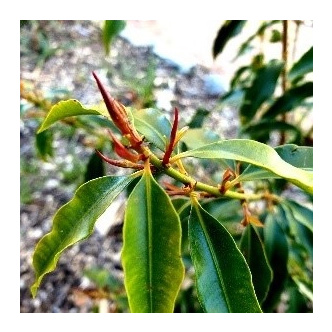
Embrace the Sweet, Spicy Scent: Anise Myrtle Plants for Sale – A Culinary and Aromatic Treasure
In the vast and wondrous world of botanicals, certain plants stand out not just for their aesthetic appeal but for their remarkable versatility and captivating aromas. Among these treasures, the Anise Myrtle ( Syzygium anisatum ) shines brightly. This native Australian gem, with its distinctly sweet, licorice-like fragrance and flavor, is increasingly sought after by home gardeners, chefs, and anyone seeking to infuse their lives with a touch of the exotic and the delightful. If you’re looking to add a unique and rewarding plant to your collection, the opportunity to purchase Anise Myrtle plants is an invitation to explore a world of culinary innovation and sensory pleasure.
What is Anise Myrtle? A Closer Look at a Remarkable Plant
Anise Myrtle, also known as Aniseed Myrtle, is an evergreen tree or large shrub native to the rainforests of northeastern Australia. Its distinctive aroma and flavor are derived from its essential oils, particularly anethole, the same compound responsible for the characteristic scent of anise and fennel. However, Anise Myrtle possesses a more complex and nuanced profile, often described as a blend of anise, licorice, mint, and sometimes even a hint of citrus.
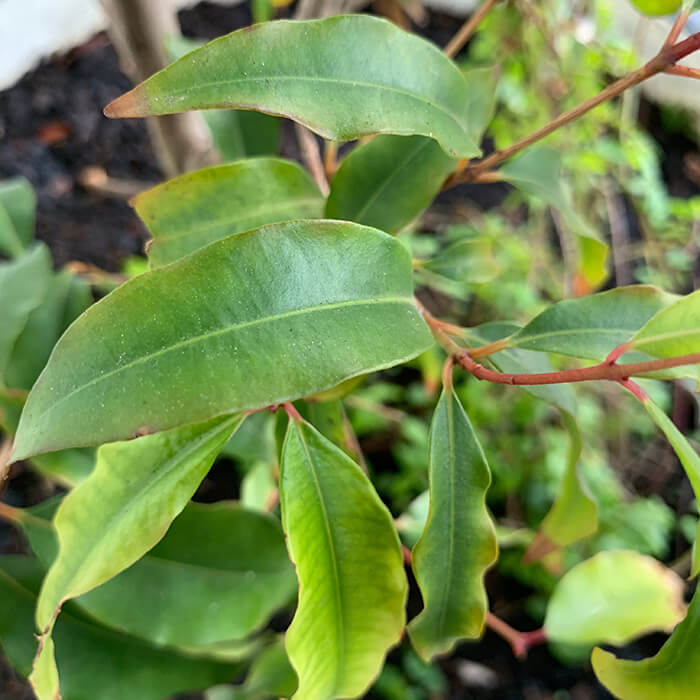
The plant itself is visually appealing, boasting glossy, dark green, lance-shaped leaves that are soft to the touch. When crushed, these leaves release their intoxicating fragrance, a preview of the delights to come. Anise Myrtle typically produces small, creamy-white flowers that can be followed by small, dark purple berries, though the primary value lies in its aromatic foliage. It can grow into a substantial tree in its natural habitat, but in cultivation, it is often managed as a smaller shrub or a clipped hedge, making it adaptable to various garden sizes and styles.
Why Choose Anise Myrtle? The Multifaceted Appeal
The allure of Anise Myrtle is undeniable, stemming from its diverse applications:
- Culinary Marvel: This is where Anise Myrtle truly shines. The leaves can be used fresh or dried to impart their unique flavor to a wide array of dishes. From sweet to savory, its anise-like notes add an unexpected depth and sophistication. Imagine infusing your baked goods, desserts, marinades, and even beverages with its distinctive aroma. It’s a secret ingredient waiting to be discovered by the adventurous home cook.
- Aromatic Wonder: Beyond the kitchen, Anise Myrtle is a treat for the senses. Its fragrance can transform your garden into an aromatic oasis. The crushed leaves release a refreshing and calming scent, making it ideal for pathways, near seating areas, or even as a fragrant hedge. It’s also a popular addition to potpourri and homemade soaps and candles.
- Medicinal and Wellness Properties: Traditionally, Anise Myrtle has been used by Indigenous Australians for its medicinal properties, particularly for respiratory ailments and as an antiseptic. While scientific research is ongoing, its essential oils are known to possess antimicrobial and anti-inflammatory properties.
- Ornamental Beauty: With its glossy foliage and graceful form, Anise Myrtle is an attractive addition to any garden landscape. It can be grown in pots, borders, or as a specimen plant, adding a touch of the exotic to your outdoor space.
- Drought Tolerance and Adaptability: Once established, Anise Myrtle is relatively drought-tolerant and can adapt to a range of soil conditions, making it a resilient choice for many gardeners.
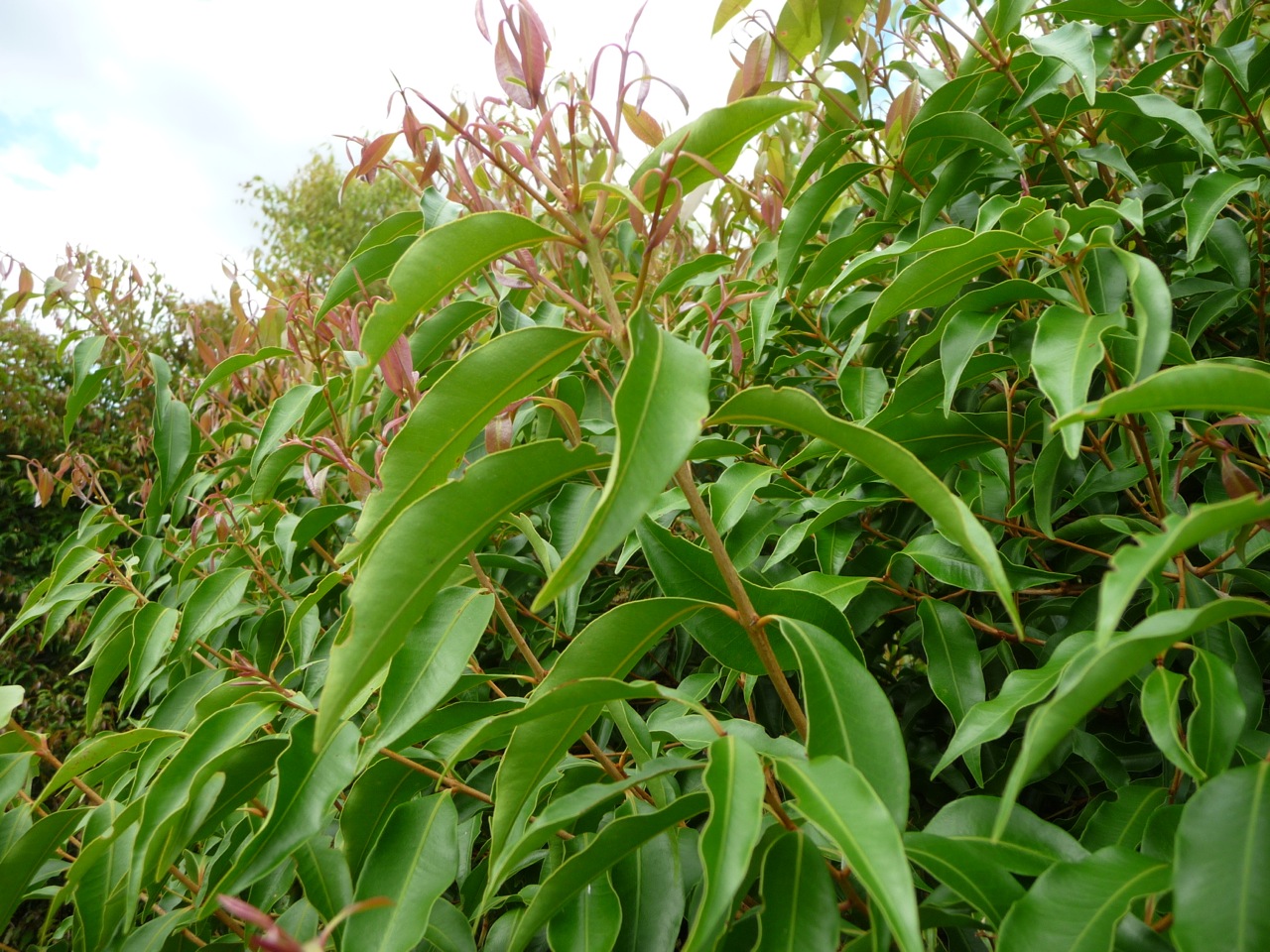
Where to Find Anise Myrtle Plants for Sale
The increasing popularity of Anise Myrtle means that opportunities to purchase these delightful plants are becoming more accessible. Here’s where you might find them:
- Specialty Nurseries: Look for nurseries that specialize in Australian native plants or culinary herbs. These establishments are more likely to stock Anise Myrtle and have knowledgeable staff who can offer advice on cultivation.
- Online Plant Retailers: Many reputable online plant stores now offer a wide selection of Anise Myrtle plants, often in various sizes. This is a convenient option, allowing you to browse and purchase from the comfort of your home. Ensure you buy from a trusted source with good reviews and a reliable shipping process.
- Botanical Gardens and Plant Fairs: Occasionally, botanical gardens or local plant fairs will have Anise Myrtle available, often as part of their fundraising efforts or to promote native flora.
- Local Garden Centers: While less common, some larger or more progressive local garden centers may carry Anise Myrtle, especially during peak planting seasons.
Tips for Purchasing Your Anise Myrtle Plant:
When selecting your Anise Myrtle plant, keep these tips in mind:
- Health and Vigor: Look for plants with healthy, green foliage, free from pests or diseases. The stems should be firm and the roots well-established in the pot.
- Size: Plants are typically available in various pot sizes, from small starter plants to larger specimens. Consider your available space and your desired growth rate when making your selection.
- Origin and Cultivar: While Syzygium anisatum is the primary species, there might be different cultivars with subtle variations in aroma or growth habit. Inquire if you have specific preferences.
- Care Instructions: Always ask for or research the specific care requirements for Anise Myrtle in your region. This will include information on sunlight, watering, soil, and any necessary pruning.
Cultivating Your Anise Myrtle: Bringing the Flavor Home
Once you’ve acquired your Anise Myrtle plant, nurturing it to thrive is a rewarding experience. Here are some general guidelines:
- Sunlight: Anise Myrtle generally prefers full sun to partial shade. In hotter climates, some afternoon shade can be beneficial.
- Soil: It thrives in well-draining soil. A slightly acidic to neutral pH is ideal. Amending heavy clay soils with organic matter will improve drainage.
- Watering: Water regularly, especially during the establishment phase and dry periods. Allow the soil to dry out slightly between waterings. Once established, it can tolerate some drought.
- Fertilizing: Feed with a balanced, slow-release fertilizer in spring and summer.
- Pruning: Pruning is essential for maintaining shape, encouraging bushier growth, and harvesting leaves. Prune after flowering or during the growing season.
- Pest and Disease: Anise Myrtle is generally resistant to pests and diseases, but keep an eye out for common garden issues and address them promptly.
Unlocking the Culinary Potential: Anise Myrtle Recipes
The true magic of Anise Myrtle lies in its ability to elevate your culinary creations. Here are a few recipe ideas to get you started:
1. Anise Myrtle Infused Simple Syrup
This versatile syrup can be used in cocktails, mocktails, iced teas, drizzled over desserts, or used as a base for salad dressings.
Ingredients:
- 1 cup water
- 1 cup granulated sugar
- 1/4 cup fresh Anise Myrtle leaves (lightly bruised)
Instructions:
- In a small saucepan, combine water and sugar.
- Heat over medium heat, stirring until the sugar is completely dissolved.
- Add the bruised Anise Myrtle leaves to the syrup.
- Remove from heat, cover, and let steep for at least 30 minutes, or longer for a more intense flavor.
- Strain the syrup through a fine-mesh sieve, discarding the leaves.
- Pour the syrup into a clean, airtight bottle or jar. Store in the refrigerator for up to 2 weeks.
2. Anise Myrtle Chicken or Fish Marinade
The subtle anise notes complement poultry and seafood beautifully.
Ingredients:
- 1/4 cup olive oil
- 2 tablespoons lemon juice
- 1 tablespoon soy sauce (or tamari for gluten-free)
- 1 teaspoon honey or maple syrup
- 1 clove garlic, minced
- 1 teaspoon grated fresh ginger
- 2 tablespoons finely chopped fresh Anise Myrtle leaves
Instructions:
- In a bowl, whisk together olive oil, lemon juice, soy sauce, honey, minced garlic, and grated ginger.
- Stir in the finely chopped Anise Myrtle leaves.
- Place chicken pieces or fish fillets in a resealable bag or shallow dish.
- Pour the marinade over the chicken or fish, ensuring it’s well coated.
- Marinate in the refrigerator for at least 30 minutes, or up to 2 hours for fish, and up to 4 hours for chicken.
- Cook as desired (grill, bake, or pan-fry).
3. Anise Myrtle Baked Goods (Cookies or Muffins)
Add a unique twist to your favorite cookie or muffin recipes.
Method:
- When making cookies or muffins, add 1-2 tablespoons of finely chopped fresh Anise Myrtle leaves to your dry ingredients. Alternatively, you can infuse the milk or butter for your recipe with Anise Myrtle leaves (heat gently, steep, then strain before using).
- Start with a small amount and adjust to your preference, as the flavor can be quite pronounced.
4. Anise Myrtle Infused Cream or Custard
A sophisticated way to add a delicate anise aroma to desserts.
Method:
- Gently heat cream or milk for your custard or panna cotta recipe.
- Add a small handful of fresh Anise Myrtle leaves (lightly bruised).
- Let it steep off the heat for 15-30 minutes, depending on how strong you want the flavor.
- Strain the liquid thoroughly before proceeding with your recipe.
5. Anise Myrtle Tea
A soothing and aromatic herbal tea.
Ingredients:
- 1 teaspoon dried Anise Myrtle leaves (or 2-3 fresh leaves)
- 1 cup hot water
Instructions:
- Place dried or fresh Anise Myrtle leaves in a mug or teapot.
- Pour hot (not boiling) water over the leaves.
- Let steep for 5-10 minutes.
- Strain and enjoy. You can add honey or a slice of lemon if desired.
A Worthwhile Investment for Your Garden and Kitchen
Purchasing Anise Myrtle plants is an investment in a plant that offers continuous rewards. From its enchanting fragrance that perfumes your garden to its ability to transform your culinary creations, this Australian native is a true gem. As you explore the world of Anise Myrtle, you’ll discover a plant that is not only beautiful and resilient but also a delightful source of unique flavors and aromas. Don’t miss the opportunity to bring this aromatic treasure into your home and garden – your senses will thank you!


