
The Salty Jewel of the Coast: Discovering and Cultivating Samphire (Salicornia)
For centuries, the wild, salty tang of samphire has graced the tables of coastal communities and discerning diners alike. This remarkable succulent, often found clinging tenaciously to salt marshes and tidal flats, is more than just a culinary curiosity; it’s a testament to nature’s ingenuity and a delightful addition to any garden or kitchen. As interest in unique, sustainable, and flavorful ingredients continues to grow, the availability of samphire plants for sale has made this coastal gem accessible to a wider audience. This article delves into the world of samphire, exploring its fascinating characteristics, its culinary appeal, how to grow it, and where to find plants for sale, culminating in a selection of delicious recipes to inspire your samphire journey.
What is Samphire? A Botanical and Culinary Introduction
Samphire, scientifically known as Salicornia (a genus of plants in the family Amaranthaceae), is colloquially referred to by various names, including sea beans, sea asparagus, marsh samphire, or glasswort. The name "samphire" itself is believed to derive from the French "herbe de Saint-Pierre," meaning "St. Peter’s herb," a nod to its maritime origins.
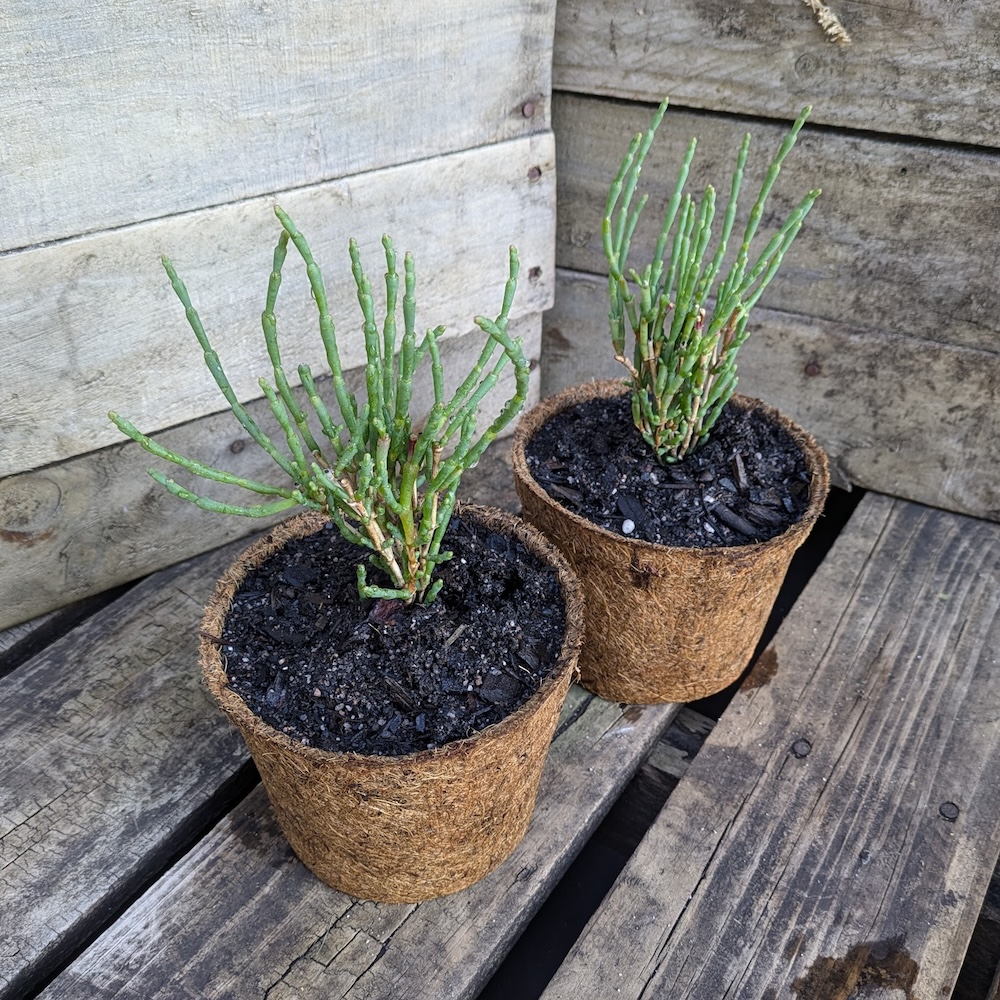
These resilient plants are halophytes, meaning they are adapted to thrive in saline environments. Their distinctive appearance features segmented, fleshy stems that are a vibrant green, often tinged with red or orange as they mature, especially in cooler weather. They lack true leaves, instead absorbing nutrients and moisture directly through their succulent stems. This unique morphology allows them to withstand the constant ebb and flow of tides and the high salt concentrations of their natural habitat.
From a culinary perspective, samphire offers a crisp, slightly salty, and refreshing flavor profile. It’s often described as having notes of cucumber, sea brine, and a hint of citrus. This distinctive taste makes it a perfect accompaniment to seafood, a vibrant addition to salads, or even a surprisingly delicious standalone vegetable. Its natural saltiness means it often requires little to no added salt during cooking, making it an attractive option for those looking to reduce their sodium intake.
The Allure of Growing Your Own Samphire
The increasing availability of samphire plants for sale has opened up exciting possibilities for home gardeners. Growing your own samphire is a rewarding endeavor, offering a consistent supply of this unique ingredient and a connection to the natural world.
Benefits of Homegrown Samphire:
- Unparalleled Freshness: There’s nothing quite like harvesting samphire just moments before it hits your plate. The flavor is at its peak, vibrant and pure.
- Sustainability: Growing your own reduces food miles and packaging waste associated with commercially sourced produce.
- Unique Garden Feature: Samphire’s unusual appearance and tolerance for challenging conditions make it an interesting and eye-catching addition to a garden, particularly in coastal or saline areas.
- Low Maintenance: Once established, samphire is remarkably low maintenance, requiring minimal attention.
- Cost-Effective: While purchasing plants initially incurs a cost, a well-established patch can provide a generous harvest for years to come.

Cultivating Your Coastal Treasure: A Guide to Growing Samphire
Samphire is surprisingly adaptable, and with a few key considerations, you can successfully cultivate it in your own garden.
Ideal Conditions:
- Sunlight: Samphire thrives in full sun. Aim for a location that receives at least six hours of direct sunlight per day.
- Soil: The most crucial element is well-drained soil with a good amount of salt. While samphire naturally grows in saline environments, you don’t need to create an overtly salty garden. Adding coarse sand and compost to your soil will improve drainage. For those with less saline soil, you can introduce salt by watering with a mild saltwater solution (approximately one tablespoon of sea salt per gallon of water) occasionally, especially during the establishment phase. However, avoid over-salting, which can harm other plants.
- Location: Coastal gardens are naturally suited to samphire. However, it can also be grown in containers on patios or balconies, provided it receives ample sun. For those living inland, consider placing containers near the coast or incorporating a saline element into their watering regime.
- Watering: While samphire is drought-tolerant once established, it appreciates consistent moisture, especially during hot, dry periods. Water deeply but infrequently, allowing the soil to dry out slightly between waterings. Avoid waterlogging, as this can lead to root rot.
Planting and Care:
- Sourcing Plants: Look for healthy samphire plants from reputable nurseries or online horticultural suppliers. They are often sold as small plants or plugs.
- Planting: Space plants about 12-18 inches apart to allow for growth. Dig a hole slightly larger than the root ball and plant the samphire at the same depth it was in its original container. Water thoroughly after planting.
- Fertilizing: Samphire generally does not require much fertilization. The nutrients from the soil and the saline environment are usually sufficient. Over-fertilizing can lead to lush, but less flavorful, growth.
- Pruning: You can prune samphire to encourage bushier growth and to harvest. Trim stems back to about an inch from the base. This can be done throughout the growing season.
- Overwintering: In colder climates, samphire may die back to the ground in winter but will usually regrow in spring. You can also mulch around the base to offer some protection. In very harsh winters, consider lifting plants and overwintering them in a cool, frost-free environment.
Harvesting Your Bounty:
Samphire is typically harvested from late spring through autumn. Look for young, tender stems that are crisp and vibrant green. Using clean secateurs or scissors, cut the stems just above a joint. Avoid harvesting more than two-thirds of the plant at any one time to allow it to recover and continue producing.
Where to Find Samphire Plants for Sale:
The increasing popularity of samphire has made it more accessible than ever. Here are some common places to find samphire plants for sale:
- Specialty Nurseries: Many nurseries that focus on native plants, coastal flora, or edible landscaping will carry samphire.
- Online Horticultural Suppliers: Numerous reputable online retailers specialize in plants and seeds. Searching for "Salicornia plants for sale" or "sea beans plants" online will yield many results. Look for suppliers with good reviews and clear descriptions of their plants.
- Garden Centers (Seasonal): During the spring and summer months, larger garden centers may also stock samphire plants, especially those with a dedicated section for edible or unusual plants.
- Coastal Farmers’ Markets: If you live near the coast, you might find samphire plants being sold by local growers at farmers’ markets.
- Seed Suppliers: While less common for immediate planting, you can also find samphire seeds for sale if you are patient and enjoy starting plants from scratch.
When purchasing plants, look for healthy, vibrant specimens with no signs of wilting or disease. Ensure the roots are well-developed and not pot-bound.
A Taste of the Sea: Delicious Samphire Recipes
Once you have your fresh samphire, the culinary possibilities are endless. Here are a few recipes to get you started, showcasing the versatility of this unique ingredient:
Recipe 1: Simply Steamed Samphire with Lemon and Butter
This is the classic and arguably the best way to appreciate samphire’s pure, unadulterated flavor.
Yields: 2 servings
Prep time: 5 minutes
Cook time: 5-7 minutes
Ingredients:
- 200g fresh samphire, washed and tough woody bases trimmed
- 1 tablespoon unsalted butter
- 1/2 lemon, cut into wedges
Instructions:
- Prepare the Samphire: Thoroughly wash the samphire under cold running water to remove any sand or grit. Trim off any thick, woody bases.
- Steam the Samphire: Bring about an inch of water to a boil in a pot fitted with a steamer basket. Add the samphire to the steamer basket, cover, and steam for 5-7 minutes, or until the samphire is tender-crisp and bright green. It should still have a slight bite.
- Melt the Butter: While the samphire is steaming, melt the butter in a small saucepan over low heat.
- Serve: Transfer the steamed samphire to a serving dish. Drizzle with the melted butter and serve immediately with lemon wedges for squeezing over.
Recipe 2: Pan-Seared Scallops with Samphire and Garlic
The natural saltiness of samphire perfectly complements the sweetness of pan-seared scallops.
Yields: 2 servings
Prep time: 10 minutes
Cook time: 8-10 minutes
Ingredients:
- 8-10 large sea scallops, patted dry
- 1 tablespoon olive oil
- 1 tablespoon unsalted butter
- 2 cloves garlic, thinly sliced
- 150g fresh samphire, washed and tough woody bases trimmed
- Salt and freshly ground black pepper to taste (use salt sparingly, as samphire is salty)
- 1/2 lemon, juiced
Instructions:
- Prepare the Scallops: Ensure the scallops are completely dry. This is crucial for achieving a good sear. Season lightly with pepper (avoid salt initially).
- Sear the Scallops: Heat the olive oil and butter in a large skillet over medium-high heat until the butter is melted and shimmering. Add the scallops in a single layer, ensuring not to overcrowd the pan. Sear for 2-3 minutes per side, until golden brown and cooked through. Remove scallops from the pan and set aside.
- Sauté Garlic and Samphire: Add the sliced garlic to the same skillet and sauté for about 30 seconds until fragrant. Add the prepared samphire and sauté for 2-3 minutes until tender-crisp.
- Deglaze and Finish: Add the lemon juice to the pan and scrape up any browned bits from the bottom. Return the scallops to the pan for about 30 seconds to warm through.
- Serve: Arrange the scallops on plates, spoon the samphire and garlic mixture over them, and serve immediately.
Recipe 3: Samphire and Potato Salad with a Dill Vinaigrette
A refreshing and flavorful salad that’s a delightful twist on a classic.
Yields: 4 servings
Prep time: 15 minutes
Cook time: 20 minutes
Ingredients:
- 500g small new potatoes, scrubbed and halved or quartered
- 150g fresh samphire, washed and tough woody bases trimmed
- 1/4 red onion, finely diced
- 2 tablespoons fresh dill, chopped
- 2 tablespoons fresh parsley, chopped
For the Vinaigrette:
- 3 tablespoons olive oil
- 1 tablespoon white wine vinegar or lemon juice
- 1 teaspoon Dijon mustard
- 1/2 teaspoon honey or maple syrup (optional, to balance saltiness)
- Salt and freshly ground black pepper to taste
Instructions:
- Boil the Potatoes: Place the potatoes in a pot of cold, salted water. Bring to a boil and cook for 15-20 minutes, or until tender when pierced with a fork. Drain and let cool slightly.
- Blanch the Samphire: While the potatoes are cooking, bring a small pot of water to a boil. Add the samphire and blanch for 1-2 minutes. Drain immediately and rinse with cold water to stop the cooking process. This will help retain its vibrant color and crispness.
- Prepare the Vinaigrette: In a small bowl, whisk together the olive oil, vinegar or lemon juice, Dijon mustard, honey (if using), salt, and pepper.
- Assemble the Salad: In a large bowl, combine the slightly cooled potatoes, blanched samphire, diced red onion, chopped dill, and chopped parsley.
- Dress the Salad: Pour the vinaigrette over the salad and gently toss to combine. Taste and adjust seasoning if necessary, remembering the samphire’s natural saltiness.
- Serve: Serve the samphire and potato salad warm or at room temperature.
Conclusion:
The journey from the salty embrace of the coast to your plate is a short and delicious one when you discover the joys of samphire. With its unique flavor, resilience, and growing accessibility through plants for sale, this remarkable sea vegetable offers a rewarding experience for gardeners and food enthusiasts alike. Whether you’re cultivating your own patch of this salty jewel or experimenting with its distinctive taste in your kitchen, samphire is sure to add a touch of coastal magic to your life. So, embrace the brine, explore the recipes, and savor the unforgettable flavor of samphire.


