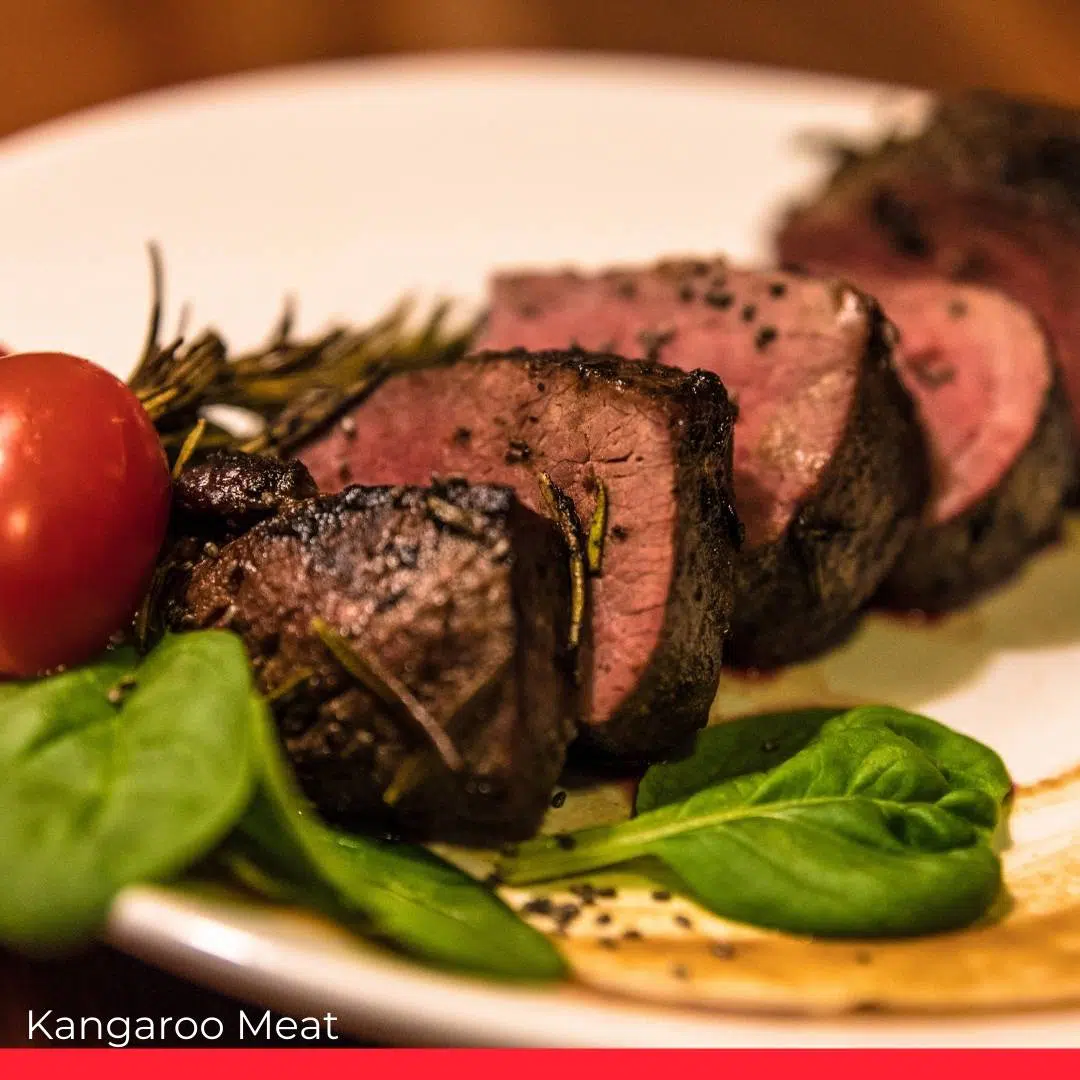
The Art of the Wild: Mastering Kangaroo Meat Cooking Temperatures
Kangaroo meat, a lean and flavorful red meat, is a unique culinary offering that has been a staple in Australia for millennia. Increasingly, it’s gaining recognition on the global stage for its sustainability, health benefits, and distinctive taste. However, like many game meats, kangaroo requires a nuanced approach to cooking to unlock its full potential. One of the most critical factors in achieving a delicious and tender result is understanding and adhering to the correct cooking temperatures. This article delves into the science and art of cooking kangaroo meat, focusing on internal temperatures to ensure a perfect culinary experience.
Why Internal Temperature Matters for Kangaroo
Kangaroo meat is remarkably lean. This leanness, while contributing to its health appeal (lower in fat and cholesterol than many traditional meats), also means it can dry out and become tough if overcooked. Unlike more marbled cuts of beef or lamb, where fat renders and bastes the meat, kangaroo relies on precise cooking to retain moisture and tenderness.

The internal temperature of the meat acts as the ultimate indicator of its doneness. It tells you not just when the meat is cooked through, but also the stage of tenderness and juiciness you’re aiming for. Overlooking this crucial detail can transform a potentially exquisite meal into a chewy disappointment.
Understanding Kangaroo Meat’s Unique Characteristics
Before diving into temperatures, it’s essential to appreciate what makes kangaroo meat distinct:
- Lean Composition: As mentioned, this is its defining characteristic. It has very little intramuscular fat.
- Rich, Gamey Flavor: Kangaroo possesses a distinct, earthy, and slightly gamey flavor profile. This can range from mild to more pronounced depending on the cut and the animal’s diet.
- Dense Muscle Structure: The muscles of a kangaroo are well-developed due to its active lifestyle. This means the muscle fibers are tighter, requiring careful cooking to break them down.
- Variability by Cut: Just like other animals, different cuts of kangaroo will have varying levels of tenderness and flavor intensity. Steaks (like the rump or tenderloin) are best cooked quickly and served rare to medium-rare, while tougher cuts may benefit from slower cooking methods, though still with careful temperature control.
The Golden Rule: Cook Kangaroo to Rare or Medium-Rare
For the vast majority of kangaroo cuts, especially steaks, the cardinal rule is to cook them to rare or medium-rare. This is where the meat is at its most tender, moist, and flavorful.
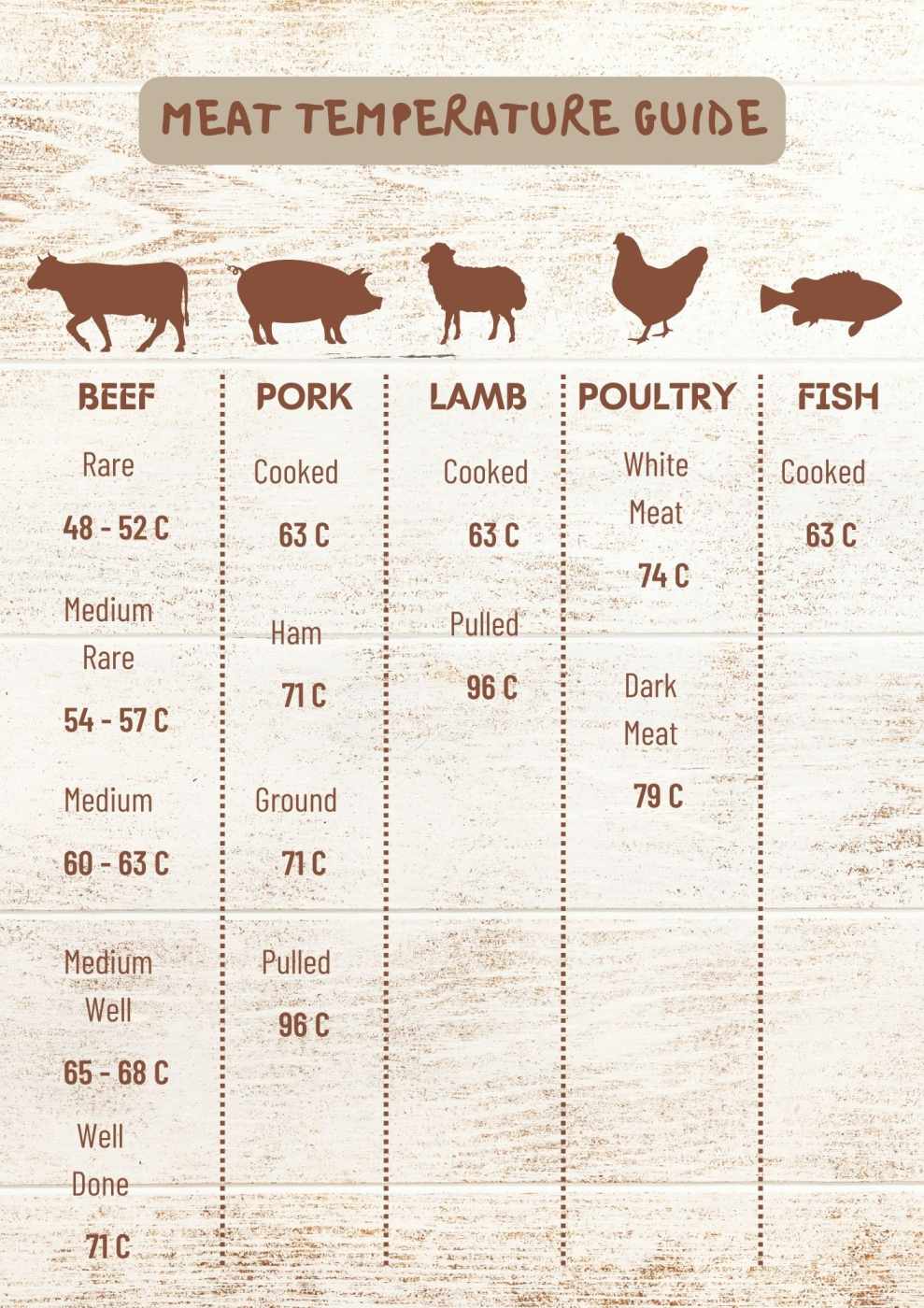
Here’s a breakdown of target internal temperatures, with a reliable meat thermometer being your indispensable tool:
- Rare: 50-55°C (122-131°F)
- Characteristics: Deep red center, very moist, extremely tender. This is the preferred temperature for many connoisseurs of kangaroo. The meat will still have a slight "give" when pressed.
- Medium-Rare: 55-60°C (131-140°F)
- Characteristics: Red to pinkish-red center, still very moist and tender, with a slightly firmer texture than rare. This is an excellent and widely accepted doneness level for kangaroo.
- Medium: 60-65°C (140-149°F)
- Characteristics: Pink center, less moist than medium-rare, texture begins to firm up. While still edible, the meat starts to lose its optimal tenderness and juiciness.
- Medium-Well: 65-70°C (149-158°F)
- Characteristics: Light pink to slightly brown center, noticeably drier and firmer. This is generally considered overcooked for most kangaroo steaks.
- Well-Done: 70°C+ (158°F+)
- Characteristics: Brown throughout, dry, and tough. Avoid cooking kangaroo to well-done at all costs.
Important Considerations:
- Resting is Crucial: After cooking to your desired temperature, it is absolutely vital to let the kangaroo meat rest. Tent it loosely with foil for at least 5-10 minutes (longer for larger cuts). During resting, the juices will redistribute throughout the meat, making it more tender and succulent. The internal temperature will also rise by a few degrees during this resting period, so account for this when pulling the meat from the heat.
- Carry-Over Cooking: Be mindful of carry-over cooking. The meat continues to cook after being removed from the heat source. For kangaroo, it’s best to pull it from the heat a few degrees below your target final temperature.
- Meat Thermometer Accuracy: Invest in a good quality digital meat thermometer. Instant-read thermometers are ideal for quickly checking the internal temperature of kangaroo steaks.
- Cut of Meat: These temperatures primarily apply to kangaroo steaks and fillets. If you are slow-cooking tougher cuts (like shanks or roasts, though less common for kangaroo), the target temperatures might be higher to break down connective tissues, but the principle of not overcooking to dryness still applies. However, the lean nature makes slow-cooking tricky.
Cooking Methods and Temperature Management
The cooking method you choose will influence how you achieve the desired internal temperature.
- Pan-Searing/Grilling (for Steaks and Fillets): This is the most common and effective method for tender kangaroo cuts.
- High Heat is Key: Sear the kangaroo over high heat for a short period on each side. This creates a beautiful crust while allowing the inside to cook quickly to the desired temperature.
- Timing: This will vary depending on the thickness of the steak, but a general guideline for a 2-3 cm thick steak to reach medium-rare might be 2-4 minutes per side. Always use a thermometer to confirm.
- Roasting (Less Common for Tender Cuts): If roasting a larger piece, ensure your oven is at a moderate to high temperature (around 200-220°C or 400-430°F) to achieve a quick cook and minimize moisture loss. Use a meat thermometer to monitor the internal temperature diligently.
- Marinating: Marinades can add flavor and a touch of moisture to kangaroo. Acidic ingredients like lemon juice or vinegar can tenderize the meat slightly, but be cautious not to marinate for too long as it can make the meat mushy.
Recipe Listing: Delicious Ways to Cook Kangaroo
Here are a few recipe ideas that highlight kangaroo’s unique qualities, with an emphasis on achieving the correct internal temperatures.
1. Classic Pan-Seared Kangaroo Steaks with Bush Tomato Relish
This recipe celebrates the natural flavor of kangaroo with a vibrant Australian-inspired relish.
Yields: 2 servings
Prep time: 15 minutes
Cook time: 6-10 minutes
Ingredients:
- 2 Kangaroo steaks (rump or eye of tenderloin), about 2-3 cm thick
- 1 tablespoon olive oil or macadamia nut oil
- Salt and freshly ground black pepper to taste
For the Bush Tomato Relish:
- 1 tablespoon olive oil
- 1 small red onion, finely diced
- 1 clove garlic, minced
- 1/2 cup bush tomatoes (or cherry tomatoes if unavailable), halved
- 1 tablespoon red wine vinegar
- 1 teaspoon honey or native bee honey
- Pinch of chili flakes (optional)
- Fresh native herbs like lemon myrtle or native thyme (optional), finely chopped
Instructions:
- Prepare the Relish: Heat 1 tablespoon of olive oil in a small saucepan over medium heat. Add the red onion and cook until softened, about 5 minutes. Add the garlic and cook for another minute until fragrant.
- Add the bush tomatoes (or cherry tomatoes), red wine vinegar, honey, and chili flakes (if using). Simmer for 5-7 minutes until the tomatoes have softened and the sauce has thickened slightly. Stir in fresh herbs if using. Season with salt and pepper to taste. Set aside.
- Prepare the Kangaroo: Pat the kangaroo steaks dry with paper towels. Season generously with salt and freshly ground black pepper.
- Sear the Kangaroo: Heat 1 tablespoon of olive oil in a heavy-based skillet or cast-iron pan over high heat until shimmering.
- Carefully place the kangaroo steaks in the hot pan. Sear for 2-4 minutes per side for medium-rare, or 3-5 minutes per side for medium. Use a meat thermometer to check for your desired internal temperature (aim for 55-60°C for medium-rare).
- Rest: Remove the steaks from the pan and place them on a clean plate or cutting board. Tent loosely with foil and let rest for 5-10 minutes.
- Serve: Slice the kangaroo steaks against the grain. Serve immediately with a generous spoonful of the bush tomato relish.
2. Kangaroo Loin Medallions with Native Pepperberry Crust
This recipe uses the subtle heat of native pepperberries to complement the kangaroo.
Yields: 2 servings
Prep time: 15 minutes
Cook time: 8-12 minutes
Ingredients:
- 2 Kangaroo loin fillets (about 1.5-2 cm thick)
- 1 tablespoon olive oil
- Salt and freshly ground black pepper
For the Pepperberry Crust:
- 1 tablespoon native pepperberries, lightly crushed (or substitute with a mix of black peppercorns and a tiny pinch of allspice)
- 1 tablespoon finely chopped macadamia nuts
- 1 teaspoon dried native thyme or regular thyme
Instructions:
- Prepare the Crust: In a small bowl, combine the crushed pepperberries, chopped macadamia nuts, and thyme.
- Prepare the Kangaroo: Pat the kangaroo loin fillets dry with paper towels. Season lightly with salt.
- Crust the Kangaroo: Gently press the pepperberry mixture onto both sides of each kangaroo fillet, ensuring an even coating.
- Sear the Kangaroo: Heat the olive oil in a skillet over medium-high heat until shimmering.
- Carefully place the crusted kangaroo fillets in the hot pan. Sear for 3-5 minutes per side, depending on thickness, for medium-rare (aim for 55-60°C internal temperature).
- Rest: Remove the fillets from the pan, tent with foil, and let rest for 5-8 minutes.
- Serve: Slice the medallions and serve immediately.
3. Kangaroo Sausage with Caramelized Onions and Mustard Jus
While less common for cooking to precise internal temperatures like steaks, sausages still benefit from not being overcooked to dryness.
Yields: 4 servings
Prep time: 10 minutes
Cook time: 20-25 minutes
Ingredients:
- 4 Kangaroo sausages (ensure they are good quality and made with lean kangaroo meat)
- 1 tablespoon olive oil
- 2 large red onions, thinly sliced
- 1/4 cup red wine
- 1 tablespoon Dijon mustard
- 1/2 cup beef or vegetable stock
- Fresh parsley, chopped, for garnish
Instructions:
- Caramelize Onions: Heat the olive oil in a skillet over medium-low heat. Add the sliced red onions and cook slowly for 15-20 minutes, stirring occasionally, until deeply caramelized and sweet.
- Cook Sausages: While the onions are caramelizing, heat a separate skillet or grill pan over medium heat. Add the kangaroo sausages and cook, turning regularly, for about 10-15 minutes, or until browned and cooked through. The internal temperature should reach approximately 71°C (160°F) for sausages, but aim to pull them before they look dry.
- Make Jus: Once the onions are caramelized, push them to one side of the pan. Deglaze the pan with the red wine, scraping up any browned bits. Let the wine bubble and reduce for a minute.
- Stir in the Dijon mustard and beef stock. Simmer gently for 2-3 minutes until the sauce thickens slightly. Season with salt and pepper to taste.
- Serve: Place the cooked kangaroo sausages on plates. Spoon the caramelized onions and mustard jus over them. Garnish with fresh parsley.
Conclusion
Kangaroo meat offers a sustainable, healthy, and delicious alternative to conventional meats. By understanding and mastering the importance of cooking temperatures, particularly for steaks and fillets, you can transform this wild ingredient into a truly exceptional dining experience. Always remember that lean meats like kangaroo are best enjoyed rare to medium-rare, and a reliable meat thermometer is your most valuable tool in achieving this delicate balance of flavor and tenderness. Embrace the wild, experiment with Australian flavors, and savor the unique taste of kangaroo meat cooked to perfection.


