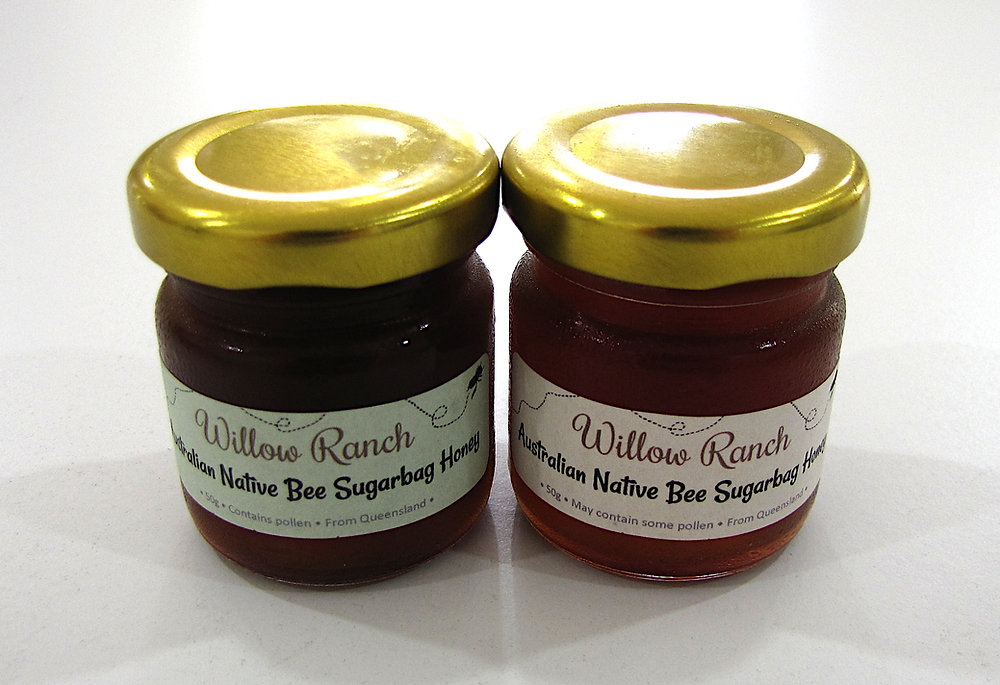
The Elixir of the Outback: Unveiling the Health Benefits of Sugarbag Honey
For millennia, indigenous communities across Australia have revered a liquid gold far more precious than any mined treasure: sugarbag honey. Produced by tiny, stingless native bees (genus Tetragonula and Austroplebeia), this unadulterated nectar is not just a sweetener; it’s a potent elixir imbued with a rich tapestry of health benefits. Unlike its more commercially prevalent counterpart, honey from the European honeybee (Apis mellifera), sugarbag honey boasts a unique composition shaped by the diverse flora of the Australian landscape and the specialized foraging habits of its minuscule producers.
The name "sugarbag" itself hints at its preciousness and desirability, a term used by Indigenous Australians for the hives, often found in hollow logs or tree cavities, containing this remarkable honey. Its taste is often described as tart, tangy, and intensely floral, a stark contrast to the milder sweetness of many commercial honeys. This distinctive flavor profile is a direct reflection of the diverse nectar sources, ranging from wildflowers and eucalyptus blossoms to native shrubs and trees, each contributing its own unique blend of phytochemicals and nutrients.
Beyond its captivating taste, the true magic of sugarbag honey lies in its profound health-promoting properties. Extensive traditional knowledge, coupled with growing scientific research, is now illuminating the reasons behind its long-held esteem.

A Nutritional Powerhouse: Decoding the Composition
Sugarbag honey is a complex matrix of natural compounds, far exceeding simple sugars. While fructose and glucose remain its primary energy sources, its nutritional significance stems from a wealth of other constituents:
- Enzymes: Like all raw honeys, sugarbag honey is rich in enzymes such as diastase, invertase, and glucose oxidase. These enzymes play a crucial role in the honey’s antibacterial properties and aid in its digestive benefits.
- Vitamins and Minerals: While not a primary source, sugarbag honey contains trace amounts of essential vitamins and minerals, including B vitamins, potassium, calcium, and magnesium, contributing to overall well-being.
- Antioxidants: This is where sugarbag honey truly shines. It is packed with a diverse array of antioxidants, including phenolic compounds, flavonoids, and organic acids. These potent molecules combat oxidative stress, a cellular damage caused by free radicals, which is implicated in aging and chronic diseases. The specific antioxidant profile varies depending on the floral sources, making each batch a unique health-promoting blend.
- Prebiotics: The oligosaccharides present in sugarbag honey act as prebiotics, feeding beneficial gut bacteria. A healthy gut microbiome is fundamental to digestion, immunity, and even mental health.
- Antimicrobial Agents: The combination of low pH, high sugar concentration, and the presence of hydrogen peroxide produced by glucose oxidase grants sugarbag honey potent antimicrobial properties. This has been recognized and utilized by Indigenous Australians for centuries in wound healing and treating infections.

Unveiling the Health Benefits: A Deeper Dive
The multifaceted composition of sugarbag honey translates into a wide spectrum of health advantages:
1. Potent Antimicrobial and Antibacterial Effects
One of the most celebrated benefits of sugarbag honey is its remarkable ability to combat bacteria and other microbes. The low pH of honey creates an environment unfavorable for bacterial growth, while its high sugar content draws water out of microbial cells through osmosis, effectively dehydrating and killing them. Furthermore, the enzyme glucose oxidase releases small amounts of hydrogen peroxide, a natural antiseptic.
This inherent antimicrobial activity has led to its traditional use in:
- Wound Healing: Applying sugarbag honey to cuts, burns, and abrasions can accelerate healing by preventing infection, reducing inflammation, and promoting tissue regeneration. Its moist environment also helps to prevent scarring.
- Sore Throat Relief: The thick, viscous nature of honey coats the throat, providing a soothing effect and reducing irritation. Its antibacterial properties can also help to combat the underlying infections causing the sore throat.
- Oral Health: Some studies suggest that sugarbag honey may have a role in preventing tooth decay and gum disease due to its antimicrobial action against oral bacteria.
2. Powerful Antioxidant Defense
The rich antioxidant content of sugarbag honey is a significant contributor to its health benefits. Antioxidants neutralize harmful free radicals, which can damage cells and contribute to chronic diseases such as heart disease, cancer, and neurodegenerative disorders.
- Combating Oxidative Stress: Regular consumption of sugarbag honey can help to bolster the body’s defenses against oxidative stress, promoting cellular health and longevity.
- Anti-inflammatory Properties: Many of the phenolic compounds found in sugarbag honey also possess anti-inflammatory properties. Chronic inflammation is a root cause of many diseases, and sugarbag honey may help to mitigate this process.
3. Digestive Health and Gut Support
The pre-biotic properties of sugarbag honey are increasingly recognized for their positive impact on digestive health.
- Nourishing Beneficial Gut Bacteria: By feeding the beneficial bacteria in the gut, sugarbag honey contributes to a balanced gut microbiome. A healthy microbiome is essential for efficient digestion, nutrient absorption, and a robust immune system.
- Relief from Digestive Upset: Traditional use suggests sugarbag honey can alleviate indigestion and stomach discomfort. Its soothing properties and potential antimicrobial action may contribute to this effect.
4. Respiratory Health and Cough Relief
Sugarbag honey has long been a trusted remedy for respiratory ailments.
- Soothes Coughs: Its demulcent properties create a protective layer over the throat, reducing the urge to cough and providing symptomatic relief from both dry and productive coughs.
- Potential for Bronchitis and Asthma: While more research is needed, some traditional uses suggest benefits for more persistent respiratory conditions like bronchitis and asthma, possibly due to its anti-inflammatory and soothing effects.
5. Boosting the Immune System
A healthy gut microbiome, coupled with the antioxidant and antimicrobial properties of sugarbag honey, contributes to a stronger immune system.
- Enhanced Immune Response: By supporting gut health and fighting off pathogens, sugarbag honey can indirectly bolster the body’s ability to defend itself against infections.
6. Potential for Wound and Skin Health
Beyond its internal benefits, sugarbag honey has also been used topically for skin conditions.
- Healing Skin Irritations: Its antimicrobial and anti-inflammatory properties can help to soothe and heal minor skin irritations, eczema, and acne.
- Moisturizing Properties: The humectant nature of honey helps to draw moisture to the skin, keeping it hydrated and supple.
The Importance of Raw and Unprocessed Honey
It is crucial to emphasize that the health benefits of sugarbag honey are most pronounced when it is consumed raw and unprocessed. Pasteurization, a process often used for commercial honeys to extend shelf life and prevent crystallization, can significantly degrade the beneficial enzymes, antioxidants, and antimicrobial compounds. Therefore, seeking out raw, unfiltered sugarbag honey from reputable sources is paramount to unlocking its full therapeutic potential.
Harvesting and Sustainability: A Responsible Approach
The harvest of sugarbag honey is a delicate and often challenging process. Due to the small size of the bees and their often-inaccessible hives, the yield is significantly lower than that of European honeybees. This scarcity, coupled with the labor-intensive harvesting methods, contributes to its higher price point.
It is vital to support ethical and sustainable harvesting practices that prioritize the well-being of the native bee populations. This ensures that these precious pollinators can continue to thrive and produce this invaluable resource for generations to come.
Integrating Sugarbag Honey into Your Diet: Recipes and Uses
While sugarbag honey is a potent medicinal food, it can also be a delightful addition to your culinary repertoire. Its unique flavor profile can elevate both sweet and savory dishes.
Here are some ideas for incorporating sugarbag honey into your diet:
Sweet Applications:
- Morning Boost: Drizzle over Greek yogurt with fresh berries and a sprinkle of nuts for a nutrient-rich breakfast.
- Tea Sweetener: Stir into herbal teas or warm water with lemon for a soothing and invigorating drink.
- Fruity Delights: Drizzle over sliced fruits like apples, pears, or peaches.
- Baked Goods: Use in moderation in cakes, muffins, or cookies to add a unique floral note and natural sweetness. Be mindful of its intense flavor and adjust sweetness accordingly.
- Granola Bars: Incorporate into homemade granola bars for a natural binder and a touch of tanginess.
- Salad Dressings: Whisk into vinaigrettes for a sweet and tangy dressing.
Savory Applications:
- Marinades: Use in marinades for chicken, pork, or fish, adding a subtle sweetness and complex flavor.
- Glazes: Brush onto roasted vegetables or meats during the last few minutes of cooking for a beautiful sheen and delicious caramelized flavor.
- Cheese Pairings: Serve alongside a cheese board, particularly with strong cheeses like cheddar or blue cheese, where its tanginess can cut through the richness.
- Sauces: Incorporate into savory sauces for a touch of sweetness and depth.
Simple Medicinal Preparations:
- Sore Throat Soother: Take a spoonful directly or mix with warm water and lemon juice.
- Wound Care (Traditional): For minor cuts and abrasions, gently clean the wound and apply a thin layer of raw sugarbag honey. Cover with a clean dressing. Always consult a healthcare professional for serious wounds.
- Digestive Aid: Take a teaspoon before meals to support digestion.
Recipe Ideas:
While sugarbag honey’s intense flavor is best appreciated in simpler preparations, here are a few recipe ideas that highlight its unique qualities:
1. Sugarbag Honey & Lemon Drizzle Cake
This cake uses a moderate amount of sugarbag honey to impart a subtle tanginess and floral aroma, complemented by a lemon glaze.
-
Ingredients:
- 1 ½ cups all-purpose flour
- 1 teaspoon baking powder
- ½ teaspoon salt
- ½ cup unsalted butter, softened
- ¾ cup granulated sugar
- 2 large eggs
- 1 teaspoon vanilla extract
- ½ cup milk
- ¼ cup raw sugarbag honey
- Zest of 1 lemon
- For the Glaze:
- 1 cup powdered sugar
- 2-3 tablespoons fresh lemon juice
- 1 tablespoon raw sugarbag honey
-
Instructions:
- Preheat oven to 350°F (175°C). Grease and flour a loaf pan or an 8-inch round cake pan.
- In a medium bowl, whisk together flour, baking powder, and salt.
- In a large bowl, cream together butter and granulated sugar until light and fluffy. Beat in eggs one at a time, then stir in vanilla extract.
- In a small bowl, whisk together milk and sugarbag honey.
- Alternately add the dry ingredients and the milk mixture to the butter mixture, beginning and ending with the dry ingredients. Mix until just combined. Fold in the lemon zest.
- Pour batter into the prepared pan and bake for 30-35 minutes, or until a toothpick inserted into the center comes out clean.
- Let the cake cool in the pan for 10 minutes before inverting it onto a wire rack to cool completely.
- For the Glaze: Whisk together powdered sugar, lemon juice, and sugarbag honey until smooth and drizzling consistency.
- Drizzle the glaze over the cooled cake.
2. Sugarbag Honey Glazed Roasted Root Vegetables
A simple yet elegant side dish that showcases the sweet and tangy notes of sugarbag honey.
-
Ingredients:
- 2 cups mixed root vegetables (carrots, parsnips, sweet potatoes), peeled and cut into bite-sized pieces
- 1 tablespoon olive oil
- Salt and freshly ground black pepper to taste
- 2 tablespoons raw sugarbag honey
- 1 tablespoon fresh thyme leaves (optional)
-
Instructions:
- Preheat oven to 400°F (200°C).
- In a large bowl, toss the root vegetables with olive oil, salt, and pepper. Spread them in a single layer on a baking sheet.
- Roast for 20-25 minutes, or until the vegetables are tender and starting to caramelize.
- In a small bowl, whisk together the sugarbag honey and thyme leaves (if using).
- Drizzle the honey mixture over the roasted vegetables and toss gently to coat.
- Return the vegetables to the oven for another 5-7 minutes, or until the glaze is slightly caramelized. Serve immediately.
3. Soothing Sugarbag Honey & Ginger Tea
A classic remedy for colds and sore throats.
-
Ingredients:
- 1 cup hot water
- 1-2 teaspoons raw sugarbag honey
- 1 teaspoon fresh ginger, grated
- Juice of ½ lemon
-
Instructions:
- Combine hot water, grated ginger, and lemon juice in a mug.
- Stir in the sugarbag honey until dissolved.
- Let it steep for a few minutes before drinking.
Conclusion: A Taste of Ancient Wisdom and Modern Wellness
Sugarbag honey is more than just a natural sweetener; it is a testament to the intricate relationship between nature and health. Its unique composition, shaped by the Australian ecosystem and the diligent work of stingless bees, offers a powerful array of antimicrobial, antioxidant, and digestive benefits. By embracing this "elixir of the outback," we not only indulge in its exquisite flavor but also tap into a rich source of ancient wisdom for modern wellness. As research continues to unveil its secrets, sugarbag honey stands as a compelling example of nature’s profound capacity to heal and nourish.


