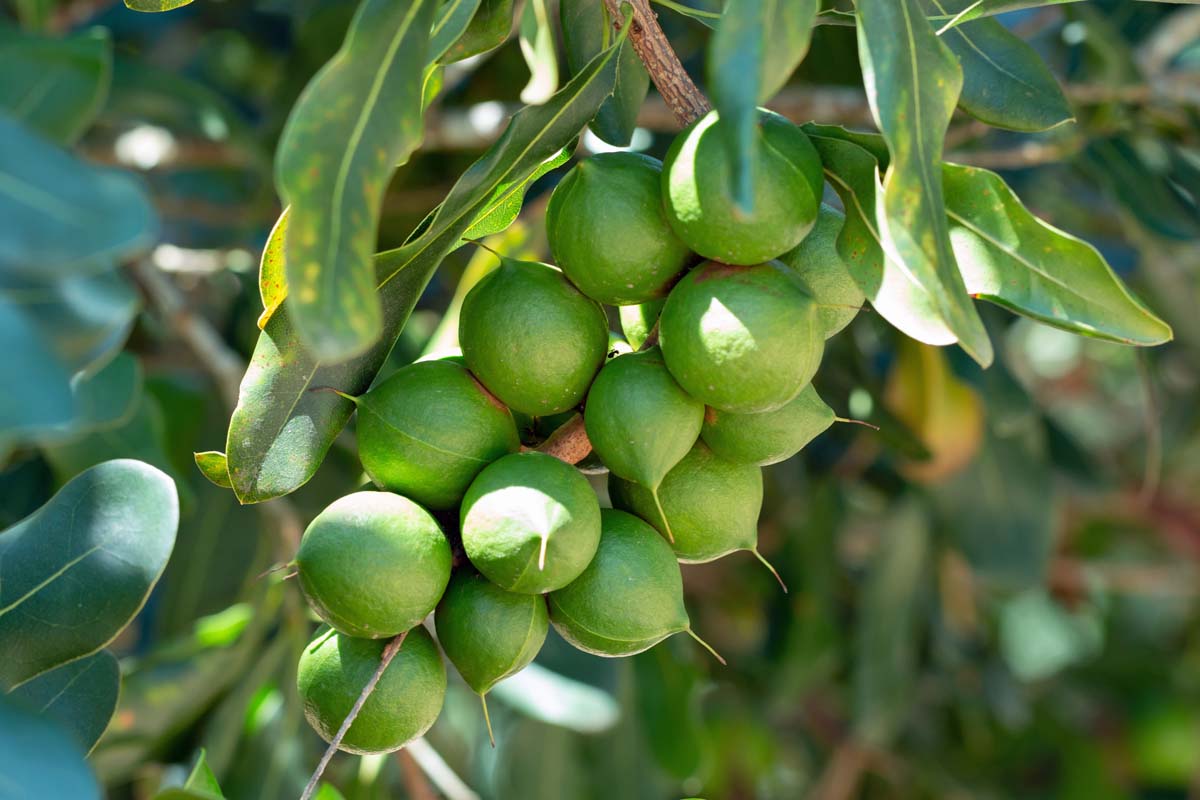
The Queen of Nuts: Cultivating and Caring for Your Macadamia Nut Tree
The macadamia nut, often hailed as the "king of nuts" for its rich, buttery flavor and luxurious texture, originates from the lush rainforests of Australia. While commercially grown in various subtropical regions worldwide, cultivating a macadamia nut tree in your own garden can be a rewarding endeavor, offering not only delicious nuts but also a beautiful, evergreen specimen. However, these trees require specific care and attention to thrive and produce a bountiful harvest. This comprehensive guide will delve into the intricacies of macadamia nut tree care, from selecting the right variety to harvesting and enjoying your homegrown treasures.
1. Choosing the Right Macadamia Variety:
The first step to successful macadamia cultivation is selecting a suitable variety for your climate and goals. Several cultivars exist, each with its own characteristics:
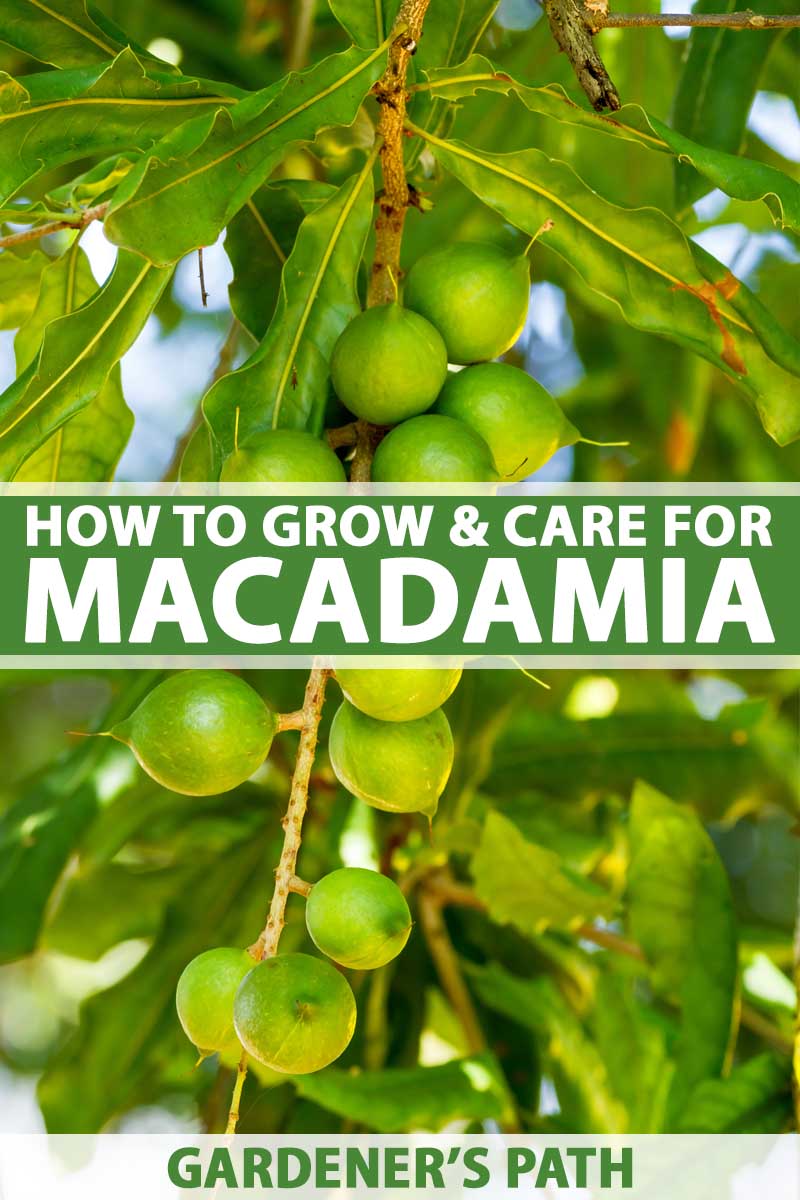
- ‘Hickson’: A popular commercial variety known for its consistent yields and good quality nuts. It’s relatively self-fertile but benefits from cross-pollination.
- ‘Beaumont’: Another widely planted variety, often favored for its earlier maturity and good nut size. It’s also self-fertile.
- ‘Chandler’: Known for its excellent kernel quality and high oil content, making it a premium choice. It generally requires cross-pollination.
- ‘D.C.D.’: A vigorous grower with large nuts, often used in breeding programs.
- ‘Edmak’: A hybrid cultivar that offers good disease resistance and productivity.
When choosing, consider your local climate’s temperature fluctuations, rainfall patterns, and the availability of suitable pollinators if you opt for a cross-pollinating variety. Purchasing grafted trees from reputable nurseries is highly recommended, as it ensures you get a true-to-type variety and a head start on fruit production.

2. Planting Your Macadamia Nut Tree:
Proper planting is crucial for the long-term health and productivity of your macadamia tree.
- Location, Location, Location: Macadamia trees thrive in full sun, requiring at least 6-8 hours of direct sunlight daily. They are also sensitive to strong winds, so choose a sheltered location or provide windbreaks, especially for young trees.
- Soil Requirements: These trees prefer well-draining, slightly acidic soil (pH 5.5-6.5). Heavy clay soils can lead to root rot, so amend them with organic matter like compost or well-rotted manure to improve drainage and aeration. Avoid waterlogged areas.
- Planting Depth: Dig a hole that is twice as wide and as deep as the root ball. Gently remove the tree from its container, taking care not to damage the roots. Place the tree in the hole so that the top of the root ball is level with the surrounding soil. Backfill the hole with the original soil, gently firming it to eliminate air pockets.
- Watering: Water thoroughly immediately after planting to settle the soil.
- Mulching: Apply a generous layer of organic mulch (wood chips, straw, or shredded bark) around the base of the tree, keeping it a few inches away from the trunk to prevent rot. Mulch helps retain moisture, suppress weeds, and regulate soil temperature.
3. Watering and Irrigation:
Consistent moisture is vital for macadamia trees, especially during their establishment phase and when nuts are developing.
- Young Trees: Water deeply and regularly, ensuring the soil remains consistently moist but not waterlogged. This might mean watering 2-3 times a week during dry periods.
- Mature Trees: Once established, macadamia trees are more drought-tolerant but still benefit from regular watering during dry spells, particularly from flowering through nut development. Aim for deep watering that reaches the root zone, rather than frequent shallow watering.
- Monitoring Soil Moisture: The best way to determine when to water is to check the soil moisture a few inches below the surface. If it feels dry, it’s time to water. Overwatering can be just as detrimental as underwatering, leading to root rot.
4. Fertilization for Optimal Growth and Nut Production:
Macadamia trees are relatively heavy feeders and benefit from a balanced fertilization program.
- Nutrient Needs: They require a good supply of nitrogen, phosphorus, potassium, and micronutrients like zinc and magnesium.
- Timing: Fertilize twice a year, typically in early spring (as new growth begins) and again in late summer/early autumn (after nut harvest).
- Fertilizer Type: Use a balanced, slow-release fertilizer specifically formulated for fruit trees or a general-purpose fertilizer with a higher nitrogen content for vegetative growth. For mature trees, consider a fertilizer with a higher potassium content to promote nut development.
- Application: Apply the fertilizer evenly around the drip line of the tree, avoiding direct contact with the trunk. Water thoroughly after fertilizing.
- Micronutrients: Zinc deficiency is common in macadamia trees, leading to small, deformed leaves and reduced nut set. If you observe these symptoms, apply a zinc foliar spray or a zinc-containing fertilizer.
5. Pruning for Health and Productivity:
Pruning plays a crucial role in shaping the tree, improving air circulation, removing dead or diseased branches, and encouraging fruit production.
- Young Trees: Focus on establishing a strong central leader and well-spaced scaffold branches. Remove any competing leaders, crossing branches, or branches growing downwards.
- Mature Trees: Prune annually after the harvest. The main goals are to:
- Remove Dead, Diseased, or Damaged Branches: This prevents the spread of disease and improves the tree’s overall health.
- Improve Air Circulation and Light Penetration: Thin out dense canopies to allow sunlight and air to reach all parts of the tree, which helps prevent fungal diseases and improves nut development.
- Maintain Tree Size and Shape: Prune to keep the tree manageable and prevent it from becoming overgrown.
- Remove Suckers: These are vigorous shoots that grow from the base of the trunk or roots.
- Pruning Techniques: Use clean, sharp pruning tools. Make cuts at an angle just outside the branch collar. Avoid over-pruning, as this can reduce the tree’s energy reserves and subsequent nut production.
6. Pest and Disease Management:
While macadamia trees are relatively robust, they can be susceptible to certain pests and diseases. Proactive monitoring and integrated pest management are key.
- Common Pests:
- Macadamia Nut Borer: This is a significant pest that bores into the developing nuts. Control involves monitoring and, if necessary, using appropriate insecticides at the right time.
- Aphids and Scale Insects: These can infest new growth and sap the tree’s energy. They can often be managed with insecticidal soap or horticultural oil.
- Fruit Flies: These can damage developing nuts. Trapping and proper sanitation are important control measures.
- Common Diseases:
- Macadamia Anthracnose: A fungal disease that affects leaves, flowers, and nuts, causing lesions and reduced yield. Good air circulation and avoiding overhead watering can help prevent it. Fungicides may be necessary in severe cases.
- Root Rot: Caused by waterlogged soil, this fungal disease can be fatal. Ensuring excellent drainage is the best preventative measure.
- Leaf Spot: Various fungal or bacterial leaf spot diseases can occur. Prompt removal of infected leaves and good sanitation are important.
Integrated Pest Management (IPM): Focus on a holistic approach that includes:
- Monitoring: Regularly inspect your tree for any signs of pests or diseases.
- Cultural Practices: Proper watering, fertilization, and pruning contribute to a healthy tree that is more resistant to pests and diseases.
- Biological Control: Encourage beneficial insects that prey on pests.
- Chemical Control: Use pesticides as a last resort, opting for the least toxic options and applying them according to label instructions.
7. Harvesting Your Macadamia Nuts:
Macadamia nuts typically mature between August and October in the Northern Hemisphere (and March to May in the Southern Hemisphere), though this can vary depending on the cultivar and local climate.
- Signs of Maturity: The outer husk of the nut will begin to split and the inner shell will start to dry and turn brown. You may also see nuts dropping naturally from the tree.
- Harvesting Method: Collect nuts that have fallen to the ground. You can also gently shake branches to dislodge ripe nuts. Avoid picking immature nuts, as they will not mature properly.
- Processing:
- De-husking: Remove the outer green husk from the nuts. This can be done by hand, with a knife, or by using a specialized de-husking tool.
- Drying: Spread the de-husked nuts in a single layer in a well-ventilated area, out of direct sunlight. Allow them to dry for 1-2 weeks, or until the inner shell is completely dry and brittle. You can test for dryness by trying to crack a nut; it should be difficult to crack.
- Cracking: Macadamia nut shells are notoriously hard. You can use a heavy-duty nutcracker, a hammer (carefully!), or a vice. Some people resort to specialized macadamia nut crackers.
- Roasting (Optional): Freshly cracked macadamia nuts can be enjoyed raw, but roasting enhances their flavor and texture. Roast them in a single layer on a baking sheet at around 300°F (150°C) for 10-15 minutes, or until lightly golden. Season with salt or other desired spices.
8. Storage:
Store shelled macadamia nuts in an airtight container in a cool, dry place. For longer storage, they can be kept in the refrigerator for several months or frozen for up to a year.
Enjoying Your Homegrown Macadamia Nuts:
The reward for your diligent care is a supply of incredibly fresh and delicious macadamia nuts. They are perfect for snacking, adding to salads, baking into cookies and cakes, or as a luxurious ingredient in savory dishes.
Macadamia Nut Recipes:
Here are a few simple recipes to get you started:
1. Simple Salted Roasted Macadamia Nuts
-
Ingredients:
- 1 cup shelled macadamia nuts
- 1 teaspoon sea salt (or to taste)
- 1 teaspoon neutral oil (like avocado or canola)
-
Instructions:
- Preheat oven to 300°F (150°C).
- In a bowl, toss the macadamia nuts with the oil and salt until evenly coated.
- Spread the nuts in a single layer on a baking sheet.
- Roast for 10-15 minutes, or until lightly golden and fragrant.
- Let cool completely before serving.
2. Macadamia Nut Crusted Fish
-
Ingredients:
- 2 white fish fillets (like snapper or cod)
- 1/2 cup finely chopped macadamia nuts
- 1/4 cup panko breadcrumbs
- 1 tablespoon chopped fresh parsley
- 1/4 teaspoon garlic powder
- Salt and freshly ground black pepper to taste
- 1 egg, beaten
- 1 tablespoon olive oil
-
Instructions:
- Preheat oven to 400°F (200°C).
- In a shallow dish, combine the chopped macadamia nuts, panko breadcrumbs, parsley, garlic powder, salt, and pepper.
- Season the fish fillets with salt and pepper.
- Dip each fish fillet in the beaten egg, then press into the macadamia nut mixture to coat evenly.
- Heat the olive oil in an oven-safe skillet over medium-high heat. Sear the crusted fish for 1-2 minutes per side until golden brown.
- Transfer the skillet to the preheated oven and bake for 8-12 minutes, or until the fish is cooked through and flakes easily with a fork.
3. Macadamia Nut and Coconut Granola
-
Ingredients:
- 1 cup rolled oats
- 1/2 cup chopped macadamia nuts
- 1/4 cup shredded unsweetened coconut
- 2 tablespoons maple syrup or honey
- 1 tablespoon coconut oil, melted
- 1/2 teaspoon vanilla extract
- Pinch of salt
-
Instructions:
- Preheat oven to 300°F (150°C).
- In a large bowl, combine the oats, macadamia nuts, and coconut.
- In a small bowl, whisk together the maple syrup, melted coconut oil, vanilla extract, and salt.
- Pour the wet ingredients over the dry ingredients and stir until everything is evenly coated.
- Spread the mixture in a single layer on a baking sheet lined with parchment paper.
- Bake for 20-25 minutes, stirring halfway through, until golden brown and crunchy.
- Let cool completely before storing in an airtight container.
Cultivating a macadamia nut tree is a journey that requires patience and dedication, but the reward of harvesting your own "queen of nuts" is truly unparalleled. By understanding and implementing these care practices, you can ensure your macadamia tree flourishes, providing you with a delicious and unique bounty for years to come.


