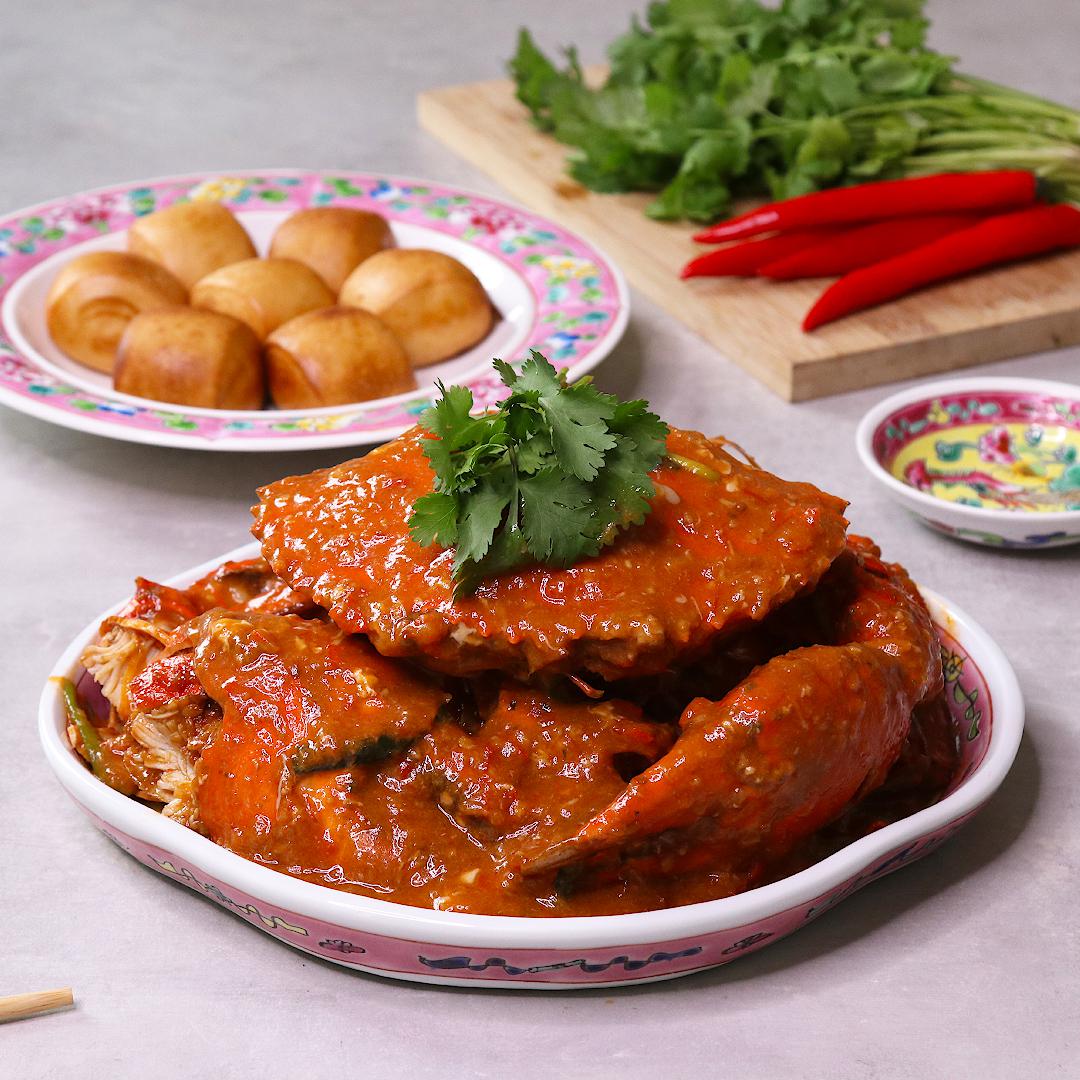
The Jewel of the Tide: Mastering the Art of Mud Crab Sauce
The allure of mud crab is undeniable. Its rich, sweet flesh, encased in a sturdy, glossy shell, offers a culinary experience that is both decadent and deeply satisfying. While the crab itself is the star, the sauce it’s enveloped in elevates the dish from merely delicious to truly unforgettable. Among the myriad of preparations, Mud Crab Sauce stands out, a testament to the power of simple, high-quality ingredients allowed to shine. This isn’t just a sauce; it’s a symphony of flavors, a celebration of the ocean’s bounty, and a culinary adventure waiting to unfold.
Mud crab sauce, particularly in its popular Asian renditions, is a masterclass in balancing sweet, savory, and often a hint of spice. It’s a dish that can be found gracing tables in bustling street food stalls and elegant seafood restaurants alike, a testament to its universal appeal. The magic lies in its ability to complement, rather than overpower, the delicate sweetness of the crab. This article will delve into the heart of creating an exceptional Mud Crab Sauce, exploring its key components, variations, and offering a comprehensive recipe to guide you on your culinary journey.
The Soul of the Sauce: Understanding the Core Components
At its essence, a great Mud Crab Sauce is built upon a foundation of complementary flavors and textures. While regional variations abound, several key ingredients form the bedrock:
-
Aromatics: These are the fragrant building blocks that infuse the sauce with depth and complexity.
- Garlic: Pungent and indispensable, garlic provides a sharp, savory base. Minced or thinly sliced, it’s almost always the first aromatic to hit the hot pan.
- Ginger: Its warm, zesty, and slightly peppery notes cut through the richness of the crab and add a refreshing counterpoint. Freshly grated or finely minced ginger is preferred for its vibrant flavor.
- Shallots/Onions: These offer a sweeter, milder oniony flavor than regular onions, contributing to a smoother, more nuanced taste. Finely chopped shallots or red onions are commonly used.
- Chili: For those who enjoy a touch of heat, chilies are crucial. Fresh red chilies (like bird’s eye chilies) provide a bright, sharp spice, while dried chilies can offer a deeper, smoky heat. The amount can be adjusted to personal preference.

-
The Umami Boosters: These ingredients are responsible for that addictive, savory depth that makes you crave more.
- Oyster Sauce: A quintessential ingredient in many Asian stir-fries and sauces, oyster sauce brings a rich, savory, and slightly sweet umami punch. Its thick consistency also contributes to the sauce’s body.
- Soy Sauce: The foundation of many savory sauces, soy sauce provides saltiness and a deep, fermented flavor. Light soy sauce is generally preferred for its brighter flavor, while dark soy sauce can be used for color and a richer taste.
- Fish Sauce: A secret weapon for many Southeast Asian cuisines, fish sauce adds an intense umami and salty dimension that is hard to replicate. Use sparingly as it can be quite potent.
-
The Sweetness and Body: To balance the savory notes and create a pleasing texture.
- Sugar: Typically white sugar or brown sugar, it balances the saltiness of the soy and fish sauces and complements the sweetness of the crab.
- Cornstarch/Cornflour Slurry: This is the magic ingredient for achieving that glossy, thick sauce consistency that coats the crab beautifully. A mixture of cornstarch and water, added at the end, thickens the sauce and gives it a luxurious mouthfeel.
-
The Liquid Base: To carry all the flavors and create the sauce itself.
- Water or Stock: Water is the simplest base, but chicken or seafood stock can add an extra layer of flavor.
- Crab Stock (Optional but Recommended): If you have the time and inclination, simmering the crab shells and claws before cooking the crab can yield a potent, flavorful stock that will elevate your Mud Crab Sauce to unparalleled heights.
-
Enrichment and Finishing Touches:
- Eggs: Whisked eggs, drizzled into the simmering sauce at the end, create delicate ribbons that add richness and visual appeal.
- Butter (Optional): Some recipes incorporate butter for an extra layer of richness and a smoother finish.
- Sesame Oil: A drizzle of toasted sesame oil at the very end adds a nutty aroma and a delightful finishing touch.
- Spring Onions/Scallions: Chopped spring onions, added as a garnish, provide a fresh, slightly sharp counterpoint and vibrant color.
Variations on a Theme: Exploring Different Mud Crab Sauce Styles
While the core principles remain, Mud Crab Sauce can be prepared in numerous ways, each offering a unique flavor profile:
-
The Classic Black Pepper Mud Crab: A Singaporean and Malaysian favorite, this variation emphasizes the pungent, aromatic kick of freshly cracked black pepper. Often stir-fried with butter, garlic, and a generous amount of black pepper, it’s a bold and intensely flavorful dish.
-
Chili Crab: Perhaps the most globally recognized Mud Crab dish, Chili Crab is a sweet, savory, and spicy masterpiece. The sauce is typically tomato-based, infused with chili, garlic, ginger, and often a touch of vinegar for tang. It’s a saucier preparation, perfect for dipping steamed buns or rice.
-
Salted Egg Yolk Mud Crab: This decadent and incredibly popular variation features a creamy, rich sauce made from emulsified salted egg yolks, butter, and curry leaves. The unique savory-sweet, slightly funky flavor of salted egg yolk is utterly addictive.
-
Kam Heong Mud Crab: A complex and aromatic preparation originating from Malaysia, Kam Heong sauce is characterized by its "fragrant" (kam heong) profile, achieved through a blend of dried shrimp, curry leaves, chilies, and sometimes fermented bean paste.
-
Steamed Mud Crab with Ginger and Scallions: While not strictly a "sauce" in the traditional sense, this preparation highlights the natural sweetness of the crab. Steamed with aromatics like ginger and scallions, the natural juices released form a light, flavorful broth that is often served alongside.
Mastering the Technique: Tips for Perfect Mud Crab Sauce
Beyond the ingredients, the technique plays a vital role in achieving a truly exceptional Mud Crab Sauce.
- Quality is Key: Start with the freshest mud crabs you can find. Their sweetness and texture are paramount.
- Preparation is Crucial: Properly cleaning and cracking the crab is essential for even cooking and easy eating.
- Don’t Overcook: Mud crabs cook relatively quickly. Overcooking will result in tough, dry meat.
- Balance Your Flavors: Taste and adjust the seasoning throughout the cooking process. The balance of sweet, salty, and savory is crucial.
- Embrace the Slurry: The cornstarch slurry is your friend. Add it gradually until you achieve the desired consistency.
- High Heat, Quick Cooking: For stir-fried variations, a hot wok or pan is essential for searing and developing flavor quickly.
- Fresh Aromatics: Use fresh garlic, ginger, and chilies for the most vibrant flavors.
- Don’t Waste the Shells: If you’re not making a dedicated crab stock, consider simmering the cleaned shells and claws in water for a basic seafood broth to use as your liquid base.
A Recipe for Success: Classic Mud Crab Sauce
This recipe aims for a balanced, savory, and slightly sweet sauce that beautifully complements the natural sweetness of mud crab. It leans towards a more generalized Asian style, adaptable to your spice preference.
Yields: 2-3 servings
Prep time: 20 minutes
Cook time: 15-20 minutes
Ingredients:
- 2 medium mud crabs (approximately 1-1.5 kg total), cleaned and cut into serving pieces
- 2 tablespoons cooking oil (vegetable or peanut oil)
- 4-5 cloves garlic, minced
- 1-inch piece of ginger, grated or finely minced
- 1-2 red chilies, finely chopped (adjust to your spice preference)
- 1/4 cup shallots or red onion, finely chopped
- 2 tablespoons oyster sauce
- 1 tablespoon light soy sauce
- 1 teaspoon dark soy sauce (optional, for color)
- 1 teaspoon fish sauce (optional, for extra umami)
- 1 tablespoon sugar (or to taste)
- 1/2 cup water or seafood/chicken stock
- 1 tablespoon cornstarch mixed with 2 tablespoons water (cornstarch slurry)
- 1 large egg, lightly beaten
- 1 teaspoon toasted sesame oil
- 2 sprigs spring onions, chopped, for garnish
Equipment:
- Large wok or deep skillet
- Cutting board and sharp knife
- Measuring spoons and cups
Instructions:
- Prepare the Crab: Ensure your mud crabs are thoroughly cleaned and cut into serving portions. You can ask your fishmonger to do this for you, or do it yourself at home. Pat them dry with paper towels.
- Sear the Crab (Optional but Recommended): Heat 1 tablespoon of oil in your wok over high heat. Add the crab pieces and sear them for about 1-2 minutes per side until they just begin to turn slightly opaque. This helps to seal in the juices. Remove the crab from the wok and set aside.
- Sauté the Aromatics: Add the remaining 1 tablespoon of oil to the wok (or use the oil left from searing the crab). Reduce heat to medium. Add the minced garlic, grated ginger, chopped chilies, and chopped shallots/onion. Sauté for 1-2 minutes until fragrant and the shallots are softened, being careful not to burn the garlic.
- Build the Sauce: Add the oyster sauce, light soy sauce, dark soy sauce (if using), fish sauce (if using), and sugar to the wok. Stir well to combine.
- Add Liquid: Pour in the water or stock. Bring the mixture to a simmer, stirring to dissolve the sugar and combine the sauces.
- Return Crab to the Wok: Add the seared crab pieces back into the wok. Toss them gently to coat with the sauce.
- Simmer and Cook: Cover the wok and let the crab simmer in the sauce for 5-8 minutes, or until the crab is cooked through and the shell has turned a vibrant red. Cooking time will depend on the size of your crab pieces.
- Thicken the Sauce: Give the cornstarch slurry a quick stir. Slowly drizzle it into the simmering sauce while stirring continuously. Continue stirring until the sauce thickens to your desired consistency. You may not need all of the slurry.
- Add the Egg: Once the sauce has thickened, create a small well in the center of the sauce. Slowly drizzle the beaten egg into the well, allowing it to cook for a few seconds before gently scrambling it into the sauce, creating delicate ribbons.
- Finish and Serve: Drizzle with toasted sesame oil and stir gently. Garnish with chopped spring onions.
Serving Suggestions:
- Serve immediately with steamed white rice to soak up the delicious sauce.
- Steamed mantou buns (Chinese steamed buns) are perfect for dipping.
- A side of blanched greens like bok choy or gai lan complements the richness of the crab.
Tips and Variations:
- For Black Pepper Mud Crab: Omit the chilies and increase the freshly cracked black pepper to 1-2 tablespoons. You can also add a tablespoon of butter when sautéing the aromatics.
- For a Spicier Kick: Increase the amount of chilies or add a pinch of red pepper flakes.
- For a Richer Sauce: Add 1-2 tablespoons of butter towards the end of cooking, just before adding the cornstarch slurry.
- For a Tangier Sauce: Add a splash of rice vinegar or lime juice along with the other sauces.
- Crab Stock: If making your own crab stock, use it instead of water for an even more intense seafood flavor.
The Enduring Appeal
Mud crab, when prepared with a thoughtful and well-balanced sauce, is more than just a meal; it’s an experience. It’s a dish that speaks of celebrations, of shared moments, and of the simple pleasure of savoring the finest ingredients the ocean has to offer. By understanding the core components and mastering the techniques, you too can unlock the secrets to creating an unforgettable Mud Crab Sauce that will have your guests singing your praises. So, dive in, embrace the process, and let the jewel of the tide be the star of your next culinary masterpiece.


