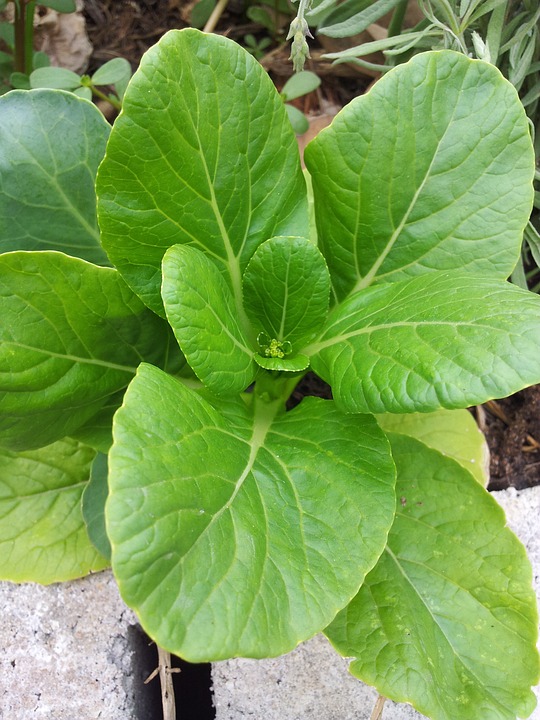
Cultivating the Flavor of Tradition: Native Mustard Greens for Sale
In the vibrant tapestry of global cuisine, certain ingredients stand out not just for their taste, but for their deep-rooted connection to heritage and tradition. Among these, native mustard greens hold a special place. Their pungent, peppery bite, coupled with a wealth of nutrients, has made them a staple in kitchens for centuries. Today, as we increasingly seek out authentic, locally-sourced, and healthy food options, the demand for these remarkable plants is experiencing a resurgence. This article explores the world of native mustard greens, their unique characteristics, the benefits of growing and consuming them, and where you can find these culinary treasures for sale.
What are Native Mustard Greens?
The term "mustard greens" encompasses a diverse family of plants belonging to the Brassica genus, specifically Brassica juncea. What sets "native" mustard greens apart is their origin and adaptation to specific geographical regions. These are not the commercially hybridized varieties found in every supermarket aisle; rather, they are the heirloom, traditional types that have been cultivated and passed down through generations in particular locales.
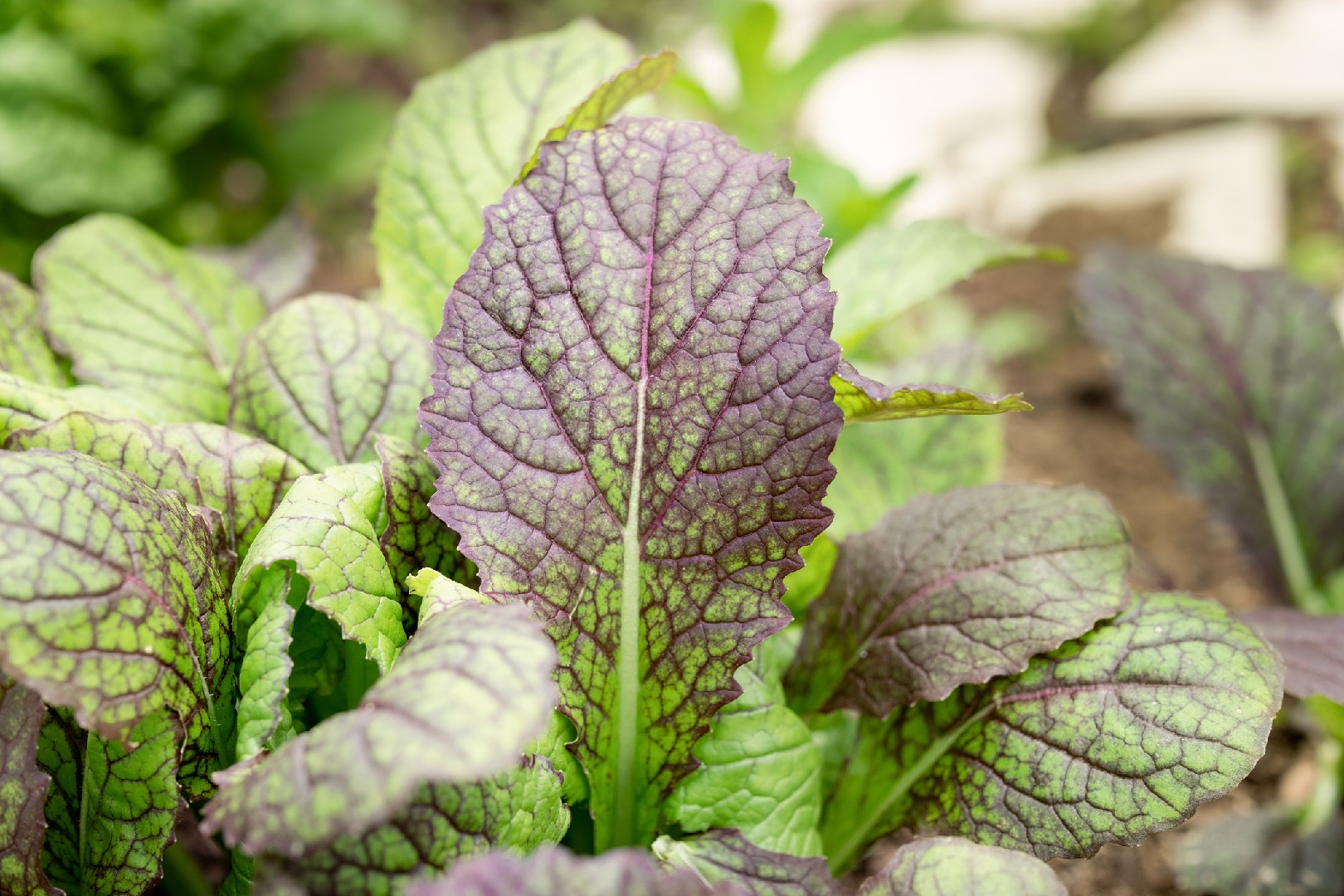
Think of the robust, deeply serrated leaves of Chinese mustard (often referred to as gai choy), the slightly milder yet still zesty flavor of Indian mustard greens (sarson ka saag), or the intensely peppery, almost spicy kick of Southern American mustard greens. Each has its own subtle nuances in flavor, texture, and even color, shaped by the climate and culinary practices of its native land.
A Symphony of Flavor and Nutrition
The allure of native mustard greens lies in their complex flavor profile. They offer a delightful balance of bitterness, pungency, and a subtle sweetness, with a characteristic peppery "bite" that intensifies as the plant matures. This inherent spiciness is not just a taste sensation; it’s a testament to the presence of glucosinolates, compounds that are also responsible for many of their health benefits.
Beyond their captivating taste, mustard greens are nutritional powerhouses. They are an excellent source of:
- Vitamins: Particularly rich in Vitamin K, essential for blood clotting and bone health, and Vitamin A, crucial for vision and immune function. They also provide a good dose of Vitamin C, an antioxidant that supports the immune system and skin health.
- Minerals: A significant source of calcium, important for strong bones and teeth, and potassium, which helps regulate blood pressure. They also contain smaller amounts of magnesium, phosphorus, and iron.
- Antioxidants: Packed with flavonoids and carotenoids, which help combat oxidative stress and protect cells from damage.
- Fiber: Contributing to digestive health and promoting a feeling of fullness.
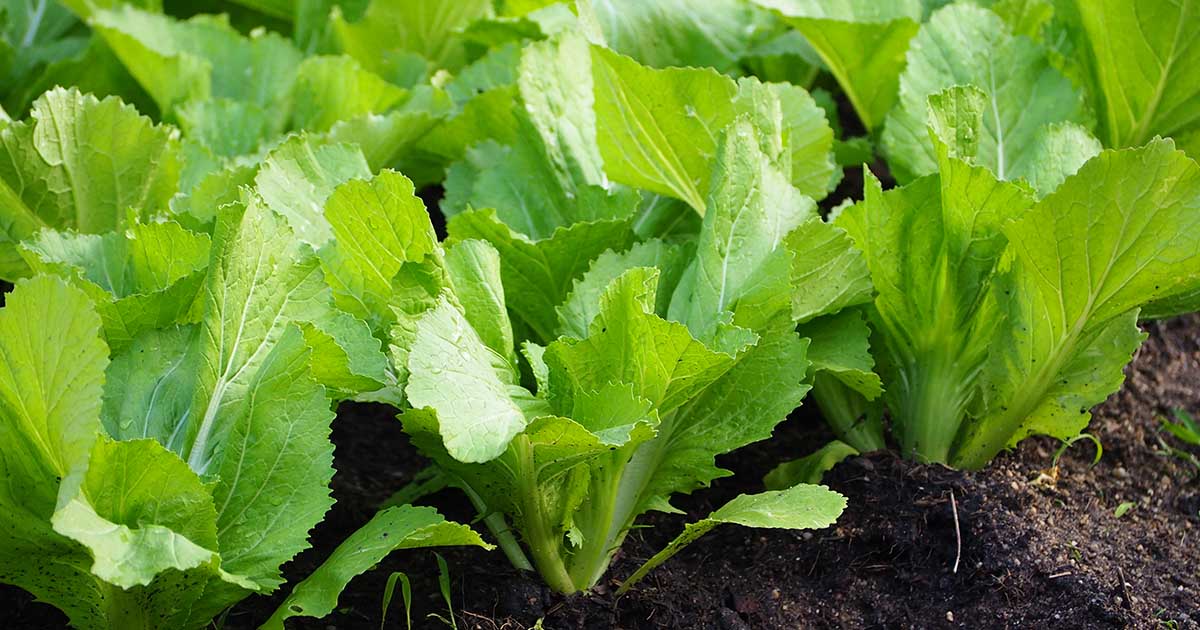
The glucosinolates present in mustard greens, upon being broken down by enzymes in the plant and our bodies, form isothiocyanates. These compounds have been the subject of extensive research for their potential anti-inflammatory, anti-cancer, and detoxification properties. Incorporating native mustard greens into your diet is not just a culinary adventure; it’s a conscious choice for well-being.
The Appeal of "Native"
In an era of globalization and mass production, the concept of "native" ingredients resonates deeply. When you purchase native mustard greens, you’re not just buying a vegetable; you’re investing in:
- Authenticity and Heritage: You’re tasting a piece of culinary history, a flavor that has been cherished and preserved by communities for generations.
- Biodiversity: Supporting the cultivation of native varieties helps preserve agricultural biodiversity, ensuring that these unique genetic lines are not lost to more common, hybridized crops.
- Sustainability: Native varieties are often well-adapted to their local climates, requiring fewer resources like water and pesticides. They can be more resilient and easier to grow in specific regions.
- Unique Flavors: These greens offer a distinct taste that can elevate your cooking beyond the ordinary, providing depth and complexity to your dishes.
Where to Find Native Mustard Greens for Sale
The availability of native mustard greens for sale can vary depending on your location and the time of year. However, here are the most common and reliable places to seek them out:
- Local Farmers’ Markets: This is arguably the best place to find true native varieties. Farmers who specialize in heirloom or traditional crops often bring their best to market. Engage with the farmers; they are usually passionate about their produce and can tell you about the history and cultivation of their mustard greens.
- Specialty Produce Stores: Stores that focus on organic, heirloom, or ethnic produce are more likely to carry a selection of native mustard greens. Look for sections dedicated to Asian, Indian, or Southern U.S. produce.
- Online Seed Retailers and Nurseries: If you’re interested in growing your own, numerous online seed companies offer a wide array of heirloom mustard green seeds. You can also find nurseries that sell young plants, especially during the spring and fall planting seasons. Look for descriptions that specify the origin or traditional name of the variety.
- Ethnic Grocery Stores: Stores catering to specific ethnic communities (e.g., Chinese, Indian, Vietnamese) are excellent places to find the mustard greens that are integral to their traditional cuisines.
- Community Supported Agriculture (CSA) Programs: Some CSAs, particularly those with a focus on traditional farming, may include native mustard greens in their seasonal shares.
When purchasing, look for vibrant green leaves with no signs of wilting, yellowing, or pest damage. The leaves should feel firm and crisp.
Cultivating Your Own Native Mustard Greens
Growing your own native mustard greens is a rewarding experience, allowing you to enjoy the freshest possible produce and experiment with different varieties. They are relatively easy to grow, making them an excellent choice for both beginner and experienced gardeners.
- Climate: Mustard greens prefer cooler weather and can be grown in spring and fall. They can bolt (go to seed) in hot temperatures.
- Soil: They thrive in well-draining soil rich in organic matter.
- Sunlight: Partial shade to full sun is generally suitable.
- Planting: Sow seeds directly into the ground after the last frost in spring or in late summer for a fall harvest. Space them according to package directions.
- Watering: Keep the soil consistently moist but not waterlogged.
- Harvesting: You can begin harvesting outer leaves once the plants are established, or harvest the entire plant when it reaches maturity. Regular harvesting encourages more growth.
A Culinary Journey: Recipes Featuring Native Mustard Greens
The versatility of native mustard greens allows them to be incorporated into a wide range of dishes. Their peppery kick can add excitement to salads, stir-fries, soups, and braises. Here are a few recipe ideas to get you started:
Recipe Listing: Embracing the Pungency of Native Mustard Greens
Native mustard greens, with their characteristic peppery and slightly bitter notes, are a culinary chameleon, capable of transforming simple dishes into flavorful masterpieces. Here are a few ways to savor their unique taste:
1. Classic Braised Southern Mustard Greens
This is a quintessential preparation, slow-cooked to tender perfection, allowing the greens to mellow while retaining their distinctive flavor.
Ingredients:
- 2 pounds native mustard greens, washed thoroughly and roughly chopped
- 4 cups chicken or vegetable broth
- 1/4 cup apple cider vinegar
- 1 tablespoon sugar (optional, to balance bitterness)
- 1/2 teaspoon smoked paprika
- 1/4 teaspoon cayenne pepper (or to taste)
- Salt and freshly ground black pepper to taste
- 2 tablespoons olive oil or rendered bacon fat
- 1 small onion, finely chopped
- 2 cloves garlic, minced
- 1/4 cup chopped smoked ham or bacon (optional, for added flavor)
Instructions:
- In a large pot or Dutch oven, heat the olive oil or bacon fat over medium heat. Add the chopped onion and cook until softened, about 5 minutes. Add the minced garlic and cook for another minute until fragrant. If using, add the chopped ham or bacon and cook until crispy.
- Add the washed and chopped mustard greens to the pot. They will seem like a lot, but they will wilt down considerably.
- Pour in the broth, apple cider vinegar, sugar (if using), smoked paprika, and cayenne pepper. Stir to combine.
- Bring the mixture to a boil, then reduce the heat to low, cover, and simmer for at least 1 to 1.5 hours, or until the greens are tender. The longer they simmer, the more mellow their flavor will become.
- Season generously with salt and freshly ground black pepper to taste.
- Serve hot, often with cornbread or as a side dish to pork or chicken.
2. Speedy Mustard Green Stir-Fry with Ginger and Garlic
A quick and healthy option that highlights the vibrant flavor of the greens.
Ingredients:
- 1 pound native mustard greens, washed thoroughly and cut into bite-sized pieces
- 2 tablespoons soy sauce (or tamari for gluten-free)
- 1 tablespoon rice vinegar
- 1 teaspoon sesame oil
- 1 teaspoon cornstarch (optional, for a thicker sauce)
- 1 tablespoon vegetable oil
- 1 inch fresh ginger, minced
- 3 cloves garlic, minced
- 1/4 teaspoon red pepper flakes (optional)
- Toasted sesame seeds for garnish
Instructions:
- In a small bowl, whisk together soy sauce, rice vinegar, sesame oil, and cornstarch (if using). Set aside.
- Heat the vegetable oil in a wok or large skillet over medium-high heat. Add the minced ginger and garlic, and red pepper flakes (if using), and stir-fry for about 30 seconds until fragrant.
- Add the mustard greens to the wok. Stir-fry for 2-3 minutes until they begin to wilt.
- Pour the sauce mixture over the greens and stir-fry for another 1-2 minutes until the sauce has thickened and the greens are tender-crisp.
- Serve immediately, garnished with toasted sesame seeds. This is delicious served over rice.
3. Hearty Mustard Green and Lentil Soup
A nourishing and flavorful soup that’s perfect for a cool day.
Ingredients:
- 1 tablespoon olive oil
- 1 large onion, chopped
- 2 carrots, chopped
- 2 celery stalks, chopped
- 4 cloves garlic, minced
- 1 teaspoon dried thyme
- 1/2 teaspoon dried rosemary
- 1 cup brown or green lentils, rinsed
- 6 cups vegetable broth
- 1 pound native mustard greens, washed thoroughly and chopped
- Salt and freshly ground black pepper to taste
- Lemon wedges for serving
Instructions:
- Heat olive oil in a large pot or Dutch oven over medium heat. Add the chopped onion, carrots, and celery. Cook until softened, about 8-10 minutes.
- Add the minced garlic, thyme, and rosemary, and cook for another minute until fragrant.
- Stir in the rinsed lentils and vegetable broth. Bring to a boil, then reduce heat, cover, and simmer for 25-30 minutes, or until the lentils are tender.
- Add the chopped mustard greens to the pot. Stir and cook for 5-7 minutes, or until wilted and tender.
- Season generously with salt and freshly ground black pepper to taste.
- Serve hot with a squeeze of fresh lemon juice.
4. Spicy Indian Sarson ka Saag (Mustard Greens Curry)
A beloved dish in North Indian cuisine, this curry offers a rich, pungent, and deeply satisfying flavor.
Ingredients:
- 2 pounds native mustard greens (such as sarson), washed thoroughly and chopped
- 1 tablespoon ghee or vegetable oil
- 1 teaspoon cumin seeds
- 1/2 teaspoon mustard seeds
- 1/4 teaspoon asafoetida (hing)
- 1 large onion, finely chopped
- 2 green chilies, finely chopped (adjust to taste)
- 1 inch ginger, grated
- 4 cloves garlic, minced
- 1/2 teaspoon turmeric powder
- 1/2 teaspoon red chili powder (adjust to taste)
- 1/4 teaspoon garam masala
- 1/4 cup water
- Salt to taste
- 1-2 tablespoons fresh lemon juice
Instructions:
- Boil or steam the chopped mustard greens until tender, about 10-15 minutes. Drain thoroughly, pressing out any excess water. Roughly chop the cooked greens.
- In a large pan or kadai, heat the ghee or oil over medium heat. Add the cumin seeds and mustard seeds. Once they splutter, add the asafoetida.
- Add the finely chopped onion and sauté until golden brown.
- Add the green chilies, grated ginger, and minced garlic. Sauté for another minute until fragrant.
- Stir in the turmeric powder, red chili powder, and garam masala. Cook for 30 seconds, stirring constantly.
- Add the chopped cooked mustard greens and salt to the pan. Mix well.
- Add the water, cover, and simmer for 10-15 minutes, allowing the flavors to meld. Stir occasionally.
- Just before serving, stir in the fresh lemon juice.
- Serve hot with roti, naan, or rice.
Conclusion
Native mustard greens are more than just a culinary ingredient; they are a connection to our past, a source of robust health, and a testament to the enduring power of tradition. By seeking out and embracing these unique greens, whether fresh from a local market or grown in your own garden, you embark on a flavorful journey that nourishes both body and soul. Their peppery zest and impressive nutritional profile make them an invaluable addition to any kitchen, promising a taste of authentic flavor that has stood the test of time.


