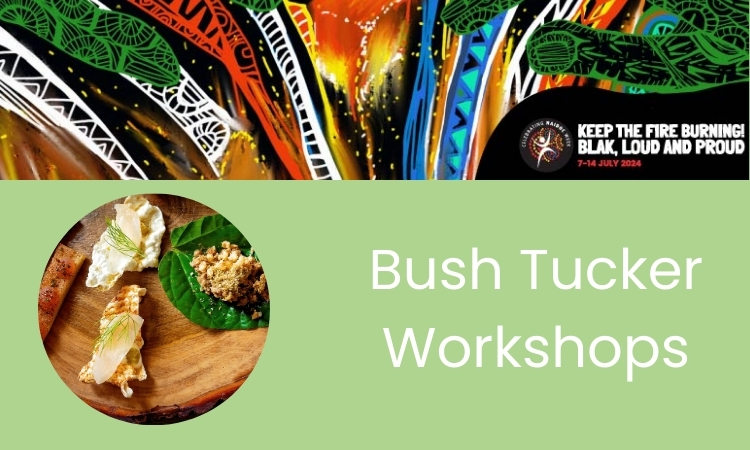
Unearthing Ancient Flavours: A Journey into Bush Tucker Workshops in Melbourne
Melbourne, a city renowned for its vibrant culinary scene and multicultural influences, is also a place where you can delve into the ancient and profound world of Indigenous Australian food, or "Bush Tucker." Beyond the trendy cafes and Michelin-starred restaurants, a growing movement is bringing the wisdom of the land and its traditional foods to the forefront through engaging Bush Tucker workshops. These immersive experiences offer a unique opportunity to connect with Australia’s First Nations heritage, learn about sustainable foraging, and, most importantly, taste the incredible flavours that have sustained communities for millennia.
For centuries, Indigenous Australians possessed an unparalleled understanding of the diverse edible plants, animals, and insects that inhabit the Australian continent. This knowledge, passed down through generations, encompasses not just what to eat, but also how to harvest sustainably, prepare it for optimal nutrition and flavour, and understand its medicinal properties. Bush Tucker is not merely a collection of ingredients; it’s a holistic approach to living in harmony with the environment, a testament to resourcefulness and deep ecological understanding.
In recent years, these vital traditions have seen a resurgence, thanks in large part to dedicated individuals and organizations offering Bush Tucker workshops across Melbourne. These workshops are more than just cooking classes; they are educational journeys that aim to demystify Indigenous foodways, promote cultural appreciation, and foster a greater respect for the land.
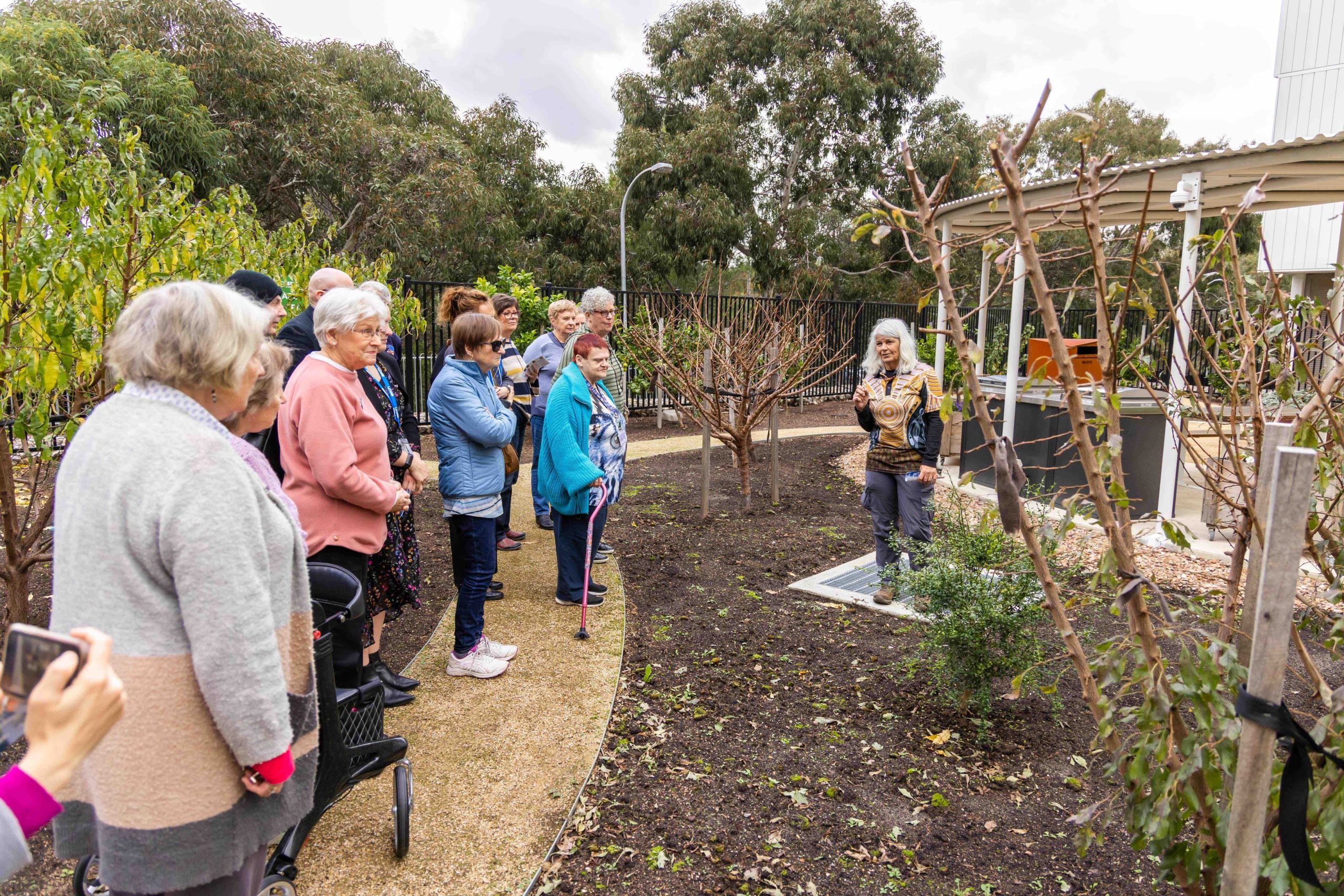
What to Expect from a Bush Tucker Workshop in Melbourne:
While the specifics can vary between providers, most Bush Tucker workshops in Melbourne offer a comprehensive and enriching experience. You can anticipate:
- Expert Guidance: Led by knowledgeable Indigenous guides, cultural educators, or experienced foragers, these workshops provide authentic insights. You’ll learn from people who have a deep, lived connection to the land and its food.
- Foraging (Where Possible and Permitted): Some workshops may include a guided walk in a natural setting (a park, reserve, or even a designated area) where participants can learn to identify and ethically gather edible native plants. This is often done under strict supervision to ensure sustainability and prevent over-harvesting.
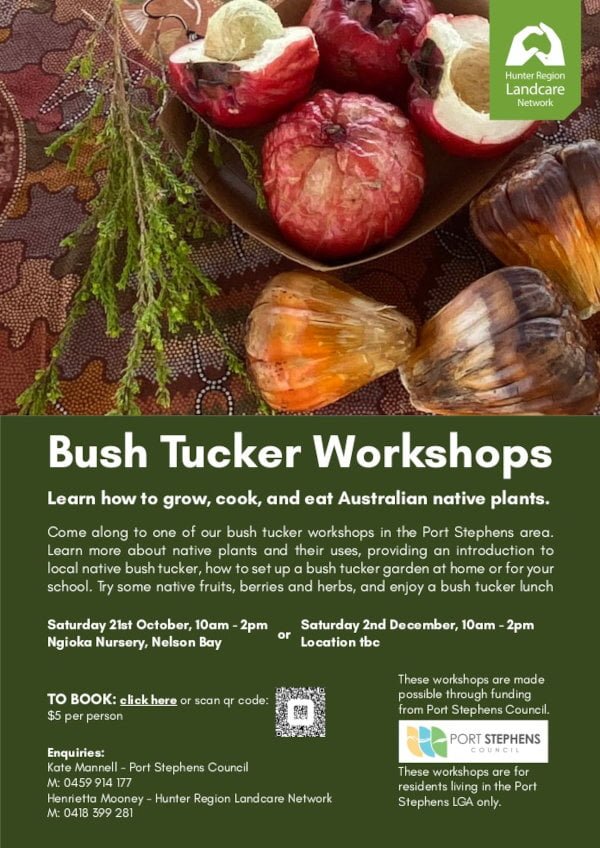
- Introduction to Native Ingredients: You’ll be introduced to a diverse array of Bush Tucker ingredients, many of which you may have never encountered before. This can include:
- Fruits: Quandongs, Davidson Plums, Finger Limes, Wattleseed, Kakadu Plums, Limes.
- Vegetables & Roots: Warrigal Greens (Native Spinach), Yam Daisy, Murnong (Yam Daisy), Bush Tomatoes, Saltbush.
- Nuts & Seeds: Macadamia Nuts, Bush Nuts, Wattleseed.
- Proteins: Kangaroo, Emu, Crocodile, Native Insects (like witchetty grubs – though these are less common in workshops due to sourcing and cultural sensitivities).
- Seasonings & Spices: Lemon Myrtle, Aniseed Myrtle, Pepperberry, Wattle–tree gum.
- Culinary Exploration: The heart of most workshops involves preparing and tasting dishes made with Bush Tucker ingredients. You’ll learn traditional preparation methods and modern culinary applications, discovering how these ancient flavours can be incorporated into contemporary cuisine.
- Cultural Significance: Beyond the food itself, workshops often delve into the cultural stories, Dreaming narratives, and spiritual connections associated with these ingredients. You’ll gain a deeper understanding of their importance in Indigenous ceremonies, traditions, and daily life.
- Sustainability and Conservation: A strong emphasis is placed on the principles of sustainable harvesting and the importance of protecting native flora and fauna. You’ll learn about ethical foraging practices and the interconnectedness of the ecosystem.
- Interactive Learning: Expect hands-on activities, demonstrations, and opportunities to ask questions. These workshops are designed to be engaging and memorable.
Why Attend a Bush Tucker Workshop?
The benefits of participating in a Bush Tucker workshop are multifaceted:
- Cultural Immersion: It’s a powerful way to engage with and appreciate the rich cultural heritage of Australia’s First Peoples.
- Unique Culinary Experiences: Discover a world of new flavours, textures, and aromas that are distinctively Australian.
- Health and Nutrition: Many Bush Tucker ingredients are packed with nutrients, antioxidants, and unique health benefits.
- Environmental Awareness: Develop a greater understanding of native ecosystems and the importance of conservation.
- Connection to the Land: Foster a deeper appreciation for the natural environment and its bounty.
- Skill Development: Learn practical skills in identifying, preparing, and cooking with native ingredients.
- Support Indigenous Communities: Many workshops are run by Indigenous-owned businesses, providing economic opportunities and supporting cultural preservation.
Finding Bush Tucker Workshops in Melbourne:
Melbourne offers a growing number of opportunities to experience Bush Tucker. Here are some avenues to explore:
- Indigenous Tourism Operators: Look for businesses specifically run by Indigenous Australians who offer cultural tours and workshops.
- Botanical Gardens and Parks: Some botanical gardens or larger parklands may host occasional Bush Tucker walks or educational sessions.
- Cultural Centres and Museums: Indigenous cultural centres and museums in Melbourne often have associated programs or can direct you to relevant workshops.
- Online Event Platforms: Websites like Eventbrite or local event listing sites often feature Bush Tucker workshops.
- Food Festivals and Events: Keep an eye out for special events, food festivals, or markets that might feature Indigenous food demonstrations or workshops.
Important Considerations:
- Respect and Cultural Sensitivity: Always approach these workshops with a spirit of respect and humility. Listen attentively to your guides and follow their instructions.
- Ethical Sourcing: If you are interested in sourcing Bush Tucker ingredients yourself, always do so ethically and legally, and only after proper training and understanding. Many native plants are protected.
- Dietary Needs: If you have specific dietary requirements, inform the workshop provider in advance.
A Taste of Bush Tucker: Sample Recipes
While a workshop will provide hands-on experience, here are a few simple recipes that showcase the versatility of common Bush Tucker ingredients. These are designed to be accessible and illustrate the unique flavours.
Recipe 1: Warrigal Greens (Native Spinach) and Feta Salad
Warrigal Greens are a fantastic, iron-rich leafy green that can be used like spinach. It’s important to blanch them to remove any mild toxicity.
Yields: 4 servings
Prep time: 10 minutes
Cook time: 5 minutes
Ingredients:
- 200g fresh Warrigal Greens (or regular spinach if unavailable)
- 100g feta cheese, crumbled
- 1/4 cup roasted pumpkin seeds (pepitas)
- 1/4 cup finely chopped red onion
- 1 tablespoon olive oil
- 1 tablespoon lemon juice (freshly squeezed)
- Salt and freshly ground black pepper to taste
Instructions:
- Prepare the Warrigal Greens: If using Warrigal Greens, wash them thoroughly. Bring a pot of water to a rolling boil. Carefully add the Warrigal Greens and blanch for 30-60 seconds until they turn bright green. Immediately drain and plunge them into a bowl of ice-cold water to stop the cooking process. Drain thoroughly and gently squeeze out any excess water. Chop them roughly. (If using regular spinach, you can skip the blanching step and chop raw spinach).
- Assemble the Salad: In a medium bowl, combine the blanched and chopped Warrigal Greens (or spinach), crumbled feta cheese, roasted pumpkin seeds, and finely chopped red onion.
- Dress the Salad: In a small bowl, whisk together the olive oil and lemon juice. Season with salt and freshly ground black pepper.
- Serve: Pour the dressing over the salad and toss gently to combine. Serve immediately.
Recipe 2: Wattleseed Dukkah with Grilled Kangaroo or Lamb
Wattleseed has a distinctive nutty, coffee-like flavour. Dukkah is a classic Egyptian spice blend, and adding wattleseed brings a beautiful Australian twist.
Yields: Approximately 1 cup of dukkah
Prep time: 15 minutes
Cook time: 5-10 minutes (for grilling meat)
Ingredients for Wattleseed Dukkah:
- 1/2 cup raw almonds
- 1/4 cup raw hazelnuts (optional, for extra depth)
- 2 tablespoons toasted sesame seeds
- 1 tablespoon roasted wattleseed, lightly crushed (you can use a mortar and pestle or the back of a spoon)
- 1 teaspoon coriander seeds
- 1 teaspoon cumin seeds
- 1/2 teaspoon dried native thyme or regular thyme
- 1/4 teaspoon sea salt flakes
Ingredients for Serving:
- 250g kangaroo loin or lamb loin chops
- 1 tablespoon olive oil
- Salt and freshly ground black pepper
- Crusty bread for dipping (optional)
Instructions for Dukkah:
- Toast the Nuts: In a dry frying pan over medium heat, toast the almonds and hazelnuts (if using) until lightly golden and fragrant, about 5-7 minutes. Remove from the pan and let cool.
- Toast the Spices: In the same dry frying pan, toast the coriander seeds and cumin seeds over medium heat until fragrant, about 1-2 minutes. Be careful not to burn them. Let cool.
- Combine Ingredients: In a mortar and pestle or a food processor, combine the toasted nuts, toasted sesame seeds, lightly crushed wattleseed, toasted coriander seeds, toasted cumin seeds, dried thyme, and sea salt flakes.
- Grind: Gently grind the ingredients together until you have a coarse, crumbly mixture. You want some texture, not a fine powder. Taste and adjust seasoning if needed. Store in an airtight container at room temperature.
Instructions for Serving:
- Prepare the Meat: Pat the kangaroo or lamb dry with paper towels. Rub with olive oil and season generously with salt and freshly ground black pepper.
- Grill the Meat: Heat a grill pan or outdoor grill to medium-high heat. Cook the kangaroo loin for 2-3 minutes per side for medium-rare, or adjust to your desired doneness. Cook lamb chops for 3-4 minutes per side for medium.
- Serve: Let the meat rest for a few minutes. Slice the kangaroo or serve the lamb chops. Generously sprinkle the Wattleseed Dukkah over the meat. Serve immediately, perhaps with some crusty bread for dipping into any extra dukkah and meat juices.
Recipe 3: Davidson Plum & Finger Lime Glazed Chicken Skewers
Davidson Plums offer a tart, slightly sour flavour, while Finger Limes provide bursts of citrusy caviar. This glaze is vibrant and zesty.
Yields: 4 servings
Prep time: 20 minutes
Marinating time: 30 minutes
Cook time: 10-12 minutes
Ingredients for Marinade/Glaze:
- 2 tablespoons Davidson Plum jam or pureed Davidson Plums (if unavailable, a good quality plum jam with a squeeze of lime juice can be a substitute)
- 1 tablespoon honey or maple syrup
- 1 tablespoon soy sauce or tamari
- 1 teaspoon grated fresh ginger
- 1 clove garlic, minced
- 1/2 teaspoon chili flakes (optional)
- Juice of 1/2 lemon
Ingredients for Skewers:
- 500g chicken thigh fillets, cut into bite-sized cubes
- 1 tablespoon olive oil
- 1/4 cup fresh Finger Lime pearls (from about 2-3 finger limes)
- Wooden or metal skewers (if using wooden, soak them in water for 30 minutes)
Instructions:
- Marinate the Chicken: In a bowl, whisk together the Davidson Plum jam (or substitute), honey, soy sauce, grated ginger, minced garlic, chili flakes (if using), and lemon juice. Add the cubed chicken and toss to coat. Marinate for at least 30 minutes (or up to 2 hours in the refrigerator).
- Prepare the Skewers: Thread the marinated chicken cubes onto the prepared skewers.
- Cook the Skewers: Heat a grill pan or outdoor grill to medium-high heat. Lightly brush the grill with olive oil. Place the skewers on the grill and cook for 10-12 minutes, turning occasionally, until the chicken is cooked through and lightly caramelized. Baste with any leftover marinade during the last few minutes of cooking.
- Finish and Serve: Once cooked, remove the skewers from the grill. Just before serving, scatter the fresh Finger Lime pearls over the chicken skewers. The pearls will pop with a burst of tangy citrus. Serve immediately as an appetizer or with a side salad.
By attending a Bush Tucker workshop in Melbourne, you’re not just learning to cook; you’re embarking on a journey of discovery, connecting with the ancient wisdom of the land, and tasting the authentic flavours of Australia. It’s an experience that nourishes the body, enriches the mind, and fosters a deeper appreciation for the remarkable Indigenous heritage of this continent.


