The Ancient Art of Fire and Earth: Unveiling Aboriginal Cooking Techniques
For tens of thousands of years, the Indigenous peoples of Australia, known collectively as Aboriginal Australians, have lived in harmony with their diverse and often challenging environment. This profound connection to the land has not only shaped their spiritual beliefs and social structures but has also deeply influenced their culinary traditions. Aboriginal cooking techniques are a testament to their ingenuity, resourcefulness, and intimate understanding of nature’s bounty. Far from being primitive, these methods are sophisticated, sustainable, and deeply rooted in the principles of utilizing every part of an ingredient and respecting the earth.
At its core, Aboriginal cooking is inextricably linked to fire and the earth itself. The open flame and the natural heat retention of the ground are the primary tools, transformed through generations of observation and practice into effective and flavorful cooking methods. These techniques are not merely about sustenance; they are about community, ceremony, and the transmission of knowledge across generations.
The Power of Fire: Direct Heat and Controlled Flames
Fire was, and remains, the cornerstone of Aboriginal cooking. However, it was not a wild, untamed force. Instead, it was skillfully managed and utilized in various ways to achieve distinct culinary outcomes.
-
Roasting (The Open Flame): The most fundamental technique involves directly roasting food over an open fire. This was particularly effective for larger cuts of meat, whole animals, or even root vegetables. The flames would char the exterior, creating a smoky flavor and sealing in juices, while the radiant heat cooked the interior. This method required constant attention, with cooks rotating the food to ensure even cooking and prevent burning. It’s a direct, primal method that highlights the natural flavors of the ingredients.
-
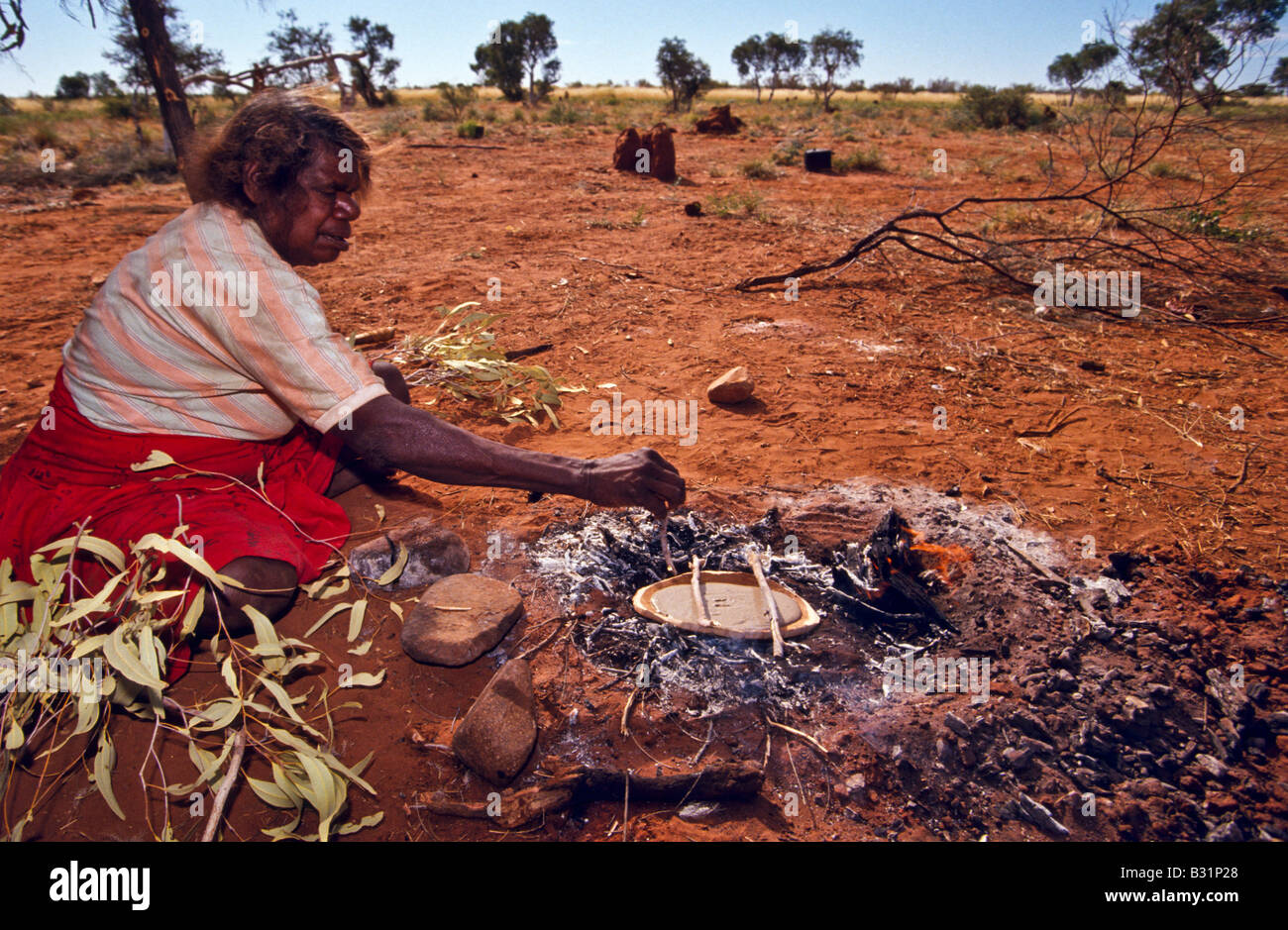
Ash Cooking: A variation of open-fire cooking, ash cooking involves burying food, often wrapped in damp leaves or bark, directly in the hot embers and ash of a dying fire. The ash acts as an insulator, providing a more gentle and even heat than direct flame. This technique is ideal for tougher cuts of meat, allowing them to slow-cook and become incredibly tender, or for cooking root vegetables like yams and tubers, which would be thoroughly cooked and infused with a subtle smoky flavor. The leaves or bark would impart their own aromatic qualities to the food.
-
Stone Grilling/Hot Stone Cooking: Large, flat stones, heated in a fire, served as natural griddles. Food, such as small pieces of meat, fish, or even damper (a simple unleavened bread), would be placed directly onto the hot stones to cook. This method provided a consistent and even cooking surface, similar to modern-day grilling or pan-frying, but with the unique char and smokiness imparted by the heated stone.
The Earth as an Oven: Harnessing Geothermal Heat
Beyond direct fire, Aboriginal peoples masterfully utilized the earth’s natural heat-retaining properties to create sophisticated cooking methods.
-
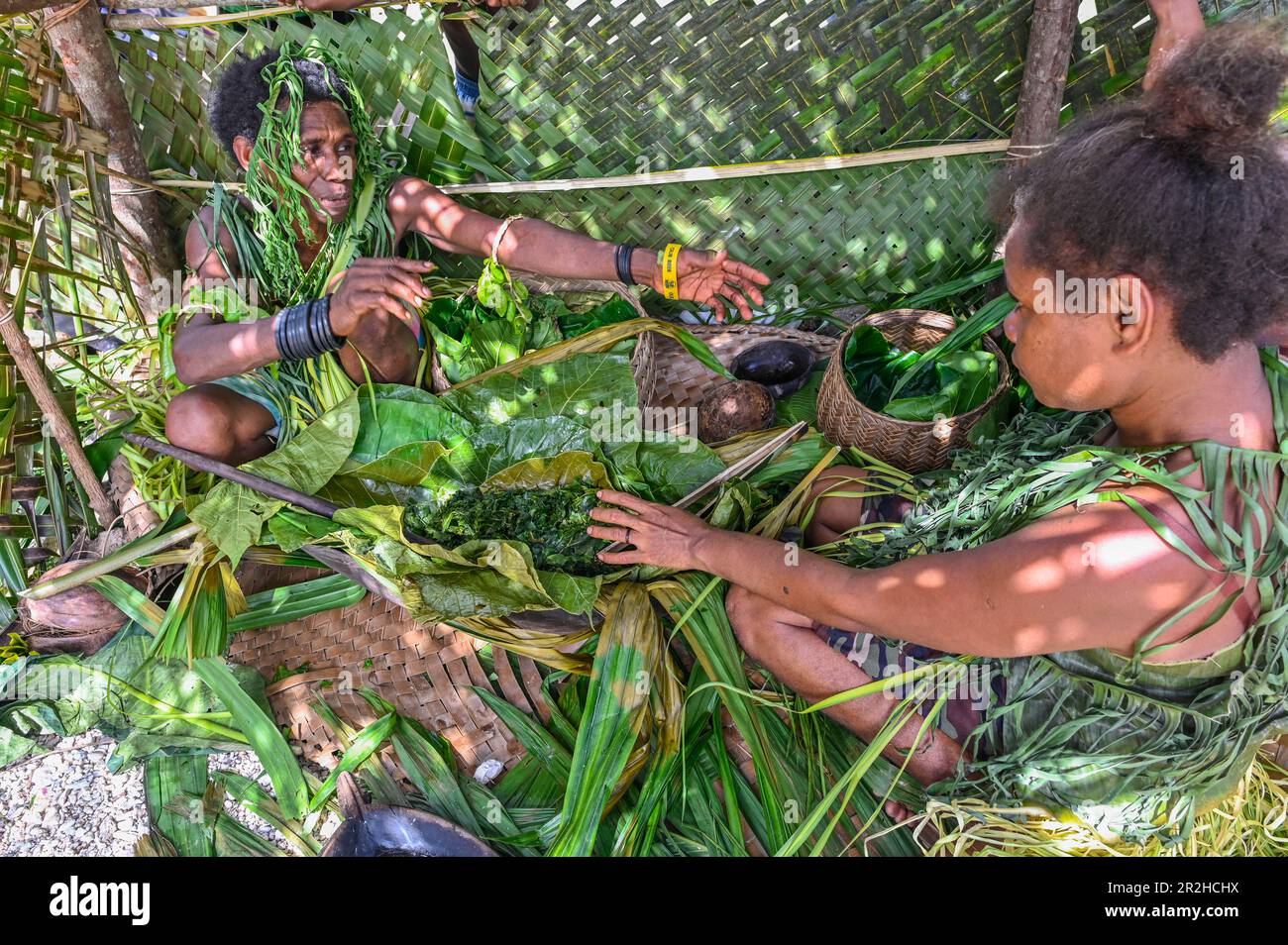
Earth Ovens (Kurnell): Perhaps the most iconic Aboriginal cooking technique is the earth oven, often referred to as a kurnell or similar terms across different language groups. This ingenious method involves digging a pit in the ground, building a large fire within it to heat stones, and then removing the embers and ash. Food, typically wrapped in damp leaves or bark, is then placed on the hot stones, covered with more leaves, and then buried with soil. The residual heat from the stones and the earth creates a slow-cooking environment, similar to a modern-day slow cooker or Dutch oven. This technique is perfect for cooking large amounts of meat, fish, and vegetables over extended periods, resulting in incredibly tender and flavorful dishes. It requires careful planning and execution, ensuring the pit is properly sealed to trap the heat.
-
Steaming in the Ground: A variation of the earth oven, this method involves adding water to the hot stones in the pit before burying the food. The water turns to steam, creating a moist cooking environment. This is particularly effective for delicate foods like fish or shellfish, which can become dry with direct roasting, and for cooking leafy greens.
Ingenuity with Utensils and Tools
While fire and earth were the primary cooking mediums, Aboriginal peoples also developed ingenious tools and utensils to aid their culinary endeavors.
-
Sharpened Sticks and Spears: For roasting meat or vegetables directly over a fire, sharpened sticks or spears were used to hold and rotate the food. This allowed for controlled cooking and easy maneuvering around the flames.
-
Wooden Tongs and Spatulas: Simple, yet effective, tongs and spatulas carved from wood were used to handle hot food and coals, preventing burns and facilitating cooking.
-
Stone Tools: Sharp stone tools were essential for butchering animals, preparing vegetables, and shaping cooking implements.
-
Bark Containers: Pieces of bark, particularly from eucalyptus trees, were skillfully fashioned into containers for carrying water, food, and even for steaming food over a fire. The natural properties of the bark made it waterproof and heat-resistant.
-
Woven Baskets: Intricately woven baskets were used for gathering and storing food, and some could even be used for sifting and draining.
The Philosophy of Resourcefulness: Utilizing Every Part
A defining characteristic of Aboriginal cooking is its unwavering commitment to resourcefulness and the principle of "no waste." Every part of an animal or plant was utilized, from the meat and organs to the bones, blood, and even the fat.
-
Animal Utilisation: Beyond the prime cuts of meat, organs like the liver, heart, and intestines were considered delicacies. Blood was often used as a thickening agent or cooked with other ingredients. Bones were cracked open to extract marrow, a rich source of fat and nutrients. Fat was rendered and used for cooking or preservation.
-
Plant Utilisation: Indigenous Australians possessed an encyclopedic knowledge of native flora, understanding which plants were edible, medicinal, and how to prepare them. Root vegetables like yams, bush potatoes, and various tubers were staples, often roasted or steamed in earth ovens. Bush fruits, berries, and seeds provided essential vitamins and minerals. Leaves and flowers were used for flavoring, medicinal purposes, and as wraps for cooking. Even the bark of certain trees had culinary applications, either for wrapping food or for its aromatic properties.
Preserving the Bounty: Traditional Food Preservation
The Aboriginal approach to food preservation was as innovative as their cooking methods, crucial for survival in environments where food availability could fluctuate.
-
Drying: Meat, fish, and fruits were often dried in the sun or by the fire to remove moisture, preventing spoilage. This dried food could then be stored for extended periods and rehydrated when needed.
-
Smoking: Smoking food, particularly meat and fish, not only helped preserve it but also imparted a distinct flavor.
-
Fat Rendering: As mentioned, fat was rendered and could be stored, providing a valuable source of energy and a cooking medium.
Contemporary Echoes: Modern Interpretations of Ancient Wisdom
While modern technology has introduced new ways of cooking, the spirit of Aboriginal culinary traditions continues to influence contemporary Australian cuisine. There is a growing appreciation for native ingredients – kangaroo, emu, bush tomatoes, quandongs, wattleseed, and lemon myrtle – and a recognition of the sustainable and ethical practices embedded in these ancient techniques. Chefs are increasingly incorporating these ingredients and drawing inspiration from traditional methods, reinterpreting them for a modern palate.
The art of Aboriginal cooking is more than just a way to prepare food; it is a profound connection to the land, a celebration of community, and a living legacy of human ingenuity and respect for nature. By understanding these techniques, we gain a deeper appreciation for the rich cultural heritage of Aboriginal Australians and the timeless wisdom of their relationship with the earth.
Listing of Potential Aboriginal-Inspired Recipes (Conceptual)
It’s important to note that traditional Aboriginal recipes were rarely written down in the Western sense. They were passed down orally, and ingredients and methods varied greatly between different language groups and regions. The following are conceptual recipes inspired by traditional techniques and ingredients, designed to be accessible for modern kitchens while respecting the spirit of the original practices.
1. "Kurnell" Slow-Cooked Lamb Shoulder with Bush Tomato and Wattleseed
- Inspiration: The earth oven (kurnell) and the use of native ingredients.
- Concept: A slow-cooked lamb shoulder, seasoned with ground wattleseed for its nutty, coffee-like aroma, and infused with the tangy sweetness of bush tomatoes (or sun-dried tomatoes as a substitute). Cooked in a Dutch oven or slow cooker to mimic the earth oven’s slow, even heat.
- Key Ingredients: Lamb shoulder, wattleseed, bush tomato (or sun-dried tomatoes), native herbs (e.g., lemon myrtle, saltbush), garlic, olive oil.
2. Smoked Kangaroo Loin with Quandong Glaze
- Inspiration: Traditional smoking of meats and the use of native fruits.
- Concept: Kangaroo loin, lightly smoked (using a stovetop smoker or grill), then glazed with a reduction of quandongs (or cranberries/cherries as a substitute) for a tart and sweet finish.
- Key Ingredients: Kangaroo loin, quandongs (or substitute), honey, native herbs, olive oil.
3. Ash-Roasted Root Vegetables with Saltbush
- Inspiration: Ash cooking and the use of root vegetables.
- Concept: A medley of root vegetables (sweet potatoes, yams, parsnips) wrapped in damp banana leaves or foil, buried in hot embers (or baked in a very hot oven with a smoky wood chip element), and seasoned with saltbush for a natural salty, savory flavor.
- Key Ingredients: Sweet potatoes, yams, parsnips, saltbush (or sea salt), banana leaves (or foil), olive oil.
4. Pan-Seared Barramundi with Lemon Myrtle and Bush Lime
- Inspiration: Hot stone cooking and the use of native herbs and citrus.
- Concept: Fresh barramundi fillets pan-seared on a hot griddle or heavy-bottomed pan, finished with a fragrant infusion of lemon myrtle and the zest of bush lime (or regular lime).
- Key Ingredients: Barramundi fillets, lemon myrtle leaves, bush lime (or regular lime), butter, olive oil.
5. Damper with Bush Honey and Native Berries
- Inspiration: Damper bread cooked on hot stones and the use of native sweeteners and fruits.
- Concept: A simple, traditional damper (a quick unleavened bread) baked in a cast-iron pot over coals (or in a conventional oven) and served with a drizzle of bush honey and a scattering of native berries (e.g., finger limes, quandongs).
- Key Ingredients: Flour, water, baking powder (for a modern lift), bush honey (or good quality local honey), native berries (or fresh berries).
These recipes are intended as starting points, encouraging exploration and adaptation. The true essence of Aboriginal cooking lies in understanding the principles of working with nature, respecting ingredients, and celebrating the joy of sharing food.


