The Resilient Jewel of the Outback: A Comprehensive Guide to Desert Lime Tree Care
The Australian desert lime (Citrus glauca), also known as the native lime or desert cudi, is a remarkable and often overlooked citrus species. Thriving in arid and semi-arid conditions where conventional citrus trees would wither and die, this resilient plant is a testament to nature’s ingenuity. Its small, tart, and intensely flavored fruits offer a unique culinary experience, bridging the gap between the familiar citrus profile and the distinct character of Australian native botanicals. Cultivating a desert lime tree is not only a rewarding endeavor for gardeners in challenging climates but also a way to connect with the rich biodiversity of the Australian landscape. This comprehensive guide will delve into the essential aspects of desert lime tree care, empowering you to successfully grow and enjoy this extraordinary fruit.
Understanding the Desert Lime: A Hardy Survivor
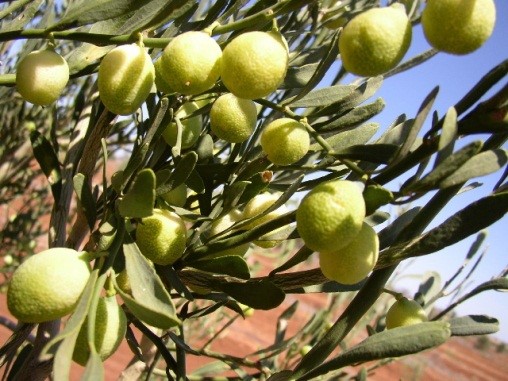
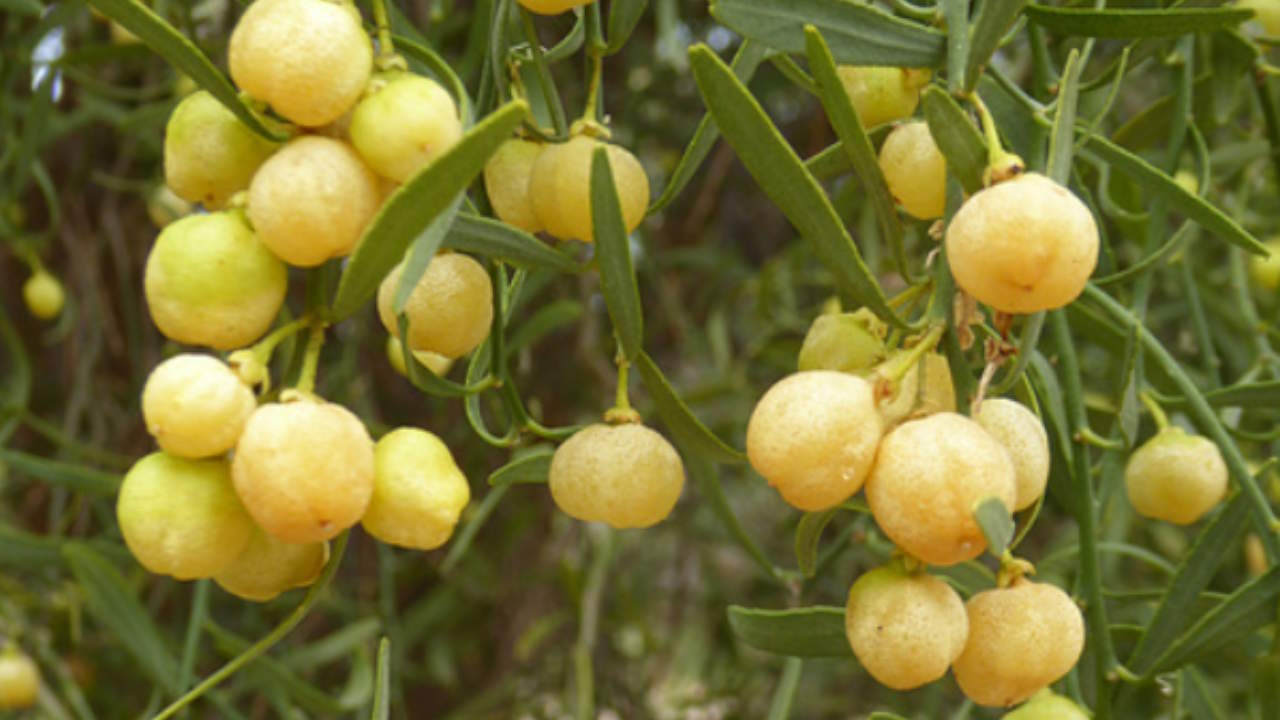
Before embarking on its cultivation, it’s crucial to understand the desert lime’s inherent characteristics. Originating from the arid and semi-arid regions of inland Australia, Citrus glauca has evolved to tolerate extreme heat, drought, and poor soil conditions. Unlike its more delicate citrus cousins, it possesses a deep root system capable of seeking out scarce water sources and a remarkable ability to withstand prolonged dry spells. Its leaves are typically small, oval, and leathery, a further adaptation to minimize water loss. The fruit itself is small, round, and typically green when ripe, with a sharp, zesty flavor that is both refreshing and complex, often described as having notes of grapefruit and lime.
Planting Your Desert Lime: Location, Location, Location
The success of your desert lime tree begins with careful site selection. While these trees are tough, they still have preferences that will optimize their growth and fruit production.
- Sunlight: Desert limes are sun-worshippers. They thrive in full sun, requiring at least six to eight hours of direct sunlight daily. In hotter climates, a little dappled shade during the peak afternoon heat can be beneficial, but full sun is generally preferred.
- Soil: While desert limes are forgiving of poor soils, they will perform best in well-draining conditions. They can tolerate sandy, loamy, or even slightly alkaline soils. Avoid heavy clay soils that retain too much moisture, as this can lead to root rot. If your soil is heavy, consider amending it with compost and grit to improve drainage. Raised beds are an excellent option for improving drainage in problematic soils.
- Wind Protection: While mature desert limes are relatively wind-tolerant, young trees can benefit from some protection from harsh winds, especially in exposed locations. This can be achieved through strategic planting near fences, walls, or other established shrubs.
- Spacing: When planting multiple desert limes, allow adequate space for their mature growth. While they are generally smaller than other citrus trees, they will eventually form a shrub or small tree of 2-4 meters in height and spread.

Planting Process:
- Prepare the Hole: Dig a hole that is twice as wide and as deep as the root ball of your young tree.
- Amend the Soil (if necessary): If your soil is poor, mix in some well-rotted compost or organic matter with the excavated soil.
- Place the Tree: Gently remove the desert lime from its nursery pot. If the roots are tightly bound, gently loosen them with your fingers. Place the tree in the center of the hole, ensuring the top of the root ball is level with or slightly above the surrounding soil.
- Backfill: Fill the hole with the amended soil, firming it gently around the base of the tree to eliminate air pockets.
- Water Thoroughly: Water the newly planted tree deeply to settle the soil and hydrate the roots.
- Mulch: Apply a layer of organic mulch (such as wood chips or straw) around the base of the tree, keeping it a few inches away from the trunk. Mulching helps retain moisture, suppress weeds, and regulate soil temperature.
Watering Your Desert Lime: The Art of Moderation
This is where the "desert" in desert lime truly shines. These trees are remarkably drought-tolerant once established. Overwatering is a far greater threat than underwatering.
- Young Trees: Newly planted desert limes will require more frequent watering to help them establish their root systems. Water them deeply when the top inch or two of soil feels dry. This might be once or twice a week during hot, dry periods.
- Established Trees: Once your desert lime is established (typically after one to two years), its watering needs will significantly decrease. Water deeply only when the soil is dry several inches down. During prolonged dry spells, a deep watering every few weeks might be sufficient. It’s always better to water less frequently but more deeply, encouraging the roots to grow deeper into the soil.
- Signs of Underwatering: Wilting leaves, though this can also be a sign of overwatering in some cases. Yellowing leaves can also indicate stress.
- Signs of Overwatering: Yellowing leaves, especially with the lower leaves turning yellow and dropping, root rot (which can manifest as a general decline in health), and a perpetually soggy soil.
Feeding Your Desert Lime: Less is More
Desert limes are not heavy feeders. Over-fertilizing can lead to lush, sappy growth that is more susceptible to pests and diseases.
- Young Trees: A light application of a balanced, slow-release citrus fertilizer in early spring can be beneficial. Follow the manufacturer’s instructions carefully.
- Established Trees: Established trees generally require minimal fertilization. If your tree is producing well and appears healthy, you may not need to fertilize at all. If you notice a decline in fruit production or leaf vigor, a light feeding in early spring with a balanced citrus fertilizer can be applied. Compost or well-rotted manure is an excellent, gentle way to enrich the soil annually.
Pruning: Shaping for Health and Productivity
Pruning is essential for maintaining the shape, health, and productivity of your desert lime tree.
- When to Prune: The best time to prune is in late winter or early spring, before new growth begins. Light pruning can also be done after fruiting to remove any dead or damaged branches.
- What to Prune:
- Dead, Damaged, or Diseased Wood: Remove any branches that are dead, broken, or show signs of disease immediately.
- Crossing or Rubbing Branches: These can cause wounds and create entry points for pests and diseases.
- Suckers: Remove any shoots that emerge from the base of the trunk or the rootstock (if grafted).
- Water Sprouts: These are fast-growing, vertical shoots that can detract from the tree’s energy.
- Shaping: Prune to maintain a desirable shape, ensuring good air circulation and light penetration into the canopy. Aim for an open, vase-like structure.
Pests and Diseases: Vigilance is Key
Desert limes are generally quite resistant to pests and diseases, another testament to their hardy nature. However, like all plants, they can occasionally be affected.
- Aphids: Small, soft-bodied insects that can cluster on new growth. They can be washed off with a strong jet of water or treated with insecticidal soap.
- Scale Insects: Small, immobile insects that attach themselves to stems and leaves, sucking sap. They can be treated with horticultural oil or insecticidal soap.
- Citrus Leafminer: Larvae of a moth that create serpentine tunnels in the leaves. While unsightly, they rarely cause significant damage to mature trees. Remove affected leaves and consider insecticidal soap if the infestation is severe.
- Root Rot: This is the most common problem, usually caused by overwatering and poor drainage. Ensure good drainage and avoid soggy soil.
- Fungal Diseases: While less common in arid conditions, fungal diseases can occur. Good air circulation and avoiding overhead watering can help prevent them.
Regular inspection of your tree will allow you to identify any potential issues early on, making them easier to manage.
Harvesting Your Desert Limes: A Zesty Reward
Desert limes are typically ready for harvest when they turn from green to a yellowish-green color and are firm to the touch. The exact timing will depend on your climate and the specific variety.
- How to Harvest: Gently twist or snip the fruits from the branches. They can be harvested as needed.
- Storage: Desert limes can be stored at room temperature for a few days or in the refrigerator for longer. They can also be frozen whole or juiced and frozen.
Culinary Delights: Embracing the Flavor of the Outback
The unique flavor of desert lime is its most prized attribute. Its tartness and complex citrus notes make it a versatile ingredient in a wide range of culinary applications.
- Fresh Use: Slice and add to salads, use as a garnish for seafood or poultry, or squeeze into drinks.
- Juice: The juice can be used in dressings, marinades, cocktails, and as a refreshing beverage on its own.
- Zest: The zest adds a burst of flavor to baked goods, desserts, and savory dishes.
- Preserves: Desert limes are excellent for making marmalades, jams, and chutneys.
Recipes Featuring the Zesty Desert Lime
The unique, tart, and aromatic flavor of the desert lime lends itself beautifully to a variety of dishes. Here are a few recipes to get you started:
1. Desert Lime and Gin Cocktail
A refreshing and sophisticated drink that highlights the native citrus.
Yields: 1 cocktail
Prep time: 5 minutes
Ingredients:
- 50ml Gin (a good quality London Dry works well)
- 20ml Freshly squeezed Desert Lime Juice
- 10ml Elderflower Liqueur (optional, for added floral notes)
- Sparkling water or tonic water
- Ice cubes
- Garnish: A thin slice of desert lime or a sprig of mint
Instructions:
- Fill a cocktail shaker with ice.
- Add the gin, desert lime juice, and elderflower liqueur (if using).
- Shake well until thoroughly chilled.
- Strain the mixture into a chilled cocktail glass filled with fresh ice.
- Top with sparkling water or tonic water.
- Garnish with a desert lime slice or mint sprig.
2. Simple Desert Lime Marinade for Chicken or Fish
The tartness of the desert lime tenderizes and infuses flavor beautifully.
Yields: Enough for 2-3 chicken breasts or 4 fish fillets
Prep time: 5 minutes
Marinating time: 30 minutes to 2 hours
Ingredients:
- 3 tablespoons Olive Oil
- 2 tablespoons Freshly squeezed Desert Lime Juice
- 1 clove Garlic, minced
- 1 teaspoon Dried Oregano
- Salt and freshly ground Black Pepper to taste
Instructions:
- In a bowl, whisk together the olive oil, desert lime juice, minced garlic, and oregano.
- Season with salt and pepper.
- Place your chicken or fish in a resealable bag or shallow dish.
- Pour the marinade over the protein, ensuring it is well coated.
- Marinate in the refrigerator for at least 30 minutes, or up to 2 hours for chicken. Fish will marinate faster, so check for doneness.
- Discard the remaining marinade and cook your protein as usual (grill, bake, or pan-fry).
3. Desert Lime and Honey Drizzle Cake
A moist and fragrant cake with a tangy citrus glaze.
Yields: 1 loaf cake
Prep time: 20 minutes
Bake time: 45-55 minutes
Ingredients:
- For the Cake:
- 200g All-purpose Flour
- 1 teaspoon Baking Powder
- ½ teaspoon Bicarbonate of Soda
- ¼ teaspoon Salt
- 150g Unsalted Butter, softened
- 150g Granulated Sugar
- 2 large Eggs, at room temperature
- Zest of 2 Desert Limes
- 60ml Freshly squeezed Desert Lime Juice
- 120ml Milk, at room temperature
- For the Drizzle:
- 50g Icing Sugar
- 2-3 tablespoons Freshly squeezed Desert Lime Juice
- 1 tablespoon Honey
Instructions:
- Preheat and Prepare: Preheat your oven to 180°C (160°C fan/350°F/Gas Mark 4). Grease and line a 9×5 inch (23x13cm) loaf pan with parchment paper.
- Dry Ingredients: In a medium bowl, whisk together the flour, baking powder, bicarbonate of soda, and salt.
- Wet Ingredients: In a large bowl, cream together the softened butter and granulated sugar until light and fluffy. Beat in the eggs one at a time, ensuring each is fully incorporated before adding the next. Stir in the desert lime zest.
- Combine: Alternately add the dry ingredients and the milk to the butter mixture, beginning and ending with the dry ingredients. Mix on low speed until just combined. Be careful not to overmix. Stir in the desert lime juice.
- Bake: Pour the batter into the prepared loaf pan and spread evenly. Bake for 45-55 minutes, or until a skewer inserted into the center comes out clean.
- Cool: Let the cake cool in the pan for 10 minutes before turning it out onto a wire rack to cool completely.
- Make the Drizzle: In a small bowl, whisk together the icing sugar, desert lime juice, and honey until smooth. Add more juice or honey to reach your desired drizzling consistency.
- Drizzle: Once the cake is completely cool, generously drizzle the glaze over the top. Let the drizzle set before slicing and serving.
Conclusion
The desert lime tree is more than just a fruit-bearing plant; it’s a symbol of resilience, adaptability, and the untamed beauty of the Australian landscape. By understanding its specific needs for sunlight, well-draining soil, and judicious watering, you can successfully cultivate this extraordinary citrus. Its unique flavor offers a delightful culinary adventure, and with a little care and attention, your desert lime tree will provide you with a bountiful harvest of its zesty jewels for years to come. Embrace the challenge, and you’ll be rewarded with a truly exceptional addition to your garden and your kitchen.


