
Cultivating the Aromatic Heart of Your Garden: A Comprehensive Guide to Native Thyme Plant Care
Native thyme, a fragrant and versatile herb, has graced gardens and kitchens for centuries. Its resilience, captivating aroma, and culinary prowess make it a cherished addition to any landscape. Beyond its familiar culinary uses, understanding the specific needs of native thyme varieties ensures a thriving, aromatic plant that rewards you with abundant harvests and a touch of wild charm. This guide delves deep into the art of native thyme plant care, from selecting the right spot to harvesting and utilizing its fragrant leaves, along with a selection of delightful recipes.
Understanding Native Thyme: More Than Just an Herb
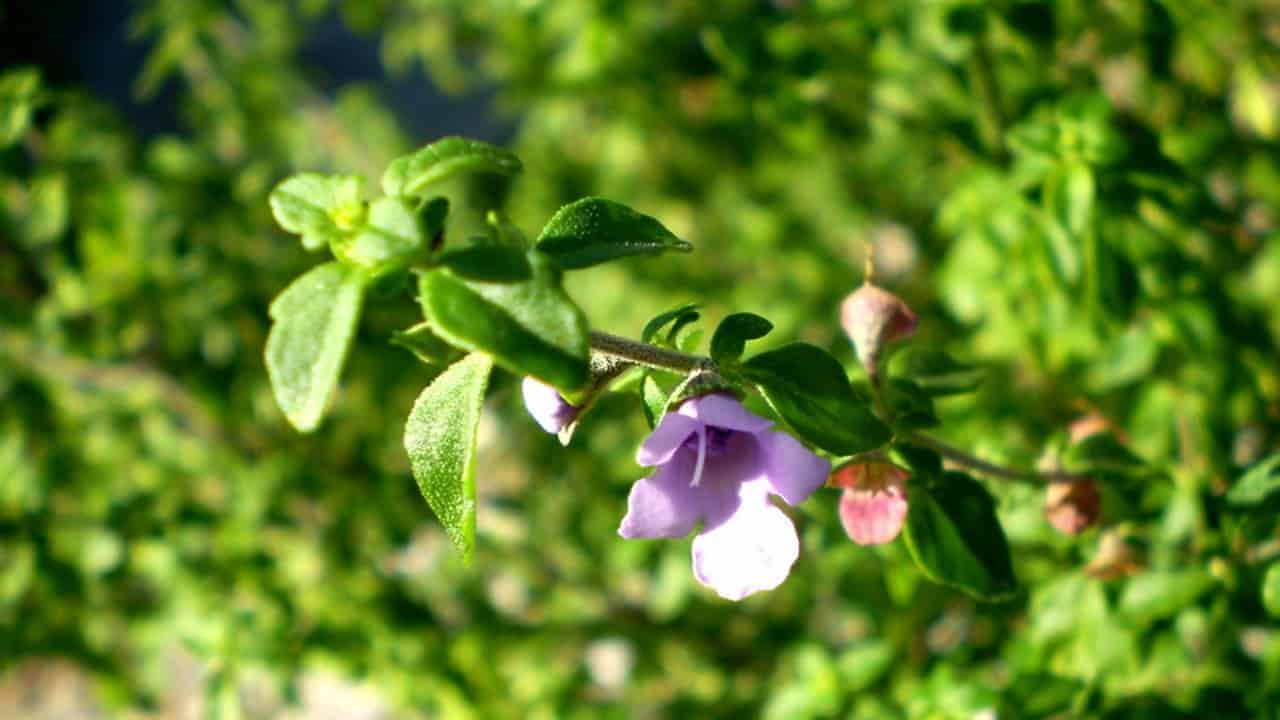
Before we embark on the journey of cultivation, it’s crucial to appreciate what makes native thyme special. Unlike some of its more domesticated cousins, native thymes often possess a wilder spirit, adapted to specific regional climates and soil conditions. This means they can be incredibly low-maintenance once established, requiring minimal intervention. They are often characterized by their sprawling growth habit, delicate foliage, and a potent, earthy aroma that can vary subtly depending on the species. Common native thymes include Thymus serpyllum (Creeping Thyme), Thymus pulegioides (Wild Thyme), and various other indigenous species found across different continents. Their adaptability makes them excellent choices for rock gardens, borders, and even as a groundcover.

Choosing the Right Location: The Foundation of Thyme Success
The most critical factor in successful native thyme cultivation is selecting the ideal location. Thyme, in its natural habitat, thrives in well-drained, sunny environments.
- Sunlight: Native thyme absolutely adores sunshine. Aim for a location that receives at least 6-8 hours of direct sunlight per day. While some varieties can tolerate partial shade, their growth will be less vigorous, and their aroma may be diminished. Insufficient sunlight can also lead to leggy growth and increased susceptibility to fungal diseases.
- Soil Drainage: This is non-negotiable for thyme. Thyme detests "wet feet." Its roots will rot in waterlogged soil. If you have heavy clay soil, it’s imperative to amend it. Incorporate generous amounts of coarse sand, grit, or perlite to improve drainage. Raised beds are an excellent option for gardeners with challenging soil. The ideal soil pH for most native thymes is slightly alkaline to neutral, typically between 6.0 and 7.5.
- Air Circulation: Good air circulation helps prevent fungal issues. Avoid planting thyme in overly crowded areas where air cannot freely move around the plants. This is particularly important in humid climates.
- Companion Planting: Native thyme is a fantastic companion plant. It can deter pests like cabbage moths and aphids. Consider planting it near vegetables like tomatoes, cabbage, and broccoli, or alongside other herbs that appreciate similar conditions.
Planting Your Native Thyme: From Seed to Established Plant
Whether you’re starting from seed, cuttings, or purchasing young plants, the planting process is straightforward.
- Starting from Seed: Sowing thyme seeds indoors 6-8 weeks before the last frost is a common method. Use a well-draining seed-starting mix and sow seeds thinly on the surface, as they require light to germinate. Keep the soil consistently moist but not soggy. Once seedlings have a few sets of true leaves and the danger of frost has passed, they can be transplanted outdoors.
- From Cuttings: This is an excellent way to propagate thyme, especially if you have a healthy existing plant. Take 4-6 inch cuttings from healthy, non-flowering stems in late spring or early summer. Remove the lower leaves and dip the cut end in rooting hormone (optional but recommended). Plant the cuttings in a well-draining potting mix and keep them moist. Roots typically form within 3-4 weeks.
- Transplanting Young Plants: When planting nursery-bought thyme or seedlings, dig a hole slightly larger than the root ball. Gently loosen any compacted roots. Place the plant in the hole so that the top of the root ball is level with the surrounding soil. Backfill with soil and water thoroughly. Space plants according to their mature size, typically 6-12 inches apart, depending on the variety.
Watering: The Art of Moderation
Once established, native thyme is remarkably drought-tolerant. Overwatering is the most common cause of its demise.
- New Plants: Water newly planted thyme regularly until they are established, ensuring the soil remains consistently moist but not saturated.
- Established Plants: Once your thyme has settled in, reduce watering significantly. Water deeply but infrequently, allowing the soil to dry out completely between waterings. The leaves may start to droop slightly when the plant is thirsty, but they will perk up after watering. In hot, dry climates, you might need to water once a week or so during prolonged dry spells. In cooler, more humid climates, watering might be needed only once a month or even less.
- Observe Your Plant: The best indicator of watering needs is to check the soil moisture with your finger. If the top inch of soil feels dry, it’s time to water.
Fertilizing: Less is More
Native thyme is not a heavy feeder. In fact, over-fertilizing can lead to lush, leafy growth that is less aromatic and more susceptible to pests and diseases.
- Initial Fertilization: If you amended your soil with compost before planting, you likely won’t need to fertilize for the first year.
- Ongoing Feeding: For established plants, a light feeding in early spring with a balanced, slow-release organic fertilizer is usually sufficient. Alternatively, a thin layer of compost around the base of the plant in spring can provide all the nutrients it needs. Avoid high-nitrogen fertilizers, which encourage leafy growth at the expense of flavor and aroma.
Pruning and Deadheading: Maintaining Shape and Encouraging Growth
Regular pruning is essential for maintaining the shape of your native thyme, preventing it from becoming leggy, and encouraging bushier growth.
- Regular Trimming: Throughout the growing season, you can pinch back or trim stems to encourage a more compact and bushy habit. This is also a great way to harvest sprigs for culinary use.
- Spring Pruning: In early spring, before new growth begins, give your thyme a more significant haircut. Cut back any dead or woody stems and trim the plant back by about one-third to one-half to promote fresh, vigorous growth.
- Deadheading: While not strictly necessary, deadheading spent flowers can prevent the plant from putting energy into seed production and can encourage it to produce more foliage.
Pest and Disease Management: A Hardy Herb’s Defense
Native thyme is generally a robust and pest-resistant herb. However, certain issues can arise, primarily due to improper care.
- Root Rot: This is the most common problem and is almost always caused by overwatering and poor drainage. Ensure your soil drains exceptionally well, and water only when necessary.
- Aphids: Occasionally, aphids can infest thyme. A strong spray of water can often dislodge them. If the infestation is severe, insecticidal soap or neem oil can be used.
- Spider Mites: In hot, dry conditions, spider mites can be an issue. Increasing humidity (by misting the area around the plants, not directly on the foliage if possible) or using insecticidal soap can help.
- Fungal Diseases: Powdery mildew can sometimes appear, especially in humid conditions with poor air circulation. Ensure good airflow and avoid overhead watering. Pruning out affected parts promptly can help prevent spread.
Harvesting Your Aromatic Bounty
The best time to harvest native thyme is when the plant is in full bloom or just before, as this is when its essential oils are most concentrated.
- Timing: Harvest in the morning after the dew has dried but before the heat of the day. This ensures the best flavor and aroma.
- Method: Use clean scissors or pruning shears to snip off stems. You can harvest individual leaves or entire sprigs. For a continuous harvest, prune regularly throughout the growing season.
- Drying and Storing: To dry thyme, tie small bundles of stems together and hang them upside down in a cool, dark, well-ventilated area. Alternatively, you can spread the sprigs on a drying screen or in a dehydrator on a low setting. Once completely dry, strip the leaves from the stems and store them in airtight containers in a cool, dark place. Fresh thyme can also be frozen in ice cube trays with water or olive oil.
Native Thyme Recipes: Bringing the Garden to Your Plate
The versatility of native thyme extends from its garden presence to its culinary applications. Its earthy, peppery, and slightly floral notes can elevate a wide range of dishes.
1. Simple Roasted Chicken with Thyme and Lemon
This classic dish showcases the robust flavor of thyme.
-
Ingredients:
- 1 whole chicken (3-4 lbs)
- 2 lemons, halved
- 4-5 sprigs fresh native thyme
- 2 tablespoons olive oil
- Salt and freshly ground black pepper to taste
- Optional: 1 head garlic, halved crosswise
-
Instructions:
- Preheat oven to 425°F (220°C).
- Pat the chicken dry inside and out with paper towels.
- Rub the chicken all over with olive oil, salt, and pepper.
- Stuff the cavity with 2 sprigs of thyme and one lemon half. If using garlic, add it to the cavity as well.
- Place the chicken in a roasting pan. Tuck the remaining lemon halves and thyme sprigs around the chicken.
- Roast for 1 hour to 1 hour 15 minutes, or until the internal temperature of the thickest part of the thigh reaches 165°F (74°C) and the juices run clear. Baste occasionally with pan juices.
- Let the chicken rest for 10-15 minutes before carving.
2. Creamy Thyme Mushroom Risotto
The earthy notes of thyme complement the richness of mushrooms and creamy Arborio rice.
-
Ingredients:
- 1 tablespoon olive oil
- 1 tablespoon butter
- 1 medium onion, finely chopped
- 2 cloves garlic, minced
- 1 lb mixed mushrooms (cremini, shiitake, oyster), sliced
- 1 ½ cups Arborio rice
- ½ cup dry white wine
- 4-6 cups hot vegetable or chicken broth
- 2 tablespoons fresh native thyme leaves, chopped
- ½ cup grated Parmesan cheese
- Salt and freshly ground black pepper to taste
-
Instructions:
- Heat olive oil and butter in a large, heavy-bottomed pot or Dutch oven over medium heat. Add the onion and cook until softened, about 5-7 minutes.
- Add the garlic and mushrooms and cook until the mushrooms are browned and have released their liquid, about 8-10 minutes.
- Stir in the Arborio rice and cook for 1-2 minutes, stirring constantly, until the edges of the grains are translucent.
- Pour in the white wine and cook, stirring, until it has evaporated.
- Begin adding the hot broth, one ladleful at a time, stirring constantly until each addition is absorbed before adding the next. Continue this process until the rice is creamy and al dente, about 20-25 minutes.
- Stir in the chopped thyme and Parmesan cheese. Season with salt and pepper to taste.
- Serve immediately, garnished with a few extra thyme leaves if desired.
3. Thyme-Infused Olive Oil
A simple way to preserve the essence of thyme for dressings, marinades, and drizzling.
-
Ingredients:
- 1 cup good quality extra virgin olive oil
- 4-5 sprigs fresh native thyme
-
Instructions:
- Wash and thoroughly dry the thyme sprigs.
- Place the thyme sprigs in a clean, sterilized glass bottle or jar.
- Pour the olive oil over the thyme, ensuring the sprigs are fully submerged.
- Seal the bottle or jar tightly.
- Let the oil infuse at room temperature for at least 2-3 days, or up to a week for a more intense flavor.
- Strain the oil through a fine-mesh sieve or cheesecloth to remove the thyme sprigs.
- Store the infused oil in a cool, dark place. It will keep for several months.
Conclusion: A Rewarding and Aromatic Endeavor
Cultivating native thyme is a deeply rewarding experience. Its resilience, adaptability, and the sheer pleasure of its fragrance make it a standout in any garden. By understanding its simple needs for sunshine, excellent drainage, and judicious watering, you can ensure a thriving plant that not only beautifies your landscape but also provides a constant supply of its aromatic leaves for a myriad of culinary delights. Embrace the wild spirit of native thyme, and let its fragrance and flavor enrich your life and your table.


