
Murnong: The Resilient Yam Daisy and Its Cultivation
The Murnong, scientifically known as Microseris species, holds a significant place in the ecological and cultural landscape of southeastern Australia. Once a staple food source for Indigenous Australians, this unassuming perennial herb, commonly referred to as the yam daisy, is experiencing a resurgence in interest. Its resilience, unique edible tubers, and historical importance make it a fascinating subject for gardeners and conservationists alike. This article delves into the care and cultivation of Murnong, offering insights into its needs and potential uses.
Understanding Murnong: A Botanical Perspective
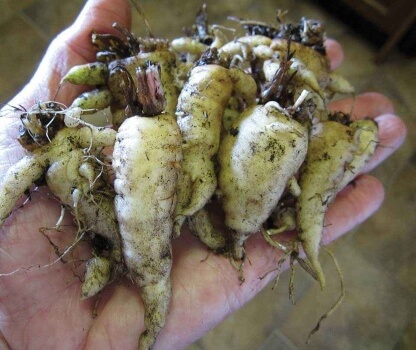
Murnong belongs to the Asteraceae family, a diverse group that includes daisies and sunflowers. The genus Microseris encompasses several species native to Australia, with Microseris lanceolata being the most widely recognized and historically significant for its edible tubers. These plants are characterized by their basal rosette of lance-shaped leaves and a solitary, bright yellow flower atop a slender stalk, resembling a miniature dandelion. The true prize, however, lies beneath the soil: a starchy, potato-like tuber that was a vital food source for Aboriginal peoples for millennia.

The tubers are typically harvested in the dry season, when their starch content is at its peak. They can be eaten raw, roasted, boiled, or mashed, offering a versatile and nutritious food. The plant’s ability to thrive in a variety of Australian conditions, from coastal heaths to inland grasslands, speaks to its inherent hardiness.
Cultivation: Bringing Murnong into Your Garden
Cultivating Murnong can be a rewarding experience, allowing you to connect with a piece of Australia’s natural heritage. While they are relatively low-maintenance once established, understanding their specific needs is crucial for success.
1. Site Selection: The Foundation of Success
Murnong thrives in well-drained soil and prefers a sunny to partly shaded location. Avoid areas that are prone to waterlogging, as this can lead to tuber rot. In its native habitat, Murnong often grows in sandy or loamy soils, but it can adapt to a range of soil types as long as drainage is adequate. If your soil is heavy clay, consider amending it with compost and coarse sand to improve aeration and drainage.
2. Propagation: Starting Your Murnong Journey
Murnong can be propagated from seed or by dividing existing tubers.
-
From Seed: Seeds can be sown in late autumn or early spring. They benefit from a period of cold stratification, meaning they should be exposed to cool temperatures for a few weeks before sowing. Sow seeds thinly in trays filled with a seed-raising mix, and keep them moist but not waterlogged. Germination can be slow and irregular, so patience is key. Once seedlings have developed a few true leaves, they can be transplanted into individual pots or directly into their final garden position.
-
From Tuber Division: This is often the most straightforward method for obtaining established plants. Healthy Murnong tubers can be carefully dug up and divided. Ensure each division has at least one bud or growth point. Replant the divisions immediately in well-prepared soil, ensuring the top of the tuber is just below the soil surface. The best time for tuber division is typically in late winter or early spring, before new growth begins.
3. Planting and Spacing
When planting seedlings or tuber divisions, space them approximately 30-40 cm apart to allow for adequate growth and air circulation. This spacing will also make it easier to harvest the tubers later.
4. Watering: The Art of Balance
Murnong is remarkably drought-tolerant once established, reflecting its adaptation to Australia’s often dry climate. However, during the initial establishment phase, regular watering is important to encourage root development. Water deeply and less frequently, allowing the soil to dry out slightly between waterings. Once the plant is mature, it will require minimal watering, particularly if grown in a climate with natural rainfall. Avoid overwatering, as this is the most common cause of tuber rot.
5. Soil and Fertilization: Nurturing the Ground
Murnong is not a heavy feeder. In fact, excessive fertilization can lead to lush foliage at the expense of tuber development. A light dressing of compost or well-rotted manure incorporated into the soil at planting time is usually sufficient. If your soil is particularly poor, a balanced, slow-release organic fertilizer can be applied in spring, but use it sparingly. The focus should be on good soil structure and drainage rather than nutrient-rich soil.
6. Weeding: Keeping Competition at Bay
Regular weeding is important, especially in the early stages of growth, to prevent competition for water and nutrients. As Murnong matures and forms a dense basal rosette, it will naturally suppress many weeds. Be mindful when weeding around Murnong plants, as disturbing the soil too much can damage the developing tubers.
7. Pests and Diseases: Vigilance and Prevention
Murnong is generally a robust plant with few pest and disease issues. Its resilience is a testament to its evolutionary history. However, like any plant, it can occasionally be affected by:
- Aphids: These small insects can sometimes infest new growth. A strong jet of water or an insecticidal soap can usually control them.
- Slugs and Snails: These mollusks can damage young seedlings and tender foliage. Barriers such as copper tape or diatomaceous earth can offer protection.
- Root Rot: This is the most significant threat and is almost always caused by poor drainage and overwatering. Ensuring good soil aeration and avoiding waterlogged conditions are the best preventative measures.
8. Harvesting: The Sweet Reward
The tubers of Murnong are typically ready for harvest in the dry season, usually from late spring through summer. Signs that the plant is ready to be harvested include the yellowing and dying back of the foliage.
To harvest, carefully dig around the base of the plant with a fork or spade, being careful not to damage the tubers. Gently unearth the tubers. They can range in size from small to quite substantial, depending on the age and health of the plant.
9. Post-Harvest and Storage
Freshly harvested tubers should be cleaned of excess soil. They can be stored for a short period in a cool, dark, and dry place. For longer storage, they can be dried and stored, or cooked and then frozen.
The Cultural Significance of Murnong
The history of Murnong is deeply intertwined with the survival and culture of Indigenous Australians. For thousands of years, these tubers were a primary food source, providing essential carbohydrates and nutrients. Aboriginal people developed sophisticated cultivation techniques, managing Murnong patches to ensure a sustainable harvest. They understood the plant’s life cycle and its ecological requirements, practicing fire management and other land management techniques to maintain healthy Murnong populations.
The arrival of European settlers and the subsequent agricultural practices led to the decline of Murnong populations in many areas. Its cultivation and widespread availability diminished significantly. Today, there is a growing effort to reintroduce Murnong into the landscape and to revive traditional knowledge surrounding its cultivation and use.
Murnong in the Modern Garden
Beyond its historical significance, Murnong offers a unique and rewarding addition to the modern garden. Its resilience makes it suitable for a range of climates, and its edible tubers provide a novel food source. Growing Murnong can be an educational experience, fostering an appreciation for native Australian plants and their ecological roles.
Potential Uses and Recipes
While detailed traditional recipes are often passed down orally, the culinary potential of Murnong tubers is significant. Their starchy texture and mild, slightly sweet flavor make them adaptable to various cooking methods.
Here are some ideas for preparing Murnong tubers, drawing inspiration from general knowledge of root vegetables:
General Preparation Tips:
- Washing: Thoroughly wash the tubers to remove all soil.
- Peeling: Depending on the size and thickness of the skin, you may choose to peel them, especially if the skin is tough.
- Cooking: Like potatoes, Murnong can be boiled, roasted, mashed, or added to stews and casseroles.
Recipe Ideas:
Due to the scarcity of widely documented specific Murnong recipes, these are conceptual ideas based on the tuber’s likely characteristics.
1. Roasted Murnong
-
Ingredients:
- Murnong tubers, washed and cut into bite-sized pieces
- Olive oil or other cooking oil
- Salt and pepper to taste
- Optional: Herbs like rosemary or thyme, garlic powder
-
Instructions:
- Preheat your oven to 200°C (400°F).
- Toss the Murnong pieces with olive oil, salt, pepper, and any optional seasonings.
- Spread the seasoned Murnong in a single layer on a baking sheet.
- Roast for 25-40 minutes, or until tender and lightly browned, turning occasionally.
2. Murnong Mash
-
Ingredients:
- Murnong tubers, washed and boiled until tender
- Butter or olive oil
- Milk or cream (optional, for creaminess)
- Salt and pepper to taste
- Optional: Chopped chives or parsley
-
Instructions:
- Boil the Murnong tubers in salted water until fork-tender.
- Drain the tubers thoroughly.
- Mash the tubers using a potato masher or ricer.
- Add butter or olive oil and a splash of milk or cream if desired.
- Season with salt and pepper to taste.
- Stir in chopped herbs if using.
3. Murnong Stew or Casserole Addition
-
Ingredients:
- Murnong tubers, peeled and cut into chunks
- Your favorite stew or casserole ingredients (e.g., meat, other vegetables, broth)
-
Instructions:
- Add the Murnong chunks to your stew or casserole during the last 30-45 minutes of cooking, or until they are tender. They will absorb the flavors of the dish.
4. Murnong Fritters (Conceptual)
-
Ingredients:
- Murnong tubers, grated or finely mashed
- 1 egg, lightly beaten
- 1/4 cup flour (or more, as needed for binding)
- Salt and pepper to taste
- Optional: Finely chopped onion or herbs
- Oil for frying
-
Instructions:
- In a bowl, combine the grated/mashed Murnong with the beaten egg, flour, salt, pepper, and any optional ingredients. Mix until a cohesive batter forms. Add more flour if the mixture is too wet.
- Heat oil in a frying pan over medium heat.
- Drop spoonfuls of the batter into the hot oil and flatten them slightly.
- Fry for 3-5 minutes per side, or until golden brown and cooked through.
- Drain on paper towels.
Challenges and Opportunities
The reintroduction of Murnong faces challenges, including the need to educate the public about its cultivation and culinary potential, and the importance of sourcing seeds or tubers from reputable native plant nurseries. However, the opportunities are immense. Murnong can play a role in ecological restoration, provide a unique food experience, and reconnect communities with their ancestral food heritage.
Conclusion
Murnong, the humble yam daisy, is more than just a plant; it is a living link to Australia’s past. Its resilience, adaptability, and nutritional value make it a valuable addition to gardens and a symbol of ecological and cultural revival. By understanding its care requirements and embracing its potential, we can ensure that this remarkable plant continues to thrive for generations to come. Cultivating Murnong is an act of respect for the land and its original custodians, offering a taste of history and a promise of a more sustainable future.


