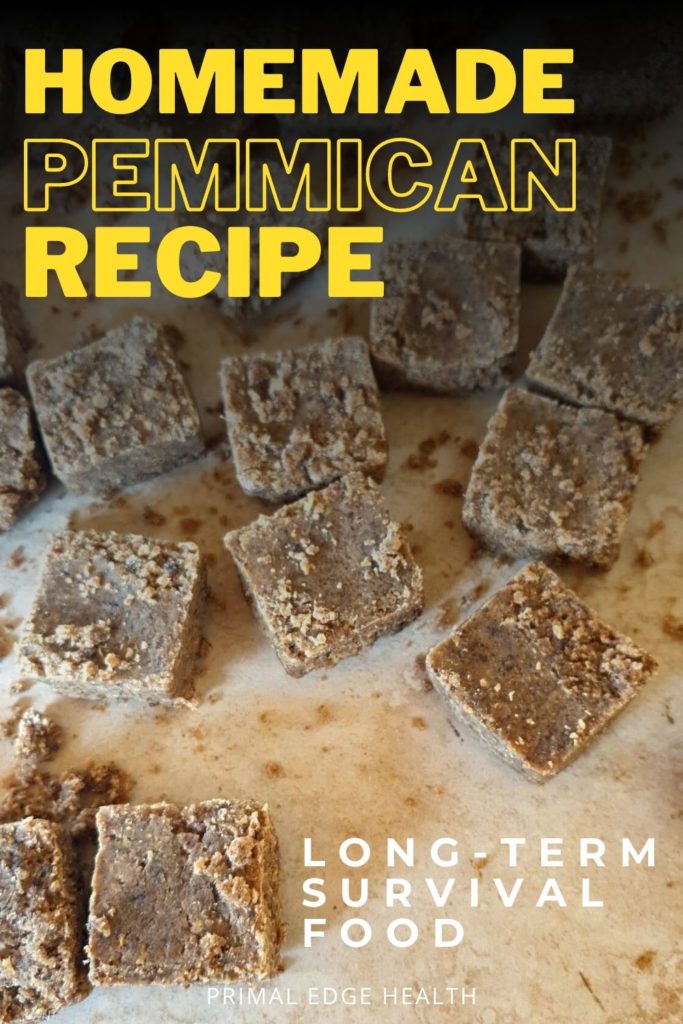
Imagine a food so potent, so enduring, it fueled explorers across continents and sustained ancient civilizations through harsh winters. This isn’t a mythical tale; it’s the reality of pemmican, an extraordinary survival superfood that has stood the test of time.
Pemmican, derived from the Cree word ‘pimîhkân’ meaning ‘manufactured grease,’ is a traditional concentrated food preparation historically made by indigenous peoples of North America. It’s a remarkable blend of lean, dried meat and rendered animal fat, often with added berries.
More than just a historical curiosity, pemmican remains highly relevant today. It’s the ultimate compact, high-energy ration for hikers, campers, preppers, and anyone seeking a shelf-stable, nutrient-dense food source that requires no refrigeration.
Its appeal lies in its simplicity, incredible nutritional profile, and unparalleled shelf life. A properly made batch of pemmican can last for years, even decades, making it an invaluable asset for emergency preparedness and long-term food storage.

Before we dive into the creation of this ancient superfood, let’s set expectations for the journey ahead. Crafting pemmican is more about patience and precision than complex culinary skills.
Estimated Prep Time: 30-60 minutes (active mixing) + 8-24 hours (meat drying time, depending on method) + 2-4 hours (fat rendering).
Estimated Cooling/Setting Time: 2-4 hours.
Difficulty Level: Moderate. The process is straightforward, but attention to detail, especially in meat preparation and fat rendering, is crucial for success and longevity.
Yield: Approximately 10-15 substantial bars or a large block, depending on your desired portion size and the amount of ingredients used.
The beauty of pemmican lies in its minimalist ingredient list, yet the quality of each component is paramount. We’ll focus on the core elements first, then explore optional additions.
- Lean Meat: Approximately 1 kg (2.2 lbs) of lean beef, venison, bison, or elk. The leaner, the better, as any residual fat can reduce shelf life.
- Rendered Animal Fat (Tallow): 500g – 1 kg (1.1 – 2.2 lbs) of suet or other pure animal fat (beef tallow is most common and highly recommended).
- Dried Berries: 100-200g (3.5-7 oz) of unsweetened dried cranberries, blueberries, saskatoons, or currants.
- Nuts/Seeds: 50-100g (1.7-3.5 oz) of crushed nuts (almonds, walnuts) or seeds (chia, flax) for added texture and nutrients.
- Natural Sweetener: 1-2 tablespoons of raw honey or maple syrup (optional, for taste and a slight binding effect).
- Salt: 1 teaspoon of fine sea salt (optional, for flavor and preservation).

Remember, traditional pemmican is just meat and fat. Any additions are for modern palates and can slightly impact shelf life, so use them judiciously if extreme longevity is your primary goal.
Let’s embark on the journey of creating your own authentic pemmican. Follow these detailed steps carefully for an anti-fail result.
Step 1: Prepare the Meat (Drying & Pulverizing)
- Begin by trimming all visible fat from your lean meat. Slice the meat into very thin strips, ideally against the grain, about 1/8 inch thick.
- Dehydrate the meat until it is completely brittle and snaps easily. This can be done in a food dehydrator (follow manufacturer’s instructions, usually 8-12 hours at 60°C/140°F), or in a low oven (around 70-80°C/160-175°F) with the door slightly ajar for 8-12 hours, flipping occasionally. Crucially, absolutely no moisture should remain.
- Once fully dry and cooled, break the jerky into smaller pieces. Grind these pieces into a fine powder using a powerful blender, food processor, or even a mortar and pestle. The finer the powder, the better the pemmican texture.
Step 2: Render the Animal Fat (Creating Tallow)
- Cut your suet or animal fat into small, uniform pieces. The smaller the pieces, the faster and more efficiently it will render.
- Place the fat in a heavy-bottomed pot or Dutch oven over very low heat. Allow it to slowly melt, stirring occasionally. This process can take 2-4 hours. The goal is to melt the fat and separate it from any connective tissue or impurities without burning it.
- Once all the fat has melted and the cracklings (crispy bits) have separated and sunk or floated, carefully strain the liquid fat through a fine-mesh sieve lined with cheesecloth into a clean, heat-proof container. You want perfectly clear, pure rendered fat (tallow). Discard the cracklings or save them for another use.
- Allow the rendered fat to cool slightly but keep it liquid.
Step 3: Combine Ingredients
- In a large mixing bowl, combine the finely ground dried meat powder with any optional dry additions like dried berries, crushed nuts, or salt. Mix thoroughly to ensure even distribution.
- Gradually pour the still-liquid, warm (but not scalding hot) rendered fat over the meat mixture. The ideal ratio is typically 1:1 by weight (meat powder to rendered fat), but you can adjust slightly to your preference. Some prefer a 60% fat to 40% meat ratio for a softer pemmican.
- If using honey or maple syrup, add it now.
- Mix everything together thoroughly. Use your hands (wearing gloves) if necessary, as it can be quite stiff. The mixture should be uniform and hold together when pressed, resembling a thick, dense dough.
Step 4: Form the Pemmican
- Press the pemmican mixture firmly into a clean pan, baking dish, or silicone molds. You can also shape it into individual bars or balls by hand. Ensure it is packed very tightly to remove any air pockets, which can reduce shelf life.
- Aim for a thickness of 1-2 inches for bars, or simply fill your chosen mold.
Step 5: Cool and Store
- Place the formed pemmican in the refrigerator or a cool place for 2-4 hours to allow the fat to solidify completely.
- Once solid, cut it into desired portions if it’s in a block. Wrap each piece tightly in parchment paper, then in aluminum foil, and finally place in an airtight container or vacuum-seal bags.
- Store your finished pemmican in a cool, dark, dry place. A pantry, cellar, or even a root cellar is ideal.
Achieving perfect, long-lasting pemmican requires a few insider tricks. Pay attention to these details, and your survival superfood will be a resounding success.
Tip 1: Absolute Dryness is Key for Meat. Any residual moisture in the meat will lead to spoilage. Dehydrate until the jerky snaps cleanly without bending. This is non-negotiable for long-term storage.
Tip 2: Pure Rendered Fat. Ensure your rendered fat (tallow) is perfectly clear and free of any meat particles or water. Impurities can cause rancidity. Slow rendering at a low temperature is crucial.
Tip 3: The Right Ratio. While a 1:1 meat-to-fat ratio by weight is traditional, don’t be afraid to adjust slightly. More fat makes a softer, higher-calorie pemmican, while more meat makes it chewier and higher in protein. Find your balance.
Tip 4: Pack it Tight. When forming the pemmican, press it down as firmly as possible. Eliminating air pockets is vital for preventing oxidation and extending shelf life.
Tip 5: Quality Ingredients Matter. Use the highest quality, leanest meat and freshest fat you can find. Organic, grass-fed options often yield superior results and nutritional profiles.
Tip 6: Label and Date. Although pemmican lasts a very long time, it’s always good practice to label your batches with the creation date. This helps with inventory management, especially if you experiment with different ratios or additives.
Tip 7: Experiment with Flavor. While traditional pemmican is plain, don’t hesitate to add a pinch of chili powder, garlic powder, or other spices if you’re making a batch for shorter-term consumption (e.g., a hiking trip next month) and want a more palatable snack.
Pemmican is renowned for its incredible energy density and comprehensive nutritional profile, making it a true survival powerhouse.
- Calories: 500-700 kcal (highly dependent on fat content)
- Fat: 40-60g (primarily saturated fat from tallow, which is stable)
- Protein: 25-40g
- Carbohydrates: 0-10g (negligible unless significant fruit/honey added)
- Vitamins & Minerals: Contains iron, B vitamins, and fat-soluble vitamins (A, D, E, K2) from grass-fed tallow.
This makes pemmican an exceptional source of sustained energy, ideal for situations requiring high caloric intake and minimal bulk. It provides essential macronutrients in a highly bioavailable form.
Crafting pemmican is more than just making a meal; it’s connecting with an ancient tradition of self-sufficiency and preparedness. This simple yet powerful food offers peace of mind, knowing you have a reliable source of nutrition for any adventure or unforeseen circumstance.
With this anti-fail guide, you’re now equipped to create your own batches of this incredible survival superfood. Enjoy the process, savor the history, and empower yourself with the ultimate long-lasting fuel.


:max_bytes(150000):strip_icc()/best-ever-succotash-recipe-3x4-61-c9230cceec7b4e15aeda6c213d42da12.jpg?w=200&resize=200,135&ssl=1 "Succotash: A Flavorful Fusion of Summer’s Best")
