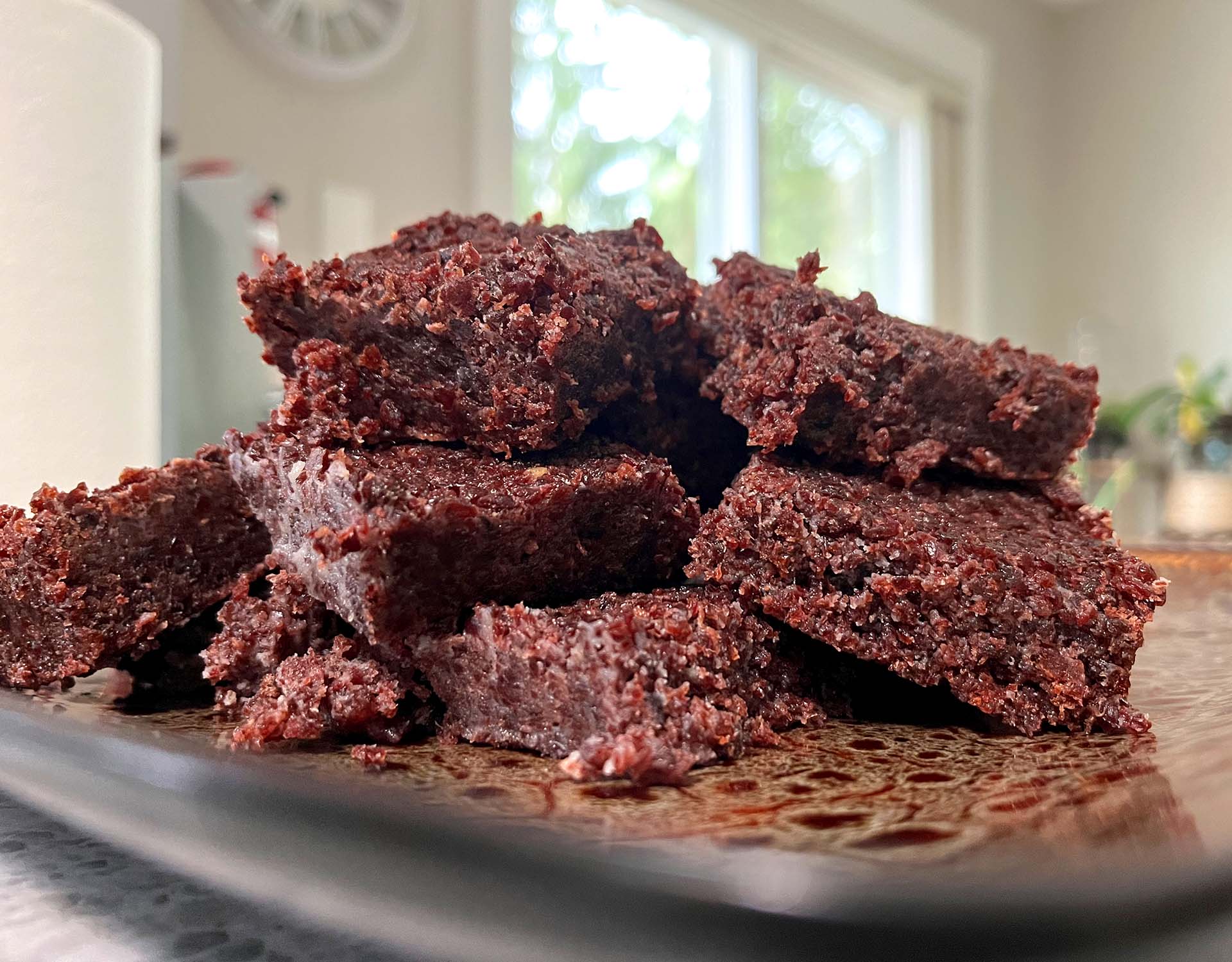
Pemmican, a superfood steeped in history and survival lore, is far more than just a simple foodstuff; it’s a testament to human ingenuity and resilience. Originating from Indigenous peoples of North America, particularly the Cree, the word ‘pemmican’ itself is derived from the Cree word ‘pimîhkân’, meaning ‘manufactured grease’. This incredibly energy-dense and portable food sustained explorers, fur traders, and travelers through harsh conditions for centuries.
Imagine a compact block of pure, unadulterated energy, capable of fueling you through arduous journeys, extreme climates, or unexpected emergencies. That’s pemmican. Unlike modern energy bars laden with artificial ingredients, traditional pemmican relies on a potent combination of lean, dried meat and rendered animal fat, often enhanced with dried berries.
Its appeal lies not only in its historical significance but also in its unparalleled practicality. Pemmican requires no refrigeration, boasts an incredibly long shelf life (potentially decades if prepared correctly), and provides a concentrated source of protein, fat, and essential nutrients. For modern adventurers, hikers, preppers, or anyone interested in self-sufficiency, mastering the art of pemmican-making is an invaluable skill.
This guide will walk you through an anti-fail method to create your own batches of this legendary survival food. We’ll demystify the process, ensuring that even first-time makers can achieve delicious, long-lasting results. Prepare to tap into an ancient wisdom that could very well become your go-to solution for portable, nutritious sustenance.
The beauty of pemmican lies in its simplicity, yet achieving the perfect balance and texture requires attention to detail. Our recipe focuses on traditional methods, while offering modern adaptations to make the process accessible in any kitchen. Get ready to embark on a culinary journey that connects you to the past and prepares you for the future.
- Active Preparation Time: 2-3 hours (excluding meat drying time, which can be 8-24 hours)
- Cooling/Setting Time: 2-4 hours
- Skill Level: Easy to Medium (the most time-consuming part is drying the meat)
- Yield: Approximately 2-3 lbs (1-1.5 kg) of pemmican, depending on ingredient quantities. This can be portioned into many servings.
Our recipe focuses on the core components that define pemmican, ensuring both authenticity and nutritional efficacy.
- 1.5 lbs (approx. 700g) Lean Meat: Beef, Venison, Bison, or Elk are excellent choices. Opt for very lean cuts with minimal connective tissue. The leaner, the better for drying and longevity.
- 1.5 lbs (approx. 700g) Rendered Animal Fat (Tallow/Suet): Beef tallow is traditional and highly recommended for its stability and neutral flavor. You can buy pre-rendered tallow or render your own from suet (kidney fat).
While traditional pemmican is often just meat and fat, these additions can improve palatability and provide extra nutrients.
- 1/2 – 1 cup Dried Berries: Cranberries, Blueberries, Saskatoons, or Cherries work wonderfully. Ensure they are unsweetened and thoroughly dried.
- 2-4 tbsp Honey or Maple Syrup (Optional): For a touch of sweetness, though less traditional. Use sparingly to avoid affecting shelf life.
- 1/4 cup Chopped Nuts or Seeds (Optional): Almonds, Walnuts, Pecans, or Pumpkin Seeds can add texture and additional nutrients.
- Pinch of Salt (Optional): To taste, for flavor enhancement.
Follow these detailed instructions carefully to ensure your pemmican is perfectly prepared for long-term storage and maximum nutritional benefit.
Step 1: Preparing and Drying the Meat
This is the most crucial step for longevity. Start by slicing your lean meat against the grain into very thin strips, about 1/8 inch (3mm) thick. Trim away every single piece of visible fat and connective tissue; these can cause spoilage.
You have several options for drying:
- Dehydrator: Lay strips in a single layer. Dry at 145-155°F (63-68°C) for 8-12 hours, or until completely brittle and snapping when bent.
- Oven: Arrange strips on racks over baking sheets. Set oven to its lowest temperature (usually 150-200°F / 65-93°C) and prop the door open slightly with a wooden spoon for ventilation. Dry for 10-24 hours, checking periodically until brittle.
- Sun/Air Drying (Traditional): In dry, warm climates with good airflow, hang strips in direct sunlight or a well-ventilated area, protected from insects. This can take several days.
Ensure the meat is bone-dry and breaks like glass. Any moisture will lead to spoilage.
Step 2: Grinding the Dried Meat into Powder
Once the meat is thoroughly dried and brittle, break it into smaller pieces. Use a powerful food processor, blender, or even a mortar and pestle to grind the dried meat into a fine powder. The consistency should resemble coarse coffee grounds or a fine flour. This powdery form ensures even distribution and prevents large, chewy pieces in your pemmican.
Step 3: Rendering the Animal Fat (If Not Pre-Rendered)
If you’re using suet, chop it into small, uniform pieces. Place the suet in a heavy-bottomed pot over very low heat. Allow the fat to slowly melt, stirring occasionally, for 1-2 hours. Do not let it boil or smoke. The goal is to gently melt the fat and separate it from any solids (cracklings).
Once melted, strain the liquid fat through a fine-mesh sieve lined with cheesecloth into a clean, heat-proof container. This removes any impurities that could reduce shelf life. You should be left with clear, golden liquid tallow. Let it cool slightly but keep it warm enough to remain liquid.
Step 4: Combining the Ingredients
In a large, heat-resistant mixing bowl, combine the finely ground dried meat powder with your optional dried berries, chopped nuts/seeds, and salt if using. Mix these dry ingredients thoroughly until evenly distributed.
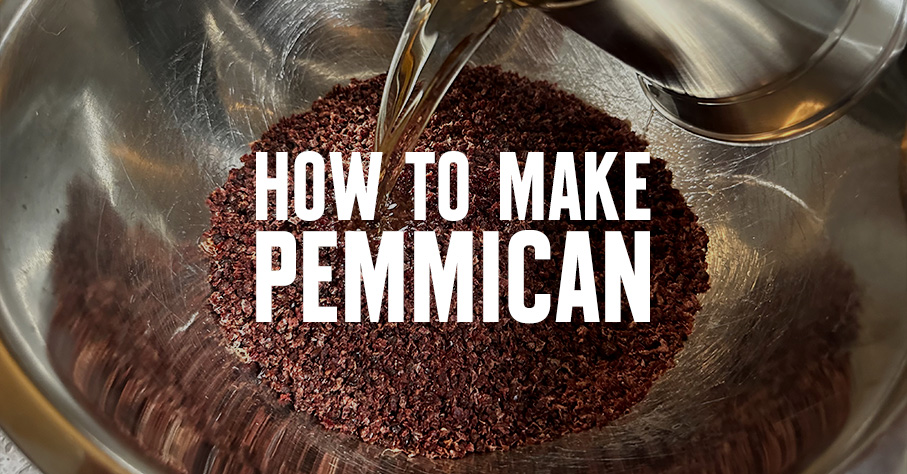
Gradually pour the warm, liquid rendered fat over the dry mixture. Start with about 1 cup of fat and mix well. The goal is to achieve a consistency where all the meat powder is coated and the mixture holds together when pressed, but isn’t overly greasy or soupy. Add more fat slowly, mixing continuously, until you reach the desired consistency.
If adding honey or maple syrup, warm it slightly to make it more pourable, then add it in with the fat, mixing thoroughly. Be mindful that too much sugar can reduce the shelf life, so use sparingly for long-term storage.
Step 5: Forming the Pemmican Blocks
Once thoroughly mixed, press the pemmican mixture firmly into molds. You can use loaf pans, small baking dishes lined with parchment paper, silicone molds, or even simply form them into compact balls or bars by hand. The key is to pack it down very tightly to remove any air pockets, which can contribute to spoilage.
For easier portioning later, you might press it into a pan and then score it with a knife before it fully sets, or make individual bars from the start. Aim for a thickness of 1-2 inches (2.5-5 cm).
Step 6: Cooling and Storage
Allow the pemmican to cool completely at room temperature until the fat solidifies and the blocks are firm. This can take a few hours. Once set, remove the pemmican from its molds. If you used a lined pan, you can lift it out easily.
Wrap individual blocks or bars tightly in parchment paper, then in plastic wrap, and finally in foil. For best long-term storage, place the wrapped pemmican in airtight containers or vacuum-seal them. Store in a cool, dark, dry place. Properly prepared pemmican can last for years, even decades, without refrigeration.
- Quality of Ingredients is Paramount: Always use the leanest possible meat and high-quality, stable animal fat (tallow). Impurities or residual fat on the meat are the primary causes of spoilage.
- Dry Meat Until Brittle: This cannot be stressed enough. If your meat is not absolutely bone-dry, it will spoil. When in doubt, dry it longer.
- Render Fat Thoroughly: Ensure your rendered fat is clear and free of any meat particles or water. Strain it multiple times if necessary.
- Achieve the Right Consistency: The ideal pemmican mixture should be like a stiff dough, firm enough to hold its shape when pressed but not crumbly or greasy. Adjust the fat content gradually.
- Pack Tightly to Eliminate Air: Air pockets are an enemy of long-term storage. Press the mixture as densely as possible into your molds.
- Experiment with Flavors: While traditional pemmican is plain, don’t hesitate to experiment with different dried berries, a pinch of cinnamon, or even a tiny bit of dried chili powder for a savory kick, especially for shorter-term consumption.
- Proper Storage is Key: Cool, dark, and dry conditions are essential for maximizing shelf life. Avoid humidity and temperature fluctuations.
Pemmican is a powerhouse of energy. Exact values vary depending on the specific meat, fat, and any additions.
- Calories: 500-600 kcal
- Protein: 25-35g
- Fat: 40-50g (mostly saturated, but highly stable and energizing)
- Carbohydrates: 5-10g (primarily from berries, if added)
This dense nutritional profile makes pemmican an exceptional choice for sustained energy and a crucial component of any emergency food supply or outdoor adventure kit. Enjoy the satisfaction of crafting this historical and practical superfood!


:max_bytes(150000):strip_icc()/best-ever-succotash-recipe-3x4-61-c9230cceec7b4e15aeda6c213d42da12.jpg?w=200&resize=200,135&ssl=1 "Succotash: A Flavorful Fusion of Summer’s Best")
