
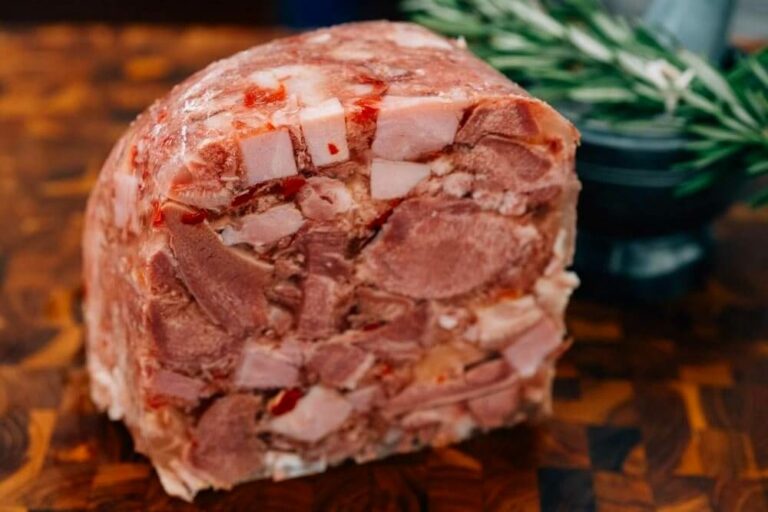
Hog Head Cheese, a dish steeped in tradition and rich culinary history, might sound intimidating to the uninitiated. However, this savory terrine, known by various names globally such as brawn or souse, is a true testament to nose-to-tail cooking, transforming humble ingredients into a gelatinous, flavorful masterpiece.
Far from being a dairy product, Hog Head Cheese is a delightful cold cut made from the cooked meat of a pig’s head, often combined with other collagen-rich parts like trotters, seasoned with a medley of aromatic spices, and then set in its own natural gelatinous broth.
Its origins can be traced back centuries, born out of necessity and ingenuity to utilize every part of the animal. It became a staple in many cultures, particularly in Southern United States, Cajun, Creole, and various European cuisines, celebrated for its unique texture and robust, comforting flavor profile.
This dish is perfect for a variety of occasions. It makes an excellent appetizer served cold with crackers or crusty bread, a hearty addition to a charcuterie board, or a unique sandwich filling. Imagine it as a centerpiece at a family gathering or a rustic picnic, offering a taste of heritage and culinary adventure.

Preparing Hog Head Cheese is a rewarding experience that connects you with time-honored cooking methods. While it requires patience, our anti-fail guide will walk you through each step, ensuring a successful and delicious outcome every time.
Let’s delve into the specifics. The estimated cooking time for this recipe is quite substantial, primarily due to the long simmering required to tenderize the meat and extract all the collagen. Expect approximately 5-6 hours of active cooking and preparation, plus an additional 8-12 hours for chilling and setting.
In terms of difficulty, we rate this recipe as Medium. It’s not overly complicated, but it demands attention to detail, especially during the cleaning, simmering, and seasoning phases. Beginners with a good grasp of basic cooking techniques should feel confident tackling it.
This recipe is designed to yield a generous amount, typically serving 10-12 people as an appetizer or side dish. The final volume can vary based on the size of the pig’s head and the mold used, but it’s always ample enough to share or enjoy over several days.
Essential Ingredients: Gathering Your Culinary Arsenal
- 1 whole pig’s head (approximately 5-7 lbs), thoroughly cleaned and split
- 2-3 pig’s trotters (feet), cleaned
- 1-2 lbs boneless pork shoulder (optional, for extra meatiness)
- Water (enough to cover ingredients)
- 2 large yellow onions, quartered
- 1 whole head of garlic, cloves smashed
- 4 bay leaves
- 1 tablespoon whole black peppercorns
- 1 tablespoon dried thyme
- 1 teaspoon ground allspice
- 1/2 teaspoon ground cloves
- 2-3 tablespoons kosher salt (adjust to taste)
- 1-2 teaspoons cayenne pepper (adjust to taste for heat)
- 1/4 cup apple cider vinegar (for brightness and balance)
- 2 carrots, roughly chopped
- 2 celery stalks, roughly chopped
- Fresh parsley, chopped (for garnish)
- Hot sauce, crackers, crusty bread, pickles, or mustard (for serving)
Step-by-Step Cooking Instructions: Crafting Your Masterpiece
Step 1: Preparation and Initial Cleaning. Begin by thoroughly cleaning the pig’s head and trotters. This is perhaps the most crucial step. Scrape off any hairs, remove any glands or unwanted bits, and rinse under cold running water multiple times until impeccably clean. If your butcher hasn’t split the head, you may need to do so carefully with a cleaver.
Step 2: Soaking (Optional but Recommended). For a cleaner flavor, you can soak the pig’s head and trotters in a large pot of cold, salted water for 2-4 hours, or even overnight in the refrigerator. This helps draw out any remaining impurities and blood, resulting in a clearer broth. Change the water once or twice.
Step 3: Initial Boil and Skimming. Place the cleaned pig’s head, trotters, and pork shoulder (if using) in a very large stockpot. Cover with cold water, ensuring all parts are submerged. Bring to a rolling boil over high heat. Once boiling, reduce heat immediately and skim off any foam or scum that rises to the surface. This step is vital for a clear, clean-tasting broth.
Step 4: Adding Aromatics and Simmering. After skimming, add the quartered onions, smashed garlic, bay leaves, whole black peppercorns, dried thyme, allspice, ground cloves, carrots, and celery to the pot. Reduce the heat to low, cover partially, and let it simmer gently for 4-5 hours, or until the meat is incredibly tender and easily falls off the bone.
Step 5: Checking for Tenderness. The meat is ready when it’s so tender you can easily pull it apart with a fork. Pay particular attention to the meat around the jowls and ears. If using pork shoulder, it will likely be tender sooner, but allow the head and trotters sufficient time.
Step 6: Removing Meat and Bones. Carefully remove all the meat, skin, and bones from the pot using a slotted spoon or tongs. Transfer them to a large bowl or platter. Allow the meat to cool slightly until it’s cool enough to handle.
Step 7: Straining the Broth. While the meat cools, strain the cooking liquid through a fine-mesh sieve into another clean pot or large heatproof bowl. Discard all the solids (vegetables, spices, small bones). This strained liquid is your precious natural gelatin.
Step 8: Shredding and Chopping the Meat. Once cool enough, separate all the edible meat and skin from the bones. Discard any gristle, excess fat, or small bone fragments. Finely chop or shred the meat and skin into small, uniform pieces. A good mix of lean meat and gelatinous skin is key to the texture.
Step 9: Reducing and Seasoning the Broth. Return the strained broth to the stove. Bring it to a simmer and reduce it slightly, aiming for about 6-8 cups of concentrated liquid. Stir in the kosher salt, cayenne pepper, and apple cider vinegar. Taste and adjust the seasoning. Remember, the flavors will mellow when cold, so it should be slightly assertive now.
Step 10: Combining and Molding. Add the chopped meat and skin back into the seasoned broth. Stir well to ensure the meat is evenly distributed. Prepare your molds – loaf pans, terrine molds, or even plastic containers work well. Lightly grease them if desired, or line with plastic wrap for easy removal.
Step 11: Pressing and Chilling. Pour the meat and broth mixture into your prepared molds. Cover the surface with plastic wrap, pressing it directly onto the mixture to prevent a skin from forming. Place a weight on top (e.g., a brick wrapped in foil, or cans) to press the mixture firmly. This creates a dense, cohesive terrine. Refrigerate for at least 8-12 hours, or preferably overnight, until completely firm and set.
Step 12: Unmolding and Serving. Once fully chilled and firm, carefully unmold the Hog Head Cheese. If you lined it with plastic wrap, simply lift it out. If using a greased pan, you might need to run a thin knife around the edges. Slice into desired portions and serve cold with your chosen accompaniments.
Secret Tips for an Unforgettable Hog Head Cheese
Tip 1: The Cleanliness Factor. Do not skimp on cleaning the pig’s head. Any residual hair or impurities will affect the flavor and appearance. A thorough wash and scrape are non-negotiable.
Tip 2: Patience is a Virtue. The long simmering time is crucial for both tenderizing the meat and extracting maximum collagen, which is what gives Hog Head Cheese its characteristic set. Rushing this step will result in tough meat and a less firm terrine.
Tip 3: Seasoning is Key. Taste the broth before adding the meat back in. It should be flavorful and slightly over-seasoned when warm, as flavors tend to dull when chilled. The apple cider vinegar is essential for balancing the richness and adding a bright tang.
Tip 4: The Power of Pressure. Using a weight to press the mixture while it chills is vital. This compacts the meat, removes air pockets, and ensures a dense, sliceable terrine. Without proper pressing, it might be crumbly.
Tip 5: Embrace the Collagen. Pig’s trotters are excellent for boosting the natural gelatin content. If your pig’s head seems lean, adding extra trotters or even some pork skin can help ensure a perfect set without artificial gelatin.
Tip 6: Experiment with Spices. While our recipe provides a classic spice blend, feel free to adjust it to your preference. Some regional variations include pickling spices, mustard seeds, or even a touch of nutmeg. Personalize it to your palate!
Estimated Nutritional Information (Per Serving)
- Calories: 250-350 kcal
- Protein: 20-25g
- Fat: 18-28g (variable based on fat trimmed)
- Carbohydrates: 0-2g
- Sodium: 400-600mg (variable based on salt added)
Hog Head Cheese is a rich source of protein and essential nutrients, particularly collagen, which is beneficial for joint and skin health. While it can be higher in fat, proper trimming and portion control allow for a balanced enjoyment of this traditional delicacy.
Embark on this culinary journey and rediscover the rustic charm and profound flavors of Hog Head Cheese. It’s more than just a recipe; it’s a connection to history, a celebration of resourcefulness, and a truly satisfying dish that will impress your family and friends. Happy cooking!


:max_bytes(150000):strip_icc()/best-ever-succotash-recipe-3x4-61-c9230cceec7b4e15aeda6c213d42da12.jpg?w=200&resize=200,135&ssl=1 "Succotash: A Flavorful Fusion of Summer’s Best")
