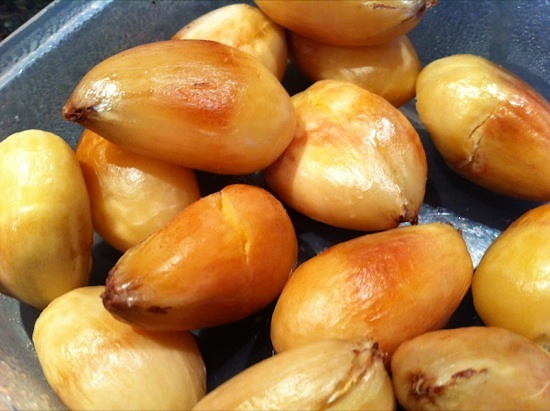
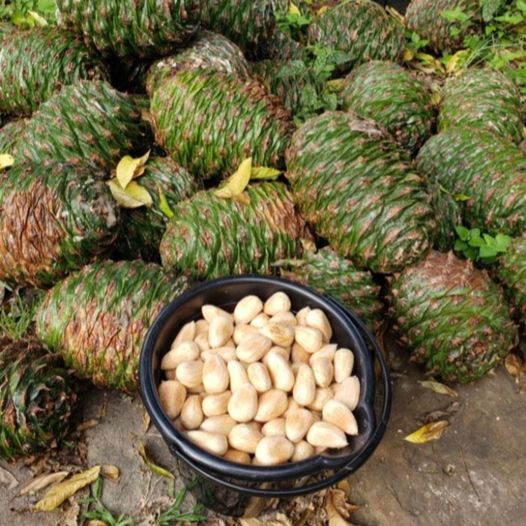
Bunya nuts, harvested from the majestic bunya pine (Araucaria bidwillii), offer a distinctive taste that’s both earthy and subtly sweet. For millennia, these nuts have been a staple food for Indigenous Australians, playing a vital role in their culture and sustenance. Whether you’re an adventurous foodie or simply curious about native ingredients, learning to cook bunya nuts opens a door to a world of culinary possibilities. Imagine serving a warm bunya nut pesto over pasta, or adding roasted bunya nuts to your favorite salad for a delightful crunch. This guide will equip you with the knowledge and techniques to prepare bunya nuts perfectly, ensuring a delicious and rewarding experience.
This recipe provides a detailed guide to cooking bunya nuts, suitable for both beginners and experienced cooks. Let’s embark on this culinary adventure!
Prep time: 20 minutes
Cook time: 45 minutes
Difficulty: Easy
Servings: 4-6
- 500g fresh bunya nuts, in their shells
- Large pot
- Nutcracker (optional)
- Baking sheet (optional)
-
Preparation: If using fresh bunya nuts in their shells, begin by washing them thoroughly to remove any dirt or debris.
-
Boiling (Method 1): Place the bunya nuts in a large pot and cover them with cold water. Bring the water to a boil and then reduce the heat to a simmer. Cook for approximately 30-45 minutes, or until the nuts are tender. You should be able to pierce them easily with a fork.
-
Roasting (Method 2): Preheat your oven to 180°C (350°F). Spread the bunya nuts in their shells on a baking sheet. Roast for 20-30 minutes, or until the shells begin to crack open and the nuts are fragrant. Monitor closely to prevent burning.
-
Cooling: Once cooked, drain the boiled nuts or remove the roasted nuts from the oven and allow them to cool slightly before handling.
-
Cracking: Use a nutcracker or a sturdy object to crack open the shells. Be careful not to damage the nuts inside.
-
Removing the Skin: The bunya nuts have a thin, papery skin that can be removed. This is easier to do while the nuts are still warm. Simply rub the nuts with a clean cloth or your fingers to remove the skin.
-
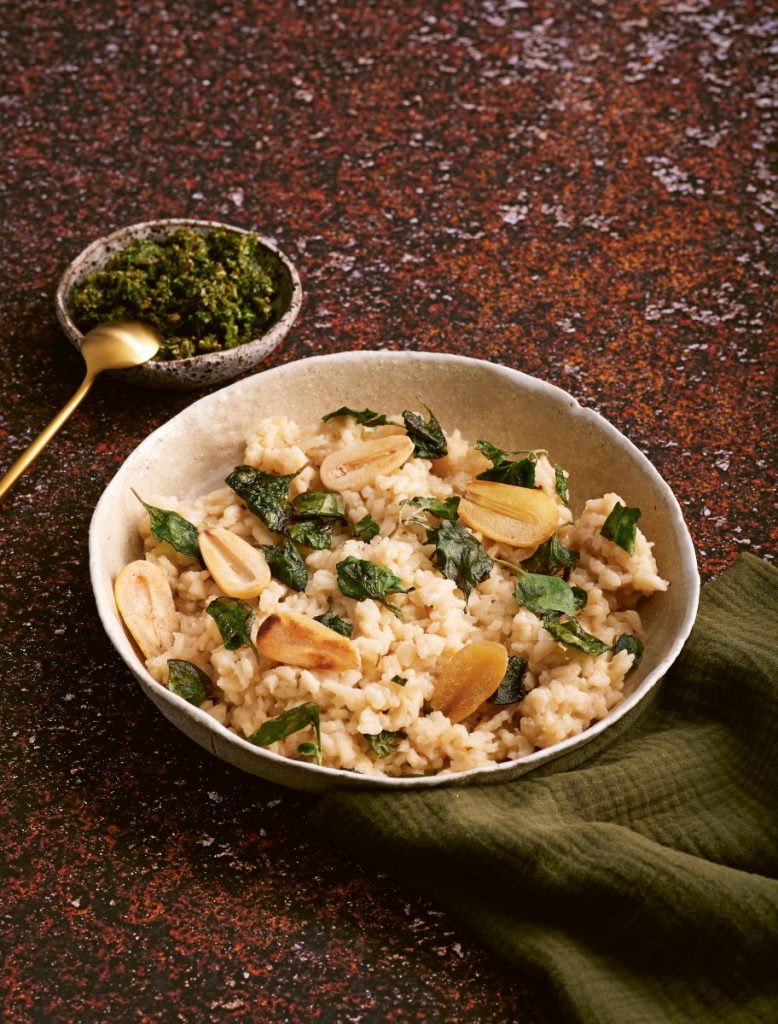
Enjoy: The cooked bunya nuts are now ready to eat! They can be enjoyed as a snack, added to salads, or used in a variety of recipes.
- Freshness is Key: Use the freshest bunya nuts you can find for the best flavor and texture.
- Don’t Overcook: Overcooked bunya nuts can become mushy. Check for doneness regularly during cooking.
- Experiment with Flavors: Bunya nuts pair well with both sweet and savory flavors. Try adding them to pesto, curries, or desserts.
- Storage: Cooked bunya nuts can be stored in an airtight container in the refrigerator for up to a week.
- Pre-soaking: Consider pre-soaking the nuts in water for a few hours before cooking. This can help to soften them and reduce cooking time.
- Calories: 210-250
- Protein: 5-7g
- Fat: 10-12g
- Carbohydrates: 25-30g
Enjoy the unique and delicious flavor of bunya nuts in your cooking! They offer a taste of Australia’s rich culinary heritage and are a versatile ingredient that can be used in many ways.


:max_bytes(150000):strip_icc()/best-ever-succotash-recipe-3x4-61-c9230cceec7b4e15aeda6c213d42da12.jpg?w=200&resize=200,135&ssl=1 "Succotash: A Flavorful Fusion of Summer’s Best")
