
Across the vast and varied landscapes of North America, countless Indigenous peoples developed profound relationships with their environments, shaping intricate systems of survival and sustenance. Central to these systems was foraging: the skilled practice of identifying, gathering, and utilizing wild plants and fungi for food, medicine, and materials. This wasn’t merely a means to survive; it was a sophisticated science, a spiritual practice, and a cornerstone of cultural identity.
Native American foraging traditions were incredibly diverse, reflecting the immense ecological variety of the continent. From the lush forests of the Northeast to the arid deserts of the Southwest, and the bountiful coastlines of the Pacific, each region presented unique opportunities and challenges, leading to distinct foraging strategies and specialized knowledge among different tribes.
The knowledge passed down through generations was encyclopedic, encompassing not just what to gather, but also when and how. This included understanding plant life cycles, seasonal availability, sustainable harvesting methods to ensure future yields, and even how to process potentially toxic plants to make them edible.
Sustainability was a fundamental principle. Indigenous foragers understood that they were stewards of the land, not just consumers. Practices like selective harvesting, leaving enough for regeneration, and sometimes even actively cultivating wild patches ensured the long-term health of ecosystems and the continued availability of resources.
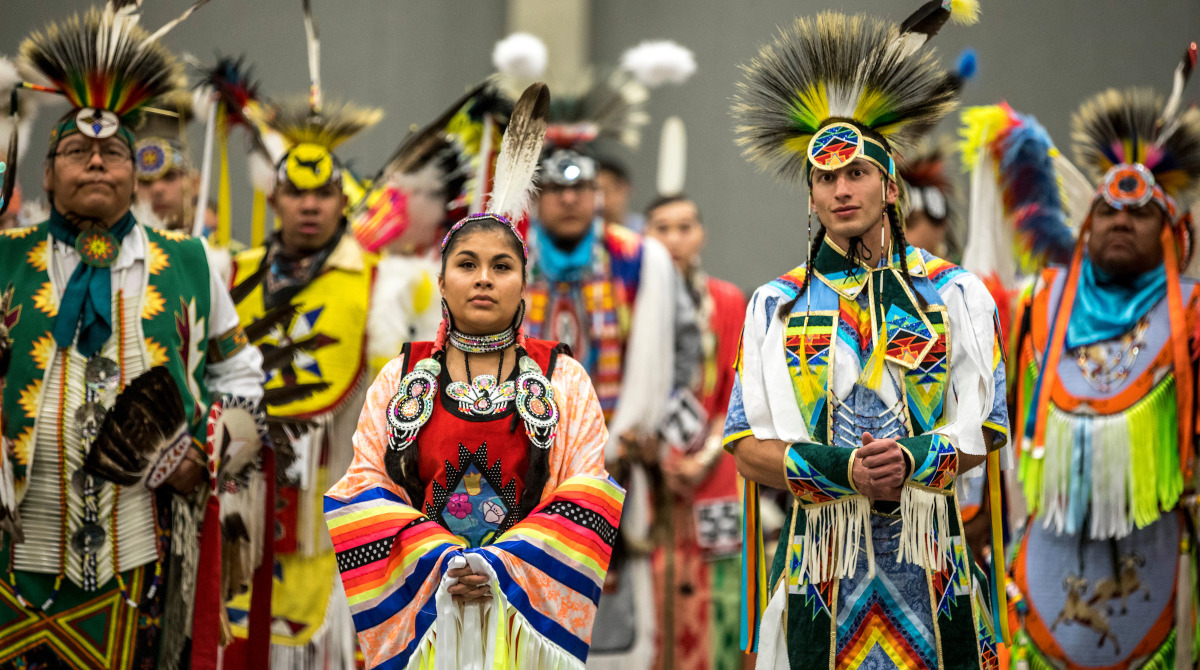
Let’s explore some of the key regions and the Native American nations that exemplified these foraging traditions, highlighting the incredible breadth of their botanical wisdom.
Northeastern Woodlands Foragers
In the dense forests and along the abundant waterways of the Northeast, tribes such as the Iroquois (Haudenosaunee), Wampanoag, and Algonquin nations relied heavily on a diverse array of wild plants. Their diet was rich in foraged berries, nuts, and greens.
Wild berries like blueberries, raspberries, cranberries, and strawberries were gathered in season, eaten fresh, or preserved by drying. Nuts such as hickory, black walnut, beechnut, and chestnut provided essential fats and proteins, often ground into flour or paste.
Beyond fruits and nuts, a vast array of wild greens and roots were utilized. Fiddlehead ferns, wild leeks (ramps), milkweed shoots, and various wild lettuces provided vital vitamins and minerals. The sap of maple trees was also a crucial foraged resource, boiled down to produce syrup and sugar.
Southeastern Woodlands and Coastal Plains
Further south, tribes like the Cherokee, Choctaw, Seminole, and Creek nations adapted to warmer climates and different ecosystems. Their foraging practices included a focus on plants such as acorns, wild onions, persimmons, and the fibrous heart of the saw palmetto.
Acorns, particularly from various oak species, were a staple across many regions, but required extensive processing to leach out bitter tannins. This often involved pounding them into flour and repeatedly rinsing them with water. The resultant flour was used for breads, porridges, and thickening agents.

Wild persimmons, pawpaws, and grapes provided sweet fruits. The roots of plants like wild potatoes and various tubers offered starchy sustenance. The knowledge of medicinal plants was also highly developed, with many tribes utilizing hundreds of different species for healing.
The Great Plains: Beyond the Bison Hunt
While often associated primarily with bison hunting, the Indigenous peoples of the Great Plains, including the Lakota, Cheyenne, Comanche, and Pawnee, also engaged in extensive foraging. Their diet was supplemented by a variety of wild plants that thrived in the prairie environment.
Crucial foraged foods included wild turnips (Psoralea esculenta), also known as ‘prairie turnip’ or ‘Indian breadroot,’ which were a significant source of starch and protein. Various wild berries, such as chokecherries and buffalo berries, were gathered and often dried and incorporated into pemmican, a highly nutritious survival food.
Wild plums, currants, and serviceberries also contributed to their diet. The inner bark of cottonwood trees was sometimes consumed in times of scarcity, and wild onions and other greens provided essential nutrients.
Southwestern Deserts and Mesas
In the arid and semi-arid lands of the Southwest, tribes such as the Pueblo peoples (e.g., Hopi, Zuni), Apache, and Navajo (Diné) developed highly specialized foraging techniques to thrive in challenging conditions. Their diet included resilient desert plants like prickly pear, agave, mesquite, and piñon nuts.
The fruits (tunas) and pads (nopales) of the prickly pear cactus were a valuable food source, providing hydration and nutrients. Agave hearts were roasted in pit ovens for days, transforming tough fibers into sweet, edible pulp. Mesquite pods were ground into flour for cakes and beverages.
Perhaps one of the most iconic foraged foods of the Southwest was the piñon nut. Harvested from piñon pine cones, these small, oily nuts were a crucial source of protein and fat, often gathered communally during abundant seasons.
Pacific Northwest Coast and Interior
Along the rain-soaked coastlines and into the interior forests of the Pacific Northwest, nations like the Haida, Tlingit, Salish, and Chinook developed foraging practices that complemented their rich marine harvests. Berries, roots, and sea vegetables were paramount.
Berries were incredibly abundant, including salmonberries, huckleberries, thimbleberries, and salal berries, gathered in vast quantities and often processed into cakes or dried for winter storage. The root of the camas flower was a particularly important staple, harvested and pit-cooked to convert its starches into sugars.
Seaweed and other marine plants were also regularly harvested, providing minerals and unique flavors. Various wild greens and shoots rounded out their diverse plant-based diet, often consumed fresh in season.
California’s Bountiful Lands
California, a region of immense ecological diversity, supported hundreds of distinct Native American tribes, including the Pomo, Miwok, Chumash, and Yurok. Acorns were the single most important foraged food across much of California, often referred to as the ‘staff of life’.
Different species of oak produced acorns with varying characteristics, and tribes developed sophisticated methods for harvesting, processing (leaching tannins), and storing them. Acorn flour was used to make a nutritious mush or bread.
Beyond acorns, California Indigenous peoples foraged for a wide array of seeds (e.g., chia, tarweed), roots, bulbs (like brodiaea and mariposa lily), and berries. The diversity of the state’s flora allowed for an incredibly varied and resilient foraging economy.
Tools and Techniques
Foraging often involved specialized tools. Digging sticks, made from hardwood, were essential for unearthing roots and tubers. Baskets, woven from local plant fibers, were crucial for gathering and carrying harvests, with different types designed for specific purposes (e.g., watertight baskets for acorn leaching, looser weaves for berries).
Processing techniques were equally sophisticated. Grinding stones (metates and manos) were used to mill seeds and nuts into flour. Earth ovens (pit cooking) were employed for slow-cooking tough roots and agave hearts, transforming them into digestible and flavorful foods.
Cultural and Spiritual Significance
Foraging was not just about physical sustenance; it was deeply intertwined with spiritual beliefs, ceremonies, and social structures. The act of gathering fostered a deep connection to the land, its cycles, and its spirits. Knowledge of plants was often held by specific individuals or passed down through ceremonial teachings.
Many plants held sacred significance, used in rituals, purification ceremonies, and as offerings. The respectful relationship with nature, viewing plants as relatives or gifts, underpinned all foraging activities.
Impact of Colonization and Modern Relevance
The arrival of European colonizers drastically disrupted these ancient foraging systems. Land dispossession, forced relocation, the introduction of agricultural monocultures, and the suppression of Indigenous cultures led to a significant decline in traditional foraging practices.
However, despite these challenges, many Native American communities have diligently preserved and are actively revitalizing their ancestral foraging knowledge. This resurgence is driven by a desire to reconnect with cultural heritage, promote food sovereignty, and share invaluable ecological wisdom.
Today, Indigenous elders and knowledge keepers are teaching younger generations about traditional plants, their uses, and sustainable harvesting methods. This revival is crucial not only for cultural preservation but also for promoting healthier diets and ecological stewardship in a modern context.
In conclusion, the foraging traditions of Native American peoples represent an unparalleled legacy of ecological knowledge, sustainable living, and profound cultural connection to the land. Their ingenuity in harnessing the bounty of nature, across diverse environments, offers invaluable lessons for understanding our past and shaping a more sustainable future.


:max_bytes(150000):strip_icc()/best-ever-succotash-recipe-3x4-61-c9230cceec7b4e15aeda6c213d42da12.jpg?w=200&resize=200,135&ssl=1 "Succotash: A Flavorful Fusion of Summer’s Best")
