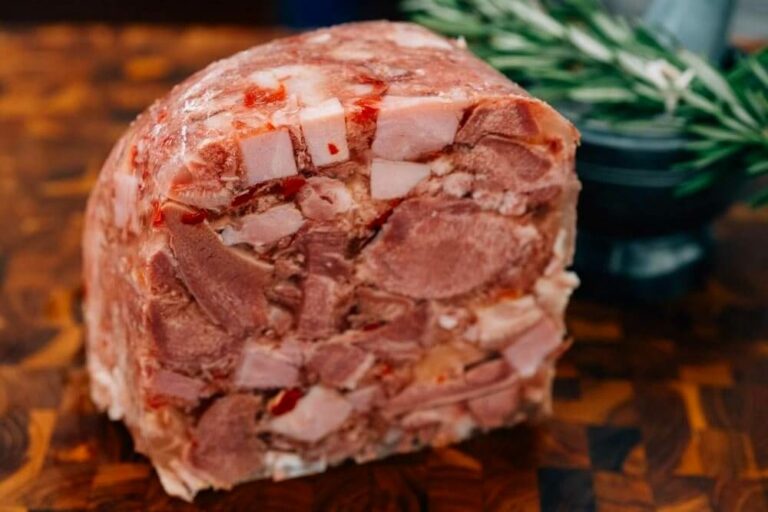
Hog head cheese, often shrouded in mystery and sometimes misconception, is a culinary masterpiece that embodies the principle of nose-to-tail eating. Far from being a dairy product, this savory delicacy is a type of terrine or brawn, traditionally crafted from the rich, collagen-filled parts of a pig’s head, slowly cooked and then set into a firm, flavorful jelly.
Its roots stretch back centuries, a testament to resourcefulness and a deep appreciation for utilizing every part of the animal. Found in various forms across Europe and particularly beloved in the American South, especially within Cajun and Creole traditions, hog head cheese is a staple of hearty, rustic cuisine, celebrated for its unique texture and intensely savory profile.
Serving it thinly sliced as an appetizer, spread on crackers, or alongside crusty bread and pickles, it offers a robust, earthy flavor that is both comforting and profoundly satisfying. While its preparation might seem daunting, mastering this classic dish is incredibly rewarding, yielding a truly authentic taste of culinary heritage.
Embarking on the journey of making homemade hog head cheese requires patience and a passion for flavor. Here’s what you need to know before you begin:
- Prep Time: Approximately 1 hour (active)
- Cook Time: 4-6 hours (simmering) + 8-12 hours (chilling)
- Difficulty: Medium to Advanced
- Yields: 10-15 servings (depending on mold size)

The heart of any exceptional hog head cheese lies in its primary components, which contribute to both flavor and the essential gelatinous texture. Sourcing quality ingredients is the first step towards success.
Main Ingredients:
- 1 whole pig’s head (approximately 8-10 lbs), split lengthwise by your butcher and thoroughly cleaned
- 2-3 lbs pork hocks or trotters (for extra collagen, optional but recommended)
- 2 large yellow onions, roughly chopped
- 3 celery stalks, roughly chopped
- 2 large carrots, peeled and roughly chopped
Aromatic spices and seasonings are crucial for infusing the pork with depth and character, transforming it from simple meat into a complex flavor profile.
Aromatic Spices & Seasonings:
- 6-8 cloves garlic, smashed
- 4 bay leaves
- 1 tablespoon whole black peppercorns
- 2 teaspoons dried thyme
- 1 teaspoon cayenne pepper (adjust to taste for heat)
- 1 tablespoon smoked paprika
- 2-3 tablespoons kosher salt (or to taste)
- 1 teaspoon freshly ground black pepper
- 1/2 cup apple cider vinegar (for brightness, optional but recommended)
For finishing and garnish, a final touch of freshness and a hint of acid can elevate the dish significantly, providing a perfect counterpoint to the rich pork.
Finishing & Garnish:
- 1/2 cup fresh parsley, finely chopped (for mixing in and garnish)
- Optional: Dash of hot sauce (like Tabasco) for serving
- Optional: Pickled okra or cornichons for serving
Making hog head cheese is a labor of love, but each step is straightforward and contributes to the final, delicious outcome. Follow these detailed instructions for an anti-fail result.
Step 1: Prepare the Pig’s Head. Begin by thoroughly cleaning the pig’s head and hocks. If not already done by your butcher, scrub them rigorously under cold running water, removing any hair, debris, or blood clots. You may need to singe off any remaining hairs with a kitchen torch. Soak the cleaned parts in a large pot of cold, salted water for at least 2 hours, or overnight in the refrigerator, changing the water once or twice. This helps draw out impurities.

Step 2: Initial Boil and Skim. Drain the pig’s head and hocks. Place them in your largest stockpot and cover with fresh cold water. Bring to a rolling boil over high heat. Boil for about 10-15 minutes, then carefully skim off any foam or scum that rises to the surface. This crucial step removes impurities and ensures a clear, clean broth.
Step 3: Add Aromatics and Spices. Drain the initial boiling water from the pot. Rinse the pork parts and the pot. Return the pork to the clean pot. Add the chopped onions, celery, carrots, smashed garlic, bay leaves, whole peppercorns, dried thyme, cayenne pepper, smoked paprika, kosher salt, and black pepper. Pour in enough fresh cold water to cover the pork by about 2-3 inches.
Step 4: The Long Simmer. Bring the pot to a gentle simmer over medium-high heat, then reduce the heat to low, cover, and let it simmer slowly for 4-6 hours. The goal is for the meat to become incredibly tender, practically falling off the bone. Check occasionally to ensure the water level remains adequate; add more hot water if necessary to keep the pork submerged.
Step 5: Debone and Separate. Once the pork is fork-tender, carefully remove all the pork parts from the pot using tongs or a slotted spoon and transfer them to a large cutting board or shallow dish. Let them cool enough to handle. Strain the cooking liquid (broth) through a fine-mesh sieve or cheesecloth into a separate clean pot, discarding the cooked vegetables and spices. This broth is liquid gold and essential for setting the cheese.
Step 6: Prepare the Meat. While the broth is reducing (next step), begin separating the meat, skin, and any usable connective tissue from the bones. Discard all bones, gristle, and large pieces of fat that are not appealing. Focus on the lean meat, tender skin, and gelatinous bits. Chop the meat and skin into small, uniform pieces (about 1/4 to 1/2 inch dice). This uniformity is key for a good texture in the finished product.
Step 7: Reduce the Broth. Place the pot with the strained broth back on the stove. Bring it to a simmer over medium-high heat and reduce it by about one-third to one-half, until it’s flavorful and slightly sticky. This concentrates the collagen and ensures a firm set. Taste and adjust seasoning with more salt or pepper if needed. Now, stir in the apple cider vinegar if using; it adds a pleasant tang.
Step 8: Combine and Final Seasoning. Return the chopped meat and skin to the reduced broth. Stir well to combine, ensuring the meat is evenly distributed. Add the finely chopped fresh parsley. Taste one last time and adjust the seasoning. This is your final chance to get the flavor profile perfect.
Step 9: Mold the Hog Head Cheese. Prepare your molds. Loaf pans (8×4 or 9×5 inches) or a terrine mold work perfectly. Lightly grease them or line them with plastic wrap, leaving an overhang to help with removal. Spoon the meat and broth mixture into the prepared molds, pressing down firmly to remove any air pockets and ensure a dense, compact product.
Step 10: Press and Chill. Cover the molds tightly with plastic wrap. For best results, place a weight on top of the plastic wrap (e.g., a smaller pan with cans) to press the mixture down. Refrigerate for at least 8-12 hours, or preferably overnight, to allow the collagen to set completely. The pressing helps create a firm, sliceable texture.
Step 11: Slice and Serve. Once fully set, remove the weights and plastic wrap. Invert the mold onto a cutting board. If you lined it with plastic wrap, simply use the overhang to lift it out. Slice the hog head cheese into thin, elegant rounds or squares. Serve chilled with crusty bread, crackers, mustard, cornichons, pickled onions, or a dash of your favorite hot sauce.
Achieving a truly outstanding hog head cheese goes beyond just following the steps. These secret tips will help you elevate your creation from good to unforgettable.
Secret Tips for Success:
- Scrupulous Cleaning is Non-Negotiable: Any lingering hair or impurities will impart an off-flavor. Take extra time in Step 1 to ensure the pig’s head is impeccably clean. Soaking with salt helps significantly.
- Low and Slow is the Way to Go: Resist the urge to rush the simmering process. A gentle, long simmer is crucial for extracting maximum collagen and flavor from the bones and connective tissues, which is what gives hog head cheese its characteristic set and richness.
- Taste, Taste, Taste: Seasoning is subjective. Taste the broth repeatedly during reduction and after combining with the meat. It should be slightly over-seasoned at this stage, as flavors mellow when chilled.
- Collagen Boost: If you’re concerned about your head not having enough gelatin, adding pork hocks or trotters is an excellent insurance policy. They are packed with collagen and will ensure a firm set.
- The Power of Pressing: Don’t skip the pressing step. It compacts the meat and ensures a dense, cohesive texture, preventing the cheese from crumbling when sliced.
- A Touch of Acidity: The apple cider vinegar is not just for flavor; it helps cut through the richness of the pork, balancing the dish beautifully. A squeeze of lemon juice before serving can also achieve this.
Estimated Nutritional Information (per serving, varies greatly): As a rich, protein-dense dish, hog head cheese is packed with flavor and nutrients. While exact figures depend on ingredients and portion size, a typical serving might contain approximately 250-350 calories, primarily from protein and healthy fats, along with a significant amount of collagen. It’s a hearty, satisfying option best enjoyed in moderation.
Crafting your own hog head cheese is more than just cooking; it’s an act of culinary preservation, connecting you to generations of resourceful cooks. The effort invested is richly rewarded with a dish that is both deeply traditional and incredibly flavorful, a true testament to the art of whole-animal cookery.
So, gather your ingredients, embrace the process, and prepare to impress your taste buds and guests with this authentic, anti-fail hog head cheese recipe. Enjoy the satisfaction of creating a classic delicacy right in your own kitchen!


:max_bytes(150000):strip_icc()/best-ever-succotash-recipe-3x4-61-c9230cceec7b4e15aeda6c213d42da12.jpg?w=200&resize=200,135&ssl=1 "Succotash: A Flavorful Fusion of Summer’s Best")
