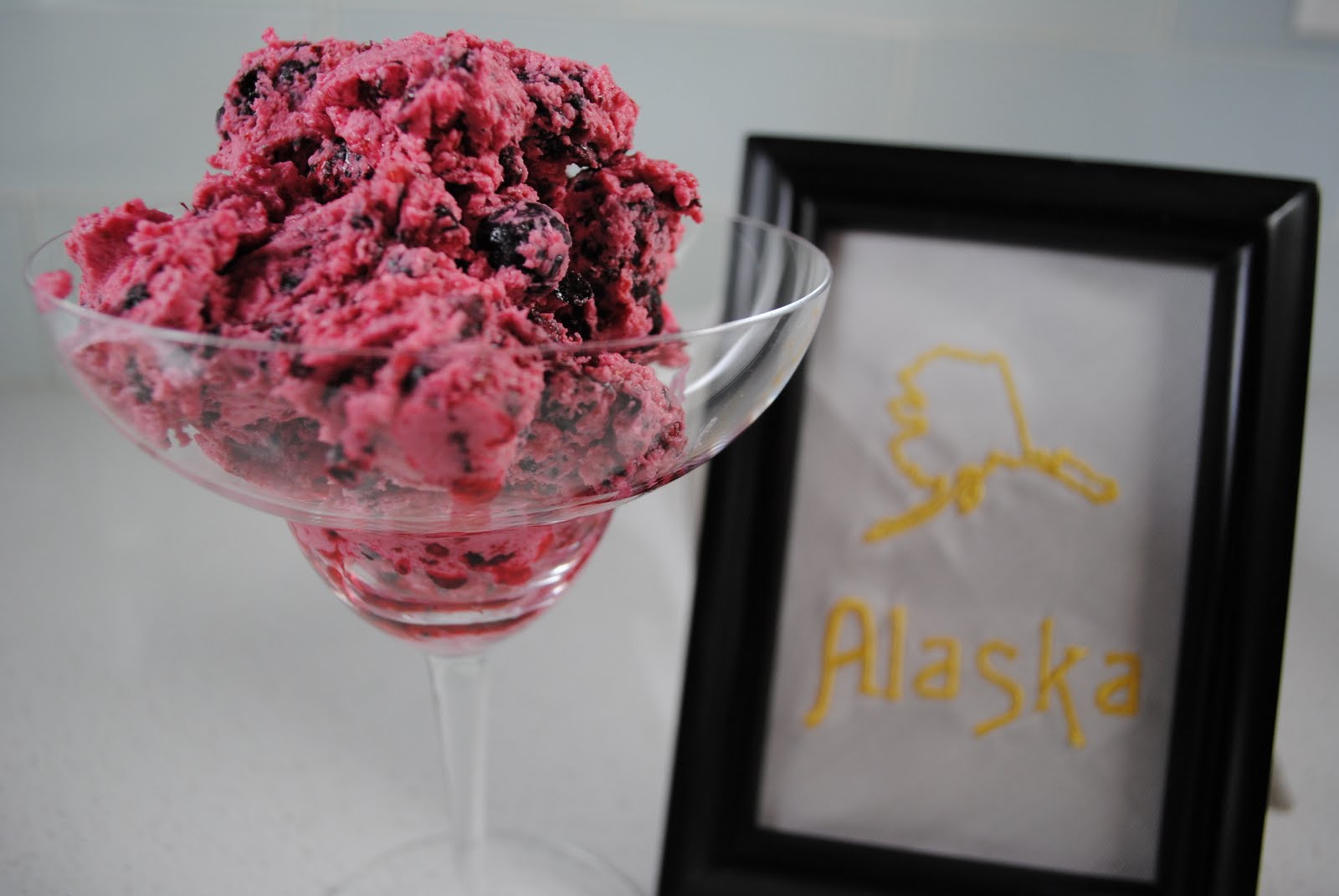
Akutaq, often lovingly referred to as ‘Eskimo Ice Cream,’ is far more than just a dessert; it’s a culinary emblem of Alaskan Native culture, deeply rooted in tradition and resourcefulness. This unique dish, pronounced ‘ah-KOO-tahk,’ is a staple in many Indigenous communities across Alaska and parts of Northern Canada, particularly among the Yup’ik and Iñupiat peoples.
At its heart, Akutaq is a blend of whipped fat, berries, and sometimes other ingredients like dried fish or meat. Its texture is creamy, airy, and surprisingly light, offering a delightful contrast to its rich, hearty components. It’s a testament to the ingenuity of Arctic communities, utilizing readily available local ingredients to create a nourishing and incredibly satisfying treat.
Historically, Akutaq was a vital source of energy and nutrients in the harsh Arctic environment. The rendered animal fat provided essential calories and warmth, while the abundant wild berries contributed vitamins and antioxidants. It wasn’t just a delicacy; it was a survival food, a celebration dish, and a symbol of communal sharing.
While traditional Akutaq often featured fats from caribou, moose, seal, or even bear, modern interpretations frequently use more accessible alternatives like vegetable shortening, butter, or even whipped cream. The choice of berries also varies seasonally and regionally, with salmonberries, blueberries, cranberries, cloudberries, and crowberries being popular additions.

Serving Akutaq is a truly special occasion. It’s commonly enjoyed during celebrations, holidays, potlucks, and family gatherings, bringing people together around a shared bowl of this unique ‘ice cream.’ It’s a dish that embodies warmth, community, and the enduring spirit of the Arctic.
This guide aims to demystify Akutaq, providing you with a comprehensive, anti-fail recipe that honors its traditions while making it accessible for home cooks. Whether you’re seeking a taste of authentic Alaskan culture or simply an adventurous new dessert, prepare to embark on a culinary journey unlike any other.
Let’s dive into the specifics of preparing your very own batch of this incredible Arctic delicacy. Remember, while the ingredients might seem unconventional to some, the result is a truly unforgettable experience.
Estimated Preparation Time: 30 minutes (active mixing), plus rendering time for traditional fats.
Estimated Chill Time: 2-4 hours (minimum) for flavors to meld and texture to set.
Difficulty Level: Easy to Medium. The most challenging part is achieving the right consistency and ensuring the fat is properly prepared.
Yields: Approximately 6-8 servings, depending on portion size.
Essential Ingredients for Authentic Akutaq
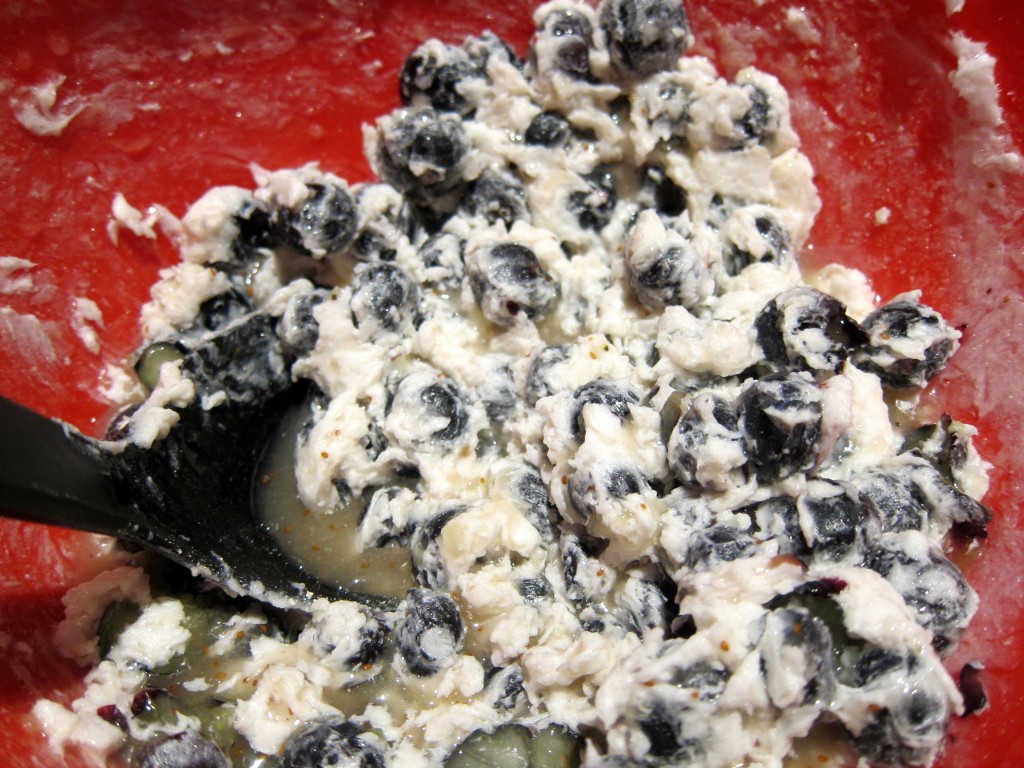
The soul of Akutaq lies in its ingredients. While traditional recipes emphasize local Arctic resources, we’ll provide options for both authenticity and modern accessibility.
- Rendered Animal Fat: 2 cups (approximately 450g). Traditionally, this would be caribou tallow, moose tallow, or seal oil. For a more accessible version, you can use high-quality vegetable shortening (like Crisco) or unsalted butter. If using butter, ensure it’s fully melted and clarified to remove milk solids, then allowed to cool and solidify slightly.
- Water or Snow: 1/2 to 1 cup (120-240ml). Fresh, clean snow is traditional, providing a unique texture. Otherwise, use cold water.
- Mixed Berries: 2-3 cups (frozen or fresh). A combination is best for flavor complexity. Excellent choices include:
- Salmonberries (if available, highly traditional)
- Blueberries
- Cranberries
- Cloudberries
- Crowberries
Thaw frozen berries if using.
- Granulated Sugar: 1/2 to 1 cup, or to taste. Traditionally, sweetness often came solely from the berries, but modern Akutaq often includes sugar. Maple syrup or honey can also be used as alternatives.
- Dried Fish or Meat: 1/4 cup, finely shredded or powdered. Common additions include dried salmon, whitefish, or caribou jerky, adding a savory depth.
- Ground Nuts: 1/4 cup, such as walnuts or pecans, for added texture and richness.
- Raisins or Dried Fruit: 1/4 cup, chopped, for extra sweetness and chewiness.
Step-by-Step Guide to Crafting Your Akutaq
Follow these detailed steps carefully to ensure a delicious and authentic Akutaq experience. The key is patience and vigorous mixing!
Step 1: Prepare Your Fat Base
If using traditional animal fat, ensure it is thoroughly rendered and cooled. It should be solid but pliable at room temperature. For vegetable shortening, simply ensure it’s at room temperature. If using butter, melt it, skim off any foam, let the milk solids settle, and then pour off the clarified butter. Allow it to cool and solidify slightly in the refrigerator until it reaches a soft, spreadable consistency, similar to room-temperature shortening.
Step 2: Start Whipping the Fat
Place the solid, room-temperature fat (shortening, butter, or rendered tallow) into a large, sturdy mixing bowl. Using a hand mixer with whisk attachments or a stand mixer with a whisk attachment, begin to whip the fat on medium-high speed. The goal is to incorporate air, making it light and fluffy.
Continue whipping for 5-10 minutes. The fat will become progressively lighter in color and increase in volume, taking on a consistency similar to whipped cream or soft butter.
Step 3: Gradually Add Water or Snow
While continuing to whip the fat, slowly add the cold water or clean snow, about a tablespoon at a time. This step is crucial for achieving the characteristic airy texture. The water helps to emulsify the fat and lighten the mixture further.
As you add the water, the mixture will become even lighter and fluffier. If using snow, it will melt into the mixture, contributing to the unique texture. Be careful not to add too much liquid at once, as it can cause the mixture to separate. Continue whipping until all the water/snow is incorporated and the mixture is smooth and aerated.
Step 4: Incorporate Berries and Sweetener
Gently fold in your chosen berries. If using frozen berries, they will add a delightful chill and a slight slushy texture as they thaw. If you prefer a smoother Akutaq, you can lightly mash some of the berries before adding them.
Next, add the granulated sugar (or alternative sweetener) to taste. Start with half the amount and add more as needed. Mix gently until the sugar is dissolved and the berries are evenly distributed throughout the whipped fat mixture.
Step 5: Add Optional Ingredients (if desired)
If you’re including dried fish, meat, nuts, or dried fruit, now is the time to fold them in. These additions provide additional flavor, texture, and nutritional value, enriching the Akutaq experience. Mix until just combined.
Step 6: Chill and Serve
Transfer the Akutaq mixture to a serving bowl or individual dishes. Cover tightly with plastic wrap and refrigerate for at least 2-4 hours. This chilling period allows the flavors to meld beautifully and the texture to firm up slightly, enhancing its ‘ice cream’ quality.
Serve chilled, ideally with a spoon, allowing each guest to scoop their desired portion. Akutaq is best enjoyed fresh, but leftovers can be stored in an airtight container in the refrigerator for up to 3-4 days.
Secret Tips for an Anti-Fail Akutaq
Achieving the perfect Akutaq is an art, but these tips will guide you to success and help you avoid common pitfalls.
- Quality of Fat Matters: Use the best quality fat you can source. If using vegetable shortening, opt for a brand with a neutral flavor. For butter, ensure it’s unsalted and clarified for the cleanest taste. The fat is the foundation of your Akutaq.
- Temperature is Key: Ensure your fat is at a cool room temperature – solid but pliable. If it’s too warm, it won’t whip properly. If it’s too cold, it will be hard to work with.
- Whip Vigorously and Patiently: Don’t rush the whipping process. The longer you whip the fat, the more air you incorporate, leading to a lighter, fluffier Akutaq. This is where the ‘anti-fail’ aspect truly shines.
- Add Liquids Gradually: When adding water or snow, do it slowly, a tablespoon at a time, while continuously whipping. This prevents the mixture from becoming watery or separating. Think of it as creating a stable emulsion.
- Taste as You Go: Adjust sweetness and berry content to your preference. Traditional Akutaq can be less sweet, allowing the natural tartness of the berries to shine. Modern palates often prefer a sweeter version.
- Berry Selection: Don’t be afraid to experiment with different berry combinations. Each type brings its own unique flavor profile. A mix of tart and sweet berries often yields the most balanced result.
- Embrace the Texture: Akutaq’s texture is unique – it’s not exactly ice cream, not exactly mousse. It’s airy, creamy, and slightly granular from the berries. Embrace this distinct characteristic!
Estimated Nutritional Information (Per Serving)
Please note that nutritional values for Akutaq can vary significantly based on the type of fat used, the amount of sugar, and the specific additions. The following is a general estimate for a serving of Akutaq made with vegetable shortening and moderate sugar.
A single serving (approximately 1/2 cup) might contain:
- Calories: 300-450 kcal
- Total Fat: 25-40g (primarily saturated fat)
- Carbohydrates: 20-35g (from berries and sugar)
- Protein: 1-5g (more if dried fish/meat is included)
- Fiber: 2-4g
Akutaq is a calorie-dense food, historically designed to provide substantial energy in cold climates. Enjoy it as a rich, satisfying treat!
With this comprehensive guide, you are now equipped to create a truly remarkable Akutaq. Whether you adhere strictly to tradition or adapt it to your available ingredients, the essence of this dish – its unique flavor, texture, and cultural significance – will undoubtedly shine through.
Enjoy the process of making this extraordinary ‘Eskimo Ice Cream,’ and savor every delightful bite. It’s more than just a recipe; it’s a taste of history, resilience, and the vibrant culture of the Arctic.


:max_bytes(150000):strip_icc()/best-ever-succotash-recipe-3x4-61-c9230cceec7b4e15aeda6c213d42da12.jpg?w=200&resize=200,135&ssl=1 "Succotash: A Flavorful Fusion of Summer’s Best")
