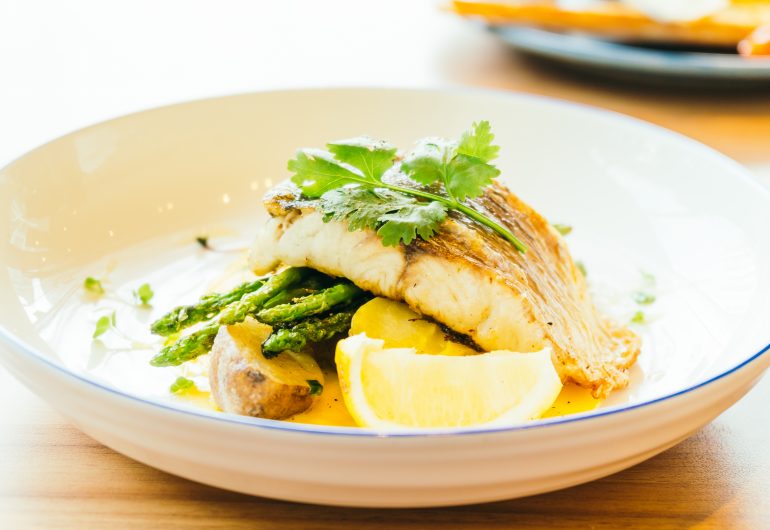
Australia’s Indigenous cultures boast a rich and ancient culinary heritage, deeply intertwined with the land, its seasons, and its abundant natural resources. This traditional food, often referred to as ‘Bush Tucker,’ encompasses a vast array of unique ingredients, from native fruits and vegetables to lean meats and seafood, all harvested sustainably and with profound respect for nature.
While replicating the full breadth of authentic Indigenous cooking requires deep knowledge and connection to specific regions and traditions, we can respectfully draw inspiration from these incredible flavors and techniques. This recipe aims to introduce some of these unique Australian aromatics and proteins in a delicious, approachable way.
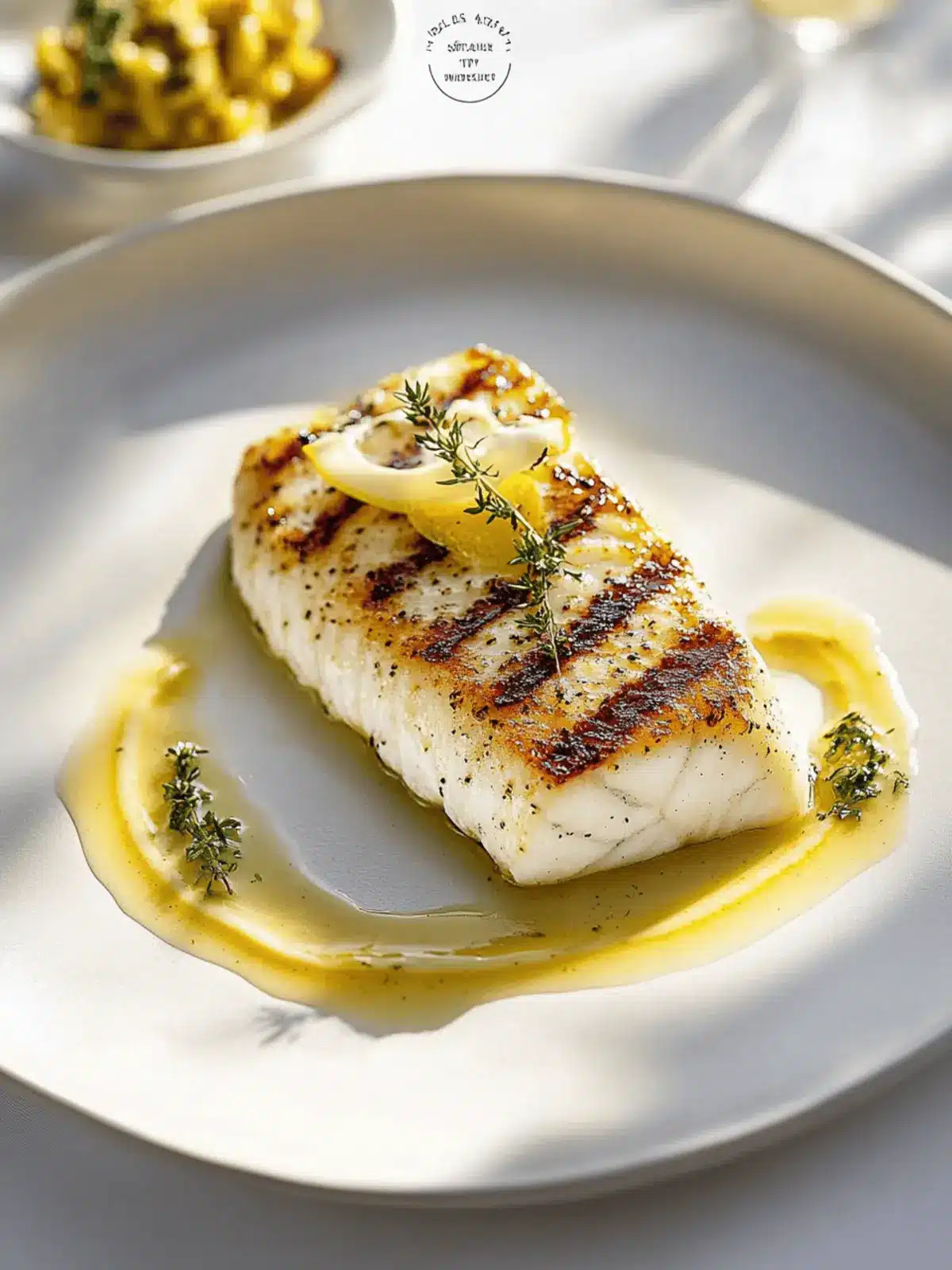
Our chosen dish, Grilled Barramundi with Lemon Myrtle, celebrates one of Australia’s most prized native fish, infused with the distinct, uplifting aroma of lemon myrtle. This native herb offers a beautiful citrusy zest, reminiscent of lemon, lime, and eucalyptus, providing a truly unique flavor profile.
Barramundi itself is a magnificent white fish, known for its firm, flaky texture and mild, buttery taste. It’s a staple in Australian cuisine, and when grilled, it develops a wonderfully crisp skin and tender flesh, making it a perfect canvas for the vibrant lemon myrtle marinade.
This recipe is designed to be ‘anti-fail,’ focusing on simple steps, readily available ingredients (with easy substitutions for native greens), and clear instructions to ensure a perfect result every time. It’s an invitation to explore new flavors and appreciate the natural bounty of Australia.
Serving this dish is perfect for a light yet satisfying weeknight dinner, a special occasion with friends, or simply when you’re craving something fresh, healthy, and distinctly Australian. It pairs wonderfully with a crisp white wine or a refreshing non-alcoholic beverage.
Let’s prepare to bring a touch of the Australian bush to your table with this delightful and aromatic dish.
- Estimated Cooking Time: 30 minutes (plus 20-30 minutes marinating)
- Difficulty Level: Easy to Medium
- Servings: 2 people
To create this flavorful grilled Barramundi, you’ll need a selection of fresh produce and key Australian aromatics.
- 2 Barramundi fillets (approx. 180-200g each), skin on or off, as preferred
- 1 tablespoon olive oil (for grilling)
This aromatic blend will infuse the fish with its signature Australian essence.
- 1 teaspoon dried lemon myrtle, ground (or 2-3 fresh leaves, finely chopped)
- 2 cloves garlic, minced
- 1 small piece (1 cm) ginger, grated (optional, but adds depth)
- 1/2 teaspoon sea salt
- 1/4 teaspoon freshly ground black pepper
- 2 tablespoons extra virgin olive oil
These fresh greens and tomatoes provide a perfect balance to the rich fish.
- 100g Warrigal Greens (native spinach) or fresh baby spinach
- 1 cup cherry tomatoes, halved
- 1 tablespoon olive oil (for sautéing greens)
- Lemon wedges, for serving
Follow these detailed instructions carefully to ensure a perfectly cooked and flavorful meal.
Step 1: Prepare the Barramundi. Gently pat the Barramundi fillets dry with paper towels. If the skin is on, score it lightly with a sharp knife a few times, being careful not to cut too deep into the flesh. This helps the marinade penetrate and prevents the skin from curling during grilling.
Step 2: Craft the Lemon Myrtle Marinade. In a small bowl, combine the dried ground lemon myrtle (or chopped fresh leaves), minced garlic, grated ginger (if using), sea salt, black pepper, and extra virgin olive oil. Mix thoroughly until you have a fragrant paste.
Step 3: Marinate for Flavor. Generously rub the lemon myrtle marinade over both sides of the Barramundi fillets. Place the marinated fish in a shallow dish, cover, and refrigerate for at least 20 minutes, but no more than 30 minutes. This allows the flavors to meld without ‘cooking’ the fish with acid.
Step 4: Prepare Your Grilling Surface. Preheat your grill pan, outdoor grill, or oven broiler to medium-high heat. Lightly brush the grilling surface with 1 tablespoon of olive oil to prevent sticking.
Step 5: Grill the Barramundi to Perfection. Carefully place the marinated Barramundi fillets onto the hot grilling surface, skin-side down first if applicable. Grill for 3-4 minutes per side, depending on the thickness of the fillet, until the fish is opaque, flaky, and cooked through. Avoid overcooking to maintain moisture.
Step 6: Sauté the Native Greens. While the fish is grilling, heat 1 tablespoon of olive oil in a separate pan over medium heat. Add the Warrigal Greens or baby spinach and sauté for 2-3 minutes until just wilted. If using Warrigal Greens, they may take slightly longer and have a slightly saltier taste.
Step 7: Add Finishing Touches to Greens. Stir in the halved cherry tomatoes with the greens and cook for another minute until they are slightly softened but still hold their shape. Season with a pinch of salt and pepper to taste.
Step 8: Serve with Zest. Carefully transfer the grilled Barramundi fillets to serving plates. Arrange the sautéed greens and cherry tomatoes alongside. Garnish with fresh lemon wedges, allowing diners to squeeze fresh juice over the fish for an added burst of brightness.
These insights will help you elevate your dish and avoid common pitfalls, ensuring an ‘anti-fail’ culinary experience.
Tip 1: The Fresher, The Better. Always opt for the freshest Barramundi fillets you can find. Fresh fish smells subtly of the ocean, not overtly ‘fishy.’ This significantly impacts the final taste and texture.
Tip 2: Don’t Over-Marinate. While marinating adds flavor, prolonged exposure to acidic ingredients (even mild ones like garlic and ginger) can start to ‘cook’ or toughen delicate fish. Stick to the recommended 20-30 minutes.
Tip 3: Master the Heat. Ensure your grill is hot enough to create a good sear but not so hot that it burns the marinade. A medium-high heat is ideal for achieving a beautiful golden crust without drying out the fish.
Tip 4: Resist the Urge to Flip Early. Allow the fish to cook undisturbed on one side until it naturally releases from the grill. This prevents tearing and helps create that desirable crispy skin.
Tip 5: Embrace Substitutions. If fresh Warrigal Greens are unavailable, baby spinach is an excellent, widely accessible substitute. For lemon myrtle, if dried isn’t available, a good quality lemon zest can offer a similar bright note, though the unique herbal undertones will be missed.
Tip 6: Explore Other Bush Tucker. Feel free to experiment with other native Australian spices like native pepperberry or wattle seed (toasted and ground) in your marinade for different flavor profiles. Always start with small amounts to gauge intensity.
This recipe offers a healthy and balanced meal, rich in essential nutrients.
While exact values vary based on portion size and specific ingredients, one serving of this grilled Barramundi with greens is estimated to contain approximately 350-450 calories. It is an excellent source of lean protein, omega-3 fatty acids, and various vitamins and minerals from the fish and vegetables.
This dish is naturally low in saturated fat and high in dietary fiber, making it a heart-healthy and satisfying choice that supports overall well-being. It’s a testament to how delicious and nourishing simple, fresh ingredients can be.
We hope this ‘Bush Tucker Inspired’ Grilled Barramundi with Lemon Myrtle brings a delightful and unique flavor experience to your kitchen. It’s a wonderful way to appreciate the diverse and inspiring culinary traditions of Australia’s Indigenous peoples.
Enjoy the vibrant flavors and the simple elegance of this dish, a true celebration of natural ingredients and mindful cooking. May it inspire you to explore more of the world’s incredible culinary heritage.

:max_bytes(150000):strip_icc()/best-ever-succotash-recipe-3x4-61-c9230cceec7b4e15aeda6c213d42da12.jpg?w=200&resize=200,135&ssl=1 "Succotash: A Flavorful Fusion of Summer’s Best")

