
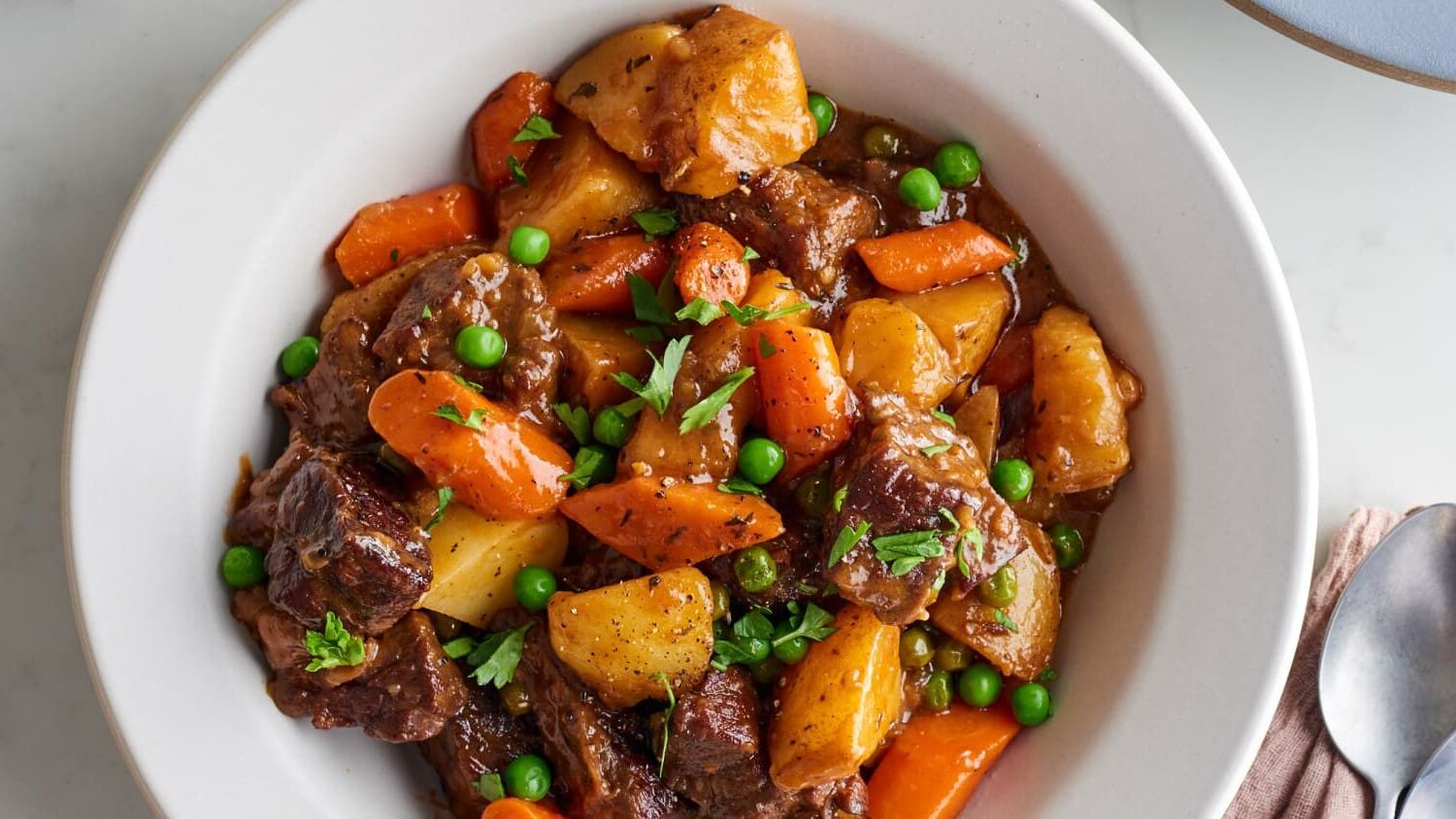
Step into the rich tapestry of Indigenous American culinary heritage with this deeply nourishing and flavorful Sioux-inspired Hunter’s Stew. This dish is more than just a meal; it’s a connection to the land, a tribute to resourceful ancestors, and a celebration of natural bounty.
For generations, the Sioux people, like many other Native American tribes, lived in harmony with their environment, utilizing every part of the animals they hunted and the plants they gathered or cultivated. Their cuisine was characterized by its simplicity, heartiness, and profound respect for ingredients.
Our recipe aims to capture the essence of this tradition, focusing on ingredients central to the Plains tribes: lean, robust bison, earthy wild rice, and the foundational ‘Three Sisters’ – corn, beans, and squash. These components not only create a balanced and delicious stew but also tell a story of sustainable agriculture and interconnectedness.
This Hunter’s Stew is perfect for a chilly evening, a family gathering, or any occasion where you desire a meal that is both profoundly satisfying and historically resonant. It’s a comforting bowl that warms the body and soul, inviting reflection on the traditions it represents.

Information:
- Estimated Cooking Time: 3 hours (1 hour prep, 2 hours simmer)
- Difficulty Level: Medium
- Servings: 6-8 generous portions
Bahan Utama (Main Ingredients):
- 1.5 lbs (approx. 700g) bison stew meat, cut into 1-inch cubes (beef stew meat can be substituted)
- 1 cup wild rice, rinsed thoroughly
- 8 cups bison or beef broth (low sodium preferred)
- 2 cups water
- 2 tablespoons olive oil or rendered bison fat
Sayuran ‘Tiga Saudari’ dan Akar (Three Sisters & Root Vegetables):
- 1 large yellow onion, diced
- 3 carrots, peeled and roughly chopped
- 3 celery stalks, roughly chopped
- 4 cloves garlic, minced
- 1 medium butternut squash (or other winter squash), peeled, seeded, and cut into 1-inch cubes
- 1 cup fresh or frozen green beans, trimmed
- 1 cup fresh or frozen corn kernels
Bumbu (Seasonings):
- 2 teaspoons dried sage
- 1 teaspoon dried thyme
- 1 teaspoon smoked paprika (optional, for depth)
- Salt and freshly ground black pepper to taste
Bahan Pelengkap (Garnish):
- Fresh parsley, chopped (or wild ramps if available), for serving
The Art of Stew Making: Creating a rich and flavorful stew is a process that rewards patience and attention to detail. Follow these steps carefully to ensure a truly anti-fail and delicious result.
1. Gathering Your Provisions: Before you begin, ensure all your ingredients are prepped and measured. Quality ingredients are the foundation of a great dish, especially for a stew where flavors meld over time.
2. Preparing the Foundation – Vegetables: Begin by dicing the onion, chopping the carrots and celery, and mincing the garlic. These aromatics will create the flavor base for your stew.
3. Preparing the Squash and Corn: Peel and deseed your butternut squash, then cut it into uniform 1-inch cubes. If using fresh corn, cut the kernels off the cob. Trim the green beans. Uniform cuts ensure even cooking.
4. Rinsing the Wild Rice: Place the wild rice in a fine-mesh sieve and rinse it under cold running water for several minutes. This removes any debris and excess starch, ensuring a cleaner, fluffier texture.
5. Searing the Bison – Part 1: Pat the bison stew meat dry with paper towels. This is crucial for achieving a good sear. Season the meat generously with salt and freshly ground black pepper.
6. Searing the Bison – Part 2: Heat 1 tablespoon of olive oil (or rendered bison fat) in a large, heavy-bottomed pot or Dutch oven over medium-high heat. Once shimmering, add the bison in a single layer, working in batches if necessary to avoid overcrowding the pot. Sear until deeply browned on all sides. This step locks in flavor and creates a rich crust.
7. Setting Aside Seared Meat: Once seared, remove the bison cubes from the pot and set them aside on a plate. Do not clean the pot; the browned bits (fond) left at the bottom are packed with flavor.
8. Building Flavor – Sautéing Aromatics: Add the remaining 1 tablespoon of olive oil to the same pot. Reduce heat to medium. Add the diced onion, chopped carrots, and celery. Sauté, stirring occasionally, for 8-10 minutes until the vegetables have softened and the onion is translucent.
9. Adding Minced Garlic: Stir in the minced garlic and cook for another 1-2 minutes until fragrant. Be careful not to burn the garlic, as this can impart a bitter taste.
10. Deglazing the Pot: Pour about 1 cup of the bison or beef broth into the pot. Use a wooden spoon to scrape up all the browned bits from the bottom of the pot. This process, called deglazing, incorporates all that delicious fond into your stew’s liquid base.
11. The Heart of the Stew – Initial Simmer: Return the seared bison meat to the pot. Add the remaining broth, water, dried sage, dried thyme, and smoked paprika (if using). Stir everything together.
12. Bringing to a Boil, Then Simmering: Bring the mixture to a rolling boil over high heat, then immediately reduce the heat to low. Cover the pot and let it simmer gently for 1 hour. This initial simmering period allows the bison to begin tenderizing.
13. Introducing the Wild Rice: After 1 hour, add the rinsed wild rice to the pot. Stir well to ensure it’s fully submerged in the liquid. Continue to simmer, covered, for another 30 minutes. Wild rice takes longer to cook than other grains, so adding it early is key.
14. Incorporating the Three Sisters – Part 1 (Squash & Beans): Add the diced butternut squash and green beans to the stew. Stir gently to combine. These vegetables require a bit more cooking time than corn but should still retain some texture.
15. Ensuring Even Cooking: Continue to simmer the stew, covered, for another 20-25 minutes, or until the squash is tender when pierced with a fork. Check occasionally to ensure the liquid level is adequate; add a little more water or broth if it looks too thick.
16. The Sweetness of Corn: Finally, stir in the corn kernels. Cook for just 5-10 minutes more, or until the corn is heated through and tender-crisp. Adding corn at the end preserves its vibrant color and sweet flavor.
17. Final Seasoning and Adjustment: Taste the stew and adjust the seasoning as needed. Add more salt, pepper, or herbs to your preference. Remember that flavors deepen as the stew cools and reheats, so aim for a well-balanced taste now.
18. The Gentle Rest: Remove the pot from the heat and let the stew rest, covered, for at least 10-15 minutes before serving. This resting period allows the flavors to meld beautifully and the stew to thicken slightly.
19. Serving with Reverence: Ladle the hot stew into bowls. Garnish generously with fresh chopped parsley or wild ramps. Serve immediately and savor the rich, earthy flavors.
1. Quality of Meat Matters: Opt for good quality bison stew meat. If using beef, choose a cut like chuck that benefits from slow cooking. Searing the meat properly is the most important step for deep flavor.
2. Low and Slow is the Way: Stews thrive on gentle, prolonged simmering. Avoid boiling vigorously, as this can toughen the meat and break down the vegetables too much. A gentle simmer ensures tender meat and a rich broth.
3. Add Vegetables in Stages: Different vegetables have different cooking times. Adding them in stages (harder root vegetables first, softer squash and beans later, and corn last) ensures everything is perfectly cooked without becoming mushy.
4. Taste and Adjust Frequently: Your palate is your best tool. Taste the stew at various stages of cooking and adjust seasonings. Broths vary in sodium content, so always season gradually.
5. The Magic of Resting: Don’t skip the resting period. Just like roasted meats, stew benefits from a brief rest off the heat. This allows the flavors to fully develop and the liquid to settle, resulting in a more cohesive and delicious dish.
6. Heavy-Bottomed Pot: Use a heavy-bottomed pot or Dutch oven. This distributes heat evenly, preventing scorching on the bottom and ensuring a consistent simmer.
7. Customization: Feel free to experiment with other root vegetables like parsnips or turnips, or different types of winter squash. A pinch of juniper berries could also add an authentic wild flavor.
While precise nutritional values can vary significantly based on ingredient brands and exact measurements, a serving of this hearty Sioux-inspired Hunter’s Stew is estimated to contain approximately 450-550 calories. It’s a rich source of protein, fiber, and essential vitamins and minerals, making it a highly nourishing and satisfying meal.
This recipe is designed to be approachable yet authentic in spirit, bringing the robust and wholesome flavors of traditional Sioux cooking into your home. Enjoy the journey of preparing and sharing this comforting stew, a true testament to ancestral culinary wisdom.


:max_bytes(150000):strip_icc()/best-ever-succotash-recipe-3x4-61-c9230cceec7b4e15aeda6c213d42da12.jpg?w=200&resize=200,135&ssl=1 "Succotash: A Flavorful Fusion of Summer’s Best")
