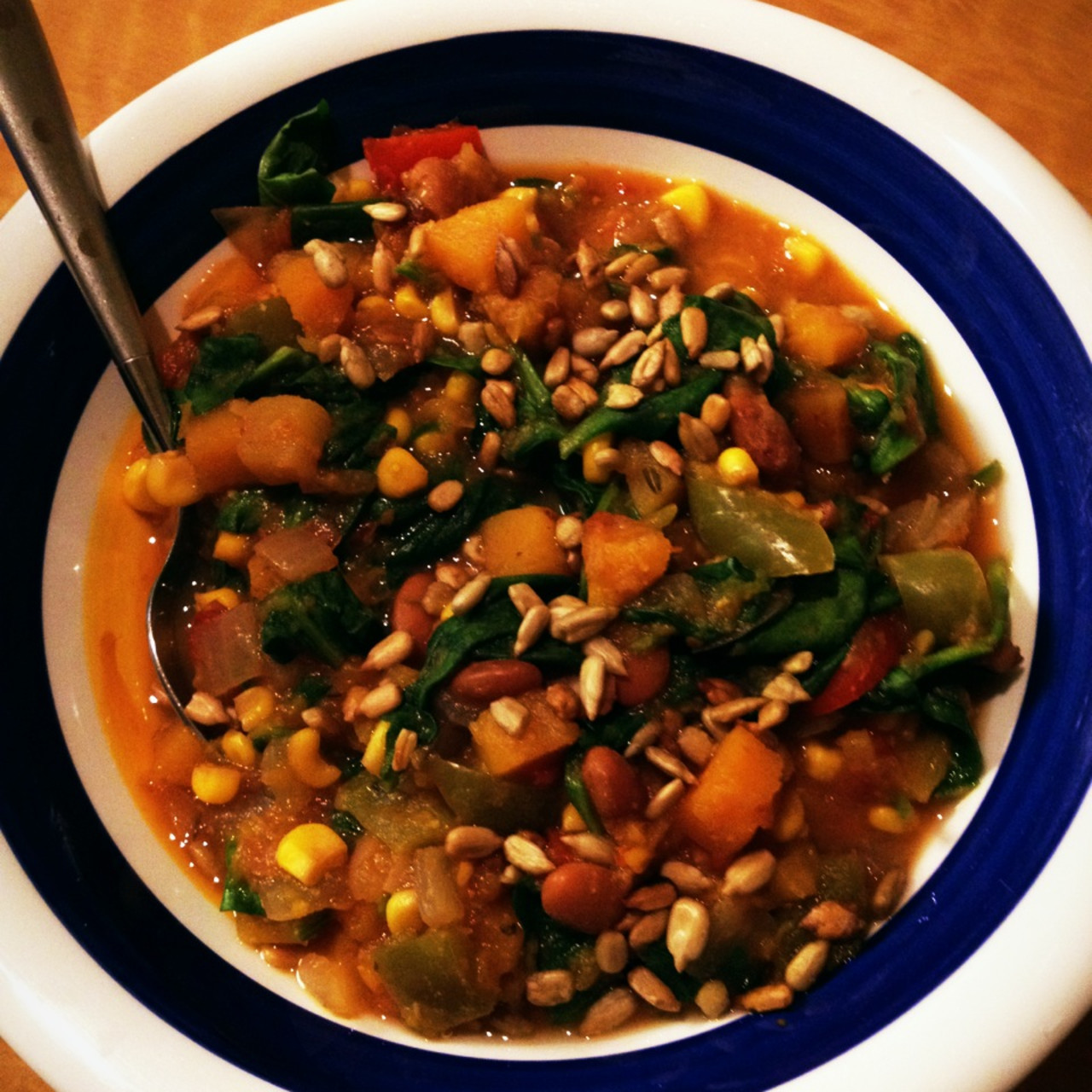
Native American cuisine is a profound culinary tradition, deeply rooted in the land, its seasons, and sustainable practices. It is a vibrant tapestry woven from indigenous ingredients, reflecting centuries of wisdom, resourcefulness, and a deep respect for nature’s bounty. Far from a single monolithic style, it encompasses diverse regional flavors and cooking methods, all united by a philosophy of harmony with the environment.
At the heart of many indigenous foodways lies the concept of the “Three Sisters”: corn, beans, and squash. This ancient agricultural trio is not merely a planting technique but a powerful symbol of mutual support and interdependence, both in the garden and on the plate. Corn provides a stalk for beans to climb, beans enrich the soil with nitrogen, and squash vines spread to shade the ground, retaining moisture and deterring weeds.
This recipe brings these foundational elements together with wild rice, a sacred grain to many Indigenous peoples, into a warm, comforting, and incredibly nourishing stew. It’s a dish that embodies the spirit of harvest and community, perfect for a cozy evening, a celebratory gathering, or simply a desire to connect with ancestral flavors.
We’ve crafted this recipe to be not only delicious but also “anti-fail.” Its beauty lies in the robust nature of its ingredients and the forgiving process, making it accessible for cooks of all skill levels. The flavors only deepen with time, ensuring a satisfying meal every time you prepare it.
Estimated Cooking Time: Prep: 30 minutes, Cook: 45-60 minutes. Difficulty: Easy to Medium. Yields: 6-8 servings.
Main Ingredients:
- 1 cup wild rice, rinsed
- 2 tbsp olive oil or preferred cooking oil
- 1 large yellow onion, diced
- 2 cloves garlic, minced
- 1 bell pepper (any color), diced
- 2 cups diced butternut squash (or other winter squash like acorn, pumpkin)
- 1 (15-oz) can black beans, rinsed and drained (or 1.5 cups cooked black beans)
- 1 (15-oz) can kidney beans, rinsed and drained (or 1.5 cups cooked kidney beans)
- 2 cups fresh or frozen corn kernels
- 6 cups vegetable broth (or chicken broth for non-vegetarian)
- 1 (14.5-oz) can diced tomatoes, undrained
- 1 tsp dried thyme
- 1/2 tsp dried sage
- 1/4 tsp cayenne pepper (optional, for a kick)
- Salt and freshly ground black pepper to taste
Optional Additions / Garnish:
- Fresh parsley or cilantro, chopped, for garnish
- Toasted pumpkin seeds (pepitas) for crunch
- A dollop of sour cream or Greek yogurt (for serving)
- Cooked shredded chicken or smoked turkey (for a heartier, non-vegetarian version)
- A squeeze of fresh lime juice at the end
Step 1: Prepare the Wild Rice. Begin by rinsing the wild rice thoroughly under cold water. In a medium saucepan, combine the rinsed wild rice with 3 cups of vegetable broth (or water) and a pinch of salt. Bring to a boil, then reduce heat to low, cover, and simmer for 40-45 minutes, or until the rice is tender and has absorbed most of the liquid. Set aside.
Step 2: Sauté Aromatics. While the rice cooks, heat the olive oil in a large Dutch oven or heavy-bottomed pot over medium heat. Add the diced onion and cook, stirring occasionally, until softened and translucent, about 5-7 minutes.
Step 3: Introduce Garlic and Bell Pepper. Add the minced garlic and diced bell pepper to the pot. Sauté for another 3-4 minutes until the bell pepper starts to soften and the garlic is fragrant. Be careful not to burn the garlic.
Step 4: Add Winter Squash. Stir in the diced butternut squash. Cook for about 5 minutes, allowing it to slightly soften and absorb the flavors from the aromatics. This step helps to develop its natural sweetness.
Step 5: Incorporate Spices. Sprinkle in the dried thyme, dried sage, and optional cayenne pepper. Cook for 1 minute, stirring constantly, to toast the spices and release their aromatic oils. This crucial step greatly enhances the depth of flavor.
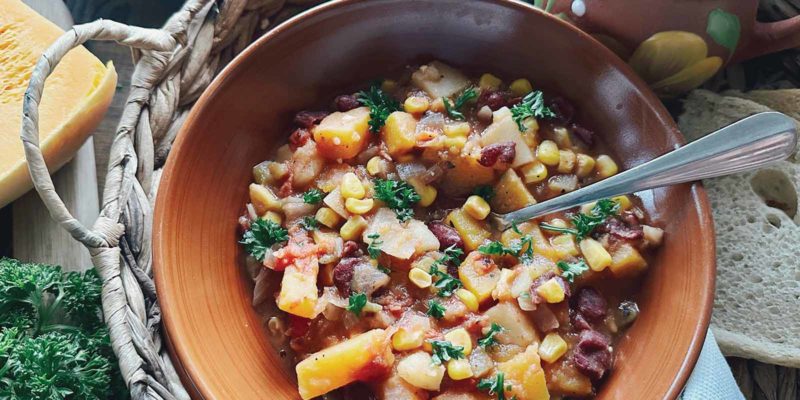
Step 6: Liquid Base. Pour in the remaining 3 cups of vegetable broth and the can of diced tomatoes (undrained). Stir everything together gently. Bring the mixture to a gentle simmer.
Step 7: Simmer the Stew. Reduce the heat to low, cover the pot, and let the stew simmer for 15-20 minutes, or until the squash is tender when pierced with a fork. Stir occasionally to prevent any sticking to the bottom of the pot.
Step 8: Add Beans and Corn. Once the squash is tender, stir in the rinsed and drained black beans, kidney beans, and corn kernels. These ingredients only need to be heated through.
Step 9: Gentle Simmer for Final Flavors. Continue to simmer the stew, uncovered, for another 5-10 minutes, allowing all the ingredients to heat through and for the flavors to meld beautifully. This short simmer helps to integrate everything.
Step 10: Season to Perfection. Taste the stew and season generously with salt and freshly ground black pepper. Adjust any seasonings as needed. This is a crucial step for balancing the flavors and ensuring it’s to your liking.
Step 11: Combine with Wild Rice. Gently stir in the cooked wild rice into the stew. You can either incorporate all of it directly into the pot for a thicker stew or serve the stew over a bed of wild rice, depending on your preference for texture and presentation.
Step 12: Optional Protein Addition. If you’re opting for a heartier, non-vegetarian version, stir in cooked shredded chicken or smoked turkey now, allowing it to heat through for a few minutes with the rest of the stew.
Step 13: Final Touches. Remove the stew from the heat. If desired, stir in a squeeze of fresh lime juice for a bright, acidic finish that really makes the flavors pop.
Step 14: Serve Warm. Ladle the hearty Three Sisters & Wild Rice Stew into individual bowls. The aroma alone will be incredibly inviting.
Step 15: Garnish and Enjoy. Garnish each serving with fresh chopped parsley or cilantro, and a sprinkle of toasted pumpkin seeds (pepitas) for added texture and nutrition. A dollop of sour cream or Greek yogurt can also be added for richness. Serve immediately and savor the ancestral flavors.
Tip 1: Roasting the Squash. For an even deeper flavor profile and a touch of sweetness, consider roasting the butternut squash cubes separately with a drizzle of oil and a pinch of salt and pepper before adding them to the stew. Roast at 400°F (200°C) for 15-20 minutes until tender and lightly caramelized.
Tip 2: Fresh vs. Canned/Frozen. While canned beans and frozen corn are convenient and perfectly acceptable, using fresh, seasonal ingredients whenever possible will elevate the taste significantly. If using dried beans, remember to soak and cook them beforehand according to package directions.
Tip 3: Don’t Rush the Simmer. The longer the stew simmers (within reason, especially after adding squash), the more the flavors will develop and meld. A low, slow simmer is key for a truly comforting and flavorful stew, allowing the ingredients to harmonize.
Tip 4: Layering Flavors. The sequence of adding ingredients is important for building flavor. Sautéing the aromatics (onion, garlic, bell pepper) and toasting the spices before adding liquids is fundamental. This process creates a rich, foundational taste for your stew.
Tip 5: Taste and Adjust. Always taste your stew before serving. Seasoning is personal. Don’t be afraid to add more salt, pepper, or even a dash of a smoky spice like chipotle powder if you desire more complexity. A touch of maple syrup or agave can also balance any acidity if needed, especially from the tomatoes.
Estimated Nutritional Information (per serving, vegetarian version): Approximately 300-350 calories, 15-20g protein, 50-60g carbohydrates, 10-12g fiber, 5-7g fat. Note: These are estimates and can vary based on exact ingredients, brands, and portion sizes. Adding protein like smoked turkey will increase calorie and protein content accordingly.
The Philosophy of the Three Sisters: Beyond just a farming technique, the Three Sisters represent a profound understanding of ecological balance and mutual support. Corn provides a stalk for beans to climb, beans fix nitrogen in the soil, and squash shades the soil, retaining moisture and deterring pests. It’s a testament to sustainable agriculture.
Wild Rice: A Sacred Grain: Wild rice, or Manoomin in Ojibwe, is more than just a food; it’s a sacred gift from the Creator for many Indigenous peoples of the Great Lakes region. Its unique nutty flavor and satisfyingly chewy texture add a distinct character and depth to this stew, making it truly special.
A Culinary Legacy: This recipe offers a small, flavorful window into the vast and diverse culinary heritage of Native American tribes across North America. Their ingenuity in utilizing local resources and creating nourishing dishes from the land is a testament to their deep connection with nature and their environment.
Sustainability and Respect: Preparing this stew is also an act of respecting the earth and its bounty. Many indigenous foodways emphasize sustainable harvesting, minimal waste, and a profound appreciation for the source of food. Consider sourcing your ingredients locally and seasonally to honor this enduring tradition.
Serving Suggestions: This hearty stew is a complete meal in itself. It pairs wonderfully with a side of traditional cornbread, a light green salad, or even a piece of warm fry bread if you’re feeling adventurous and wish to explore more indigenous culinary accompaniments.
Variations to Explore: Feel free to experiment with other vegetables like zucchini, sweet potatoes, or even leafy greens such as collards or kale, added towards the end of cooking. Different types of beans (pinto, cannellini) can also be substituted. A touch of smoked paprika can further enhance the smoky depth of the stew.
Why "Anti-Fail"? The beauty of this stew lies in its forgiving nature. The ingredients are robust, and the flavors only improve with time, making it hard to go wrong. Even if you slightly overcook a vegetable, the overall harmony of the dish remains intact, making it perfect for novice and experienced cooks alike.
Embrace the Journey: Cooking this stew is not just about following steps; it’s about connecting with a rich cultural narrative and appreciating the wisdom of generations. Take your time, enjoy the process, and let the comforting aromas fill your kitchen as you create a meal with history.
Conclusion: We hope this Ancestral Harvest stew brings warmth, comfort, and a deeper appreciation for the indigenous culinary traditions to your table. It’s a delicious reminder of the power of simple, wholesome ingredients and the enduring legacy of Native American foodways, a true gift from the land.


:max_bytes(150000):strip_icc()/best-ever-succotash-recipe-3x4-61-c9230cceec7b4e15aeda6c213d42da12.jpg?w=200&resize=200,135&ssl=1 "Succotash: A Flavorful Fusion of Summer’s Best")
