The Budding Bounty: Unveiling the Australian Native Food Industry
For millennia, the Indigenous peoples of Australia have thrived on the rich tapestry of native flora and fauna. Their deep understanding of the land, passed down through generations, unlocked a world of flavour and sustenance from ingredients now being rediscovered and celebrated on a global stage. The Australian native food industry, once a niche pursuit, is experiencing a remarkable renaissance, transforming from a whisper of cultural heritage into a vibrant and dynamic sector poised for significant growth. This burgeoning industry is not just about novel flavours; it’s a powerful narrative of sustainability, cultural reclamation, and an exciting culinary frontier.
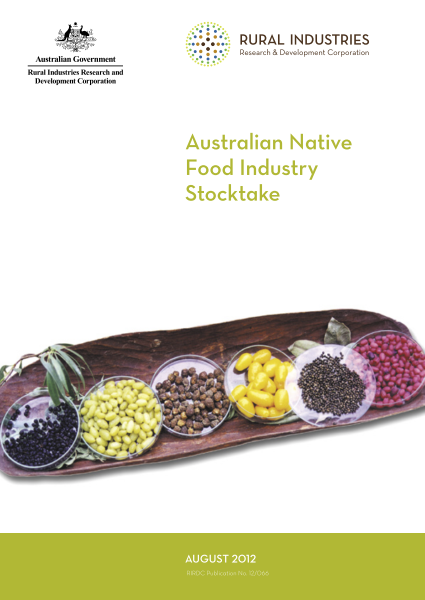
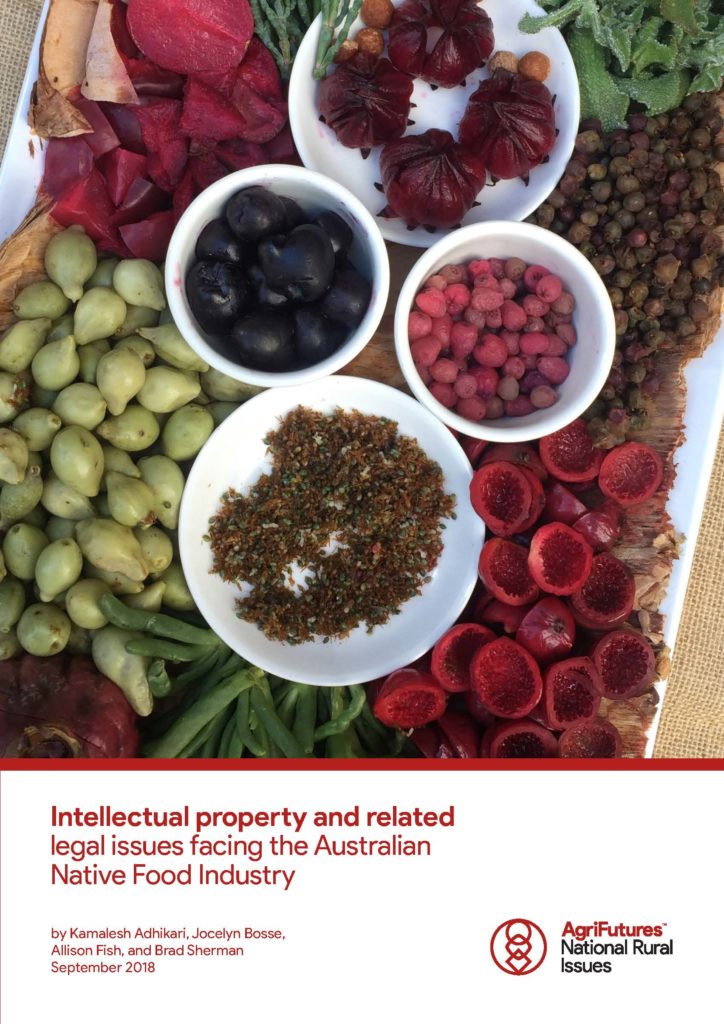
The term "native food" encompasses a vast array of edible plants and animals indigenous to Australia, including fruits, vegetables, herbs, spices, nuts, seeds, and seafood. Think of the tangy explosion of lemon myrtle, the earthy depth of bush tomatoes, the delicate sweetness of quandongs, or the robust flavour of kangaroo. These ingredients, honed by millions of years of evolution in diverse Australian landscapes, offer unique nutritional profiles and complex flavour combinations that are capturing the attention of chefs, food producers, and consumers worldwide.
A Journey from Tradition to Trend:
Historically, Indigenous Australians have been the custodians of this culinary knowledge. Their diets were dictated by the seasons and the availability of native resources, leading to a profound connection with the land and its bounty. However, with the advent of colonisation, much of this traditional knowledge was suppressed, and native foods were largely relegated to the fringes of mainstream Australian cuisine.
The modern resurgence of native foods began subtly in the latter half of the 20th century, driven by a growing interest in Indigenous culture and a desire for healthier, more sustainable food options. Early pioneers, often Indigenous entrepreneurs and passionate chefs, began experimenting with these ingredients, introducing them to new audiences. This movement gained momentum through the 1990s and early 2000s, marked by the establishment of dedicated native food businesses, research initiatives, and a growing presence on restaurant menus.
Today, the Australian native food industry is a multifaceted ecosystem encompassing cultivation, harvesting, processing, product development, and marketing. It’s a sector that is actively addressing historical injustices by empowering Indigenous communities and promoting economic self-determination through the sustainable harvesting and commercialisation of their traditional foods.
Key Drivers of Growth:
Several factors are fuelling the expansion of this industry:
- Unique Flavours and Culinary Innovation: Native Australian ingredients offer a distinct departure from familiar global flavours. The complex citrus notes of finger limes, the subtle spice of bush pepper, and the umami richness of wattleseed provide chefs with an exciting palette to create innovative dishes. This novelty factor is a major draw for adventurous diners and a key differentiator for food businesses.
- Health and Nutritional Benefits: Many native foods are nutritional powerhouses, rich in antioxidants, vitamins, minerals, and beneficial fatty acids. For example, Kakadu plum boasts one of the highest known concentrations of Vitamin C in the world, while quandongs are packed with vitamin E and folate. As consumers increasingly prioritise health and wellness, these nutrient-dense ingredients are gaining significant traction.
- Sustainability and Environmental Credentials: Native Australian plants are inherently well-adapted to the local climate and often require minimal water and chemical inputs for cultivation. This makes them a sustainable and environmentally responsible choice compared to many introduced agricultural species. The industry is also championing regenerative farming practices and responsible wild harvesting, minimising environmental impact.
- Cultural Significance and Storytelling: The story behind native foods is deeply compelling. They represent a direct link to Australia’s ancient past and the enduring legacy of Indigenous culture. Consumers are increasingly interested in the provenance of their food and the stories behind it, making native foods a powerful tool for cultural storytelling and connection.
- Government Support and Research: Increased investment in research and development, along with government initiatives aimed at supporting Indigenous businesses and promoting native foods, has been instrumental in the industry’s growth. This support is helping to overcome challenges related to cultivation, processing, and market access.

Challenges and Opportunities:
Despite its impressive growth, the Australian native food industry faces its share of challenges:
- Scalability and Supply Chain Development: Moving from small-scale harvesting and niche markets to larger, more consistent supply chains requires significant investment in infrastructure, processing facilities, and cultivation techniques. Ensuring a reliable supply of high-quality native ingredients is crucial for meeting growing demand.
- Consumer Education and Awareness: While awareness is growing, many consumers are still unfamiliar with native ingredients and how to use them. Educating the public about their flavours, benefits, and culinary applications is essential for broader market acceptance.
- Intellectual Property and Benefit Sharing: Protecting the intellectual property associated with traditional knowledge and ensuring fair and equitable benefit sharing with Indigenous communities is a critical ethical consideration.
- Regulatory Frameworks: Navigating existing food regulations, which were largely designed for introduced species, can be complex for novel native ingredients. Developing appropriate regulatory frameworks is an ongoing process.
However, these challenges also present significant opportunities. The demand for authentic, sustainable, and culturally rich food experiences is on an upward trajectory, placing the Australian native food industry in a prime position to capitalise. Opportunities exist in:
- Value-Added Products: Developing a wider range of processed native food products, such as snacks, beverages, sauces, and ready-to-eat meals, can broaden market appeal and extend shelf life.
- Export Markets: The unique flavours and health benefits of native Australian ingredients have strong appeal in international markets, particularly in Asia, Europe, and North America.
- Agritourism and Culinary Experiences: Integrating native foods into agritourism offerings, such as farm tours, cooking classes, and bush tucker experiences, can further enhance consumer engagement and education.
- Research and Innovation: Continued investment in research into the cultivation, nutritional properties, and culinary applications of native ingredients will unlock further potential and drive innovation.
Indigenous Empowerment at the Core:
A cornerstone of the contemporary native food industry is its commitment to Indigenous empowerment. Many businesses are Indigenous-owned and operated, providing direct economic benefits and opportunities for cultural preservation. The industry is actively working to ensure that Indigenous communities are at the forefront of this movement, benefiting from the sustainable harvesting and commercialisation of their ancestral foods. This approach fosters a sense of pride, self-determination, and cultural continuity.
A Taste of the Future:
The Australian native food industry is more than just a trend; it’s a movement towards a more sustainable, culturally rich, and delicious future. As chefs continue to explore its diverse offerings and consumers embrace its unique flavours and health benefits, these ancient ingredients are poised to become a staple on plates both in Australia and around the world. The journey from the ancestral campfire to the modern gourmet kitchen is a testament to the resilience of Indigenous knowledge and the enduring power of the land. The budding bounty of Australia’s native foods promises a truly unique and flavourful culinary adventure.
Recipe Ideas Featuring Australian Native Foods
Here are a few recipe ideas that showcase the versatility and unique flavours of Australian native ingredients. These are simplified concepts to illustrate their use, and can be further developed by chefs and home cooks.
1. Kangaroo Loin with Wattleseed Crust and Bush Tomato Relish
- Concept: A lean and flavourful kangaroo loin marinated and coated in a crust made from roasted wattleseed, then served with a vibrant relish.
- Native Ingredients: Kangaroo, Wattleseed, Bush Tomatoes (e.g., Desert Raisins, Wild Tomatoes).
- Method:
- Marinate kangaroo loin in olive oil, garlic, and native herbs (like native thyme or rosemary).
- Toast wattleseed until fragrant, then grind into a coarse meal. Mix with breadcrumbs, salt, and pepper for the crust.
- Sear the kangaroo loin to desired doneness, then press the wattleseed crust onto one side and briefly grill or bake to set.
- For the relish, sauté finely chopped bush tomatoes with red onion, a hint of chilli, native mint, and a splash of bush vinegar or lemon myrtle infused oil. Season to taste.
- Serve sliced kangaroo loin with the relish.
2. Lemon Myrtle & Finger Lime Crème Brûlée
- Concept: A classic dessert infused with the zesty, floral notes of lemon myrtle and the burst of citrus from finger limes.
- Native Ingredients: Lemon Myrtle, Finger Limes.
- Method:
- Infuse cream and milk with fresh lemon myrtle leaves by gently heating and steeping. Strain.
- Whisk egg yolks with sugar until pale. Gradually temper the warm lemon myrtle infused cream into the egg mixture.
- Pour into ramekins and bake in a water bath until set.
- Chill thoroughly.
- Before serving, sprinkle with sugar and caramelise using a blowtorch for the classic crème brûlée crust.
- Garnish with fresh finger lime pearls for a delightful pop of acidity.
3. Quandong & Davidson Plum Pavlova with Native Berries
- Concept: A light and airy pavlova topped with a compote of native fruits and fresh native berries.
- Native Ingredients: Quandongs, Davidson Plums, Native Berries (e.g., Midgen berries, Blue Quandongs).
- Method:
- Prepare a classic pavlova base using egg whites and sugar.
- For the compote, simmer dried or fresh quandongs and diced Davidson plums with a little sugar and water until softened. A touch of honey or native bush honey can be used.
- Whip cream or use a native macadamia cream.
- Assemble the pavlova by topping the meringue with the fruit compote, whipped cream, and a scattering of fresh native berries.
4. Pan-Seared Barramundi with Samphire and Bush Tucker Salad
- Concept: Fresh Australian Barramundi served with native sea vegetables and a vibrant salad.
- Native Ingredients: Barramundi, Samphire, Bush Tucker (e.g., Saltbush, Warrigal Greens, Native Violets).
- Method:
- Pan-sear a fillet of Barramundi until golden and cooked through.
- Blanch fresh samphire briefly in boiling water.
- For the salad, combine blanched samphire with fresh saltbush leaves, lightly wilted warrigal greens (ensure proper preparation to remove oxalates), edible native violets, and a light vinaigrette made with lemon myrtle infused oil and bush vinegar.
- Serve the pan-seared Barramundi atop the salad.
5. Macadamia and Kakadu Plum Crumble
- Concept: A sweet and tart crumble showcasing the creamy texture of macadamias and the intense vitamin C of Kakadu plums.
- Native Ingredients: Macadamia Nuts, Kakadu Plums.
- Method:
- For the filling, combine chopped Kakadu plums (fresh or rehydrated dried) with a little sugar (adjust to plum tartness), a touch of honey, and a thickening agent like cornstarch.
- For the crumble topping, mix roughly chopped macadamia nuts with flour, butter, and a touch of native brown sugar or cinnamon.
- Layer the Kakadu plum filling in a baking dish, then top with the macadamia crumble.
- Bake until golden and bubbling. Serve warm, perhaps with a dollop of native bush yogurt or vanilla ice cream.
These recipes are just starting points, offering a glimpse into the exciting possibilities of Australian native foods. The true beauty lies in their adaptability and the endless potential for culinary discovery.


