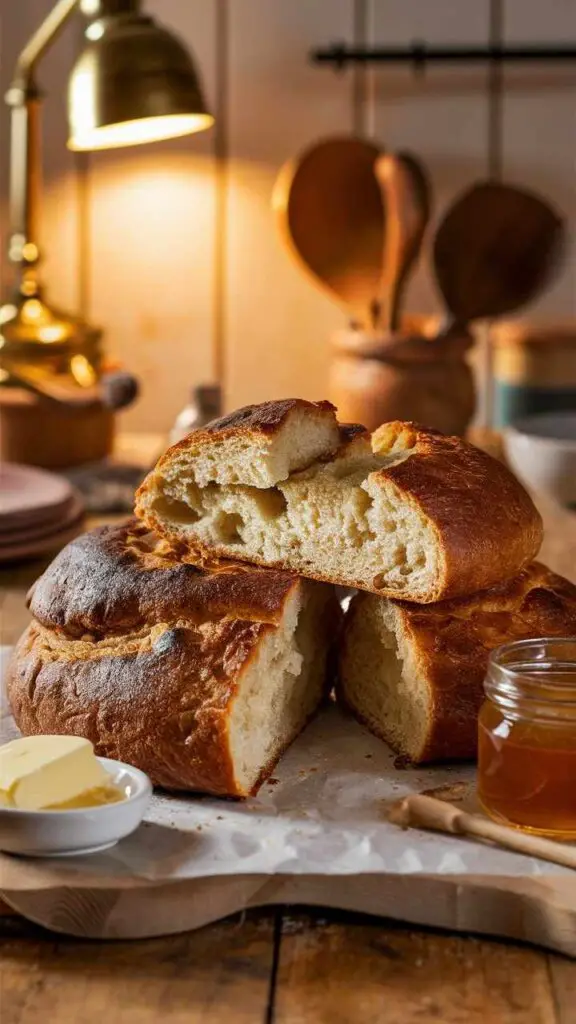
Imagine a warm, rustic bread, golden-brown and delightfully soft on the inside, with a slightly crisp crust. This is Bannock Bread, a truly comforting and versatile staple that has nourished people for centuries. It’s more than just bread; it’s a taste of history, a simple pleasure that connects us to traditional cooking.
Bannock holds a significant place in the culinary heritage of both Indigenous peoples across North America and early Scottish settlers. Its origins are a beautiful blend of practicality and resourcefulness, often made from readily available ingredients and cooked over an open fire or in a simple pan.
Originally, Bannock was a survival food, a quick and easy way to make a satisfying meal with minimal fuss. Today, it has evolved into a beloved comfort food, perfect for family breakfasts, a hearty addition to dinner, or a wonderful companion for soups and stews. Its simplicity is its strength, making it accessible to even novice bakers.
This guide provides an anti-fail, step-by-step recipe to ensure your Bannock Bread turns out perfectly every time. We’ll cover everything from selecting the right ingredients to mastering the cooking techniques, along with secret tips to elevate your baking experience.

Whether you’re looking for a quick bread to serve alongside a hearty chili, an easy camping treat, or simply want to explore a piece of culinary history, Bannock Bread is an excellent choice. It’s incredibly adaptable, allowing for sweet or savory variations to suit any palate.
Let’s dive into the details of creating this timeless, rustic bread that promises warmth and satisfaction with every bite.
Recipe Overview: Bannock Bread
Here’s a quick glance at what you’ll need to know before you start baking.
- Preparation Time: 10-15 minutes
- Cooking Time: 20-30 minutes (baked) or 15-20 minutes (pan-fried)
- Total Time: 30-45 minutes
Difficulty Level: Easy
Yields: 6-8 servings (depending on size)
To make Bannock Bread, you won’t need any specialized equipment. Basic kitchen tools are usually sufficient.
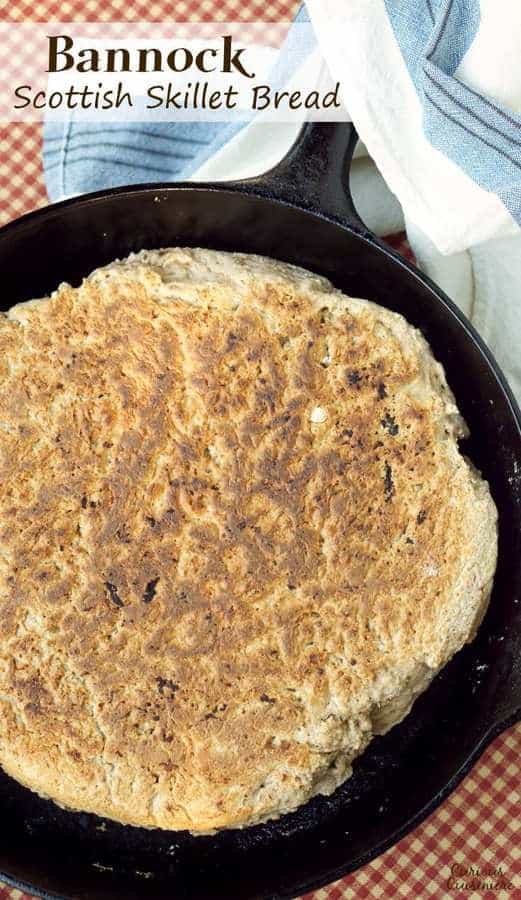
- Large mixing bowl
- Measuring cups and spoons
- Pastry blender or two knives (for cutting in fat, optional)
- Wooden spoon or spatula
- Baking sheet (if baking) or Cast iron skillet/heavy-bottomed pan (if pan-frying)
- Parchment paper (optional, for baking)
This recipe focuses on simplicity, using common pantry items. We’ll categorize them for clarity.
- 2 cups (240g) all-purpose flour (or a mix of whole wheat and all-purpose for a heartier texture)
- 2 tablespoons granulated sugar (adjust to taste, or omit for savory)
- 1 tablespoon baking powder
- 1/2 teaspoon salt
- 1/4 cup (55g) cold butter, lard, or vegetable shortening, cut into small cubes
- 3/4 cup to 1 cup (180-240ml) milk or water (start with 3/4 cup and add more if needed)
- For Sweet Bannock: 1/4 cup raisins, dried cranberries, or chocolate chips. A pinch of cinnamon or nutmeg.
- For Savory Bannock: 1/4 cup shredded cheese, finely chopped fresh herbs (rosemary, thyme), or a pinch of garlic powder.
Follow these detailed steps to create your perfect Bannock Bread.
-
Prepare Your Workspace: Preheat your oven to 400°F (200°C) if baking, or prepare your cast iron skillet over medium heat if pan-frying. Lightly grease your baking sheet or skillet.
-
Combine Dry Ingredients: In a large mixing bowl, whisk together the flour, sugar, baking powder, and salt. Ensure they are well combined to distribute the leavening evenly.
-
Cut in the Fat: Add the cold butter (or lard/shortening) to the dry ingredients. Using a pastry blender, two knives, or your fingertips, cut the fat into the flour mixture until it resembles coarse crumbs. This creates flaky layers.
-
Introduce Optional Add-ins: If using any sweet or savory additions, gently fold them into the flour mixture at this stage.
-
Add Liquid Gradually: Make a well in the center of the dry ingredients. Pour in 3/4 cup of milk or water. Using a wooden spoon or spatula, stir just until the dough comes together. Be careful not to overmix.
-
Adjust Consistency: If the dough seems too dry, add the remaining milk or water, one tablespoon at a time, until a soft, shaggy dough forms. It should be moist enough to hold together but not overly sticky.
-
Lightly Knead (Optional): Transfer the dough to a lightly floured surface. Gently knead it a few times (no more than 10-15 seconds) just to bring it together into a cohesive ball. Over-kneading will make the bread tough.
-
Shape the Dough: Form the dough into a round disk, about 1-inch thick. Alternatively, you can divide it into smaller individual rounds or squares.
-
Prepare for Cooking: If baking, place the disk or individual pieces on your prepared baking sheet. If pan-frying, place it directly into the preheated skillet.
-
Cook (Baking Method): Bake in the preheated oven for 20-30 minutes, or until golden brown on top and cooked through. A toothpick inserted into the center should come out clean.
-
Cook (Pan-Frying Method): Cook in the skillet over medium heat for 8-12 minutes per side, or until golden brown and cooked through. You might need to cover the pan for a few minutes during cooking to ensure the inside cooks properly.
-
Check for Doneness: The best way to check for doneness is to tap the bottom of the Bannock; it should sound hollow. The internal temperature should reach around 200-210°F (93-99°C).
-
Cool and Serve: Once cooked, transfer the Bannock Bread to a wire rack to cool slightly. It’s best enjoyed warm.
Achieving perfect Bannock is easy with these insider tips.
- Don’t Overmix: This is the golden rule for most quick breads. Overmixing develops gluten, leading to a tough, dense Bannock. Mix just until the ingredients are combined.
- Cold Fat is Key: Using cold butter, lard, or shortening creates steam pockets during baking, resulting in a tender and flaky texture.
- Adjust Liquid Gradually: The amount of liquid can vary based on flour type and humidity. Start with less and add more as needed until the dough is just cohesive.
- Proper Cooking Temperature: If pan-frying, don’t let the heat get too high, or the outside will burn before the inside cooks. Medium heat is ideal. If baking, ensure your oven is fully preheated.
- Test for Doneness: A hollow sound when tapped on the bottom is a reliable indicator. Don’t be afraid to cut into a small piece to check the interior if unsure.
- Embrace Imperfection: Bannock is a rustic bread. Don’t stress about perfect shapes; its charm lies in its homemade appeal.
Bannock Bread is incredibly versatile and pairs well with many dishes.
- Sweet: Serve warm with butter, jam, honey, maple syrup, or a sprinkle of cinnamon sugar.
- Savory: It’s an excellent accompaniment to hearty stews, chili, soups, or even as a base for open-faced sandwiches.
- Breakfast: Enjoy it with eggs and bacon, or simply with a cup of coffee or tea.
Leftover Bannock can be stored and enjoyed later.
Store cooled Bannock Bread in an airtight container at room temperature for up to 2-3 days. For longer storage, freeze it for up to 1 month.
To reheat, gently warm slices in a toaster, oven, or microwave until soft and warm.
Please note, these are approximate values and can vary based on ingredients and portion sizes.
- Calories: Approximately 200-250 kcal
- Protein: 5-7g
- Fat: 8-12g (saturated fat varies with type of fat used)
- Carbohydrates: 30-40g
- Fiber: 1-2g
Bannock Bread is a testament to the beauty of simple ingredients coming together to create something truly satisfying. Its rich history and effortless preparation make it a rewarding baking project for anyone.
By following this anti-fail guide, you’re not just baking bread; you’re partaking in a culinary tradition that emphasizes nourishment, community, and the comforting taste of home. Enjoy your freshly baked Bannock!


:max_bytes(150000):strip_icc()/best-ever-succotash-recipe-3x4-61-c9230cceec7b4e15aeda6c213d42da12.jpg?w=200&resize=200,135&ssl=1 "Succotash: A Flavorful Fusion of Summer’s Best")
