
Absolutely! Here’s an article about the cultural significance of Billy Tea, along with some recipe suggestions.
The Enduring Allure of Billy Tea: A Taste of Australian Bush Culture
Billy tea, a simple brew made by boiling water and tea leaves in a tin can over an open fire, is more than just a beverage in Australia; it’s a potent symbol, a nostalgic echo of a bygone era, and a cherished element of the nation’s bush culture. Its humble origins belie a profound significance that continues to resonate with Australians, evoking images of rugged pioneers, resourceful stockmen, and the vast, untamed Australian landscape.
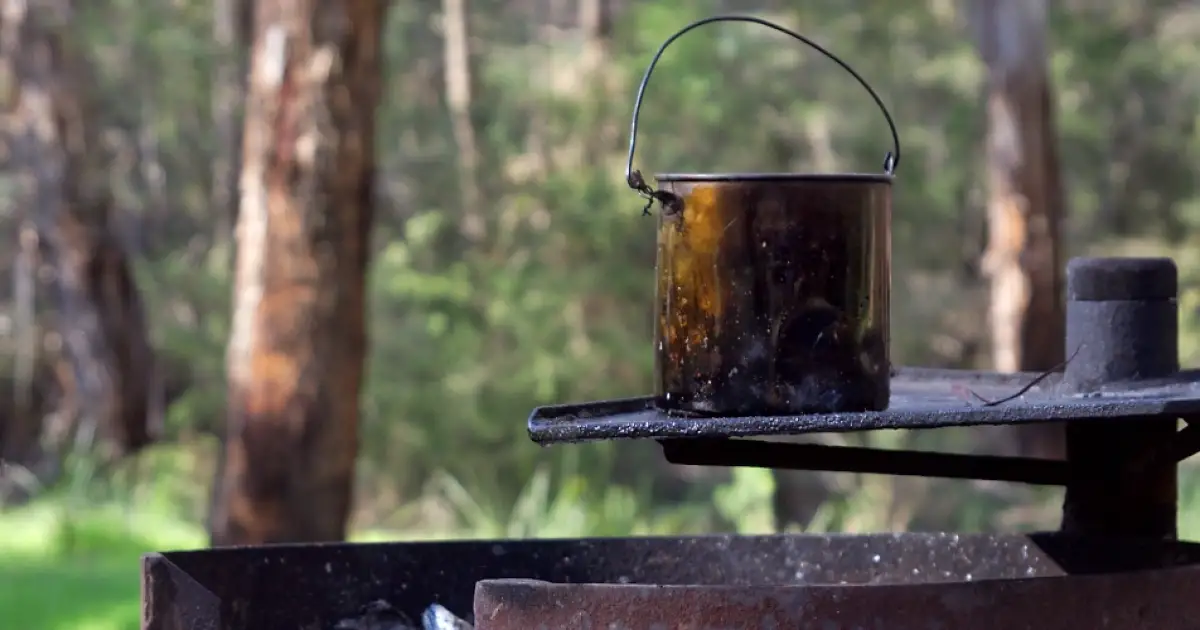
The very name, "billy tea," conjures a romanticized vision of life in the Australian bush. The "billy" itself, a traditional metal can, often made of tin or aluminium, with a wire handle, became synonymous with self-sufficiency and survival in the wilderness. These cans were a common sight in the saddlebags of drovers, swagmen, and prospectors as they traversed the rugged terrain of the Australian continent. The ritual of making billy tea was a fundamental part of their daily existence, a moment of respite and warmth amidst the harsh realities of bush life.
The cultural significance of billy tea can be dissected into several key areas:
1. Symbol of Resourcefulness and Self-Sufficiency:
In a land that demanded ingenuity and resilience, the ability to create a nourishing drink from basic provisions was paramount. Billy tea embodied this spirit of self-reliance. With just a tin, water, and tea leaves (often strong black tea like Lipton’s or Bushells, readily available and robust enough to withstand the boiling), one could conjure a comforting brew. This resourceful approach to sustenance was crucial for those who lived and worked far from established settlements. The billy can itself was often a repurposed item, further emphasizing this theme of making do with what was available.
2. A Taste of Nostalgia and the "Golden Age" of the Bush:
For many Australians, billy tea is inextricably linked to a nostalgic perception of the past, often referred to as the "golden age" of the bush. This era conjures images of the legendary Australian stockman, the intrepid explorer, and the rugged digger during the gold rushes. The scent of eucalyptus smoke mingling with the aroma of brewing tea became a sensory shorthand for this romanticized period. It evokes a sense of uncomplicated living, where connection to the land and community were paramount. This nostalgia is perpetuated through literature, art, and popular culture, where billy tea often features as a recurring motif.
3. A Social Ritual and a Mark of Hospitality:
While often associated with solitary survival, making and sharing billy tea was also a significant social ritual. For stockmen resting after a long day’s ride, prospectors taking a break from digging, or swagmen sharing a campsite, the preparation of billy tea was an opportunity to gather, converse, and strengthen bonds. The act of offering a cup of billy tea was a gesture of hospitality, a simple yet meaningful way to welcome a fellow traveler or a guest into one’s temporary domain. This communal aspect of sharing the brew fostered a sense of camaraderie and mutual support, essential for navigating the isolation of the bush.
4. Connection to the Land and Indigenous Culture:
While the modern conception of billy tea is largely associated with European settlers, it’s important to acknowledge the broader context of tea consumption and the use of native ingredients by Indigenous Australians for millennia. Indigenous communities had their own methods of preparing infusions from native plants for medicinal and nutritional purposes. While not directly "billy tea" in the tin-can sense, the fundamental act of drawing sustenance and comfort from the natural environment through brewed beverages forms a parallel. The enduring appeal of billy tea can be seen as an echo of this deep-seated connection to the land, where natural resources were utilized for well-being.
5. A Culinary Icon and a Culinary Challenge:
In a culinary landscape that often prioritizes complex recipes and exotic ingredients, billy tea stands out for its sheer simplicity. Yet, this simplicity presents its own set of challenges and nuances. The art of making perfect billy tea lies in mastering the boiling time, the strength of the tea, and the water temperature. Overboiling can result in a bitter, stewed taste, while underboiling might yield a weak, watery brew. Achieving that ideal balance, that robust yet smooth flavor, is a source of pride for those who have honed the skill. It’s a testament to the idea that even the most basic elements can be elevated through careful execution and understanding.
6. The Modern Revival and Enduring Legacy:
In contemporary Australia, billy tea enjoys a resurgence in popularity, particularly among campers, hikers, and those seeking to reconnect with their heritage. Outdoor festivals, historical reenactments, and even backyard camping experiences often feature the iconic billy can and the ritual of brewing tea over an open flame. This revival is not merely about nostalgia; it’s about embracing a tangible piece of Australian identity. It’s a way to slow down, appreciate the simple pleasures, and connect with the spirit of adventure that has shaped the nation.
The cultural significance of billy tea is multifaceted. It’s a story of survival, a testament to ingenuity, a vessel of nostalgia, a symbol of hospitality, and a humble yet enduring culinary icon. It reminds us of a time when life was perhaps simpler, more connected to the earth, and where the most essential elements could bring the greatest comfort. The next time you see a billy can or smell the aroma of strong black tea brewing over an open fire, remember that you’re not just experiencing a drink; you’re tasting a piece of Australian history and culture.
Billy Tea Recipe Suggestions
While the core of billy tea is incredibly simple, there are variations and considerations to enhance the experience.
The Classic Billy Tea (The Foundation)
This is the fundamental method that forms the basis of all billy tea.
Ingredients:
- Water (as much as your billy can hold)
- Strong black tea leaves (e.g., Lipton’s, Bushells, or a robust Australian blend). Loose leaf is traditional and often preferred for its flavour.
- Optional: Sugar (to taste)
Equipment:
- Billy can (a metal tin with a wire handle)
- Campfire or portable stove with a heat source
- Mug or enamel cup
Instructions:
- Fill the Billy: Fill your billy can with fresh, cold water.
- Heat the Water: Place the billy can over your heat source. Bring the water to a rolling boil.
- Add the Tea: Once the water is boiling vigorously, remove the billy can from the direct heat or reduce the heat significantly. Add your desired amount of tea leaves directly into the boiling water. A good starting point is about 1-2 teaspoons of loose leaf tea per mug you intend to serve, but this can be adjusted to your preference for strength.
- Brew: Allow the tea to steep for a few minutes. The exact steeping time is a matter of personal preference and skill. A common technique is to "rock the billy" – lifting it briefly off the heat and then back on, or swirling it gently, to encourage the leaves to infuse without over-extracting. Aim for a strong, dark brew.
- Strain and Serve: Carefully pour the tea into your mug. You can either let the leaves settle to the bottom of the billy or use a sieve to strain them out as you pour.
- Sweeten (Optional): Add sugar to taste. Stir well.
Tips for the Classic Brew:
- Water Quality: Use fresh, clean water for the best flavour.
- Tea Strength: Don’t be afraid to use a generous amount of tea leaves. Bush tea is meant to be strong and invigorating.
- Boiling Time: The key is to boil the water first, then add the tea. Over-boiling the tea itself can make it bitter.
- "Knock Off" the Boil: Some old-timers would "knock off" the boil by briefly plunging a damp stick into the boiling water to stop it from boiling over.
Variations and Additions
Once you’ve mastered the classic, you can experiment with these additions:
1. "Milk" Billy Tea (Often a "Splash")
Historically, fresh milk was a luxury in the bush. However, condensed milk or evaporated milk were more common.
Instructions:
- After brewing and pouring the tea into your mug, add a small amount of condensed milk or evaporated milk. Stir well. This adds a creamy richness.
2. "Bush Spice" Billy Tea
This variation incorporates native Australian ingredients or common spices found on long journeys.
Ingredients:
- Classic Billy Tea ingredients
- Optional additions:
- Cinnamon Stick: Adds warmth and sweetness.
- Star Anise: Provides a licorice-like aroma and flavour.
- Cloves: A small pinch can add a pungent, aromatic kick.
- Native Australian Herbs (with caution and knowledge): Some Indigenous communities use native herbs like Lemon Myrtle or Aniseed Myrtle for flavouring. It is crucial to have expert knowledge before using any wild ingredients.
Instructions:
- Add your chosen spices to the billy can along with the tea leaves. Adjust steeping time as needed for the spices to infuse.
3. "Sweetened with Honey" Billy Tea
A more natural sweetener that was also historically available.
Instructions:
- After brewing and pouring, stir in a spoonful of honey to taste.
Important Considerations for Billy Tea:
- Safety First: Always exercise extreme caution when cooking over an open fire. Ensure the billy is stable and never leave it unattended.
- Cleaning: Cleaning a billy can can be challenging, especially in the bush. A good scrub with sand and water can often do the trick.
- Respect the Environment: If camping, use designated fire pits and ensure fires are properly extinguished.
Billy tea is a simple pleasure that connects us to the rugged spirit of Australia. Whether enjoyed as a quick brew on a camping trip or recreated at home for a touch of nostalgia, it remains a beloved and significant part of Australian culture.


