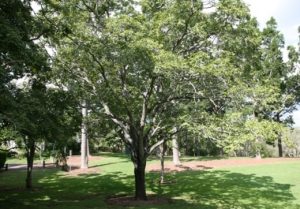
Absolutely! Here’s a comprehensive article on Burdekin Plum tree care, along with some recipe ideas.
The Burdekin Plum: Cultivating a Taste of the Australian Outback
The Burdekin plum tree, scientifically known as Pleiogyne australis, is a captivating native Australian fruit tree that offers a unique culinary experience and ecological value. Originating from the arid and semi-arid regions of Queensland, its resilience and distinctive tart-sweet fruit have made it a sought-after addition to gardens and orchards, particularly for those seeking drought-tolerant and low-maintenance options. This article delves into the comprehensive care required to cultivate a thriving Burdekin plum tree, from planting and soil preparation to pest management and harvesting, culminating in a delightful exploration of its culinary potential.
Understanding the Burdekin Plum Tree
The Burdekin plum is an evergreen tree that typically grows to a moderate size, reaching heights of 8-15 meters. Its attractive, glossy green foliage provides a beautiful contrast to its vibrant fruit. The fruit itself is a drupe, roughly the size of a large cherry or small plum, with a smooth, thin skin that ripens from green to a deep purple or black. The flesh is juicy and can range in flavor from intensely tart to pleasantly sweet, often with subtle notes of grape or plum. The tree is dioecious, meaning it requires both male and female trees for fruit production, although some sources suggest self-pollinating varieties may exist or that a single male tree can pollinate multiple females.
Planting and Site Selection: Laying the Foundation for Success
Successful cultivation of the Burdekin plum begins with thoughtful planting and site selection.
- Climate and Location: Burdekin plum trees are remarkably well-suited to warm, temperate to subtropical climates. They can tolerate light frosts once established but are generally more comfortable in areas with minimal frost. They thrive in full sun, requiring at least six to eight hours of direct sunlight daily for optimal growth and fruit production.
- Soil Requirements: The Burdekin plum is adaptable to a range of soil types, but it prefers well-draining soil. While it can tolerate sandy soils, it performs best in loamy or clay-loam soils that retain some moisture but do not become waterlogged. If your soil has poor drainage, consider amending it with organic matter like compost or well-rotted manure to improve aeration and fertility. Raised beds are also an excellent option for areas with heavy clay or drainage issues.
- Planting:

- Timing: The ideal time to plant a Burdekin plum tree is during the cooler, wetter months, typically late autumn or winter, allowing the roots to establish before the heat of summer.
- Hole Preparation: Dig a hole that is at least twice as wide and as deep as the root ball of the young tree. This provides ample space for root expansion.
- Placement: Gently remove the tree from its nursery pot, taking care not to damage the roots. If the roots are tightly coiled (root-bound), gently loosen them. Place the tree in the center of the hole, ensuring the top of the root ball is level with or slightly above the surrounding soil surface.
- Backfilling and Watering: Backfill the hole with the original soil, firming it gently to eliminate air pockets. Water thoroughly after planting to settle the soil and hydrate the roots.
- Mulching: Apply a layer of organic mulch (such as wood chips, straw, or compost) around the base of the tree, keeping it a few inches away from the trunk to prevent rot. Mulch helps retain soil moisture, suppress weeds, and regulate soil temperature.
- Pollination: As mentioned, Burdekin plum trees are often dioecious. It is crucial to plant at least one male and one female tree if you wish to harvest fruit. The recommended ratio is typically one male for every three to five female trees, planted within reasonable proximity to each other for effective wind or insect pollination. Research the specific variety you are purchasing to confirm its pollination requirements.
Watering: Finding the Right Balance
Burdekin plum trees are known for their drought tolerance, a valuable trait in many Australian climates. However, consistent watering is still essential, especially during the establishment phase and during dry spells.
- Establishment Phase (First 1-2 Years): Water young trees regularly, keeping the soil consistently moist but not waterlogged. Aim for deep watering that encourages roots to grow downwards. This might mean watering once or twice a week, depending on rainfall and temperature.
- Mature Trees: Once established, their water needs decrease significantly. They can withstand extended dry periods. However, during prolonged droughts or extreme heat, supplemental watering will promote healthier growth and fruit production. Water deeply and less frequently for mature trees, allowing the soil to dry out slightly between waterings.
- Watering Technique: Water at the base of the tree, avoiding wetting the foliage, which can help prevent fungal diseases.
Fertilizing: Nourishing for Growth and Fruiting
Burdekin plum trees are not heavy feeders, and over-fertilization can lead to excessive leafy growth at the expense of fruit production.
- Young Trees: For the first year or two, a light application of a balanced, slow-release fertilizer in spring can be beneficial.
- Mature Trees: Mature trees generally require minimal fertilization. An annual application of compost or a light dressing of a balanced fertilizer in early spring, just as new growth begins, is usually sufficient. Avoid high-nitrogen fertilizers, which can encourage foliage growth over fruit.
- Signs of Deficiency: Yellowing leaves (chlorosis) can indicate a nutrient deficiency, most commonly iron. If this occurs, a foliar spray of chelated iron can be applied.
Pruning: Shaping for Health and Productivity
Pruning is an important aspect of Burdekin plum tree care, contributing to its structure, health, and fruit yield.
- Timing: The best time to prune is during the dormant season, typically late winter or early spring before new growth begins. Light pruning can also be done after fruiting.
- Objectives:
- Shape and Structure: Prune to establish a strong, well-balanced framework. Remove any crossing branches, water sprouts (vigorous vertical shoots), and suckers (shoots growing from the base of the trunk).
- Improve Air Circulation: Open up the canopy to allow for better air circulation, which can help reduce the risk of fungal diseases.
- Remove Dead or Damaged Wood: Prune out any dead, diseased, or damaged branches as soon as they are noticed.
- Promote Fruiting: Pruning can encourage the development of fruiting spurs.
- Technique: Use sharp, clean pruning tools. Make cuts just outside the branch collar, at a slight angle, to promote healing. Avoid over-pruning, as this can stress the tree.
Pest and Disease Management: Vigilance is Key
Burdekin plum trees are generally quite hardy and resistant to many common pests and diseases, especially when grown in suitable conditions. However, some issues may arise.
- Common Pests:
- Aphids: Small, soft-bodied insects that can cluster on new growth. They can be washed off with a strong jet of water or treated with insecticidal soap.
- Fruit Flies: These can be a nuisance in fruit-producing regions. Trapping and netting are common control methods.
- Scale Insects: Small, immobile insects that attach themselves to branches and leaves. They can be controlled with horticultural oils or by scraping them off.
- Common Diseases:
- Fungal Diseases: In humid conditions, fungal diseases like powdery mildew can occur. Good air circulation through pruning and avoiding overhead watering can help prevent this.
- Root Rot: This is primarily caused by poor drainage. Ensuring well-draining soil is the best preventative measure.
- Integrated Pest Management (IPM): Employing IPM strategies, which focus on prevention, monitoring, and using the least toxic methods first, is the most sustainable approach to pest and disease control. This includes encouraging beneficial insects, maintaining tree health through proper care, and resorting to chemical controls only when necessary.
Harvesting: The Reward of Patience
The Burdekin plum typically fruits from late spring through summer, depending on the specific location and climate.
- Ripeness Indicators: The fruit is ready to harvest when it has a deep purple to black color and yields slightly to gentle pressure. The skin will lose its tautness. The flavor will also have developed from intensely tart to a more balanced sweet-tart profile.
- Harvesting Technique: Harvest the fruit by gently twisting or snipping it from the branch. Avoid pulling, which can damage the fruiting spurs.
- Yield: The yield can vary depending on the age of the tree, pollination success, and growing conditions. Young trees may produce a modest crop, while mature trees can be quite productive.
Culinary Delights: Recipes Featuring the Burdekin Plum
The unique flavor profile of the Burdekin plum makes it a versatile ingredient in the kitchen. Its tartness is often balanced by sweetness, making it ideal for jams, preserves, sauces, and even baked goods.
Important Note on Preparation: Due to their tartness and the presence of a large central seed, Burdekin plums are best prepared by cooking. Remove the seed before using the flesh in recipes.
Here are some recipe ideas to get you started:
1. Burdekin Plum Jam
This is a classic way to enjoy the intense flavor of Burdekin plums.
Ingredients:
- 1 kg Burdekin plums, washed and pitted
- 750g granulated sugar (adjust to taste)
- Juice of 1 lemon
- 100ml water (optional, if plums are very dry)
Instructions:
- Place the pitted plums in a large, heavy-bottomed saucepan. Add the lemon juice and water (if using).
- Cook over medium heat, stirring occasionally, until the plums have softened and released their juices (about 15-20 minutes). Mash the plums slightly with a potato masher or the back of a spoon.
- Add the sugar and stir until completely dissolved.
- Bring the mixture to a rolling boil, stirring constantly.
- Continue to boil until the jam reaches setting point. You can test this by placing a small amount of jam on a chilled plate; it should wrinkle when pushed with a finger. This can take anywhere from 15-30 minutes.
- Remove from heat and skim off any foam.
- Pour the hot jam into sterilized jars, leaving about 1cm headspace. Seal immediately with sterilized lids.
- Allow to cool completely before storing in a cool, dark place.
2. Burdekin Plum Sauce/Coulis
A versatile sauce that pairs well with grilled meats, poultry, or as a topping for desserts.
Ingredients:
- 500g Burdekin plums, washed and pitted
- 100ml water
- 50-100g sugar (to taste)
- 1-2 star anise (optional, for added complexity)
- Pinch of cinnamon (optional)
Instructions:
- Combine the pitted plums, water, sugar, star anise, and cinnamon (if using) in a saucepan.
- Bring to a simmer and cook for 15-20 minutes, or until the plums are soft and the sauce has thickened.
- Remove the star anise.
- For a smooth sauce, you can either blend the mixture with an immersion blender or a regular blender (be careful with hot liquids) until smooth. For a chunkier sauce, simply mash the plums as they cook.
- Strain the sauce through a sieve if you prefer a very smooth coulis.
- Serve warm or chilled.
3. Burdekin Plum Crumble Topping
The tartness of the plums cuts through the sweetness of a crumble topping beautifully.
Ingredients:
- 750g Burdekin plums, washed and pitted
- 75g granulated sugar (adjust to taste)
- 1 tablespoon cornstarch or flour
- 1 teaspoon lemon zest
For the Crumble Topping:
- 150g all-purpose flour
- 100g cold unsalted butter, cubed
- 75g brown sugar
- 50g rolled oats (optional)
Instructions:
- Preheat your oven to 180°C (350°F).
- In a bowl, toss the pitted plums with sugar, cornstarch/flour, and lemon zest. Pour this mixture into a baking dish.
- In a separate bowl, rub the cold butter into the flour using your fingertips until the mixture resembles coarse breadcrumbs.
- Stir in the brown sugar and oats (if using).
- Sprinkle the crumble topping evenly over the plum mixture.
- Bake for 30-40 minutes, or until the topping is golden brown and the fruit is bubbling.
- Serve warm with custard, ice cream, or cream.
4. Burdekin Plum Liqueur
A delightful digestif made from the unique flavor of the Burdekin plum.
Ingredients:
- 500g Burdekin plums, washed and pitted
- 750ml good quality vodka or neutral spirit
- 200-300g granulated sugar (adjust to taste)
- 1 cup water
Instructions:
- Place the pitted plums in a large, sterilized jar.
- Pour the vodka over the plums, ensuring they are fully submerged. Seal the jar tightly.
- Store in a cool, dark place for 2-3 months, shaking the jar occasionally. The plums will infuse their flavor into the spirit.
- After infusion, strain the liquid through a fine-mesh sieve or cheesecloth into a clean jar. Discard the plums.
- In a saucepan, combine the sugar and water and heat gently, stirring until the sugar is dissolved, creating a simple syrup. Let it cool completely.
- Add the cooled simple syrup to the plum-infused vodka, starting with 200g of sugar and adding more to taste. Stir well.
- Allow the liqueur to age for at least another month in the bottle for the flavors to meld.
- Serve chilled.
Conclusion
The Burdekin plum tree is a testament to the resilience and unique bounty of Australian flora. By understanding its specific needs for planting, watering, fertilizing, pruning, and pest management, you can cultivate a healthy and productive tree that rewards your efforts with its distinctive and delicious fruit. Embracing the culinary versatility of the Burdekin plum, whether in jams, sauces, or liqueurs, allows you to savor a true taste of the Australian landscape. With a little care and attention, the Burdekin plum can become a cherished and fruitful addition to your garden for years to come.


