
Absolutely! Here’s an article on Bush Onion Plant Care, aiming for around 1200 words, followed by a recipe listing.
Cultivating the Compact Charm: A Comprehensive Guide to Bush Onion Plant Care
The world of alliums offers a delightful array of flavors and forms, and among the most charming and practical is the bush onion. Also known by various names such as walking onion, Egyptian onion, or perennial onion, these fascinating plants are a far cry from their large, bulbous cousins. Instead, they form compact clumps of slender, grassy leaves and, most notably, produce clusters of tiny aerial bulblets, or "topsets," at the tips of their flower stalks. These topsets are the key to their propagation and a unique culinary ingredient.
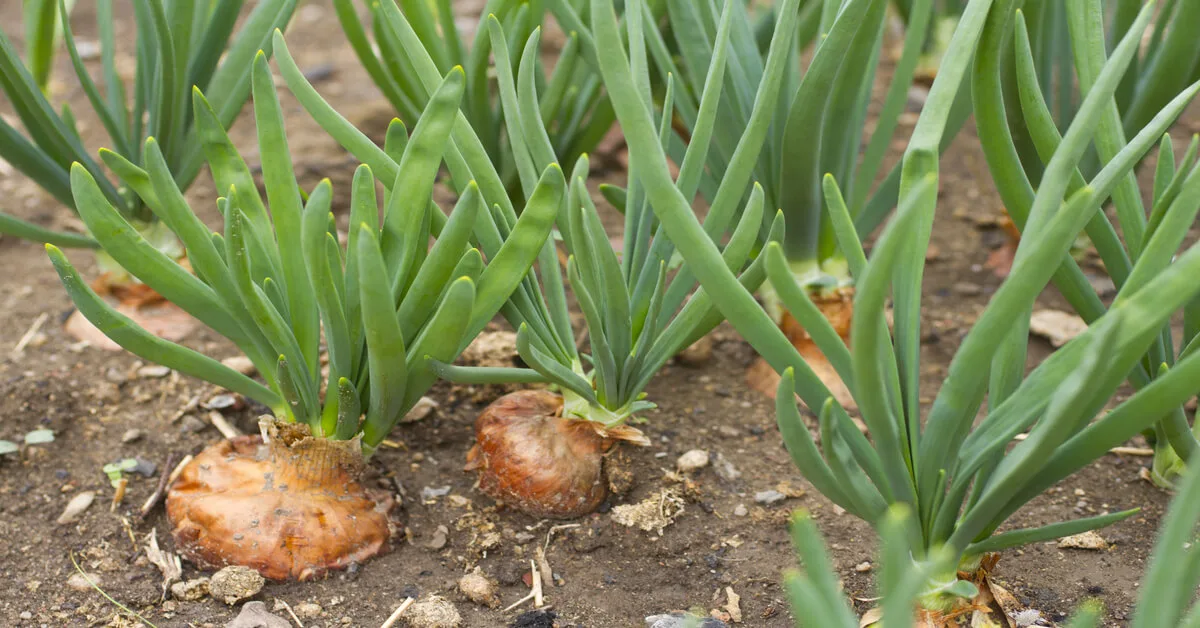
:max_bytes(150000):strip_icc()/growing-onions-1403447-01-38d480a2d16d4ea0b0dd174f42785e1d.jpg "Bush onion plant care")

Bush onions are remarkably low-maintenance, making them an excellent choice for both experienced gardeners and those just beginning their horticultural journey. They are hardy, resilient, and offer a continuous supply of mild, oniony flavor throughout much of the year. This guide will delve into the intricacies of bush onion plant care, from initial planting and optimal growing conditions to harvesting, propagation, and, of course, how to enjoy their unique bounty in the kitchen.
Understanding the Bush Onion: A Perennial Wonder
Before diving into care, it’s important to understand what makes bush onions special. Unlike annual onions that require replanting each year, bush onions are true perennials. They will happily grow and multiply in the same spot for many years. Their growth habit is characterized by clumping, with multiple shoots emerging from a central base.
The most distinctive feature is the development of aerial bulblets. After the plant sends up a flower stalk, instead of developing a single large bulb underground, it produces a cluster of small bulblets at the apex. These bulblets can range in size from a pea to a small marble. As they mature, they can become quite heavy, often causing the stalk to bend over and "walk" the bulblets into the soil, hence the name "walking onion." These topsets can then sprout and grow into new plants.
The flavor of bush onions is generally milder and more delicate than that of common bulb onions. They possess a pleasant oniony zest without the sharp pungency that can sometimes overwhelm a dish. This makes them versatile in a wide range of culinary applications.
Planting Your Bush Onions: Setting the Stage for Success
Establishing your bush onion patch is a straightforward process. The best time to plant depends on your climate, but generally, early spring or fall are ideal.
Choosing the Right Location:

Bush onions are adaptable, but they thrive in conditions that mimic their natural preferences.

- Sunlight: They prefer full sun, meaning at least six to eight hours of direct sunlight per day. While they can tolerate partial shade, their growth and bulblet production will be reduced.
- Soil: A well-draining soil is crucial. They do not like to sit in waterlogged conditions, which can lead to root rot. Amending heavy clay soils with compost or organic matter will improve drainage and fertility. A slightly sandy loam is ideal.
- pH: They prefer a slightly acidic to neutral soil pH, around 6.0 to 7.0.
Planting Methods:
You can plant bush onions in a few ways:
- From Topsets: This is the most common and easiest method.
- Preparation: If your topsets have dried out, soak them in water for a few hours to rehydrate them.
- Planting Depth: Plant the topsets about 2-4 inches deep and 4-6 inches apart. The pointed end should face upwards.
- Spacing: Allow adequate space for them to spread. A general rule of thumb is to plant them in rows that are 12-18 inches apart.
- From Divisions: If you already have established bush onions, you can divide the clumps in early spring or fall.
- Digging: Carefully dig up the entire clump.
- Separation: Gently pull apart the clump into smaller sections, ensuring each section has some roots and a few shoots.
- Replanting: Replant the divisions at the same depth as they were previously growing.
Initial Care After Planting:
- Watering: Water thoroughly after planting to settle the soil and encourage root establishment.
- Mulching: Apply a layer of organic mulch (such as straw, shredded leaves, or compost) around the plants. This helps retain moisture, suppress weeds, and regulate soil temperature.
Ongoing Care: Nurturing Your Perennial Patch
Once established, bush onions are remarkably forgiving. However, a little attention will ensure a bountiful harvest and vigorous growth.
Watering:
While drought-tolerant once established, consistent moisture is beneficial, especially during dry spells and when the plants are actively growing and producing topsets. Water deeply, aiming to keep the soil consistently moist but not soggy. Avoid overhead watering late in the day, as this can encourage fungal diseases. Drip irrigation or watering at the base of the plants is ideal.
Fertilizing:
Bush onions are not heavy feeders. A light application of a balanced, all-purpose fertilizer in early spring as new growth appears is usually sufficient. You can also top-dress with compost annually to provide essential nutrients and improve soil structure. Over-fertilizing, especially with nitrogen-rich fertilizers, can lead to excessive leafy growth at the expense of bulblet production.
Weeding:
Regular weeding is important, especially in the early stages of growth, to prevent competition for water and nutrients. Mulching is an excellent strategy for minimizing weed growth. As the plants mature and form dense clumps, they will naturally suppress weeds.
Pest and Disease Management:
Bush onions are generally resistant to pests and diseases. However, like other alliums, they can occasionally be susceptible to:
- Onion Maggots: These small flies lay eggs at the base of the plants, and the larvae can damage the roots and bulbs. Crop rotation and good sanitation can help prevent infestations.
- Fungal Diseases (e.g., Downy Mildew): These can occur in humid conditions. Ensuring good air circulation and avoiding overhead watering can help. Prompt removal of affected leaves is also recommended.
- Slugs and Snails: These mollusks can chew on the leaves, especially in damp conditions. Barriers, such as crushed eggshells or diatomaceous earth, can help deter them.
Winter Care:
Bush onions are very hardy and can typically withstand cold winters without special protection in most climates. The topsets will continue to mature and may even drop to the ground, planting themselves for the following season. In extremely cold regions, a thicker layer of mulch can provide extra insulation.
Harvesting Your Bush Onion Bounty
The beauty of bush onions lies in their continuous harvest. You can harvest from them throughout the growing season, and even into mild winters.
Harvesting Leaves:
The slender, green leaves can be harvested as needed. Use clean scissors or a knife to snip them from the base of the plant. Regular harvesting of leaves encourages the plant to produce more, similar to how you would harvest chives. Use them fresh in salads, as a garnish, or chopped into dips and sauces.
Harvesting Topsets:
The aerial bulblets, or topsets, are the most unique harvest.
- Timing: Topsets are typically ready for harvest in late summer or early fall, once they have matured and are firm. You will notice the flower stalks bending over, and the topsets will be well-formed.
- Method: You can either harvest the entire stalk and then pick off the topsets, or you can gently twist and pull the topsets directly from the stalk.
- Storage: Fresh topsets can be stored in a cool, dry place for a few weeks. If you intend to plant them for the following season, it’s best to plant them as soon as possible after harvesting.
Harvesting Mature Bulbs (Optional):
While the primary harvest is from the leaves and topsets, the underground bulbs can also be harvested. However, they are typically small and may not be worth the effort of a full dig unless you are clearing the patch or dividing plants. If you do choose to harvest the underground bulbs, do so in late fall or early spring before new growth begins.
Propagating Bush Onions: The Gift That Keeps on Giving
Bush onions are incredibly easy to propagate, making them a fantastic plant to share with friends and neighbors.
Using Topsets: As mentioned earlier, the topsets are the primary means of propagation. Simply plant them in well-prepared soil in the fall or early spring. They will sprout and begin to form new clumps.
Division: Established clumps can be divided every few years to rejuvenate the plants and expand your patch. This is best done in early spring or fall. Dig up the clump, separate it into smaller sections, and replant.
Culinary Delights: Recipes Featuring Bush Onions
The mild, fresh flavor of bush onions makes them a versatile ingredient in the kitchen. Here are some ideas to get you started:
Recipe Listing:
-
Fresh Bush Onion Salad:
- Ingredients:
- 1 cup chopped bush onion leaves
- Mixed greens (lettuce, spinach, arugula)
- Cherry tomatoes, halved
- Cucumber, sliced
- Optional: Feta cheese, toasted nuts
- Vinaigrette dressing (olive oil, vinegar, salt, pepper)
- Instructions: Combine all salad ingredients in a bowl. Toss with vinaigrette just before serving.
- Ingredients:
-
Creamy Bush Onion Dip:
- Ingredients:
- 1/2 cup finely chopped bush onion leaves
- 8 oz cream cheese, softened
- 1/4 cup sour cream or Greek yogurt
- 1 clove garlic, minced (optional)
- Salt and pepper to taste
- Instructions: Beat cream cheese until smooth. Stir in sour cream, chopped bush onion leaves, and garlic (if using). Season with salt and pepper. Chill for at least 30 minutes before serving with crackers or vegetable sticks.
- Ingredients:
-
Scrambled Eggs with Bush Onions:
- Ingredients:
- 2-3 eggs
- 1 tablespoon milk or water
- 2 tablespoons finely chopped bush onion leaves
- Butter or oil for cooking
- Salt and pepper to taste
- Instructions: Whisk eggs with milk/water, chopped bush onion leaves, salt, and pepper. Melt butter or heat oil in a non-stick skillet over medium heat. Pour in the egg mixture and cook, stirring gently, until scrambled to your desired consistency.
- Ingredients:
-
Bush Onion Topset "Mini Onions" Pickled:
- Ingredients:
- 1 cup bush onion topsets
- 1/2 cup white vinegar
- 1/2 cup water
- 1 tablespoon sugar
- 1 teaspoon salt
- Optional: Dill sprigs, mustard seeds, peppercorns
- Instructions:
- Sterilize a small jar.
- Place topsets in the jar. Add optional spices if desired.
- In a saucepan, combine vinegar, water, sugar, and salt. Bring to a boil, stirring until sugar and salt dissolve.
- Pour the hot brine over the topsets in the jar, ensuring they are fully submerged.
- Seal the jar and let it cool. Refrigerate. Pickled topsets are best after a few days and can last for several weeks. They are delicious added to salads, sandwiches, or as a side.
- Ingredients:
-
Roasted Root Vegetables with Bush Onions:
- Ingredients:
- Assorted root vegetables (carrots, potatoes, parsnips), cut into bite-sized pieces
- 1 tablespoon olive oil
- 1/2 cup chopped bush onion leaves
- Salt and pepper to taste
- Instructions: Toss root vegetables with olive oil, salt, and pepper on a baking sheet. Roast at 400°F (200°C) until tender and slightly caramelized. Stir in chopped bush onion leaves during the last 5-10 minutes of roasting.
- Ingredients:
-
Bush Onion Infused Olive Oil:
- Ingredients:
- 1 cup fresh bush onion leaves, lightly bruised
- 1 cup good quality olive oil
- Instructions: Place bruised bush onion leaves in a clean jar. Pour olive oil over them, ensuring the leaves are submerged. Seal the jar and let it infuse in a cool, dark place for at least a week, shaking occasionally. Strain the oil into a clean bottle. Use for dressings, marinades, or drizzling over dishes.
- Ingredients:
Conclusion: The Enduring Appeal of Bush Onions
Bush onions are more than just a culinary ingredient; they are a testament to nature’s ingenuity and resilience. Their compact form, perpetual growth, and unique propagation method make them a joy to cultivate. Whether you’re seeking a continuous supply of fresh, mild onion flavor, a simple-to-grow perennial for your garden, or an interesting plant to share, the bush onion is an exceptional choice. With minimal effort and a little understanding of their needs, you can enjoy the compact charm and abundant rewards of these delightful plants for years to come. So, plant a patch, enjoy the greens, harvest the topsets, and let your bush onion journey begin!


