Absolutely! Here’s a 1.200-word article on Bush Tucker Farm Tours, along with a few recipe ideas.
Embark on a Culinary and Cultural Adventure: Discovering Bush Tucker Farm Tours
The scent of eucalyptus hangs heavy in the air, mingling with the earthy aroma of rich Australian soil. Sunlight dapples through the leaves of ancient gum trees, illuminating a landscape teeming with life and stories. This is not just a scenic vista; it is a living pantry, a vibrant classroom, and a gateway to a culinary heritage stretching back tens of thousands of years. Welcome to the world of Bush Tucker Farm Tours, an immersive experience that invites you to connect with the land, understand Indigenous Australian culture, and explore the incredible diversity of native Australian foods.
In recent years, there has been a burgeoning interest in sustainable agriculture, local produce, and authentic cultural experiences. Bush Tucker Farm Tours sit at the nexus of these trends, offering a unique opportunity to go beyond the conventional tourist trail and delve into the profound relationship Indigenous Australians have cultivated with their environment for millennia. These tours are more than just a walk through a farm; they are an educational journey, a sensory awakening, and a chance to savour flavours that have sustained a continent for generations.
What is Bush Tucker?
The term "bush tucker" refers to the edible plants, animals, and insects traditionally used as food by Indigenous Australians. It’s a broad and diverse category, encompassing an astonishing array of species, from the familiar to the surprisingly exotic. This knowledge, passed down through oral traditions and generations of observation, represents an intimate understanding of the land’s cycles, its resources, and its delicate balance.
Bush tucker is not simply about sustenance; it’s deeply interwoven with Indigenous culture, spirituality, and law. Each plant and animal holds its own story, its own significance within Dreamtime narratives and community practices. The harvesting and preparation of bush tucker are often accompanied by specific protocols and ceremonies, reflecting a profound respect for the natural world and its bounty.
The Rise of Bush Tucker Farm Tours
Bush Tucker Farm Tours are a relatively new phenomenon, emerging as Indigenous communities and forward-thinking farmers recognized the immense value of sharing their knowledge and produce with a wider audience. These tours are often run by Indigenous Australians, providing an authentic and deeply personal perspective. They are a powerful tool for cultural preservation, economic empowerment, and environmental education.
These farms are not your typical agricultural operations. They are often established on ancestral lands, where traditional land management practices are integrated with modern farming techniques. The focus is on sustainability, biodiversity, and the regeneration of native ecosystems. Visitors can expect to see a rich tapestry of native flora, from towering cycads and hardy wattles to vibrant quandongs and juicy finger limes. The presence of native fauna – kangaroos grazing in the distance, colourful parrots flitting through the trees – further enhances the immersive experience.
What to Expect on a Bush Tucker Farm Tour
The experience of a bush tucker farm tour can vary depending on the location and the specific operator, but most will offer a comprehensive and engaging program. Here’s a general outline of what you might encounter:
-
Guided Walks and Identification: Led by knowledgeable guides, often Indigenous elders or cultural custodians, you’ll embark on guided walks through the farm and surrounding bushland. Your guide will point out various native plants, explaining their traditional uses, medicinal properties, and ecological significance. You’ll learn to identify edible leaves, fruits, seeds, roots, and even insects. The emphasis is on responsible foraging and understanding the seasonal availability of different resources.
-
Cultural Storytelling and History: Beyond the botanical, these tours are rich with cultural insights. Guides will share ancient Dreamtime stories connected to the land and its resources, offering a glimpse into the spiritual and philosophical underpinnings of Indigenous Australian life. You’ll learn about traditional hunting and gathering techniques, the importance of seasonal cycles, and the deep connection Indigenous people have with Country.
-
Demonstrations and Tastings: A highlight of many tours is the opportunity to taste bush tucker prepared in traditional or contemporary ways. This might involve sampling native fruits like quandongs, Davidson plums, or finger limes, experiencing the earthy flavours of roasted witchetty grubs (if you’re adventurous!), or trying dishes incorporating native herbs like lemon myrtle or bush tomato. Some tours may also include demonstrations of traditional cooking methods, such as using hot stones or earth ovens.
-
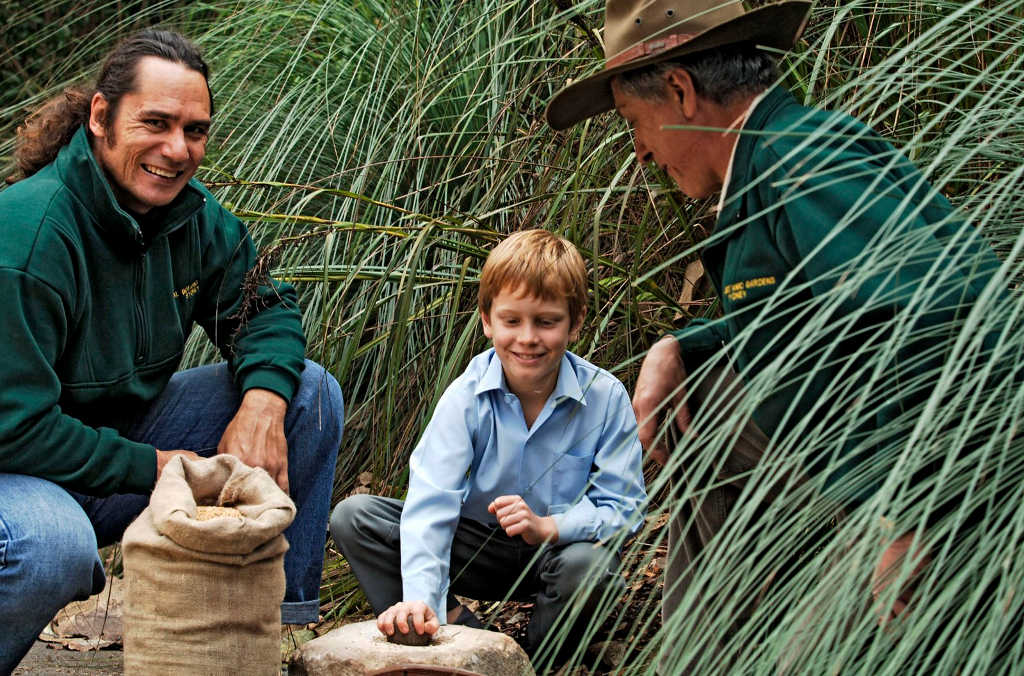
Hands-on Activities: Depending on the farm, you might have the chance to participate in hands-on activities. This could include learning how to grind native seeds for flour, identifying edible roots, or even trying your hand at traditional weaving with native grasses. These activities provide a deeper connection to the processes involved in utilising bush tucker.
-
Sustainable Practices and Conservation: Many bush tucker farms are at the forefront of sustainable land management and conservation efforts. You’ll gain an understanding of how these farms contribute to biodiversity, habitat restoration, and the protection of native species. This aspect of the tour highlights the vital role Indigenous knowledge plays in environmental stewardship.
-
Farm Produce and Local Crafts: Often, you’ll have the opportunity to purchase fresh bush tucker produce, jams, relishes, teas, or even handcrafted items made by local Indigenous artisans. This provides a tangible connection to the experience and supports the local community.
The Benefits of Experiencing Bush Tucker Farm Tours
The impact of a bush tucker farm tour extends far beyond a simple day out.
-
Culinary Exploration: For food enthusiasts, it’s an unparalleled opportunity to discover a unique and underutilised culinary landscape. The flavours are distinct and often surprising, offering a refreshing alternative to mainstream ingredients.
-
Cultural Understanding: These tours are a vital bridge for cultural exchange. They foster empathy, respect, and a deeper appreciation for the rich and complex heritage of Indigenous Australians.
-
Environmental Awareness: By witnessing firsthand the principles of sustainable land management and the biodiversity of native ecosystems, visitors gain a heightened awareness of environmental issues and the importance of conservation.
-
Supporting Indigenous Communities: By participating in these tours, you are directly supporting Indigenous businesses, empowering local communities, and contributing to the preservation of cultural knowledge.
-
Personal Growth: The experience can be transformative, encouraging a deeper connection to nature, a greater appreciation for ancient wisdom, and a broadened perspective on the world.
Planning Your Bush Tucker Farm Tour
When considering a bush tucker farm tour, a little research goes a long way:
- Location: Bush tucker farms are found across Australia, from the lush rainforests of Queensland to the arid landscapes of the Outback. Consider the type of environment you’d like to explore.
- Operator and Indigenous Connection: Prioritize tours run by Indigenous communities or those with strong partnerships with Indigenous elders. This ensures authenticity and genuine cultural engagement.
- Tour Itinerary: Different tours offer varying lengths and focuses. Some might be a half-day tasting experience, while others could be multi-day immersive journeys.
- Dietary Requirements: If you have specific dietary needs, communicate them in advance. While bush tucker is diverse, some items may not be suitable for everyone.
- Book in Advance: These tours are often popular, especially during peak seasons, so booking ahead is highly recommended.
A Taste of Bush Tucker: Recipe Ideas
While a farm tour will offer the most authentic tasting experience, here are a few simple recipe ideas that incorporate common bush tucker ingredients, allowing you to bring a taste of the Australian bush into your own kitchen.
Recipe Ideas: Bringing the Bush to Your Kitchen
1. Lemon Myrtle Infused Grilled Fish
Lemon myrtle is a native Australian shrub with intensely fragrant leaves that have a strong, sweet lemon flavour. It’s a perfect complement to seafood.
Ingredients:
- 2 x 150-200g firm white fish fillets (e.g., barramundi, snapper, bream)
- 2-3 fresh lemon myrtle leaves (or 1 tsp dried, crushed)
- 1 tbsp olive oil
- Salt and freshly ground black pepper to taste
- Lemon wedges, for serving
Instructions:
- Gently bruise the lemon myrtle leaves to release their aroma. Place one leaf under each fish fillet. If using dried, sprinkle the crushed leaves over the fish.
- Drizzle the fish with olive oil and season with salt and pepper.
- Preheat your grill or barbecue to medium-high heat.
- Grill the fish for 3-5 minutes per side, depending on thickness, until cooked through and flaky.
- Serve immediately with fresh lemon wedges.
2. Quandong and Davidson Plum Crumble
Quandongs and Davidson plums are two of Australia’s most iconic native fruits, offering a delicious sweet-tart flavour.
Ingredients:
- For the Filling:
- 2 cups fresh or frozen quandongs (pitted)
- 1 cup fresh or frozen Davidson plums (halved, seeds removed)
- 2-3 tbsp raw sugar (or to taste, depending on fruit sweetness)
- 1 tbsp cornflour (cornstarch)
- 1 tsp lemon zest
- For the Crumble Topping:
- 1 cup plain flour
- 1/2 cup rolled oats
- 1/2 cup brown sugar
- 1/2 cup cold unsalted butter, cubed
- 1/4 cup chopped macadamia nuts (optional)
Instructions:
- Preheat Oven: Preheat your oven to 180°C (160°C fan/350°F/Gas Mark 4).
- Prepare Filling: In a bowl, combine the quandongs, Davidson plums, raw sugar, cornflour, and lemon zest. Toss gently to coat. Pour the fruit mixture into an ovenproof dish.
- Prepare Crumble: In a separate bowl, combine the flour, rolled oats, and brown sugar. Add the cold butter cubes.
- Rub in Butter: Using your fingertips, rub the butter into the dry ingredients until the mixture resembles coarse breadcrumbs. Stir in the chopped macadamia nuts if using.
- Assemble: Sprinkle the crumble topping evenly over the fruit filling.
- Bake: Bake for 30-40 minutes, or until the topping is golden brown and the fruit filling is bubbling.
- Serve: Serve warm with vanilla ice cream or a dollop of cream.
3. Bush Tomato and Wattle Seed Dukkah
Dukkah is a classic Middle Eastern condiment, but this Australian twist uses native ingredients for a unique flavour profile. Bush tomato adds a savoury, slightly tangy note, while wattle seeds provide a nutty, coffee-like aroma.
Ingredients:
- 1/4 cup roasted hazelnuts or almonds
- 2 tbsp roasted sesame seeds
- 1 tbsp dried bush tomato flakes (or finely chopped sun-dried tomatoes)
- 1 tsp roasted wattle seeds (available from specialty food stores or online)
- 1/2 tsp coriander seeds, roasted
- 1/2 tsp cumin seeds, roasted
- Pinch of sea salt
Instructions:
- Toast Seeds: If not already roasted, lightly toast the coriander and cumin seeds in a dry pan over medium heat until fragrant. Let them cool.
- Grind: In a mortar and pestle or a spice grinder, coarsely grind the hazelnuts/almonds, roasted sesame seeds, dried bush tomato flakes, roasted wattle seeds, coriander seeds, and cumin seeds.
- Combine: Transfer the mixture to a bowl and stir in the sea salt.
- Store: Store in an airtight container. Dukkah is excellent sprinkled over salads, dips, grilled vegetables, or served with crusty bread and olive oil.
Bush Tucker Farm Tours offer a profound and rewarding experience, inviting you to connect with the land, its history, and its flavours in a way that is both educational and deeply enjoyable. It’s an opportunity to step off the beaten path and discover the true taste of Australia, a taste that has been nurtured by its First Peoples for millennia.


