
Cultivating the Wild: Bush Tucker Gardening Ideas for a Richer, More Resilient Garden
The term "Bush Tucker" evokes images of ancient traditions, vibrant landscapes, and a deep connection to the land. It refers to the food sources that have sustained Indigenous Australians for millennia – a diverse array of native plants and animals. Embracing Bush Tucker gardening is more than just planting; it’s an invitation to reconnect with our environment, foster biodiversity, and cultivate a garden that is both beautiful and bountiful, offering unique flavours and valuable nutrition.
For many, the idea of Bush Tucker gardening might seem daunting, conjuring images of vast, untamed wilderness. However, the principles of Bush Tucker gardening are remarkably accessible, adaptable to various scales, and deeply rewarding. It’s about understanding and working with Australia’s unique flora, creating a garden that thrives in its native context, supports local wildlife, and provides delicious, healthy food.
Why Embrace Bush Tucker Gardening?
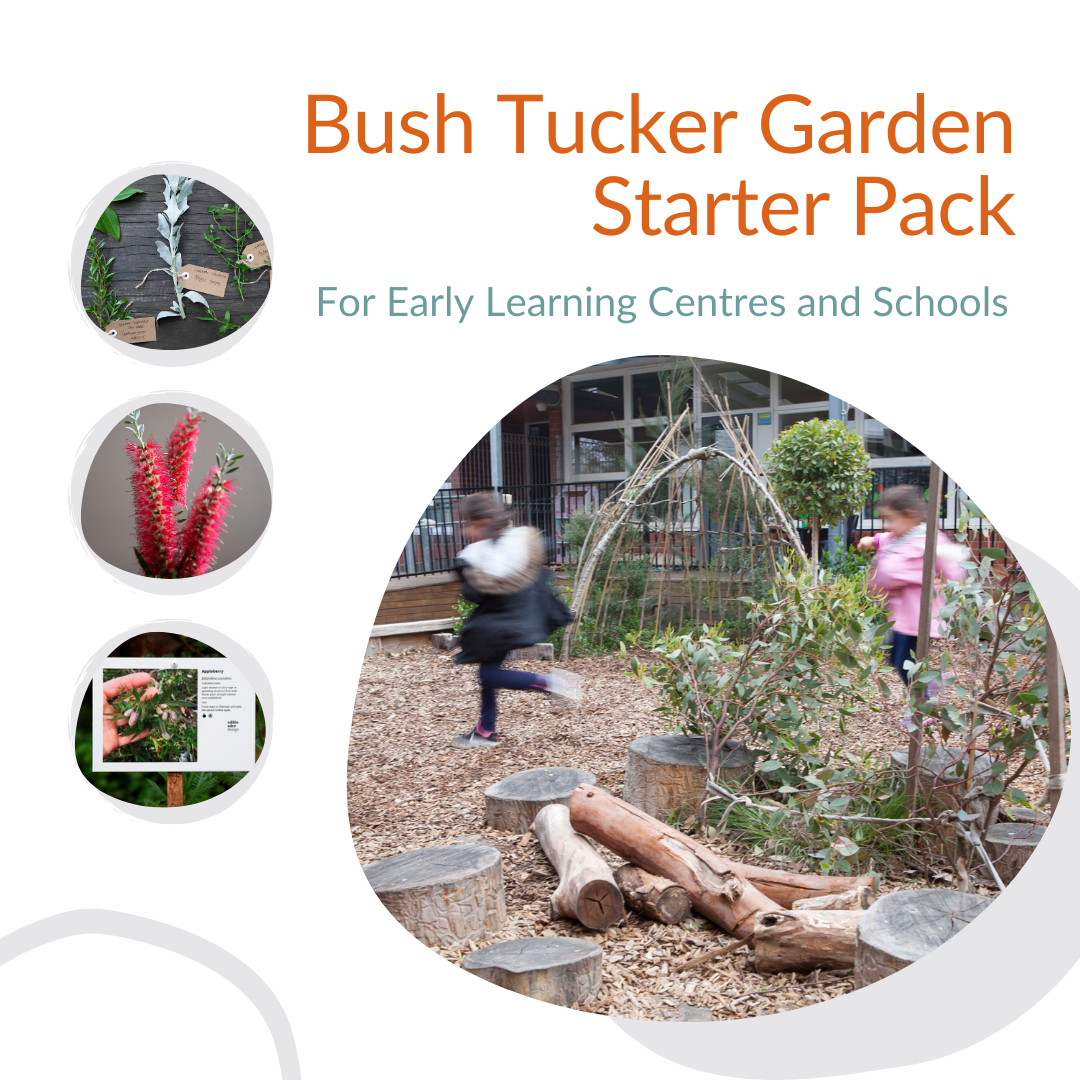
The benefits of integrating Bush Tucker plants into your garden are manifold:
- Biodiversity Champion: Native plants are the backbone of local ecosystems. By planting them, you provide essential food and habitat for native insects, birds, and other animals, contributing to the health and resilience of your local environment.
- Low Maintenance & Resilience: Bush Tucker plants are naturally adapted to Australian conditions. Once established, they often require less water, fertiliser, and pest control than introduced species, making them ideal for our often challenging climate.
- Unique Flavours & Nutrition: Discover a world of culinary possibilities beyond the supermarket aisles. Bush Tucker foods offer a distinct array of tastes, from tangy and sweet to nutty and earthy, often packed with essential vitamins and minerals.
- Cultural Connection: Learning about and cultivating Bush Tucker plants offers a profound opportunity to understand and honour the knowledge and traditions of Indigenous Australians.
- Aesthetic Appeal: Native plants boast a stunning array of textures, colours, and forms, adding unique beauty and character to any garden.
- Sustainability: By growing your own food, you reduce your carbon footprint associated with transportation and packaging.
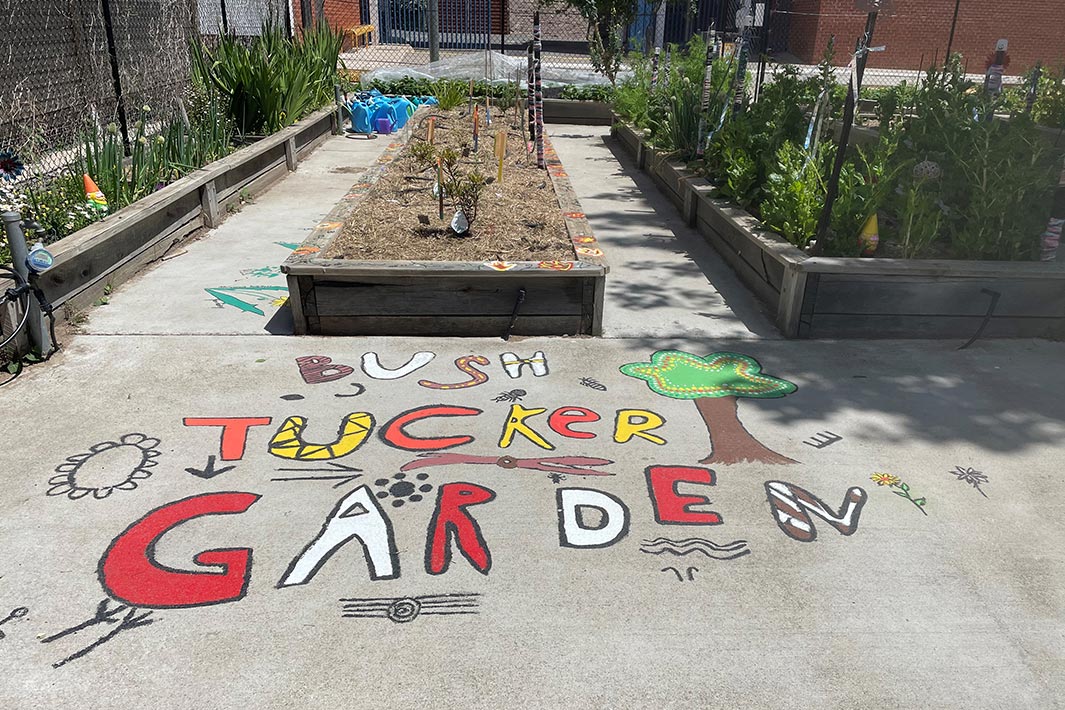
Getting Started: Understanding Your Local Landscape
The first and most crucial step in Bush Tucker gardening is to understand your local environment. What plants are native to your specific region? What are the soil conditions, rainfall patterns, and sunlight exposure?
- Research Local Flora: Connect with local native nurseries, botanical gardens, or Indigenous Land Councils. They can provide invaluable lists of plants suitable for your area and offer advice on their cultivation.
- Observe Your Surroundings: Take a walk in your local bushland or park. What plants are thriving? What kind of soil do they prefer? This hands-on observation is a powerful learning tool.
- Consider Your Site: Assess your garden’s microclimates – areas that are shadier, sunnier, wetter, or drier. This will help you choose the right plants for the right spots.
Key Bush Tucker Plants for Your Garden:
While the specific species will vary greatly depending on your location, here are some popular and adaptable categories of Bush Tucker plants to consider:
1. Wattles (Acacia species):
Many wattles produce edible seeds or flowers. The seeds can be ground into flour, and the flowers can be used to infuse water or create fritters.
- Consider: Acacia victoriae (Gundabluey Wattle), Acacia aneura (Mulga).
- Tips: Ensure you are planting species known for edible parts. Some wattles have toxic seeds. Research thoroughly.
2. Quandongs (Santalum acuminatum):
These iconic Australian shrubs produce tart, delicious red fruits that are rich in Vitamin C. They can be eaten fresh, dried, or made into jams and sauces.
- Consider: Quandongs are relatively adaptable and can tolerate a range of conditions.
- Tips: They are hemiparasitic, meaning they benefit from growing near a "host" plant.
3. Finger Limes (Citrus australasica):
A true gourmet delight, finger limes produce small, caviar-like vesicles that burst with a zesty, citrusy flavour. They are a fantastic addition to seafood, salads, and cocktails.
- Consider: They prefer well-drained soil and some protection from harsh sun.
- Tips: Can be grown in pots if space is limited.
4. Lilly Pillies (Syzygium species):
These attractive shrubs or small trees offer clusters of colourful berries, ranging from pink to purple. They have a sweet, slightly tangy flavour and are excellent for jams, jellies, and desserts.
- Consider: Many species are hardy and adaptable.
- Tips: Prune regularly to encourage fruiting and manage size.
5. Davidson’s Plums (Davidsonia spp.):
These rainforest trees produce large, dark purple fruits with a sharp, tangy flavour. They are best used in jams, pies, and sauces.
- Consider: Davidson’s plums thrive in dappled shade and moist, well-drained soil.
- Tips: Can be grown from seed or cuttings.
6. Native Herbs and Greens:
Many native plants offer edible leaves and herbs, providing unique flavours for your culinary adventures.
- Consider:
- Saltbush (Atriplex species): Tolerant of saline soils, with fleshy, salty leaves.
- Warrigal Greens (Tetragonia tetragonoides): A spinach substitute, needs to be blanched to remove oxalates.
- Native Mint (Mentha australis): A fragrant herb with a strong minty flavour.
- Tips: Always identify plants with certainty before consuming.
Designing Your Bush Tucker Garden:
Beyond simply planting, consider how to integrate these plants into a functional and aesthetically pleasing garden:
- Create Zones: Group plants with similar needs (sunlight, water, soil) together.
- Edible Landscape: Think of your garden as a living pantry. Integrate fruit-bearing trees, berry bushes, and edible groundcovers throughout your landscape.
- Wildlife Corridors: Plant natives that provide food and shelter for local fauna. Consider planting a mix of flowering plants, fruiting plants, and dense shrubs.
- Permaculture Principles: Apply principles like companion planting, water harvesting, and soil improvement to create a self-sustaining ecosystem.
- Container Gardening: Even small balconies or courtyards can accommodate smaller native edibles like finger limes, native herbs, or dwarf lilly pillies.
- Sensory Experience: Incorporate plants with interesting textures, scents, and colours to create a truly immersive garden experience.
Cultivation and Care:
- Soil Preparation: While many natives are hardy, improving soil drainage is often key. Adding compost and organic matter will generally benefit most plants.
- Watering: Water new plantings regularly until established. Once established, many natives are drought-tolerant, but supplemental watering during prolonged dry spells may be necessary.
- Pruning: Pruning can encourage fruiting, manage plant size, and maintain plant health. Research specific pruning needs for each species.
- Pest and Disease Management: Healthy native plants are generally resistant to pests and diseases. Encourage beneficial insects by providing habitat and avoiding harsh chemicals.
Bush Tucker Recipes: A Taste of the Outback
The beauty of Bush Tucker gardening lies in its culinary potential. Here are a few simple recipe ideas to get you started:
1. Simple Lilly Pilly Jam
- Ingredients:
- 2 cups fresh lilly pilly berries
- 1 cup sugar (or to taste)
- 1 tablespoon lemon juice
- 1 teaspoon lemon zest (optional)
- Instructions:
- Rinse the lilly pilly berries and remove any stems.
- In a saucepan, combine berries, sugar, and lemon juice.
- Cook over medium heat, stirring occasionally, until the berries have broken down and the mixture has thickened to jam consistency (about 20-30 minutes).
- Skim off any foam that forms.
- Pour into sterilised jars and seal.
2. Wattle Seed Flatbread
- Ingredients:
- 1 cup wattle seed flour (roasted and ground acacia seeds)
- 1 cup plain flour
- 1/2 teaspoon salt
- 1/2 cup water (or as needed)
- 1 tablespoon olive oil (optional)
- Instructions:
- In a bowl, combine wattle seed flour, plain flour, and salt.
- Gradually add water, mixing until a firm dough forms. Add olive oil if using.
- Knead the dough for a few minutes until smooth.
- Divide the dough into small portions and roll each portion thinly into flatbreads.
- Cook on a hot, dry griddle or frying pan for a few minutes per side until lightly golden.
3. Finger Lime & Seafood Salad
- Ingredients:
- 150g cooked prawns or flaked cooked fish
- 1/2 cup mixed greens (lettuce, rocket, spinach)
- 1/4 red onion, thinly sliced
- 1/4 cucumber, thinly sliced
- 1 tablespoon olive oil
- 1 teaspoon lemon juice
- 1-2 finger limes, vesicles extracted
- Salt and pepper to taste
- Instructions:
- In a bowl, combine the prawns/fish, mixed greens, red onion, and cucumber.
- In a small bowl, whisk together olive oil, lemon juice, salt, and pepper to make a dressing.
- Pour the dressing over the salad and toss gently.
- Top with the finger lime vesicles just before serving.
4. Warrigal Greens & Feta Stir-fry
- Ingredients:
- 2 cups Warrigal greens, blanched and roughly chopped
- 1 tablespoon olive oil
- 1 clove garlic, minced
- 1/4 red chilli, finely chopped (optional)
- 50g feta cheese, crumbled
- Salt and pepper to taste
- Instructions:
- Heat olive oil in a pan over medium heat.
- Add garlic and chilli (if using) and sauté for 30 seconds until fragrant.
- Add the blanched Warrigal greens and stir-fry for 2-3 minutes until wilted.
- Season with salt and pepper.
- Stir in the crumbled feta cheese just before serving.
A Journey of Discovery
Bush Tucker gardening is a continuous journey of learning and discovery. It’s about embracing the unique biodiversity of Australia, fostering a deeper connection to our land, and enjoying the incredible flavours and benefits that our native flora has to offer. By planting with intention and understanding, you can transform your garden into a vibrant, resilient, and delicious ecosystem, a true reflection of the wild beauty that surrounds us. So, step outside, connect with your local environment, and start cultivating your own piece of Australia’s wild pantry.


