Absolutely! Here’s a comprehensive article on Cedar Bay Cherry plant care, along with a recipe section, written in English, and aiming for around 1200 words.
Cultivating the Crimson Gem: A Comprehensive Guide to Cedar Bay Cherry Plant Care
The Cedar Bay cherry, scientifically known as Prunus serotina var. virescens, is a fascinating and often overlooked member of the Prunus genus. While not a true cherry in the culinary sense, this native North American shrub or small tree offers a unique aesthetic appeal with its striking foliage and, more importantly, its abundant clusters of small, dark red to almost black drupes in late summer. These fruits, while tart and somewhat astringent when raw, are highly valued for their distinctive flavor in jams, jellies, pies, and even wines. Beyond their potential for delicious preserves, Cedar Bay cherries are also a valuable component of local ecosystems, providing food and habitat for wildlife.
Caring for a Cedar Bay cherry plant is a rewarding endeavor, offering a blend of ornamental beauty and practical fruit production. With the right knowledge and a bit of attention, you can ensure your plant thrives, providing a bountiful harvest and enhancing your garden’s biodiversity. This guide will delve into every aspect of Cedar Bay cherry plant care, from choosing the right location to harvesting its unique fruit.
Understanding Your Cedar Bay Cherry
Before diving into care, it’s essential to understand the plant’s natural tendencies. Prunus serotina is a widespread species, and the virescens variety is known for its more compact growth habit and often more ornamental qualities. They are deciduous, meaning they shed their leaves in the fall, revealing attractive bark and branching structure.
- Growth Habit: Cedar Bay cherries can range from large shrubs to small trees, typically reaching heights of 10-25 feet, with a similar spread. Their growth rate is moderate.
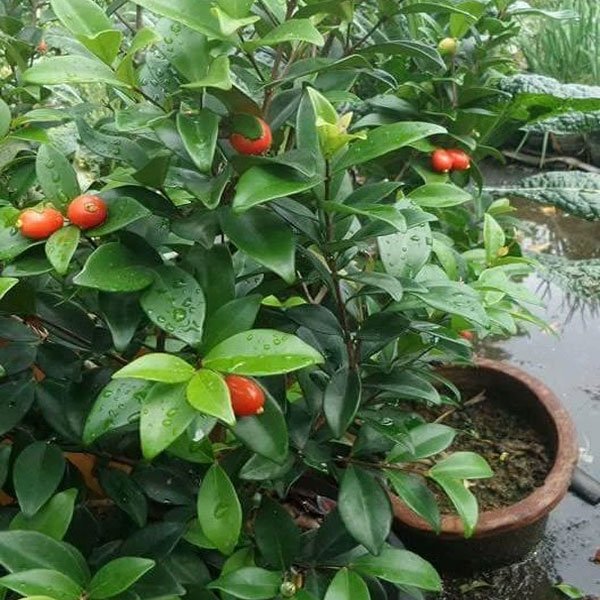
- Foliage: The leaves are lance-shaped, glossy green, and turn a beautiful yellow to reddish-brown in the autumn, adding seasonal interest.
- Flowers: In spring, they produce small, fragrant white flowers in elongated clusters (racemes), which are attractive to pollinators.
- Fruit: The characteristic feature is the dense clusters of small, round drupes that ripen from red to a deep purplish-black in late summer or early fall. These are the "cherries" that give the plant its common name.

Planting Your Cedar Bay Cherry
The foundation of healthy plant growth lies in proper planting.
1. Site Selection:
Cedar Bay cherries are adaptable but thrive best in a location that mimics their native habitat.
- Sunlight: Full sun to partial shade is ideal. More sun generally leads to better fruit production and more vibrant fall color.
- Soil: They prefer well-draining soil. While they can tolerate a range of soil types, they will struggle in waterlogged conditions. Slightly acidic to neutral pH is preferred.
- Air Circulation: Good air circulation helps prevent fungal diseases. Avoid planting too close to dense structures or other large plants.
- Space: Consider the mature size of the plant when selecting a location. Ensure it has room to grow without overcrowding.
2. Soil Preparation:
Before planting, amend the soil to improve drainage and fertility.
- Amendments: Mix in compost, well-rotted manure, or other organic matter to enrich the soil and improve its structure. If your soil is heavy clay, incorporate perlite or coarse sand to enhance drainage.
- pH Test: If you’re unsure about your soil’s pH, a simple test can help. Cedar Bay cherries generally prefer a pH between 6.0 and 7.0.
3. Planting Process:
- Container-Grown Plants: Dig a hole that is twice as wide as the root ball and as deep as the root ball. Gently remove the plant from its container, being careful not to damage the roots. If the roots are tightly circling (root-bound), gently loosen them. Place the plant in the hole so that the top of the root ball is level with the surrounding soil. Backfill the hole with the amended soil, firming it gently to remove air pockets.
- Balled-and-Burlapped Plants: Dig a hole that is at least twice the width of the root ball and about 1 foot deeper. Remove the plant from the burlap, or if the burlap is natural and untreated, you can leave it on but cut away any twine and loosen the burlap around the top of the root ball. Place the plant in the hole so that the top of the root ball is level with the surrounding soil. Backfill the hole, removing any excess burlap.
4. Watering After Planting:
Water thoroughly immediately after planting to settle the soil and eliminate air pockets.
Ongoing Care and Maintenance
Once established, Cedar Bay cherries are relatively low-maintenance, but consistent care will ensure optimal health and yield.
1. Watering:
- Establishment Phase: Young plants require regular watering to establish a strong root system. Water deeply once or twice a week, especially during dry periods.
- Mature Plants: Once established, they are quite drought-tolerant. However, during prolonged dry spells, occasional deep watering will benefit fruit production. Avoid overwatering, as this can lead to root rot.
2. Fertilizing:
- Young Plants: Light feeding in the spring with a balanced fertilizer (e.g., 10-10-10) can promote healthy growth.
- Mature Plants: Mature plants generally do not require heavy fertilization. Excessive nitrogen can lead to lush foliage growth at the expense of fruit production. A light application of compost around the base in spring is often sufficient.
3. Pruning:
Pruning is essential for shaping, improving air circulation, and managing fruit production.
- Timing: The best time to prune Cedar Bay cherries is during the dormant season (late winter or early spring) before new growth begins. Light pruning can also be done after fruiting.
- Goals:
- Shape: Remove any crossing or rubbing branches, inward-growing branches, and suckers that emerge from the base.
- Air Circulation: Thin out dense areas to allow light and air to penetrate the canopy, reducing the risk of fungal diseases.
- Fruit Production: While not typically pruned heavily for fruit like commercial cherries, thinning out some older branches can encourage new growth and better fruit set.
- Technique: Use sharp, clean pruning tools. Make cuts at the branch collar, avoiding leaving stubs. Remove any diseased or damaged branches immediately.
4. Pest and Disease Management:
Cedar Bay cherries are generally resilient, but like all plants, they can be susceptible to certain issues.
- Common Pests:
- Aphids: Small, soft-bodied insects that can cluster on new growth. They can be washed off with a strong spray of water or treated with insecticidal soap.
- Borers: Larvae that bore into the trunk or branches, causing wilting and dieback. Proper pruning and maintaining plant health are the best preventative measures. Infested branches should be pruned and destroyed.
- Cherry Fruit Fly: While less common on wild cherries, these can affect fruit development. Good sanitation and timely harvesting can help.
- Common Diseases:
- Fungal Leaf Spot: Appears as dark spots on leaves, often leading to premature leaf drop. Improving air circulation and avoiding overhead watering can help. Fungicides can be used if the problem is severe.
- Powdery Mildew: A white, powdery growth on leaves and stems. Good air circulation and avoiding overcrowding are key.
- Brown Rot: Affects blossoms, twigs, and fruit, causing them to rot and turn brown. Remove infected material promptly and ensure good air circulation.
- Preventative Measures:
- Healthy Plant: A well-nourished and properly watered plant is more resistant to pests and diseases.
- Sanitation: Remove fallen leaves and fruit to reduce overwintering sites for pests and diseases.
- Observation: Regularly inspect your plant for any signs of trouble. Early detection is crucial for effective management.
5. Winter Care:
Cedar Bay cherries are generally cold-hardy. In regions with extremely harsh winters or strong winds, young plants might benefit from some protection.
- Mulching: Apply a layer of organic mulch (wood chips, straw) around the base of the plant in late fall to insulate the roots and retain moisture. Keep the mulch a few inches away from the trunk to prevent rot.
- Protection: For very young or newly planted trees, burlap wrapping or a tree guard can offer protection against harsh winds and animal damage.
Harvesting Your Cedar Bay Cherries
The most exciting part of growing a Cedar Bay cherry plant is harvesting its unique fruit.
- Timing: The fruits typically ripen in late summer to early fall, usually from August to September, depending on your climate. They will change from bright red to a deep, glossy purplish-black.
- Ripeness: The best indicator of ripeness is color and slight softness. The fruits should detach easily from the stems when gently tugged.
- Harvesting Method:
- By Hand: The most common method is to pick the clusters by hand. The small fruits can be carefully plucked individually or entire clusters can be removed.
- Shaking: For larger quantities, you can place a tarp or sheet beneath the tree and gently shake the branches to dislodge the ripe fruit. Be mindful of harvesting only the ripe fruit this way.
- Yield: Yields can vary greatly depending on the age of the plant, growing conditions, and pollination.
Using Your Cedar Bay Cherries
The tartness and unique flavor profile of Cedar Bay cherries make them ideal for culinary applications, particularly when cooked.
- Raw Consumption: While edible raw, they are quite tart and astringent. Some people enjoy them this way, but most prefer them processed.
- Cooking: Heat transforms their flavor, mellowing the tartness and bringing out a rich, complex taste.
- Processing:
- Jams and Jellies: Their high pectin content makes them excellent for making jams and jellies.
- Pies and Tarts: They add a wonderful tartness and depth to fruit pies and tarts.
- Sauces and Syrups: They can be cooked down into delicious sauces and syrups for desserts or savory dishes.
- Wines and Liqueurs: Cedar Bay cherries are a popular choice for making homemade wines and flavored liqueurs.
- Drying: They can also be dried for later use.
Important Note on Black Cherry ( Prunus serotina ):
While we’re discussing the virescens variety, it’s worth noting that some parts of the Prunus serotina plant, particularly the leaves, twigs, and bark, contain cyanogenic glycosides, which can be toxic if ingested in large quantities, especially by livestock. The ripe fruit, however, is generally considered safe for human consumption when cooked. Always ensure thorough cooking of the fruit to break down any potentially harmful compounds.
Cedar Bay Cherry in the Landscape
Beyond its fruit, the Cedar Bay cherry plant is a valuable addition to any garden or landscape.
- Wildlife Attraction: The flowers attract pollinators like bees and butterflies, and the fruit is a food source for birds and small mammals.
- Ornamental Value: Its attractive foliage, spring flowers, and fall color provide year-round interest.
- Native Plant Gardens: As a native species, it’s an excellent choice for naturalistic plantings and supporting local ecosystems.
- Erosion Control: Its root system can help stabilize soil on slopes.
Troubleshooting Common Issues
- No Fruit Production: This can be due to insufficient sunlight, young plant age, improper pruning (removing fruiting wood), or poor pollination (though many varieties are self-fertile, cross-pollination can improve yield).
- Yellowing Leaves: This can indicate poor drainage, nutrient deficiency, or overwatering. Assess your watering habits and soil conditions.
- Wilting: Often a sign of drought stress or root problems. Check soil moisture and ensure good drainage. Borers can also cause wilting.
Recipes Featuring Cedar Bay Cherries
The unique tartness of Cedar Bay cherries lends itself beautifully to cooked preparations. Here are a few ideas to get you started:
Recipes: Harnessing the Flavor of Cedar Bay Cherries
The culinary potential of Cedar Bay cherries lies in their ability to transform from tart and astringent raw fruits into a delightful source of rich, complex flavor when cooked. Their high pectin content also makes them a natural choice for jams and jellies.
1. Cedar Bay Cherry Jam
This classic jam captures the essence of the Cedar Bay cherry.
Yields: Approximately 4-6 jars
Prep time: 20 minutes
Cook time: 30-45 minutes
Ingredients:
- 4 cups ripe Cedar Bay cherries, pitted (about 2 lbs fresh cherries)
- 1/4 cup fresh lemon juice
- 4 cups granulated sugar
- 1 tablespoon grated orange zest (optional, for added complexity)
Equipment:
- Large, heavy-bottomed pot or Dutch oven
- Canning jars and lids (sterilized)
- Jar lifter
- Funnel
Instructions:
- Prepare the Cherries: Wash the cherries thoroughly. Remove the pits using a cherry pitter.
- Combine Ingredients: In the heavy-bottomed pot, combine the pitted cherries, lemon juice, and sugar. If using, add the orange zest. Stir gently to combine.
- Soak (Optional but Recommended): Let the mixture sit for at least 30 minutes, or ideally overnight in the refrigerator. This helps the sugar dissolve and draws out the juices from the cherries.
- Cook the Jam: Place the pot over medium-high heat and bring the mixture to a rolling boil, stirring constantly to prevent sticking.
- Test for Set: Continue boiling, stirring frequently, until the jam reaches the gelling point. You can test this by placing a small spoonful of jam on a chilled plate. If it wrinkles when you push it with your finger, it’s ready. Alternatively, use a candy thermometer; the jam should reach around 220°F (104°C).
- Skim Foam: As the jam cooks, skim off any foam that rises to the surface.
- Jar the Jam: Carefully ladle the hot jam into sterilized canning jars, leaving about 1/4 inch of headspace. Wipe the rims clean with a damp cloth.
- Seal Jars: Place the lids on the jars and screw on the bands fingertip tight.
- Process Jars (for longer storage): If you wish to store the jam at room temperature for an extended period, process the filled jars in a boiling water bath for 10 minutes (adjusting for altitude if necessary).
- Cool and Store: Let the jars cool completely on a counter. Check that the lids have sealed (they should be concave and not flex when pressed). Store sealed jars in a cool, dark place for up to a year. Unsealed jars should be refrigerated.
2. Cedar Bay Cherry Pie Filling
A tart and flavorful filling perfect for a homemade pie.
Yields: Enough for one 9-inch pie
Prep time: 15 minutes
Cook time: 10-15 minutes (for pre-cooking filling)
Ingredients:
- 4 cups ripe Cedar Bay cherries, pitted (about 2 lbs fresh cherries)
- 3/4 cup granulated sugar (adjust to taste)
- 1/4 cup cornstarch (or 1/2 cup all-purpose flour for a softer set)
- 1 tablespoon fresh lemon juice
- 1/2 teaspoon ground cinnamon (optional)
- 1 tablespoon unsalted butter, cut into small pieces
Instructions:
- Prepare Cherries: Wash and pit the Cedar Bay cherries.
- Combine Dry Ingredients: In a large bowl, whisk together the sugar, cornstarch (or flour), and cinnamon (if using).
- Add Cherries and Lemon Juice: Add the pitted cherries and lemon juice to the dry ingredients. Toss gently to coat the cherries evenly.
- Pre-cook Filling (Recommended for better set): Transfer the cherry mixture to a medium saucepan. Cook over medium heat, stirring constantly, until the mixture thickens and becomes bubbly. This usually takes about 10-15 minutes. The cherries will soften and release their juices.
- Add Butter: Remove from heat and stir in the small pieces of butter until melted.
- Cool Filling: Let the filling cool completely before pouring it into your pie crust. This prevents the crust from becoming soggy.
- Assemble and Bake Pie: Pour the cooled filling into a prepared pie crust, top with a second crust or lattice, crimp the edges, and bake according to your favorite pie recipe instructions.
3. Simple Cedar Bay Cherry Sauce
A versatile sauce that can be served with desserts, pork, or duck.
Yields: About 1.5 cups
Prep time: 5 minutes
Cook time: 15-20 minutes
Ingredients:
- 2 cups ripe Cedar Bay cherries, pitted
- 1/4 cup water
- 2-4 tablespoons sugar (to taste)
- 1 tablespoon balsamic vinegar (optional, for depth)
- Pinch of salt
Instructions:
- Combine Ingredients: In a small saucepan, combine the pitted cherries, water, sugar, balsamic vinegar (if using), and salt.
- Simmer: Bring the mixture to a simmer over medium heat.
- Cook Down: Reduce heat to low and let it simmer gently for 15-20 minutes, stirring occasionally, until the cherries have softened and the sauce has thickened slightly. You can mash some of the cherries with the back of a spoon if you prefer a smoother sauce.
- Adjust Sweetness: Taste and add more sugar if needed.
- Serve: Serve warm or chilled. This sauce is delicious over ice cream, pancakes, or as a glaze for roasted meats.
By understanding the needs of your Cedar Bay cherry plant and employing these care techniques, you can cultivate a beautiful and productive specimen that will reward you with its unique crimson gems for years to come. Enjoy the process and the delicious fruits of your labor!


