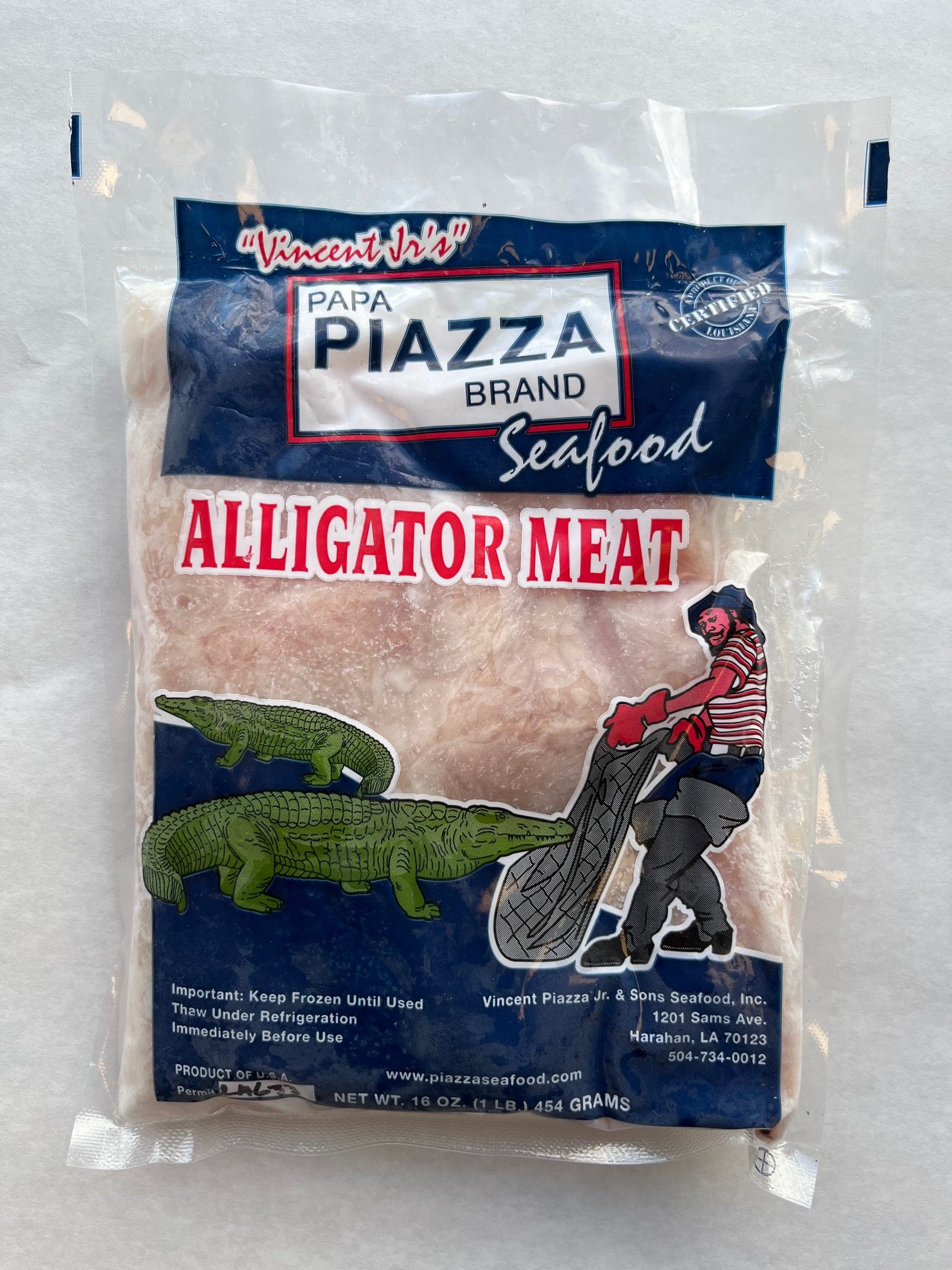
Beyond the Scales: A Guide to Sourcing and Savoring Crocodile Meat
For many, the image of a crocodile conjures up images of primal power, ancient survival, and perhaps a touch of fear. However, for a growing number of adventurous eaters and culinary explorers, these magnificent reptiles represent a unique and surprisingly delicious protein source. Crocodile meat, with its lean texture and subtle flavor, is steadily making its way onto menus and into home kitchens worldwide. But for those curious to embark on this gastronomic journey, the first question often arises: where to buy crocodile meat?
The availability of crocodile meat is not as widespread as beef or chicken, but it’s far from being an impossible quest. The key lies in understanding the legalities, ethical sourcing, and the specialized markets that cater to this exotic delicacy.
Understanding the Landscape: Legality and Ethical Sourcing
Before diving into where to purchase crocodile meat, it’s crucial to acknowledge the legal framework surrounding its trade. Crocodiles are protected species in many parts of the world, and their harvesting is strictly regulated to prevent overexploitation and protect wild populations.
Farmed vs. Wild-Caught: The vast majority of crocodile meat available for consumption comes from farmed crocodiles. These farms operate under stringent government oversight, ensuring humane practices, sustainable feeding, and controlled breeding programs. Farming helps alleviate pressure on wild populations and provides a consistent, safe, and traceable source of meat. Wild-caught crocodile meat is significantly rarer, often subject to even more rigorous regulations, and may only be available in specific regions where traditional hunting practices are permitted and managed.
Certifications and Traceability: Reputable suppliers will often provide information about the origin of their crocodile meat. Look for indications of farm certification or adherence to sustainable farming practices. This ensures that your purchase supports ethical and responsible wildlife management.
Where to Find Crocodile Meat: A Multi-Faceted Approach
The accessibility of crocodile meat can vary significantly depending on your geographical location. However, with a little research and knowing where to look, you can often find this unique protein.
1. Specialized Exotic Butchers and Delicatessens:
This is often the most direct and reliable source for crocodile meat, especially in larger cities or areas with a more developed exotic food scene. These specialized shops often source their products directly from licensed farms and can offer a variety of cuts.
- What to expect: You might find crocodile fillets, steaks, tail meat, or even ground crocodile. The staff in these establishments are usually knowledgeable about the product and can offer cooking advice.
- How to find them: Search online for "exotic meat butcher," "game meat shop," or "specialty butcher" in your area. Many have websites or social media pages where they list their offerings.
2. Online Specialty Food Retailers:
The internet has opened up a world of possibilities for sourcing unique ingredients, and crocodile meat is no exception. Numerous online retailers specialize in exotic meats, offering a convenient way to purchase from the comfort of your home.
- What to expect: These retailers often ship frozen or vacuum-sealed crocodile meat directly to your doorstep. They typically provide detailed product descriptions, sourcing information, and sometimes even recipe suggestions.
- Tips for online shopping:
- Reputation: Choose retailers with positive reviews and a strong reputation for quality and customer service.
- Shipping: Check their shipping policies, especially for perishable items, to ensure the meat arrives in good condition. Look for expedited shipping options if necessary.
- Packaging: Ensure the meat is well-packaged to maintain its freshness during transit.
- Variety: Online stores might offer a wider range of cuts and preparations than a local butcher.
3. Asian and African Grocery Stores:
In regions with significant Asian or African immigrant populations, you may find crocodile meat in larger, well-stocked grocery stores specializing in international foods. These stores often cater to diverse culinary traditions and may carry a range of less common proteins.
- What to expect: Crocodile meat might be found in the frozen section, sometimes already marinated or pre-cut for specific dishes.
- Best approach: Visit larger stores and inquire with the management or butchers. They might be able to direct you or even place special orders.
4. Restaurants and Food Markets with Exotic Offerings:
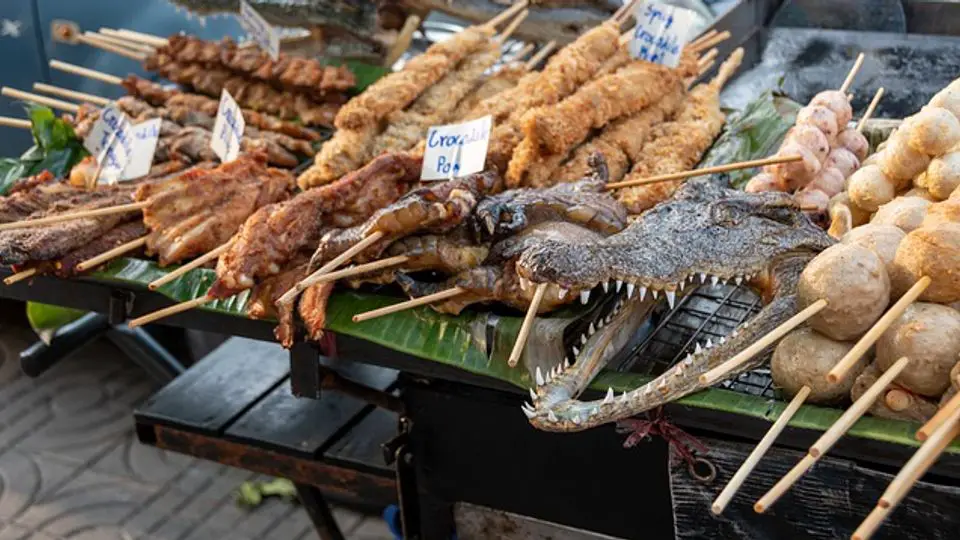
While not a direct purchase of raw meat, dining at restaurants that feature crocodile dishes can be a fantastic way to sample its flavor and texture. Some of these establishments may even sell their pre-prepared or raw crocodile meat to customers. Similarly, food markets or farmers’ markets that embrace diverse culinary traditions might have vendors selling exotic meats.
- How to find them: Look for restaurants advertising "exotic meats," "game dishes," or "international cuisine" that specifically mention crocodile. Food markets often have websites or social media presence where vendors are listed.
5. Direct from Farms (Less Common for Consumers):
While less common for individual consumers, some crocodile farms may sell directly to the public, especially if they have on-site retail outlets or participate in local farmers’ markets. This is often the most direct route and can provide the freshest product.
- How to find them: Research crocodile farms in your region and check their websites for any direct sales information or farm-gate shop details.
Tips for Buying Crocodile Meat:
- Freshness: If buying fresh, look for meat that is firm, moist, and has a clean, mild smell. If buying frozen, ensure there are no signs of freezer burn.
- Cut: The most common cuts for culinary purposes are the tail and loin. The tail meat is generally more tender and versatile, while the loin can be used for steaks.
- Color: Crocodile meat is typically pale pink to white, similar to pork or chicken. Avoid meat that appears discolored or greyish.
- Price: Crocodile meat is generally more expensive than conventional meats due to the specialized farming and processing involved.
Embarking on a Culinary Adventure: Recipes for Crocodile Meat
Crocodile meat is often described as having a flavor profile that blends the mildness of chicken with the subtle tang of fish or seafood, and a texture that is lean and firm. It’s a versatile protein that can be prepared in numerous ways, absorbing marinades and spices beautifully.
Here are a few recipe ideas to get you started:
1. Grilled Crocodile Skewers with Tropical Marinade
This recipe highlights the lean nature of crocodile meat and pairs it with bright, fresh flavors.
Ingredients:
- 500g crocodile tail meat, cut into 1-inch cubes
- For the Marinade:
- 1/2 cup pineapple juice
- 1/4 cup soy sauce
- 2 tablespoons lime juice
- 1 tablespoon honey or brown sugar
- 1 clove garlic, minced
- 1 teaspoon grated fresh ginger
- 1/2 teaspoon red pepper flakes (optional)
- Wooden skewers, soaked in water for 30 minutes
Instructions:
- Marinate: In a bowl, whisk together all marinade ingredients. Add the crocodile cubes and toss to coat. Cover and refrigerate for at least 1 hour, or up to 4 hours.
- Thread Skewers: Thread the marinated crocodile cubes onto the soaked skewers. Discard the remaining marinade.
- Grill: Preheat your grill to medium-high heat. Grill the skewers for 3-4 minutes per side, or until cooked through and slightly charred.
- Serve: Serve hot with a side of rice and a fresh salad.
2. Pan-Seared Crocodile Medallions with Lemon-Herb Butter
A simple yet elegant preparation that allows the subtle flavor of the crocodile to shine.
Ingredients:
- 400g crocodile loin or tail meat, cut into 1-inch thick medallions
- 2 tablespoons olive oil
- 2 tablespoons unsalted butter
- 2 cloves garlic, thinly sliced
- 2 tablespoons fresh chopped parsley
- 1 tablespoon fresh chopped chives
- Juice of 1/2 lemon
- Salt and freshly ground black pepper to taste
Instructions:
- Prepare Meat: Pat the crocodile medallions dry with paper towels. Season generously with salt and pepper.
- Sear: Heat olive oil in a skillet over medium-high heat. Add the crocodile medallions and sear for 2-3 minutes per side, until golden brown and cooked through. Avoid overcooking, as crocodile can become tough. Remove the medallions from the skillet and set aside.
- Make Butter Sauce: In the same skillet, reduce heat to medium. Add butter and let it melt. Add sliced garlic and sauté until fragrant (about 30 seconds). Stir in chopped parsley, chives, and lemon juice.
- Serve: Return the crocodile medallions to the skillet and spoon the lemon-herb butter over them. Serve immediately with your favorite side dishes, such as roasted vegetables or mashed potatoes.
3. Crocodile Curry (Thai-Inspired)
Crocodile meat’s lean texture makes it excellent for absorbing the rich flavors of a curry.
Ingredients:
- 400g crocodile meat, cut into bite-sized pieces
- 1 tablespoon coconut oil
- 1-2 tablespoons red curry paste (adjust to your spice preference)
- 1 can (400ml) coconut milk
- 1 cup vegetable broth
- 1 red bell pepper, sliced
- 1 yellow bell pepper, sliced
- 1 small onion, sliced
- 1 tablespoon fish sauce (or soy sauce for vegetarian)
- 1 teaspoon sugar
- Fresh cilantro, for garnish
- Cooked jasmine rice, for serving
Instructions:
- Sear Crocodile: Heat coconut oil in a pot or wok over medium-high heat. Add the crocodile pieces and sear for 2-3 minutes until lightly browned. Remove from the pot and set aside.
- Sauté Curry Paste: Add the red curry paste to the pot and sauté for 1-2 minutes until fragrant.
- Add Liquids: Pour in the coconut milk and vegetable broth. Stir to combine with the curry paste. Bring to a simmer.
- Add Vegetables and Crocodile: Add the sliced bell peppers and onion to the simmering curry. Return the seared crocodile meat to the pot.
- Simmer: Cover and simmer for 10-15 minutes, or until the vegetables are tender and the crocodile is cooked through.
- Season: Stir in fish sauce (or soy sauce) and sugar. Taste and adjust seasoning as needed.
- Serve: Ladle the crocodile curry over cooked jasmine rice and garnish with fresh cilantro.
A World of Flavor Awaits
Sourcing crocodile meat might require a bit more effort than picking up a pack of chicken, but the reward is an exciting and unique culinary experience. By understanding where to look, prioritizing ethical and legal sourcing, and experimenting with its versatile nature, you can unlock a whole new dimension of flavor. So, next time you’re looking for something truly different, consider venturing beyond the familiar and exploring the delicious possibilities of crocodile meat.


