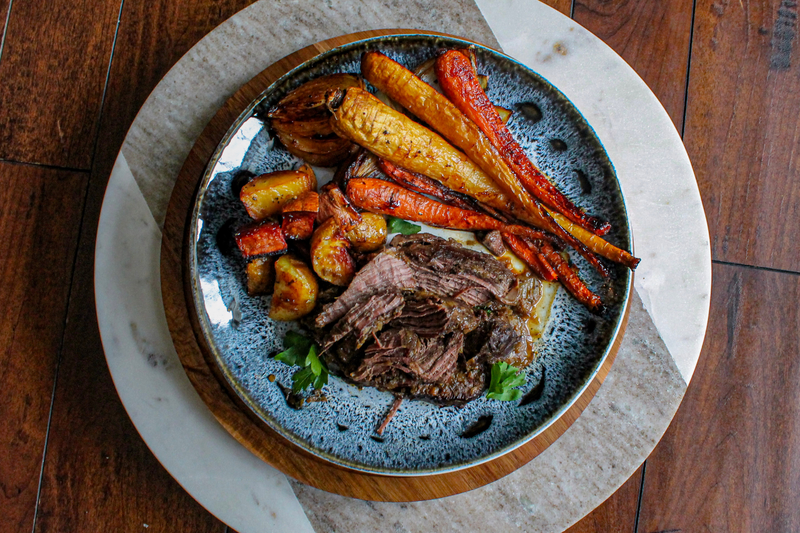

Absolutely! Here’s an article about Emu meat, including where to buy it and some recipe ideas, written in English and aiming for around 1,200 words.
The Rise of Emu Meat: A Lean, Sustainable, and Delicious Red Meat Alternative
For centuries, the vast Australian outback has been home to the magnificent emu, a large, flightless bird known for its distinctive gait and hardy nature. While indigenous Australians have long recognized the nutritional and cultural value of emu meat, it’s only in recent decades that this unique protein has begun to capture the attention of a global culinary scene seeking healthier, more sustainable, and exceptionally flavorful red meat options. If you’re curious about this emerging superfood and wondering where to find it, you’ve come to the right place.
What is Emu Meat? A Nutritional Powerhouse
Emu meat is a lean, red meat that boasts an impressive nutritional profile. Often compared to lean beef or venison, it stands out for its remarkably low fat content, particularly saturated fat. This makes it an attractive choice for health-conscious consumers looking to reduce their intake of unhealthy fats without sacrificing the rich, satisfying taste of red meat.
Key Nutritional Benefits:
- Extremely Lean: Emu meat typically contains less than 3% fat, making it one of the leanest red meats available. This low fat content translates to fewer calories per serving.
- High in Protein: Like other red meats, emu is an excellent source of high-quality protein, essential for muscle building, repair, and overall bodily function.
- Rich in Iron: Emu meat is particularly rich in heme iron, the form of iron that is most easily absorbed by the body. This is crucial for preventing iron deficiency anemia and maintaining energy levels.
- Good Source of B Vitamins: It provides a good amount of B vitamins, including B12, niacin, and riboflavin, which play vital roles in energy metabolism, nerve function, and cell health.
- Low in Cholesterol: Despite being a red meat, emu meat is surprisingly low in cholesterol compared to many other animal proteins.
- Contains Beneficial Minerals: It also offers minerals like zinc and phosphorus, which are important for immune function and bone health, respectively.
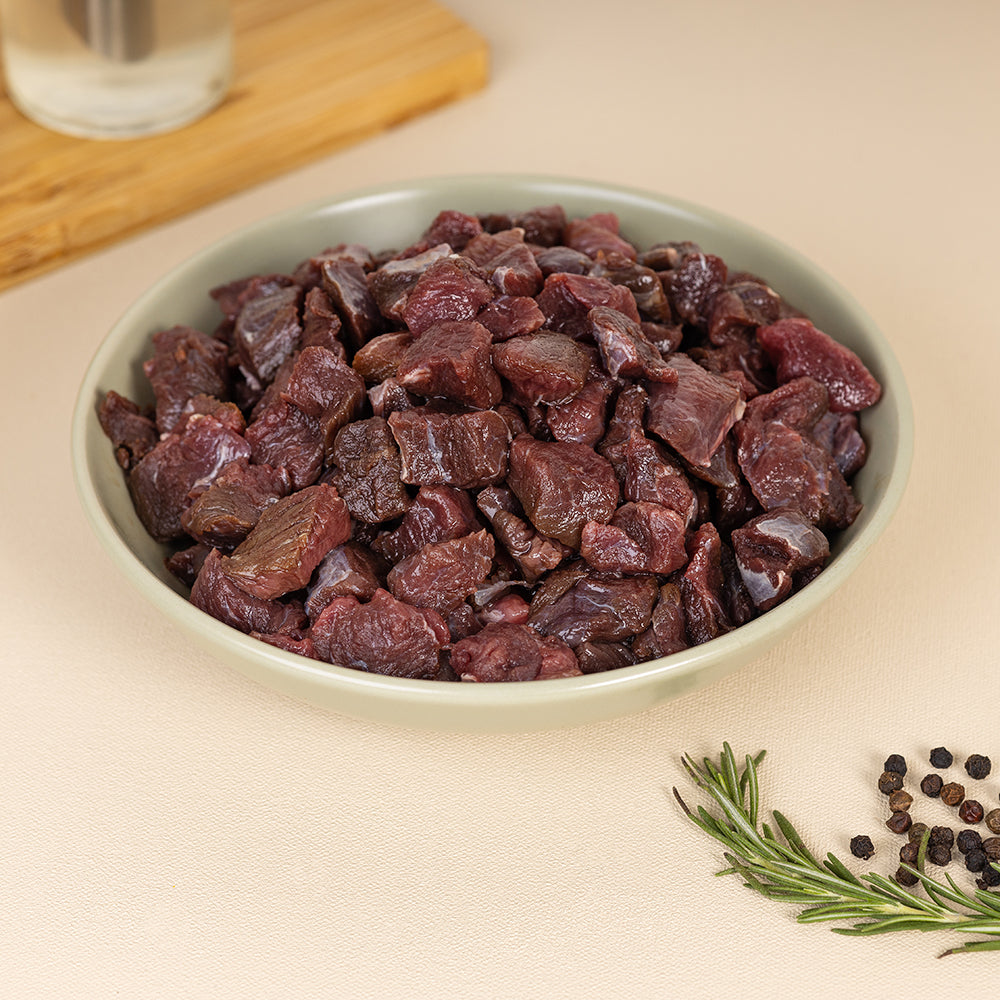

The taste of emu meat is often described as mild and slightly sweet, with a texture that is tender and juicy when cooked correctly. It doesn’t possess the "gamey" flavor that some associate with venison, making it a versatile ingredient that can be prepared in a variety of ways.
Why Choose Emu Meat? Beyond Nutrition
The appeal of emu meat extends beyond its impressive nutritional credentials. Sustainability is a significant driving factor behind its growing popularity.
Sustainability Aspects:
- Efficient Feed Conversion: Emus are remarkably efficient at converting feed into meat, requiring less land and fewer resources compared to traditional livestock like cattle.
- Low Environmental Impact: Their natural foraging habits and lower methane emissions contribute to a smaller carbon footprint.
- Ethical Farming Practices: Many emu farms focus on humane and sustainable farming methods, aligning with the growing consumer demand for ethically sourced food.
- No Artificial Hormones or Antibiotics: Emu farming typically avoids the use of artificial growth hormones and routine antibiotics, offering a more natural product.
In a world increasingly aware of the environmental impact of food production, choosing emu meat offers a way to enjoy a delicious red meat while making a more sustainable choice.
Where to Buy Emu Meat: Your Guide to Sourcing
Finding emu meat might require a little more effort than picking up a steak at your local supermarket, but its availability is steadily increasing. Here’s a breakdown of the most common places to source this unique protein:
1. Specialty Butchers and Delicatessens:
This is often your best bet for finding high-quality emu meat. Many independent butchers, especially those that focus on game or exotic meats, will carry emu cuts like steaks, roasts, and ground meat. It’s always a good idea to call ahead and inquire about their stock or if they can source it for you. Look for butchers who emphasize ethically sourced and locally produced meats.
2. Online Retailers and E-commerce Platforms:
The internet has made sourcing niche food products more accessible than ever. Several specialized online retailers focus on selling game meats, including emu. These platforms often offer a wider variety of cuts and can ship directly to your door, though you’ll need to consider shipping costs and ensure proper handling of frozen or chilled goods.
- Search Terms: When searching online, use terms like "emu meat Australia," "emu meat USA," "buy emu fillets," "emu burgers online," or "game meat supplier."
- Reputable Suppliers: Look for websites that clearly state their sourcing practices, have good customer reviews, and offer secure payment options. Many will have detailed product descriptions and nutritional information.
3. Farmers’ Markets and Farm Gate Sales:
If you live in an area with a significant emu farming presence, you might be able to purchase emu meat directly from farmers at local farmers’ markets or through farm gate sales. This is an excellent way to support local agriculture and get the freshest possible product. It also provides an opportunity to speak directly with the producers about their farming methods.
4. Restaurants and Cafes (for Tasting):
While not for direct purchase to cook at home, dining at restaurants that feature emu meat on their menu is a fantastic way to try it for the first time. Many adventurous or farm-to-table establishments are incorporating emu into their dishes, allowing you to sample its flavor and texture before committing to buying it yourself.
5. Direct from Emu Farms:
Some emu farms may offer direct sales to consumers, either on-site or through their own websites. This is often the most direct route and can ensure you’re getting the freshest product. Research emu farms in your region or country and check their websites for purchasing information.
Tips for Buying:
- Fresh vs. Frozen: Emu meat is often sold frozen to preserve its quality. Ensure it’s properly packaged and handled during transport.
- Cuts Available: You’ll commonly find emu steaks (like the tenderloin or eye fillet), ground emu meat for burgers and sausages, and larger roasts.
- Reputation is Key: When buying online or from a new supplier, always do your research. Look for transparency about sourcing and processing.
Cooking Emu Meat: Tips for Success
Due to its leanness, emu meat requires careful cooking to avoid becoming dry or tough. The key is to cook it quickly over high heat or to cook it slowly at a low temperature until tender.
- Marinating: Marinating emu meat can help to tenderize it and add flavor.
- Don’t Overcook: Emu meat is best served medium-rare to medium. Overcooking will result in a dry, chewy texture.
- Resting: Like all red meats, allow emu meat to rest for a few minutes after cooking to allow the juices to redistribute.
- Fat Addition: If you’re concerned about dryness, consider adding a small amount of fat (like olive oil or butter) during cooking or serving with a sauce.
Culinary Adventures: Emu Meat Recipe Ideas
Emu meat’s mild flavor and lean profile make it incredibly versatile in the kitchen. Here are a few recipe ideas to get you started on your emu culinary journey:
1. Pan-Seared Emu Steaks with Rosemary and Garlic
This classic preparation highlights the natural flavor of the emu.
-
Ingredients:
- 2 emu steaks (e.g., tenderloin or eye fillet)
- 2 tbsp olive oil
- 2 cloves garlic, minced
- 1 sprig fresh rosemary
- Salt and freshly ground black pepper to taste
- Butter (optional, for finishing)
-
Instructions:
- Pat the emu steaks dry with paper towels. Season generously with salt and pepper.
- Heat olive oil in a cast-iron skillet over medium-high heat until shimmering.
- Add the emu steaks to the hot skillet. Sear for 2-3 minutes per side for medium-rare, or adjust for desired doneness.
- During the last minute of cooking, add the minced garlic and rosemary sprig to the pan. You can optionally add a knob of butter to baste the steaks.
- Remove steaks from the pan and let them rest on a cutting board for 5-10 minutes before slicing.
- Serve immediately with your favorite sides.
2. Emu Burgers with Sweet Potato Fries
A healthy and delicious take on a backyard BBQ classic.
-
Ingredients:
- 500g ground emu meat
- 1/4 cup finely chopped red onion
- 1 clove garlic, minced
- 1 tbsp Worcestershire sauce
- 1 tsp smoked paprika
- Salt and freshly ground black pepper to taste
- Burger buns and desired toppings (lettuce, tomato, cheese, etc.)
- For Sweet Potato Fries: 2 large sweet potatoes, cut into fries, tossed with olive oil, salt, pepper, and paprika, baked until tender.
-
Instructions:
- In a bowl, gently mix the ground emu meat with red onion, garlic, Worcestershire sauce, smoked paprika, salt, and pepper. Be careful not to overmix, as this can make the burgers tough.
- Form the mixture into patties, about 1-inch thick.
- Preheat your grill or a skillet to medium-high heat.
- Cook the emu burgers for 3-4 minutes per side for medium-rare, or longer for desired doneness.
- While the burgers cook, prepare your sweet potato fries according to their baking instructions.
- Assemble burgers on buns with your favorite toppings and serve with the sweet potato fries.
3. Emu Stir-fry with Asian Vegetables
A quick and flavorful way to enjoy emu’s lean texture.
-
Ingredients:
- 300g emu steak, thinly sliced against the grain
- 2 tbsp soy sauce
- 1 tbsp cornstarch
- 1 tbsp sesame oil
- 1 tbsp vegetable oil
- 1 clove garlic, minced
- 1-inch piece ginger, grated
- Assorted stir-fry vegetables (broccoli florets, bell pepper strips, snap peas, carrots, mushrooms)
- For the Sauce: 2 tbsp soy sauce, 1 tbsp oyster sauce, 1 tsp rice vinegar, 1 tsp honey or maple syrup, 1 tsp cornstarch mixed with 2 tbsp water.
-
Instructions:
- In a bowl, toss the thinly sliced emu steak with 2 tbsp soy sauce and 1 tbsp cornstarch. Let it marinate for at least 15 minutes.
- Prepare the stir-fry sauce by whisking together all sauce ingredients in a small bowl.
- Heat vegetable oil in a wok or large skillet over high heat. Add the marinated emu and stir-fry quickly until browned. Remove from the wok and set aside.
- Add sesame oil to the wok, then add garlic and ginger and stir-fry for about 30 seconds until fragrant.
- Add the mixed vegetables and stir-fry for 3-5 minutes until crisp-tender.
- Return the cooked emu to the wok. Pour the prepared stir-fry sauce over everything and stir-fry for another 1-2 minutes until the sauce thickens and coats the ingredients.
- Serve immediately over steamed rice or noodles.
4. Emu Ragu with Pappardelle
A slow-cooked, comforting dish that tenderizes the meat beautifully.
-
Ingredients:
- 500g ground emu meat
- 1 tbsp olive oil
- 1 large onion, finely chopped
- 2 carrots, finely chopped
- 2 celery stalks, finely chopped
- 2 cloves garlic, minced
- 150ml red wine
- 400g canned crushed tomatoes
- 250ml beef or vegetable broth
- 1 bay leaf
- 1 tsp dried oregano
- Salt and freshly ground black pepper to taste
- Fresh pappardelle pasta or your favorite pasta
- Freshly grated Parmesan cheese, for serving
-
Instructions:
- Heat olive oil in a large pot or Dutch oven over medium-high heat. Add the ground emu meat and cook, breaking it up with a spoon, until browned. Drain off any excess fat.
- Add the chopped onion, carrots, and celery to the pot. Cook until softened, about 8-10 minutes.
- Stir in the minced garlic and cook for another minute until fragrant.
- Pour in the red wine and scrape up any browned bits from the bottom of the pot. Let it simmer and reduce by half.
- Add the crushed tomatoes, broth, bay leaf, oregano, salt, and pepper. Stir well.
- Bring the ragu to a simmer, then reduce the heat to low, cover, and cook for at least 1.5 to 2 hours, or until the meat is very tender and the sauce has thickened. Stir occasionally.
- While the ragu is simmering, cook your pasta according to package directions.
- Serve the emu ragu over the cooked pasta, topped with freshly grated Parmesan cheese.
Embracing the Future of Food
Emu meat is more than just a novelty; it’s a testament to how we can diversify our protein sources to be both healthier and more sustainable. As consumers become more discerning about what they eat and where it comes from, the appeal of this lean, nutritious, and ethically produced red meat is set to continue its ascent. So, the next time you’re looking for a culinary adventure or a healthier red meat option, consider seeking out emu meat. With a little exploration, you might just discover your new favorite protein.


