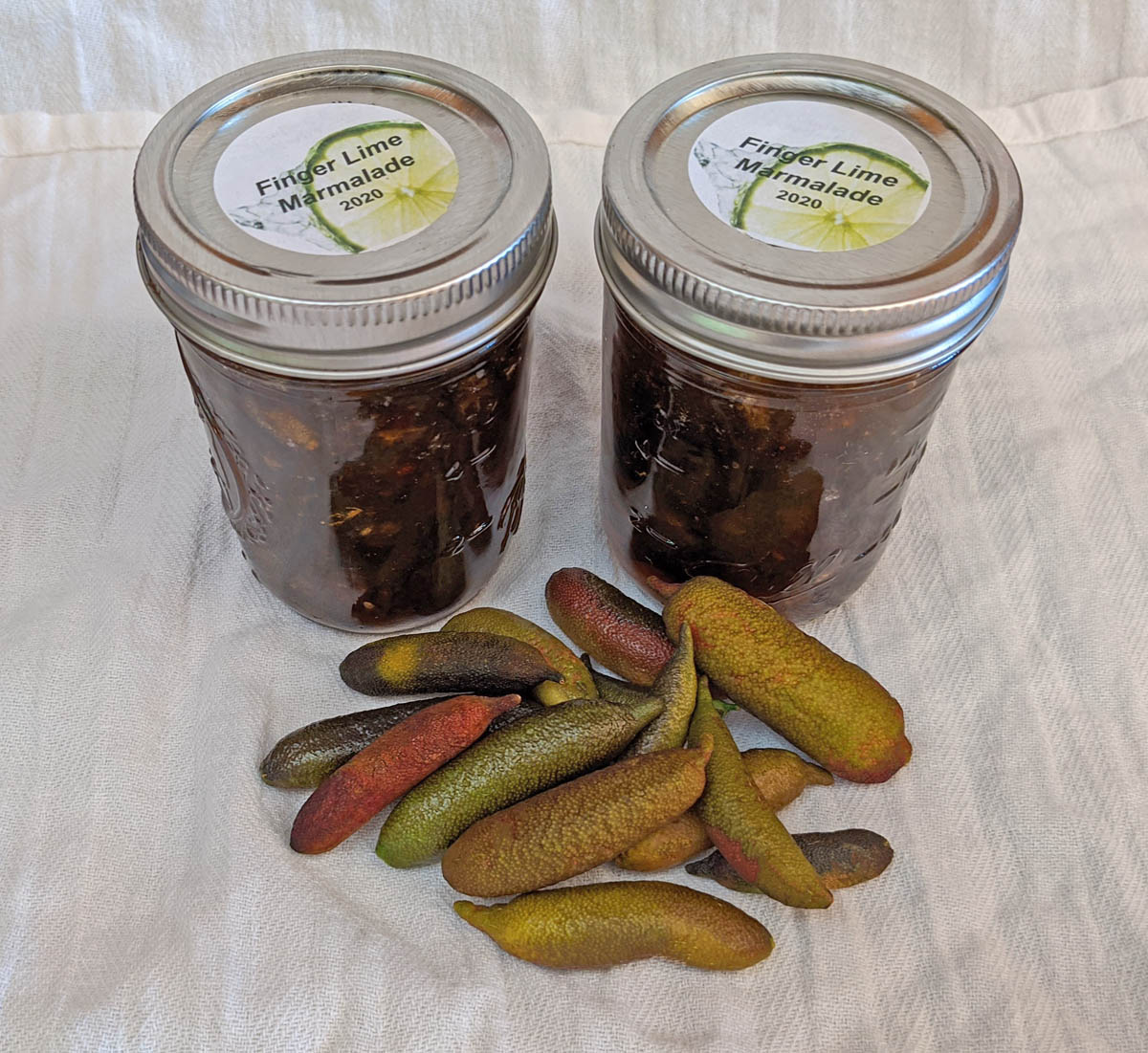
Absolutely! Here’s a comprehensive article about Finger Lime Marmalade, aiming for around 1200 words, followed by a recipe listing.
The Zesty Jewel: Crafting Exquisite Finger Lime Marmalade
The world of citrus is vast and vibrant, offering an array of flavors and textures that delight the palate. Among these, the finger lime ( Citrus australasica) stands out as a true marvel. These small, elongated fruits, native to the rainforests of Australia, are often referred to as "citrus caviar" due to the tiny, bead-like vesicles that burst with an intensely tart and aromatic juice. While their unique texture makes them a sought-after garnish for seafood and desserts, their vibrant flavor also lends itself beautifully to culinary creations like marmalade.
Finger lime marmalade is not your grandmother’s everyday preserve. It’s a sophisticated and exciting take on a classic, offering a complex interplay of sweet and sour, with a delightful textural surprise. The tiny vesicles, unlike the pith and peel of traditional marmalades, retain their individual integrity, providing little bursts of bright, zesty flavor that dance on the tongue. This marmalade is a testament to the versatility of this extraordinary fruit, transforming its wild, untamed essence into a refined and delicious spread.
The Allure of Finger Limes
Before diving into the recipe, it’s worth appreciating what makes finger limes so special. Their skins can range in color from deep green and black to vibrant pink and red, while the interior vesicles mirror these hues or offer a contrasting pale yellow or green. The flavor profile is equally diverse, often described as a tangy lime with subtle notes of grapefruit, lemongrass, or even a hint of eucalyptus. This inherent complexity is what elevates finger lime marmalade from a simple sweet spread to a gourmet experience.
Unlike traditional citrus fruits used for marmalade, finger limes possess minimal pith and seeds. Their primary contribution to marmalade comes from the juice and the unique vesicles. This means the process requires a slightly different approach, focusing on extracting and preserving the precious citrus caviar.
Why Make Finger Lime Marmalade?
The reasons to embark on the journey of making finger lime marmalade are manifold:
- Unique Flavor Profile: The intense, bright acidity of finger limes, combined with their subtle aromatic undertones, creates a marmalade that is far more nuanced than those made from common citrus.
- Textural Intrigue: The "citrus caviar" adds a delightful textural dimension. Each spoonful offers not just a smooth preserve but also tiny pops of flavor, making every bite an adventure.
- Gourmet Appeal: Finger lime marmalade is a sophisticated condiment that can elevate any dish, from a simple slice of toast to a complex cheese board or even as a glaze for roasted meats.
- Preservation of a Precious Fruit: Finger limes can be seasonal and sometimes difficult to find. Making marmalade is an excellent way to capture their flavor and enjoy them beyond their fresh season.
- A Culinary Challenge and Reward: For the home cook looking to push their boundaries, creating finger lime marmalade is a rewarding endeavor that yields a truly special product.

The Art of Marmalade Making: Finger Lime Edition
Making marmalade is a delicate balance of science and intuition. It involves extracting pectin from the fruit, combining it with sugar and fruit juice, and cooking it to the setting point. For finger limes, the process is slightly adapted to accommodate their unique structure.
Key Ingredients and Their Roles:
- Finger Limes: The star of the show. Their juice and vesicles provide the primary flavor and texture.
- Sugar: Acts as a preservative, provides sweetness to balance the acidity, and contributes to the setting of the marmalade. Granulated sugar is standard, but some recipes might incorporate a touch of specialty sugar for added depth.
- Water: Dilutes the fruit and sugar, allowing for even cooking and helping to dissolve the sugar.
- Pectin: While finger limes have some natural pectin, supplementing with commercial pectin can ensure a reliable set, especially if the fruit is less ripe or if you desire a firmer marmalade. However, many recipes aim to achieve a set using the natural pectin of the finger lime vesicles and perhaps a small amount of added peel from another citrus if available and desired.
- Lemon Juice (Optional but Recommended): Lemon juice is a fantastic source of natural pectin and acidity, which helps in the setting process and brightens the overall flavor profile. It can also help to temper the intense tartness of the finger lime.
The Process in Brief:
- Preparation: The finger limes need to be carefully prepared to extract their precious cargo. This typically involves slicing them and scooping out the vesicles.
- Combining Ingredients: The vesicles, juice, sugar, and water are combined in a preserving pan.
- Cooking: The mixture is brought to a boil and cooked until it reaches the setting point. This stage requires vigilance to prevent scorching.
- Testing for Set: Various methods can be used to determine when the marmalade is ready, such as the wrinkle test or a temperature reading.
- Jarring: The hot marmalade is carefully poured into sterilized jars and sealed.
Considerations for Success
- Fruit Quality: The quality of your finger limes will directly impact the flavor of your marmalade. Use fresh, ripe fruit for the best results.
- Sterilization: Properly sterilizing your jars and lids is crucial for ensuring the marmalade’s shelf life and preventing spoilage.
- Patience: Marmalade making can be a labor of love. Allow yourself ample time and don’t rush the process.
- Temperature Control: Precise temperature control during cooking is vital for achieving the correct consistency.
- Experimentation: Don’t be afraid to adjust sugar levels or add complementary flavors to suit your preferences.
Beyond the Basics: Enhancing Your Finger Lime Marmalade
While a pure finger lime marmalade is exquisite on its own, you can elevate it further with thoughtful additions:
- Ginger: The warmth and spice of fresh ginger can complement the tartness of the finger lime beautifully.
- Chili: For a sweet and spicy kick, a small amount of finely chopped chili or a pinch of chili flakes can be added.
- Herbs: A sprig of mint or a few finely chopped rosemary leaves during the cooking process can impart subtle aromatic notes.
- Other Citrus: While the focus is on finger limes, a small amount of finely chopped peel from a regular lime, lemon, or even a Seville orange can add more traditional marmalade texture and pectin.
- Alcohol: A splash of gin or vodka can add an interesting depth of flavor and also aid in preservation.
Serving Suggestions: Unleash the Zest!
The versatility of finger lime marmalade knows no bounds. Here are just a few ways to enjoy this zesty jewel:
- On Toast and Scones: The classic marmalade pairing, but with a gourmet twist.
- With Cheese: It’s an exceptional accompaniment to a variety of cheeses, from sharp cheddars to creamy bries.
- Glaze for Meats: Brush it over roasted chicken, pork, or duck during the last few minutes of cooking for a tangy, caramelized finish.
- In Cocktails: A spoonful of finger lime marmalade can add a unique citrusy depth to gin or vodka-based cocktails.
- On Seafood: Its bright acidity cuts through the richness of grilled fish or scallops.
- With Desserts: Dollop it on yogurt, ice cream, or use it as a filling for tarts and cakes.
Finger lime marmalade is more than just a spread; it’s an experience. It’s a way to capture the essence of a unique Australian treasure and bring a burst of sophisticated flavor into your kitchen. So, gather your finger limes, embrace the process, and prepare to be delighted by this truly exquisite preserve.
Finger Lime Marmalade Recipe Listing
Here is a recipe listing for Finger Lime Marmalade. Please note that the quantity of finger limes can vary, and this recipe is designed to be scalable. The key is to achieve the correct sugar-to-fruit ratio and the setting point.
Yields: Approximately 2-3 small jars (depending on fruit size and water evaporation)
Prep time: 30 minutes
Cook time: 30-60 minutes (or until set)
Ingredients:
- Finger Limes: 1 cup (approximately 150-200g) of fresh finger lime vesicles. (You will likely need more than 1 cup of whole finger limes to yield this amount of vesicles).
- Granulated Sugar: 1 cup (approximately 200g) – adjust to taste and desired sweetness.
- Water: 1/2 cup (120ml) – adjust as needed.
- Lemon Juice: 1-2 tablespoons (freshly squeezed) – provides pectin and acidity.
- (Optional) Peel from 1/2 regular lime or lemon: Finely shredded, if you desire more traditional marmalade texture and added pectin.
Equipment:
- Sharp knife
- Small spoon or melon baller
- Medium-sized heavy-bottomed saucepan or preserving pan
- Sterilized jars and lids (e.g., jam jars)
- Jam funnel (optional, but helpful)
- Small plate (chilled in the freezer for testing the set)
- Ladle
Instructions:
-
Prepare the Finger Limes:
- Wash the finger limes thoroughly.
- Slice the finger limes in half lengthwise.
- Using a small spoon or a melon baller, gently scoop out the citrus vesicles. Aim to get as many vesicles as possible. Discard the outer skin.
- You should have approximately 1 cup of vesicles.
-
Combine Ingredients:
- In your heavy-bottomed saucepan, combine the finger lime vesicles, granulated sugar, water, and fresh lemon juice.
- If using optional citrus peel, add it now.
- Stir gently to combine. Let the mixture sit for about 15-30 minutes to allow the sugar to start dissolving and the flavors to meld.
-
Cook the Marmalade:
- Place the saucepan over medium-high heat.
- Bring the mixture to a rolling boil, stirring constantly to prevent the sugar from sticking and burning.
- Once boiling, reduce the heat slightly to maintain a vigorous simmer. Continue to stir frequently.
- The mixture will start to thicken. This process can take anywhere from 30 to 60 minutes, depending on the heat and the amount of water.
-
Test for Set:
- As the marmalade thickens, you’ll need to test for the setting point. This is crucial for achieving a jammy consistency.
- Wrinkle Test: Place a small spoonful of the marmalade onto the chilled plate from the freezer. Let it cool for about 30 seconds. Gently push the surface of the marmalade with your finger. If it wrinkles, it has reached the setting point. If it’s still liquid, continue cooking and testing every 5-10 minutes.
- Temperature Test (Optional): The setting point for marmalade is typically around 104-105°C (220-221°F). Use a candy thermometer to check the temperature.
-
Skim and Jar:
- Once the marmalade has reached its setting point, remove the saucepan from the heat.
- If any foam has formed on the surface, carefully skim it off with a spoon.
- Carefully ladle the hot marmalade into your sterilized jars, filling them to within 1/4 inch (about 0.5 cm) of the rim. Use a jam funnel if you have one to minimize mess.
- Wipe the rims of the jars clean with a damp cloth to ensure a good seal.
- Screw on the sterilized lids tightly.
-
Process (Optional for longer shelf life):
- For a longer shelf life, you can process the sealed jars in a boiling water bath for 10 minutes. Ensure the jars are fully submerged in water.
-
Cool and Store:
- Allow the jars to cool completely at room temperature. You will hear a satisfying "ping" as the lids seal.
- Once cooled, check that the lids are firmly sealed. If a lid has not sealed, store that jar in the refrigerator and consume it first.
- Store sealed jars in a cool, dark place for up to a year. Refrigerate after opening.
Enjoy your exquisite homemade Finger Lime Marmalade!


