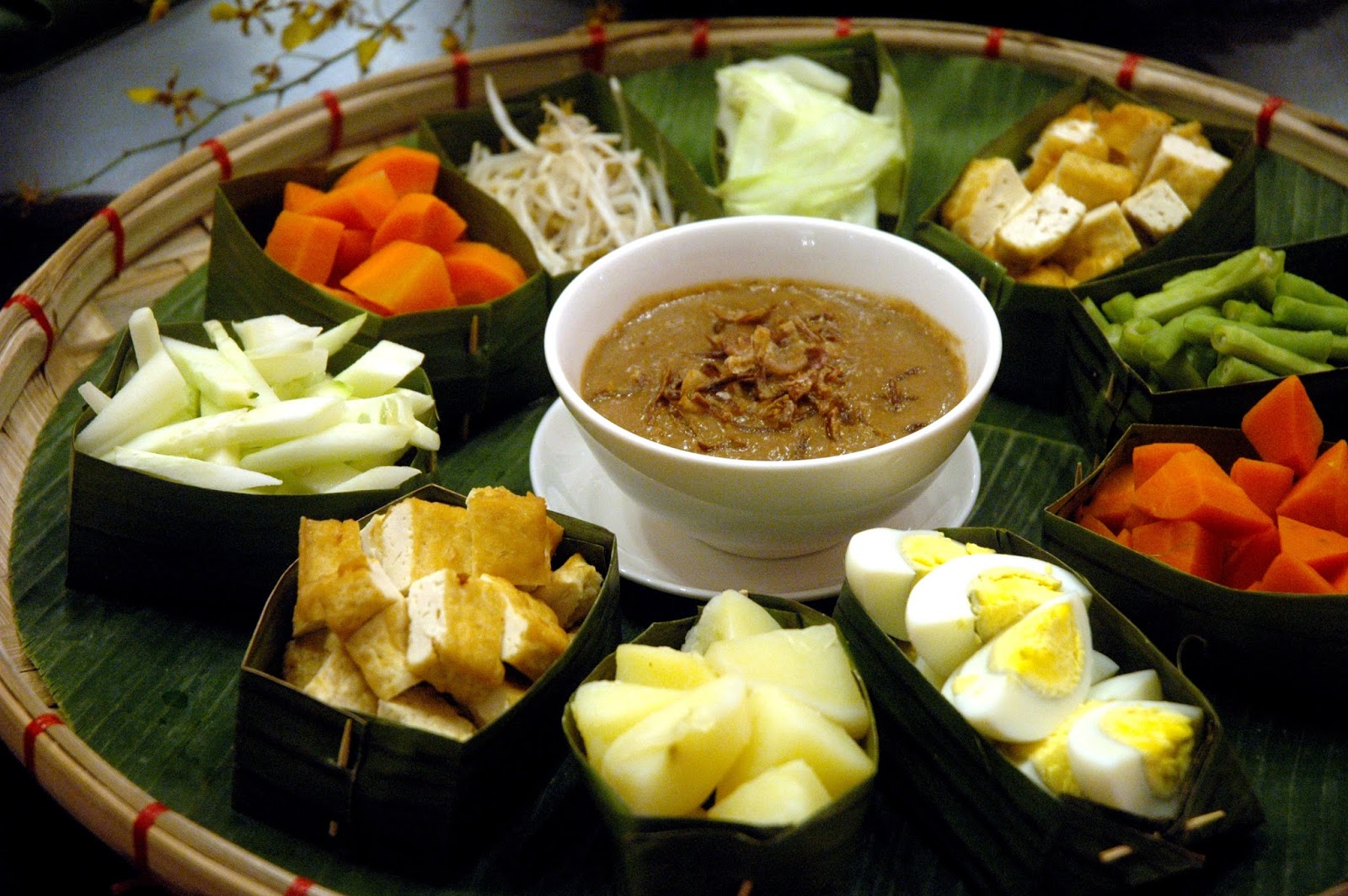
Indonesian cuisine is a vibrant tapestry of flavors, aromas, and textures, reflecting the archipelago’s rich history and diverse cultural influences. From the fiery sambals of Sumatra to the fragrant curries of Java, each dish tells a story, evoking memories of home, family gatherings, and cherished traditions. This guide is designed to help you unlock the secrets of authentic Indonesian cooking, allowing you to recreate those nostalgic flavors in your own kitchen.
Imagine the comforting aroma of nasi goreng sizzling in a wok, the tangy sweetness of gado-gado dancing on your tongue, or the rich, savory depth of rendang melting in your mouth. These are the flavors that define Indonesian cuisine, flavors that can transport you back to a specific time and place, evoking a sense of warmth, belonging, and nostalgia. Whether you’re an Indonesian expat longing for a taste of home, or a curious foodie eager to explore new culinary horizons, this guide will provide you with the tools and knowledge you need to embark on your own Indonesian culinary adventure.
This recipe guide focuses on providing a foundation for understanding core Indonesian dishes, allowing for customization and adaptation to individual preferences. It embraces traditional methods while acknowledging the realities of modern kitchens, ensuring that anyone, regardless of their culinary experience, can successfully recreate these authentic flavors.
Recipe Information: Nasi Goreng (Indonesian Fried Rice)
Estimated Cooking Time: 30 minutes
Difficulty Level: Easy
Servings: 2-3
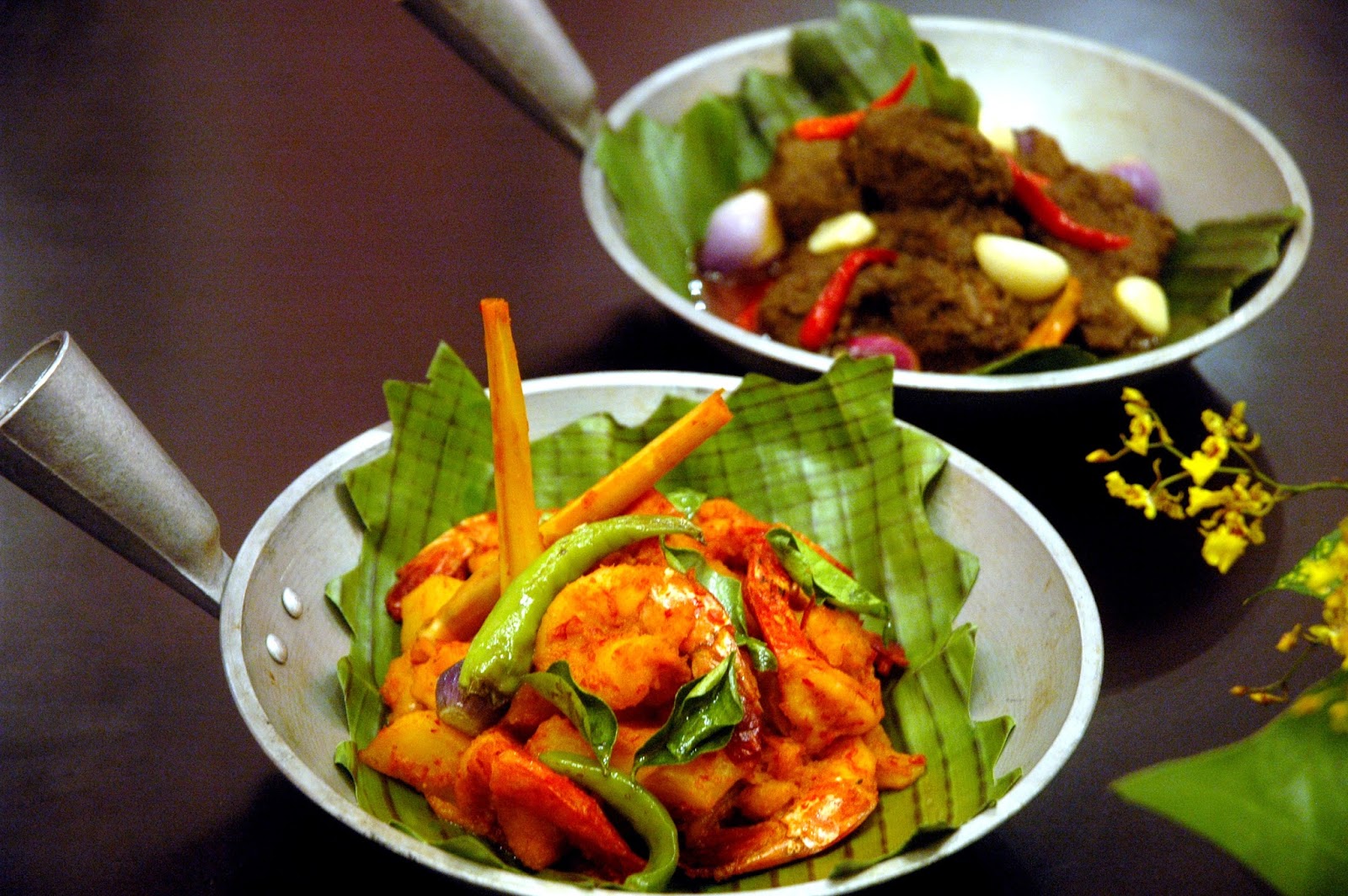
Nasi Goreng, meaning ‘fried rice’ in Indonesian, is arguably the country’s most popular dish. It’s a versatile and flavorful meal that can be enjoyed for breakfast, lunch, or dinner. This recipe provides a foundation for creating your own personalized version of this classic dish.
- 2 cups cooked rice (day-old rice is best)
- 2 tablespoons vegetable oil
- 1 egg, beaten
- 100g chicken, shrimp, or tofu, diced (optional)
- 2 tablespoons sweet soy sauce (kecap manis)
- 1 tablespoon soy sauce
- 1/2 teaspoon shrimp paste (terasi), optional
- 2 green onions, chopped
- 3 cloves garlic
- 2 shallots
- 1-2 red chilies (adjust to your spice preference)
- 1/2 teaspoon ground coriander
- 1/4 teaspoon ground turmeric
- Pinch of salt
- Fried egg
- Cucumber slices
- Tomato wedges
- Krupuk (Indonesian crackers)
- Pickled vegetables (acar)
-
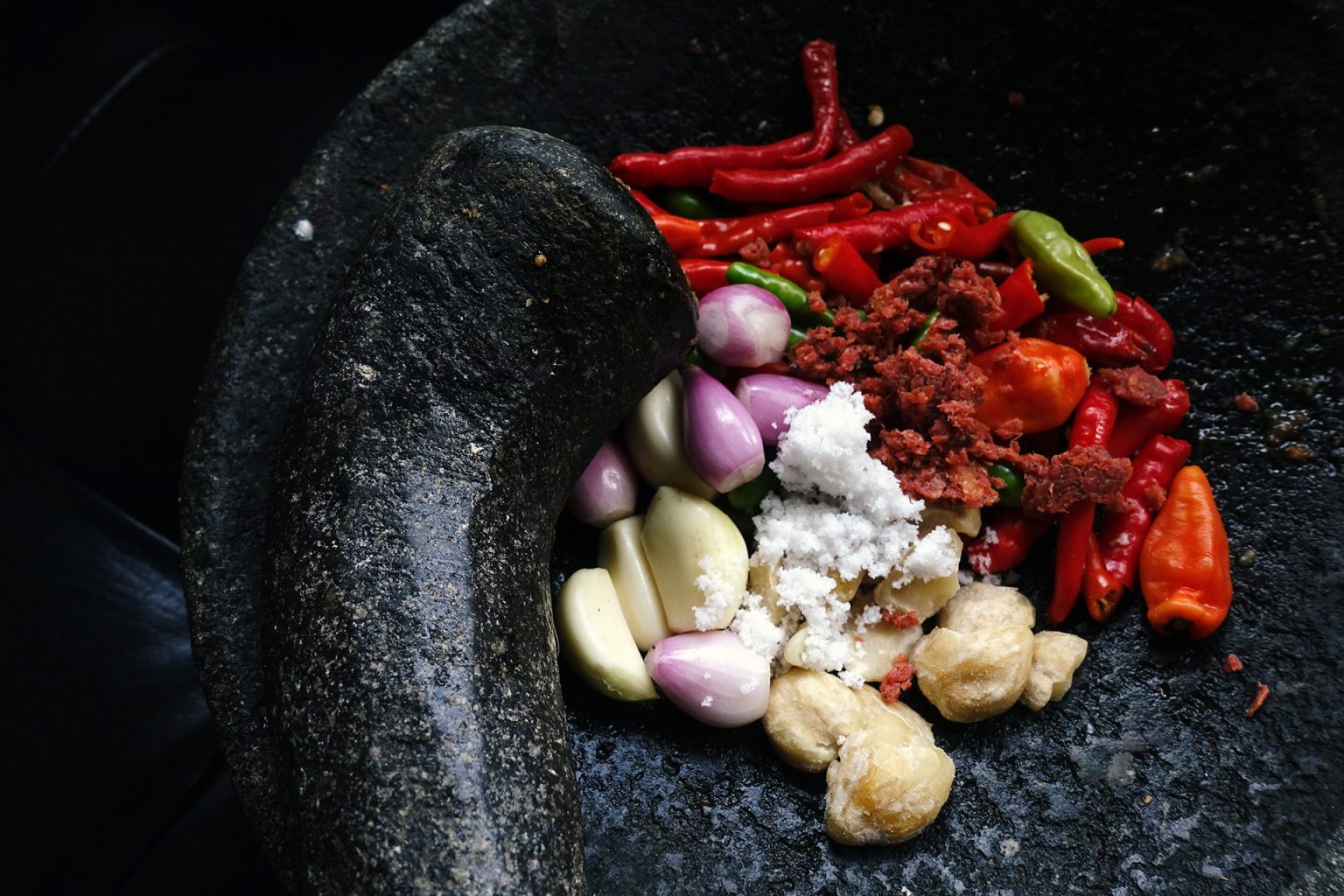
Prepare the Spice Paste: In a mortar and pestle or a small food processor, grind together the garlic, shallots, chilies, coriander, turmeric, and salt until a smooth paste forms.
-
Sauté the Spice Paste: Heat the vegetable oil in a wok or large frying pan over medium heat. Add the spice paste and sauté for 2-3 minutes, or until fragrant.
-
Add Protein (Optional): If using, add the diced chicken, shrimp, or tofu to the wok and cook until browned and cooked through.
-
Scramble the Egg: Push the ingredients to one side of the wok and pour the beaten egg into the empty space. Scramble the egg until cooked, then mix it with the other ingredients.
-
Add the Rice: Add the cooked rice to the wok and break it up with a spatula. Stir-fry the rice with the spice paste and other ingredients until well combined.
-
Season the Rice: Add the sweet soy sauce, soy sauce, and shrimp paste (if using) to the rice. Stir-fry for another 2-3 minutes, or until the rice is evenly coated and heated through.
-
Garnish and Serve: Stir in the chopped green onions. Serve the nasi goreng hot, garnished with a fried egg, cucumber slices, tomato wedges, krupuk, and pickled vegetables, if desired.
- Use Day-Old Rice: Day-old rice is drier and less sticky, which makes it ideal for frying. Freshly cooked rice will tend to clump together and become mushy.
- Don’t Overcrowd the Wok: Overcrowding the wok will lower the temperature and prevent the rice from frying properly. Cook in batches if necessary.
- Adjust the Spice Level: Adjust the amount of chilies in the spice paste to your desired level of spiciness.
- Experiment with Ingredients: Nasi goreng is a very versatile dish, so feel free to experiment with different ingredients, such as vegetables, meats, and seafood.
- Kecap Manis is Key: The sweet soy sauce (kecap manis) is what gives nasi goreng its signature flavor. Don’t skimp on it!
- Calories: 400-500 per serving (depending on ingredients)
- Protein: 15-25g
- Fat: 15-25g
- Carbohydrates: 50-70g
This is just one example of the many delicious and nostalgic Indonesian dishes you can recreate at home. By understanding the basic principles of Indonesian cooking and experimenting with different ingredients and flavors, you can unlock a world of culinary possibilities and create your own unforgettable meals.
Embrace the spirit of ‘food for the nostalgic’ by sharing these recipes and flavors with friends and family. Cooking and sharing Indonesian food is more than just preparing a meal; it’s about preserving traditions, celebrating cultural heritage, and creating lasting memories.


:max_bytes(150000):strip_icc()/best-ever-succotash-recipe-3x4-61-c9230cceec7b4e15aeda6c213d42da12.jpg?w=200&resize=200,135&ssl=1 "Succotash: A Flavorful Fusion of Summer’s Best")
