Imagine a food that sustained civilizations for millennia, a forgotten superfood hidden in plain sight. We’re talking about acorns – the humble fruit of the oak tree. Often overlooked as mere squirrel fodder, acorns, when properly prepared, offer a rich, nutty flavor and a powerhouse of nutrition, waiting to be rediscovered in your kitchen.
This guide isn’t just a recipe; it’s an invitation to connect with ancient culinary traditions. From indigenous cultures across North America, Europe, and Asia, acorns were a staple, providing sustenance through harsh winters and bountiful harvests. Their use spans from simple flour for bread to hearty porridges and even coffee substitutes.
The journey from a raw acorn to a delicious meal is one of patience and transformation, primarily due to the presence of tannins. These natural compounds give raw acorns a bitter, astringent taste and can be harmful if consumed in large quantities. Fear not, for the process of ‘leaching’ is simple and makes acorns not only safe but incredibly palatable.
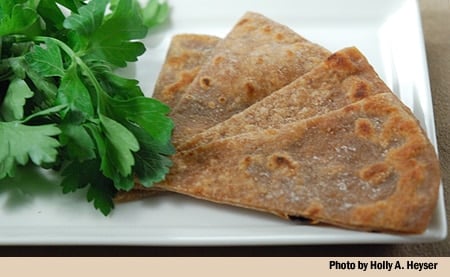
Today, we’ll demystify this ancient art, guiding you step-by-step to create your own acorn flour and then bake a wonderfully rustic and flavorful Acorn & Wheat Flatbread. This recipe is designed to be truly anti-fail, ensuring a rewarding experience even for first-time acorn foragers and cooks.

The Acorn & Wheat Flatbread offers a delightful chewiness and a subtle, earthy nuttiness that pairs beautifully with a variety of toppings or as a simple accompaniment to soups and stews. It’s perfect for a cozy weekend meal, an adventurous picnic, or simply as a unique conversation starter at your next gathering.
Ready to embark on this culinary adventure? Let’s start with the essential information you’ll need.
- Prep Time (Acorn Processing): 2-5 days (cold leaching) or 1-2 days (hot leaching), plus drying time.
- Prep Time (Flatbread): 30 minutes
- Cook Time (Flatbread): 15-20 minutes
- Total Time: Varies greatly depending on acorn processing method, but active flatbread time is under an hour.
- Difficulty Level: Medium (due to acorn processing, flatbread itself is easy)
- Yields: Approximately 8-10 flatbreads (using about 1 cup of acorn flour)
Phase 1: Preparing Acorn Flour (The Most Crucial Step)
- Freshly gathered acorns (any variety, but White Oak acorns are generally lower in tannins and preferred)
- Water (for leaching)
- Nutcracker or hammer
- Large bowls or buckets
- Fine-mesh sieve or cheesecloth
- Baking sheets
- Dehydrator (optional, but recommended for faster drying)
- Coffee grinder or food processor (for grinding flour)
1. Gathering and Inspection: Collect acorns that have fallen naturally. Avoid any with visible holes (indicating insect damage) or mold. Float them in water; discard any that float, as they are likely spoiled or infested.
2. Shelling: Crack open the acorns using a nutcracker or a hammer. Carefully remove the inner nut meat from its hard shell. You may also need to peel off the papery inner skin (pellicle) if it comes off easily, though some choose to leave it.

3. Breaking into Smaller Pieces: Chop or break the acorn meats into smaller pieces (about 1/4 to 1/2 inch) to facilitate faster tannin removal. This can be done with a knife or by pulsing briefly in a food processor.
Method A: Cold Water Leaching (Slower but Preserves More Nutrients)
Place the chopped acorn pieces into a large bowl or bucket. Cover them completely with cold water. Change the water every 6-12 hours. The water will initially turn dark brown from the tannins. Continue changing the water until it remains clear after several hours, and the acorns taste bland, not bitter. This process can take anywhere from 2 to 5 days, or even longer for very tannic acorns.
Method B: Hot Water Leaching (Faster but May Alter Flavor Slightly)
Place the chopped acorn pieces in a pot and cover with water. Bring to a boil, then reduce heat and simmer for 15-20 minutes. Drain the water and rinse the acorns thoroughly. Repeat this process, changing the water each time, until the acorns taste bland and the water runs clear. This method is much quicker, usually taking 1-2 days, but some argue it can remove some of the subtle flavors or nutrients.
5. Drying the Leached Acorns: Once leached, spread the acorn pieces in a single layer on baking sheets or dehydrator trays. Dry them thoroughly until they are completely brittle and snap easily. This is crucial to prevent mold and ensure good flour consistency. This can take several hours in a dehydrator (at 100-115°F / 38-46°C) or 1-3 days in a warm, well-ventilated area, or a very low oven (around 150°F / 65°C) with the door slightly ajar.
6. Grinding into Flour: Once completely dry, grind the acorn pieces into a fine flour using a coffee grinder, spice grinder, or a powerful food processor. Sift the flour through a fine-mesh sieve to remove any larger pieces, which can be re-ground. Store the acorn flour in an airtight container in the refrigerator or freezer for long-term freshness, as its natural oils can go rancid if stored at room temperature.
Phase 2: Acorn & Wheat Flatbread Recipe
- Main Ingredients:
- 1/2 cup prepared acorn flour
- 1 1/2 cups all-purpose wheat flour (or whole wheat flour for a heartier texture)
- 1 teaspoon instant dry yeast
- 1 teaspoon salt
- 1 teaspoon sugar (optional, helps activate yeast and adds slight sweetness)
- 1 cup warm water (105-115°F / 40-46°C)
- 2 tablespoons olive oil, plus extra for brushing
- Flavorings/Seasonings (Optional, for serving):
- Fresh herbs (rosemary, thyme, oregano)
- Garlic powder or minced fresh garlic
- Flaky sea salt
- Black pepper
- Complementary Ingredients (Optional, for serving):
- Hummus
- Tzatziki
- Roasted vegetables
- Soft cheeses
1. Activate Yeast (if using active dry yeast): In a large bowl, combine the warm water and sugar (if using). Sprinkle the yeast over the top and let it sit for 5-10 minutes until foamy. If using instant yeast, you can mix it directly with the flours.
2. Combine Dry Ingredients: In a separate bowl, whisk together the acorn flour, wheat flour, and salt.
3. Mix Wet and Dry: Add the olive oil to the yeast mixture. Gradually add the dry ingredients to the wet ingredients, mixing with a wooden spoon or your hands until a shaggy dough forms. If the dough is too sticky, add a little more wheat flour, one tablespoon at a time. If too dry, add a tiny bit more warm water.
4. Knead the Dough: Turn the dough out onto a lightly floured surface. Knead for 5-7 minutes until it’s smooth and elastic. The acorn flour will give it a slightly denser texture than pure wheat dough.
5. First Rise: Lightly oil a clean bowl. Place the dough in the bowl, turning to coat. Cover with plastic wrap or a clean kitchen towel and let it rise in a warm place for 1 to 1.5 hours, or until doubled in size.
6. Divide and Shape: Gently punch down the dough to release the air. Divide it into 8-10 equal pieces. On a lightly floured surface, roll each piece into a thin oval or round shape, about 1/8 to 1/4 inch thick. Don’t worry about perfect shapes; rustic is part of the charm!
7. Cook the Flatbreads: Heat a cast-iron skillet or a heavy-bottomed pan over medium-high heat. Brush one side of a flatbread with a little olive oil. Place it oil-side down in the hot pan. Cook for 2-3 minutes per side, or until golden brown and puffed up, with some charred spots. Brush the top with a little more olive oil before flipping.
8. Repeat and Serve: Cook the remaining flatbreads, stacking them on a plate and covering with a clean towel to keep warm. Serve immediately, optionally sprinkled with fresh herbs, garlic, and flaky sea salt.
- Patience with Leaching: Do NOT rush the leaching process. Tasting the acorns is your best indicator. They should be completely bland. If there’s any bitterness, continue leaching. This is the #1 anti-fail tip!
- Thorough Drying: Ensure acorns are bone-dry before grinding. Moisture leads to mold and a poor flour consistency. If you don’t have a dehydrator, a very low oven (with the door slightly ajar) or even air drying in a sunny, breezy spot works, but takes longer.
- Storage is Key: Acorn flour has natural oils that can go rancid. Always store it in an airtight container in the refrigerator or freezer to maintain freshness and flavor.
- Mixing Flours: Acorn flour is gluten-free. For a pliable, elastic dough like flatbread, it’s best to mix it with a gluten-containing flour like wheat flour. A 1:3 or 1:2 ratio of acorn to wheat flour is a good starting point for baking.
- Don’t Overcook Flatbread: Cook until golden and puffed, but avoid overcooking, which can make them dry and tough. A hot pan ensures a quick cook and soft interior.
These versatile acorn flatbreads are delicious on their own, but they truly shine when paired with various dips or spreads. Try them with homemade hummus, a fresh tomato bruschetta, or alongside a hearty lentil soup. They also make a fantastic base for mini pizzas or an open-faced sandwich.
Beyond flatbread, leached acorn flour can be used in a myriad of ways. Experiment by adding it to pancakes, muffins, cookies, or even as a thickener for stews. Its unique nutty flavor adds depth and a touch of ancient wisdom to any dish.
- Calories: 180-220 kcal
- Protein: 5-7g
- Fat: 4-6g
- Carbohydrates: 30-35g (of which fiber: 3-5g)
Acorns are notably rich in healthy fats, fiber, and essential minerals like magnesium, potassium, and calcium, making them a nutritious addition to your diet. The fiber content is particularly beneficial for digestive health.
Embracing acorn food is more than just cooking; it’s a journey into sustainable foraging, ancient culinary practices, and discovering unique flavors. With this anti-fail guide, you’re now equipped to transform the humble acorn into a truly remarkable and delicious addition to your culinary repertoire. Enjoy the process, and savor the taste of history!
Happy foraging and happy cooking!


:max_bytes(150000):strip_icc()/best-ever-succotash-recipe-3x4-61-c9230cceec7b4e15aeda6c213d42da12.jpg?w=200&resize=200,135&ssl=1 "Succotash: A Flavorful Fusion of Summer’s Best")
