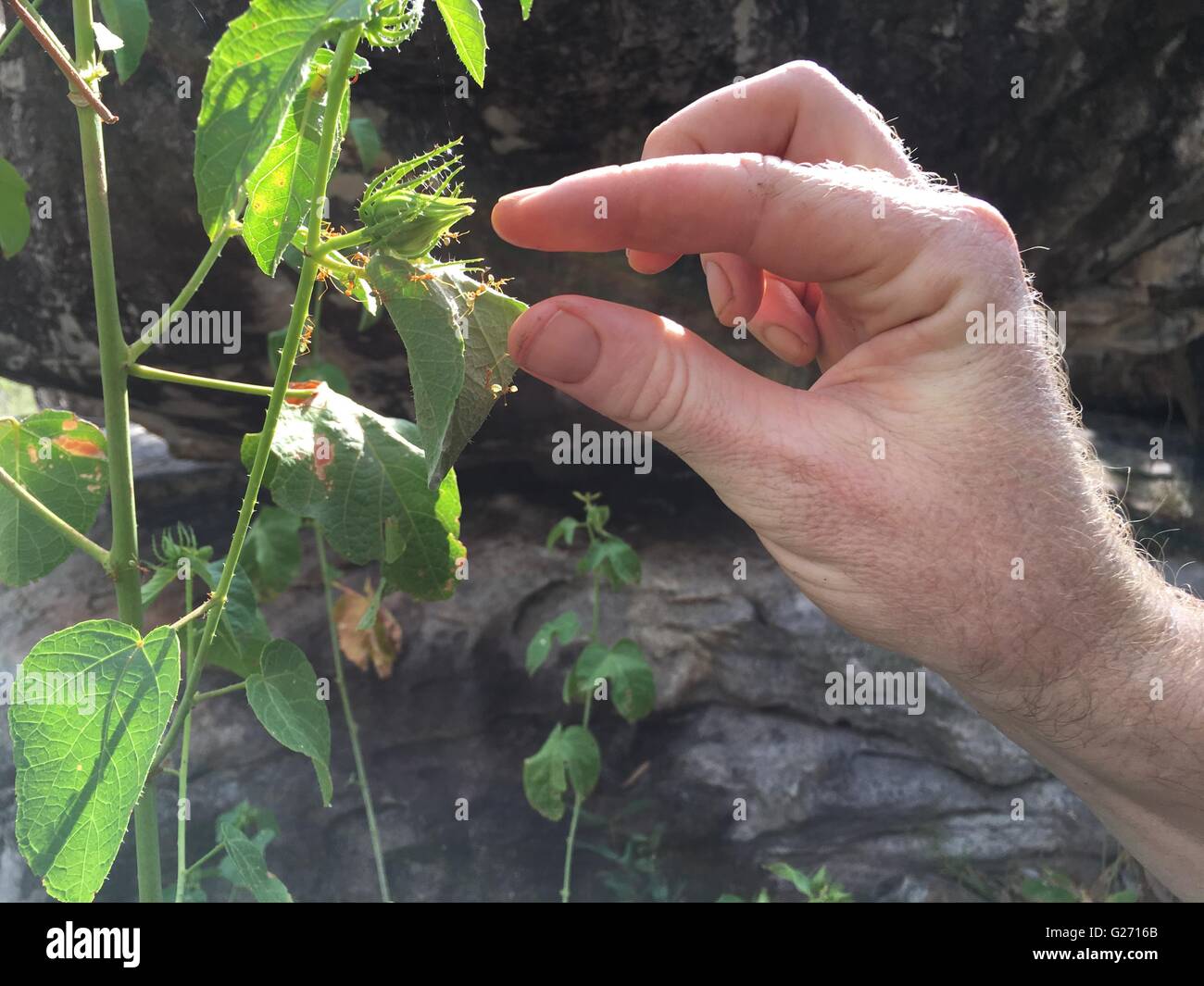
The Zesty Zing of the Outback: Exploring the Unique Taste of Green Ant Bush Tucker
For centuries, the Indigenous peoples of Australia have possessed an intimate knowledge of their land, a profound understanding of its flora and fauna that extends far beyond mere sustenance. This ancestral wisdom, known as Bush Tucker, encompasses a vast array of edible plants and animals, each with its own unique flavour profile and culinary applications. Among the most fascinating and surprisingly delightful of these traditional foods are the green ants, or Oecophylla species, found clinging to the branches of acacia trees across the northern parts of the continent. Their inclusion in the modern Australian culinary landscape is a testament to the growing appreciation for native ingredients and the bold, invigorating taste they bring to the table.
The initial thought of consuming ants might conjure images of something unpleasant, perhaps bitter or gritty. However, the green ant offers a sensory experience that is entirely its own, a vibrant explosion of citrusy tang that has captivated chefs and adventurous eaters alike. This distinct flavour is not a mere novelty; it is a carefully evolved characteristic that serves a purpose within the ant’s ecosystem and, in turn, has been ingeniously utilized by Indigenous Australians for millennia.
A Taste of the Wild: Unpacking the Green Ant Flavour Profile
The dominant characteristic of green ant bush tucker is its unmistakable citrusy zest. It’s often described as tasting like lime, lemon, or even a sharp, tangy grapefruit. This acidity is not the result of digestive processes, as one might initially assume, but rather a defence mechanism. When threatened, green ants release a formic acid secretion from their abdomens. It is this formic acid, in precise and controlled quantities, that imparts the signature sourness. However, unlike the harsh bite of pure formic acid, the ants possess a delicate balance that translates into a refreshing, mouth-watering tang when consumed as food.
Beyond the primary citrus note, there are subtle undertones that contribute to the complexity of the green ant’s taste. Some describe a slight herbal quality, reminiscent of fresh herbs like cilantro or parsley, adding a layer of freshness. Others detect a faint, almost imperceptible sweetness, which helps to round out the acidity and prevent it from being overwhelmingly tart. The texture, too, is an important aspect of the experience. While the ants themselves are small, they possess a slight crunch, akin to a tiny seed, which adds a satisfying textural contrast to softer ingredients.
The intensity of the flavour can vary depending on several factors. The species of green ant, the specific acacia tree they inhabit, and even the time of year can influence the potency of their acidic secretion. Generally, ants harvested from younger leaves or during warmer months tend to have a more pronounced flavour. This variability, rather than being a drawback, adds to the allure of green ant bush tucker, making each tasting experience potentially unique.
More Than Just a Flavour: The Nutritional and Cultural Significance
The green ant is not just a culinary curiosity; it holds significant nutritional value. Like many insects, they are a rich source of protein, essential amino acids, and various minerals. Historically, they were a vital food source for Indigenous communities, providing a readily available and energy-dense option. Beyond their nutritional contributions, green ants are deeply woven into the cultural fabric of Indigenous Australia. They feature in Dreamtime stories, their lifecycle and habits observed and understood as part of the intricate web of life. Their collection and preparation were, and in some communities still are, passed down through generations, carrying with them knowledge of the land and its bounty.
The Modern Culinary Renaissance: Green Ants on the Plate
In recent years, there has been a significant resurgence of interest in bush tucker ingredients, driven by a desire to connect with Australia’s unique heritage and explore novel flavour profiles. Chefs, both Indigenous and non-Indigenous, are embracing green ants as a versatile ingredient, pushing the boundaries of contemporary Australian cuisine.
The most common method of preparation involves harvesting the ant nests, which are often found in the folded leaves of acacia trees. The ants and their larvae are carefully extracted, and then typically rinsed to remove any debris. While some enjoy them raw, their flavour can be intensified when lightly toasted or fried, bringing out their aromatic qualities.
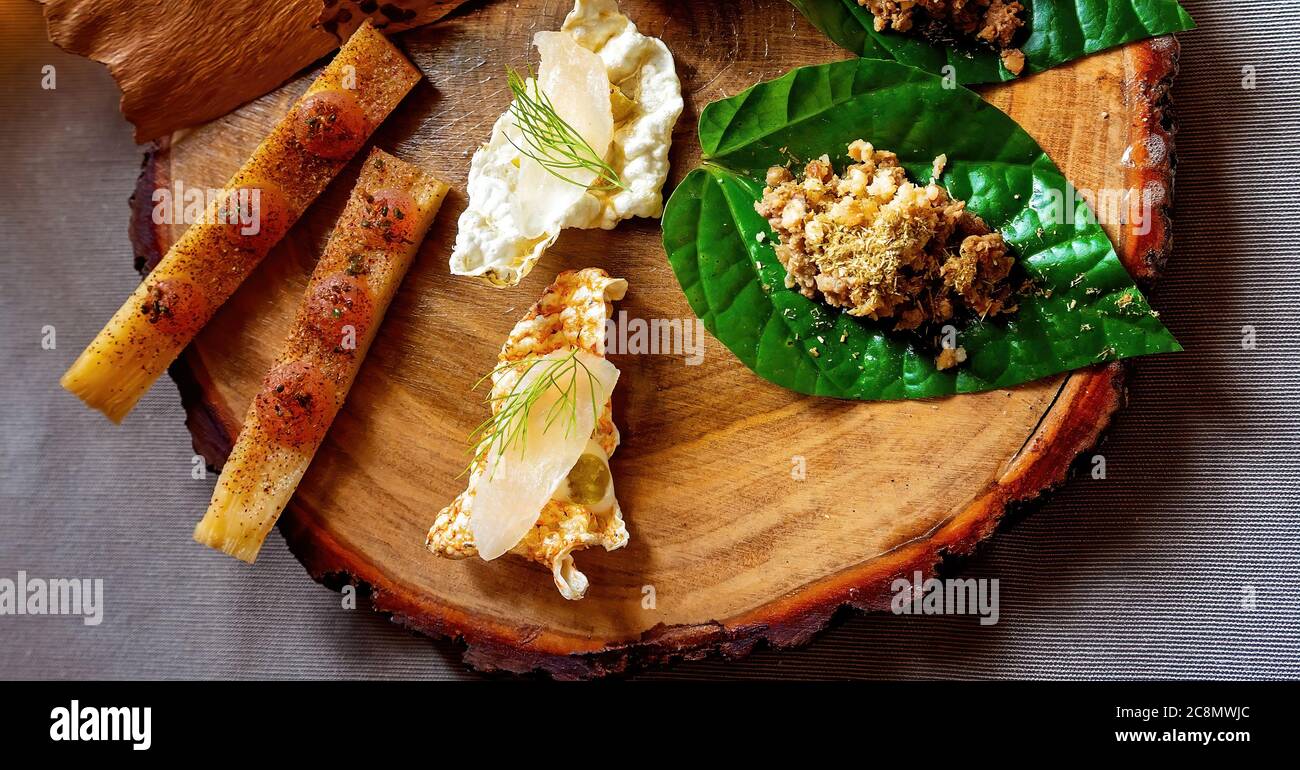
The applications of green ants in the kitchen are surprisingly diverse. Their zesty flavour makes them an excellent complement to seafood, particularly white fish and prawns, where their acidity can cut through richness and add a refreshing counterpoint. They can be incorporated into marinades, salsas, and vinaigrettes, lending a bright, citrusy lift to a variety of dishes.
Beyond savoury applications, the tartness of green ants can also be surprisingly effective in desserts. A sprinkle of crushed green ants over a panna cotta or a fruit tart can provide an unexpected yet delightful burst of flavour, balancing sweetness with acidity. They can also be infused into syrups or used to garnish cocktails, adding a sophisticated and conversation-starting element.
Challenges and Opportunities: Bringing Green Ants to a Wider Audience
Despite their growing popularity, there are challenges in making green ant bush tucker more accessible. Sustainable harvesting practices are paramount to ensure the long-term health of ant populations and their ecosystems. Educating consumers about the origins and ethical sourcing of these ingredients is also crucial.
However, the opportunities are immense. As Australia’s culinary identity continues to evolve, the incorporation of native ingredients like green ants offers a unique and authentic voice. It allows for a deeper understanding and appreciation of the land and its traditional custodians. The vibrant, zesty taste of green ants is more than just a flavour; it’s a gateway to a richer culinary landscape, a taste of the wild that connects us to the ancient rhythms of the Australian bush.
A Glimpse into the Future: Embracing the Bush Tucker Revolution
The journey of green ant bush tucker from a traditional Indigenous food source to a celebrated ingredient on the modern plate is a compelling narrative of cultural exchange and culinary innovation. As more people discover the exhilarating citrusy tang and unique character of these tiny creatures, it signifies a broader movement towards embracing Australia’s indigenous biodiversity. The "bush tucker revolution" is not just about novel ingredients; it’s about recognizing the profound knowledge and sustainable practices that have sustained Indigenous Australians for millennia. The green ant, with its unassuming appearance and electrifying taste, stands as a vibrant symbol of this exciting culinary evolution.
Green Ant Bush Tucker Recipes: A Taste of the Outback
Here are some recipe ideas that showcase the unique flavour of green ants. Remember to source your green ants ethically and sustainably, ideally from Indigenous suppliers or through responsible harvesting practices.
Important Note: When using green ants, start with small quantities to gauge the intensity of their flavour. Their acidity can be quite potent.
1. Green Ant and Lime Crusted Barramundi
This dish highlights the natural affinity between the citrusy notes of the green ants and the delicate flavour of barramundi.
Ingredients:
- 2 x 150g barramundi fillets, skin on
- 2 tablespoons finely chopped fresh green ants
- 1 tablespoon finely grated lime zest
- 1 tablespoon dried breadcrumbs
- 1 tablespoon olive oil
- Salt and freshly ground black pepper to taste
- Fresh lime wedges, for serving
Instructions:
- Preheat your oven to 180°C (350°F).
- In a small bowl, combine the chopped green ants, lime zest, and breadcrumbs. Mix well.
- Pat the barramundi fillets dry with paper towels. Season both sides with salt and pepper.
- Brush the top of each fillet with a little olive oil. Press the green ant and lime mixture firmly onto the oiled surface of the fish, creating a crust.
- Heat the remaining olive oil in an oven-safe skillet over medium-high heat. Sear the barramundi, skin-side down, for 2-3 minutes until the skin is golden and crispy.
- Carefully transfer the skillet to the preheated oven. Bake for 8-12 minutes, or until the fish is cooked through and flakes easily with a fork.
- Serve immediately with fresh lime wedges.
2. Green Ant and Chilli Vinaigrette
A vibrant and zesty dressing that adds a punch of flavour to salads, grilled vegetables, or as a marinade.
Ingredients:
- 2 tablespoons extra virgin olive oil
- 1 tablespoon fresh lime juice
- 1 teaspoon rice wine vinegar
- 1 teaspoon finely chopped fresh green ants
- ½ teaspoon finely chopped red chilli (seeds removed for milder heat)
- Pinch of sugar (optional, to balance acidity)
- Salt and freshly ground black pepper to taste
Instructions:
- In a small bowl, whisk together the olive oil, lime juice, and rice wine vinegar.
- Add the chopped green ants and chilli.
- Whisk vigorously until the vinaigrette is emulsified.
- Season with salt, pepper, and a pinch of sugar if desired.
- Allow to sit for at least 10 minutes for the flavours to meld before serving.
3. Green Ant and Lemon Myrtle Infused Salt
A simple yet effective way to introduce the subtle flavour of green ants into your cooking.
Ingredients:
- ¼ cup coarse sea salt
- 1 tablespoon dried lemon myrtle leaves (crushed)
- 1 teaspoon dried green ants (ensure they are completely dry and crumbly)
Instructions:
- In a mortar and pestle or a spice grinder, combine the sea salt, crushed lemon myrtle leaves, and dried green ants.
- Grind gently until well combined and the green ants are broken down into smaller pieces. Be careful not to over-grind into a powder; a slight texture is desirable.
- Store in an airtight container in a cool, dry place.
- Use this infused salt to season seafood, chicken, vegetables, or even sprinkle over avocado toast.
4. Green Ant Sorbet
A refreshing and unexpected dessert that balances sweetness with a tart, zesty finish.
Ingredients:
- 1 cup water
- ½ cup granulated sugar
- ¼ cup fresh lime juice
- 2 tablespoons fresh lemon juice
- 1 tablespoon finely chopped fresh green ants
- Pinch of salt
Instructions:
- In a small saucepan, combine the water and sugar. Heat over medium heat, stirring, until the sugar is completely dissolved. Let it cool slightly.
- In a bowl, combine the sugar syrup, lime juice, lemon juice, chopped green ants, and salt. Stir well.
- Pour the mixture into an ice cream maker and churn according to the manufacturer’s instructions.
- If you don’t have an ice cream maker, pour the mixture into a shallow freezer-safe container. Freeze for 1-2 hours, then scrape with a fork to break up ice crystals. Repeat this process every 1-2 hours until the sorbet is firm and scoopable.
- Serve the sorbet immediately.
These recipes are just a starting point. Don’t be afraid to experiment and discover your own favourite ways to incorporate the unique and exhilarating taste of green ant bush tucker into your culinary adventures!


