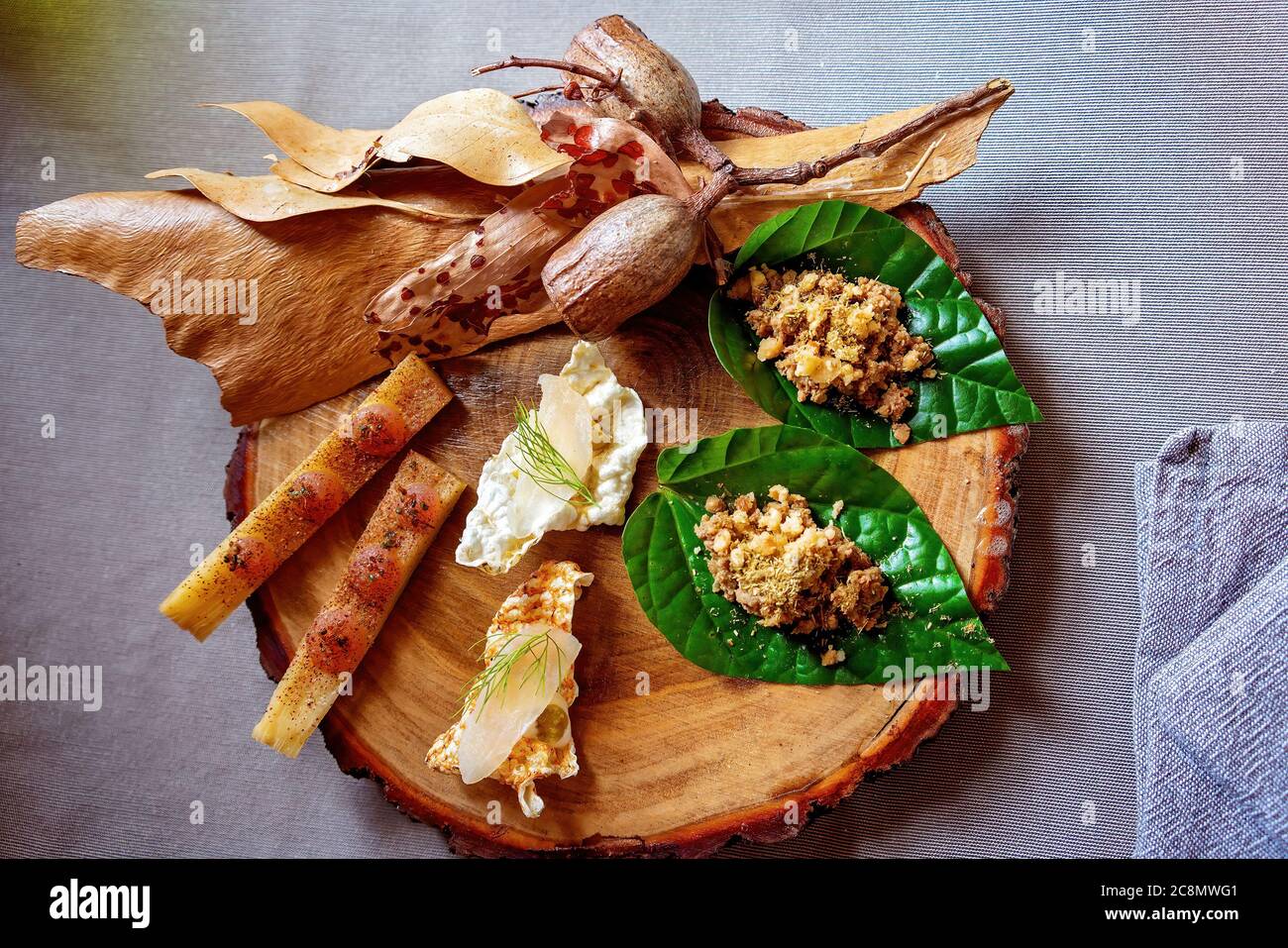
The Emerald Jewels of the Bush: Unveiling the Delicacies of Green Ant Eggs
For millennia, Indigenous Australians have possessed an intimate and profound understanding of their land, its flora, and its fauna. This ancient wisdom, passed down through generations, encompasses not only survival but also a sophisticated culinary heritage. Among the myriad of unique bush tucker ingredients, the tiny, vibrant green ant eggs, or Gooee as they are known by some Indigenous communities, stand out as a true delicacy. These emerald jewels, harvested with respect and ingenuity, offer a burst of flavour and a fascinating glimpse into the ecological interconnectedness of the Australian landscape.
The green ant, scientifically known as Oecophylla smaragdina, is a remarkable insect. Found across northern Australia and into Southeast Asia, these ants are arboreal, meaning they live primarily in trees. Their most striking characteristic, beyond their vibrant green hue, is their industrious method of nest construction. They meticulously weave living leaves together using silk produced by their own larvae, creating suspended nests that can house thousands of individuals. This intricate architecture is not only a testament to their communal effort but also provides a safe haven for their precious cargo – the eggs and larvae.
The harvesting of green ant eggs is a practice deeply rooted in cultural significance and environmental stewardship. It is not a matter of indiscriminate plundering, but rather a careful and sustainable extraction that respects the ant colony’s needs. Traditional methods often involve gently shaking branches or carefully dismantling sections of the nest, allowing the eggs to fall into a collection receptacle. The Indigenous custodians of these lands possess generations of knowledge regarding the optimal times and locations for harvesting, ensuring that the ant population remains healthy and abundant. This sustainable approach underscores the deep respect Indigenous peoples have for the natural world and their role as its caretakers.
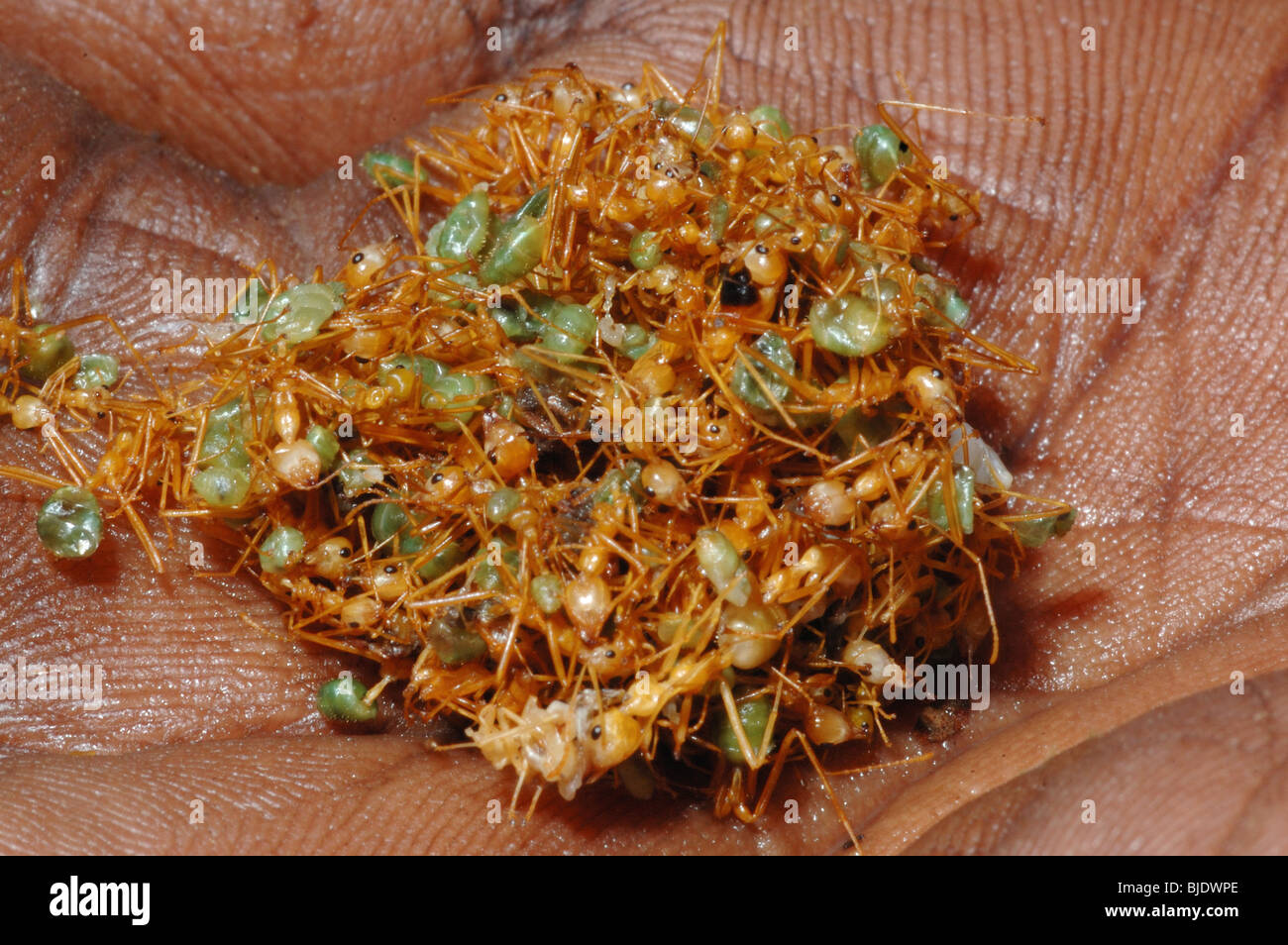
The appeal of green ant eggs lies in their unique sensory profile. Upon the palate, they offer a surprising and delightful burst of citrusy tang. This zesty flavour is often compared to lime or lemon, providing a refreshing counterpoint to other, more earthy bush tucker ingredients. The texture is also noteworthy. The eggs are small, often no larger than a grain of rice, and possess a delicate pop when bitten into, releasing their acidic juice. This combination of bright flavour and intriguing texture makes them a versatile ingredient, capable of elevating a wide range of dishes.
Beyond their culinary merits, green ant eggs are also recognised for their nutritional value. They are a good source of protein and are believed to contain various vitamins and minerals. Historically, they have been an important dietary component for Indigenous communities, contributing to their overall health and well-being. This reinforces the concept of bush tucker as not just food, but as a holistic source of sustenance and medicine.
The integration of green ant eggs into modern Australian cuisine is a growing trend, driven by a desire to explore and celebrate Indigenous food traditions. Chefs and home cooks alike are discovering the versatility of these tiny emeralds, incorporating them into a diverse array of dishes. Their ability to add a vibrant, unexpected flavour makes them a perfect accent for salads, seafood, and even desserts.
One of the most common and accessible ways to enjoy green ant eggs is in their raw form, often incorporated into salads. Their tartness cuts through the richness of other ingredients, adding a lively zest. Imagine a fresh green salad adorned with a sprinkle of these tiny green pearls, transforming a simple dish into something extraordinary. They can also be used to garnish grilled fish or chicken, providing a refreshing burst of flavour with each bite.
However, their culinary applications extend far beyond simple garnishes. Green ant eggs can be gently cooked, though care must be taken not to overdo it, as this can diminish their delicate flavour and texture. They can be lightly sautéed and added to stir-fries, providing an unexpected citrusy note. They can also be incorporated into marinades, infusing meats and vegetables with their distinctive tang.
The unique flavour profile of green ant eggs lends itself particularly well to pairing with other native Australian ingredients. Imagine them alongside finger limes, another native citrus, creating a symphony of tartness. Or perhaps combined with bush tomatoes, quandongs, or wattle seeds, showcasing the rich tapestry of flavours that the Australian bush has to offer.
The journey of green ant eggs from a traditional Indigenous food source to a celebrated ingredient in contemporary Australian kitchens is a testament to the ongoing revival and appreciation of bush tucker. It is a movement that celebrates cultural heritage, promotes sustainable harvesting practices, and introduces a world of unique and delicious flavours to a wider audience. As more people discover the magic of these emerald jewels, the story of the green ant egg continues to unfold, enriching our understanding of Australia’s natural bounty and its ancient culinary traditions.
A Note on Sourcing and Sustainability: It is crucial to emphasize that when seeking to purchase or consume green ant eggs, it is paramount to do so from reputable and ethical sources. This often means supporting Indigenous-owned businesses or organizations that practice sustainable harvesting and contribute to community development. Avoid any sourcing that does not prioritize the health of the ant colonies and the environment.
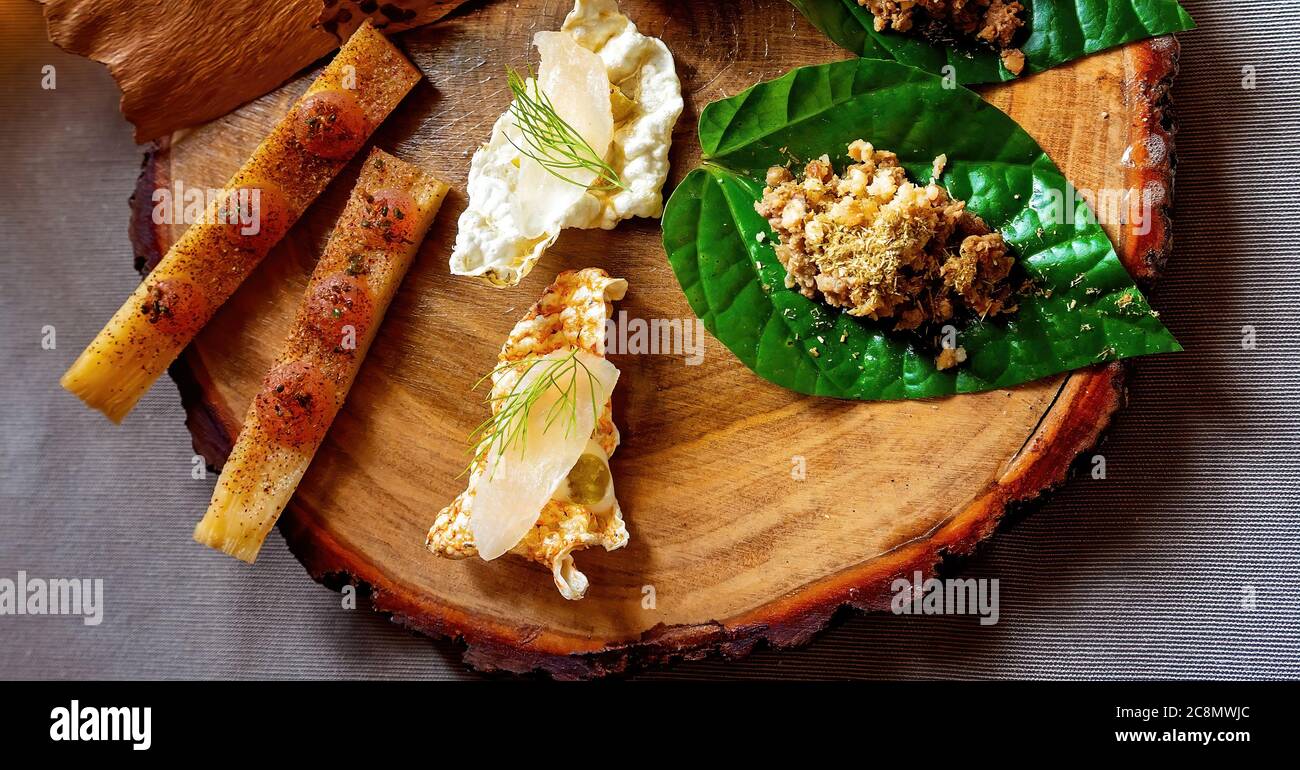
Recipes Featuring Green Ant Eggs (Gooee)
Here are a few recipe ideas to inspire your culinary adventures with green ant eggs. Remember that their flavour is delicate, so it’s often best to add them towards the end of cooking or as a fresh garnish to preserve their zesty notes.
1. Green Ant Egg & Lime Leaf Salad
This refreshing salad highlights the natural tartness of the green ant eggs.
Ingredients:
- 1 cup mixed native Australian greens (e.g., warrigal greens, pigface leaves) or baby spinach
- 1/4 cup cucumber, thinly sliced
- 1/4 cup red onion, thinly sliced
- 2 tablespoons fresh green ant eggs (Gooee)
- 1 tablespoon finely chopped kaffir lime leaves
- 1 tablespoon macadamia nuts, roughly chopped (optional)
- Dressing:
- 2 tablespoons olive oil
- 1 tablespoon lime juice
- 1 teaspoon honey or native bush honey
- Pinch of salt and freshly ground black pepper
Instructions:
- In a large bowl, combine the mixed greens, cucumber, and red onion.
- In a small bowl, whisk together the olive oil, lime juice, honey, salt, and pepper for the dressing.
- Gently toss the greens with the dressing.
- Just before serving, sprinkle the fresh green ant eggs and chopped kaffir lime leaves over the salad.
- Top with chopped macadamia nuts, if using. Serve immediately.
2. Pan-Seared Barramundi with Green Ant Egg Salsa
The bright, citrusy flavour of the eggs complements the delicate richness of barramundi.
Ingredients:
- 2 barramundi fillets (or other firm white fish)
- 1 tablespoon olive oil
- Salt and freshly ground black pepper to taste
- Green Ant Egg Salsa:
- 3 tablespoons fresh green ant eggs (Gooee)
- 1/4 cup finely diced ripe tomato
- 1 tablespoon finely chopped red onion
- 1 tablespoon finely chopped coriander
- 1 teaspoon lime juice
- Pinch of chilli flakes (optional)
Instructions:
- Prepare the Salsa: In a small bowl, gently combine the green ant eggs, diced tomato, red onion, coriander, lime juice, and chilli flakes (if using). Set aside.
- Cook the Barramundi: Pat the barramundi fillets dry with paper towels. Season generously with salt and pepper.
- Heat the olive oil in a non-stick skillet over medium-high heat.
- Place the barramundi fillets skin-side down (if skin is on) and sear for 3-4 minutes, until the skin is crispy.
- Flip the fillets and cook for another 2-3 minutes, or until cooked through and flakes easily with a fork.
- Serve: Place the cooked barramundi fillets on serving plates. Spoon the Green Ant Egg Salsa generously over the top of each fillet. Serve immediately.
3. Wattle Seed & Green Ant Egg Crème Brûlée
A sophisticated dessert that offers an unexpected twist of native flavours.
Ingredients:
- 2 cups heavy cream
- 1/4 cup granulated sugar
- 2 tablespoons wattle seed paste (or 1 tablespoon roasted wattle seeds, ground)
- 1/2 teaspoon vanilla extract
- 4 large egg yolks
- 1/4 cup granulated sugar, for topping
- 2 tablespoons fresh green ant eggs (Gooee), for garnish
Instructions:
- Preheat your oven to 300°F (150°C).
- In a medium saucepan, gently heat the heavy cream and 1/4 cup granulated sugar over medium heat until the sugar dissolves and the cream is warm (do not boil). Stir in the wattle seed paste until fully incorporated. Remove from heat and stir in the vanilla extract.
- In a separate bowl, whisk the egg yolks until pale. Gradually temper the egg yolks by slowly whisking about half of the warm cream mixture into the yolks. Then, pour the tempered yolk mixture back into the saucepan with the remaining cream.
- Strain the custard mixture through a fine-mesh sieve into a clean bowl or jug.
- Divide the custard evenly among four ramekins. Place the ramekins in a larger baking dish. Carefully pour hot water into the baking dish to come halfway up the sides of the ramekins (this is a water bath, or bain-marie).
- Bake for 30-35 minutes, or until the custards are set around the edges but still slightly wobbly in the center.
- Carefully remove the ramekins from the water bath and let them cool completely on a wire rack. Then, cover and refrigerate for at least 4 hours, or preferably overnight.
- To Serve: Sprinkle 1 tablespoon of granulated sugar evenly over the top of each chilled custard. Using a kitchen torch, caramelize the sugar until it forms a hard, golden-brown crust.
- Immediately after torching, gently place a few fresh green ant eggs on top of the caramelized sugar as a garnish. Serve and enjoy the crack of the sugar and the burst of tartness from the eggs.
These recipes are a starting point. Don’t be afraid to experiment and discover your own delicious ways to incorporate the unique flavours of green ant eggs into your cooking!


