
Absolutely! Here’s an article about Illawarra Plum Tree care, aiming for around 1200 words, followed by a recipe listing.
Cultivating the Crimson Jewel: A Comprehensive Guide to Illawarra Plum Tree Care
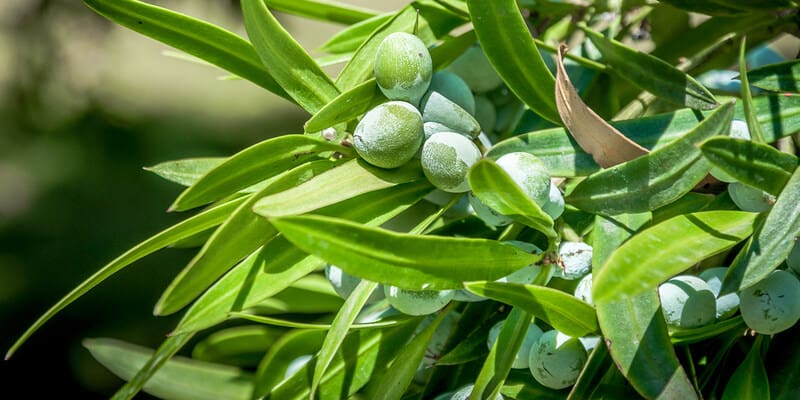
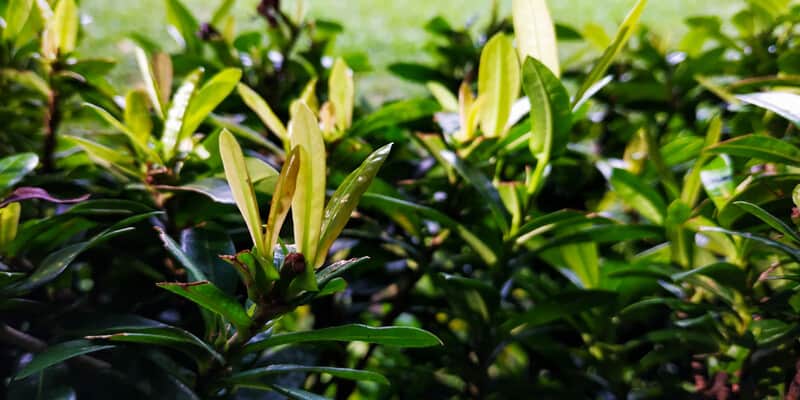
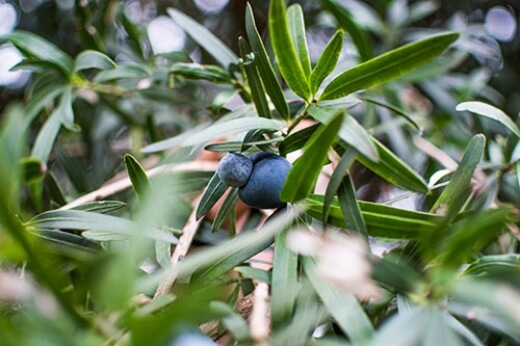
The Illawarra plum tree (Podocarpus elatus), a striking evergreen native to the coastal rainforests of eastern Australia, offers a unique blend of ornamental beauty and edible reward. Its glossy, dark green foliage, often tinged with bronze when new, provides a year-round lush backdrop, while its distinctive, crimson-red, plum-like fruit, borne on long stalks, adds a vibrant splash of color and a burst of tangy flavor. More than just a pretty face, the Illawarra plum is a resilient and relatively low-maintenance tree, making it an increasingly popular choice for home gardens, particularly in temperate to subtropical climates.
However, to truly unlock the potential of this Australian native and ensure a bountiful harvest, understanding its specific needs is crucial. This comprehensive guide delves into the intricacies of Illawarra plum tree care, from selecting the right location and planting techniques to ongoing maintenance, pest management, and harvesting. We’ll also explore some delightful ways to enjoy its unique fruit.
Understanding Your Illawarra Plum: A Native’s Needs
Before diving into care, it’s essential to appreciate the Illawarra plum’s natural habitat. It thrives in moist, well-drained soils, often found in sheltered positions within rainforest understories or along creek banks. This gives us vital clues about its preferred growing conditions.
1. Choosing the Perfect Location:
- Sunlight: While Illawarra plums can tolerate some shade, they perform best and fruit more prolifically when planted in a position that receives at least six hours of direct sunlight per day. A location with morning sun and afternoon shade can be ideal in hotter climates to prevent scorching.
- Shelter: These trees appreciate protection from strong, drying winds. Planting them near a building, fence, or other established trees can provide this crucial shelter, especially when they are young and vulnerable.
- Soil Drainage: This is paramount. Illawarra plums loathe waterlogged roots, which can lead to root rot. Ensure the planting site has excellent drainage. If your soil is heavy clay, consider amending it with organic matter like compost or planting in raised beds.
- Frost Tolerance: Young Illawarra plum trees are more susceptible to frost damage. In regions with frequent or severe frosts, it’s advisable to plant them in a sheltered spot or provide temporary protection during winter. Mature trees are generally more tolerant.
- Space: Illawarra plums can grow into medium to large trees, typically reaching heights of 8-15 meters, though they can be kept smaller with pruning. Ensure you have adequate space for their mature canopy, considering proximity to buildings, power lines, and other garden features.

2. Planting Your Illawarra Plum:
- Timing: The best time to plant your Illawarra plum is during the dormant season, typically late autumn or winter, when the tree is not actively growing. This allows the roots to establish before the heat of summer.
- Preparation: Dig a planting hole that is at least twice as wide and as deep as the tree’s root ball. This encourages the roots to spread outwards. Loosen the soil at the bottom and sides of the hole to improve drainage.
- Planting Technique: Gently remove the tree from its container. If the roots are tightly bound, carefully loosen them to encourage outward growth. Place the tree in the center of the hole, ensuring the top of the root ball is level with or slightly above the surrounding soil. Backfill the hole with the excavated soil, mixing in some compost for added nutrients.
- Watering: Water the tree thoroughly after planting to settle the soil and eliminate air pockets.
3. Watering and Fertilizing: The Essentials of Nourishment
- Watering: Consistent moisture is key, especially during the establishment phase and dry periods. Water deeply and less frequently, encouraging the roots to grow deeper into the soil. Allow the top few inches of soil to dry out slightly between waterings. Once established, they are relatively drought-tolerant but will benefit from supplemental watering during prolonged dry spells, especially when fruiting.
- Fertilizing: Illawarra plums are not heavy feeders. A light application of a balanced, slow-release fertilizer in early spring, as new growth begins, is usually sufficient. Alternatively, a top-dressing of compost or well-rotted manure around the base of the tree (but not touching the trunk) will provide slow-release nutrients and improve soil structure. Avoid over-fertilizing, which can lead to excessive leafy growth at the expense of fruit production.
4. Pruning for Health and Fruitfulness:
Pruning plays a vital role in shaping the tree, improving air circulation, and encouraging fruit production.
- Formative Pruning (Young Trees): In the first few years, prune to establish a strong, well-spaced framework of branches. Remove any crossing, rubbing, or inward-growing branches.
- Maintenance Pruning (Mature Trees):
- Timing: The best time for major pruning is after fruiting, typically in late summer or autumn. Light pruning can also be done in late winter or early spring before flowering.
- Technique: Focus on removing dead, damaged, or diseased branches. Thin out dense areas to improve light penetration and air circulation within the canopy. This reduces the risk of fungal diseases and helps fruit to develop properly. You can also prune to control the tree’s size and shape, making harvesting easier.
- Fruit Spur Development: Illawarra plums fruit on spurs, which are short, stubby branches. Avoid pruning these spurs heavily, as they are where the fruit will form.
5. Pest and Disease Management: Vigilance and Prevention
Illawarra plum trees are generally quite resistant to pests and diseases. However, a few issues can arise:
- Aphids: These small, sap-sucking insects can sometimes infest new growth. A strong jet of water or a horticultural soap spray can often control them.
- Scale Insects: Similar to aphids, scale can be treated with horticultural oils or insecticidal soaps.
- Fungal Diseases: Poor air circulation and excessive moisture can contribute to fungal issues like powdery mildew. Ensure good pruning practices and avoid overhead watering, especially in humid conditions.
- Fruit Fly: This is a common pest of many fruiting trees. While Illawarra plums are relatively robust, fruit fly can still be a nuisance. Prevention is key:
- Sanitation: Remove fallen fruit promptly, as this is where fruit fly larvae can develop.
- Trapping: Use fruit fly traps to monitor and reduce populations.
- Netting: For significant infestations, consider covering fruiting branches with fine netting.
6. Propagation: Growing More Illawarra Plums
Illawarra plums can be propagated by:
- Seed: While viable, seedlings can take many years to produce fruit, and their fruit quality may vary. It’s best to sow fresh seed and be patient.
- Cuttings: Taking semi-hardwood cuttings in late summer or autumn can be successful.
- Grafting: Grafting is the most reliable method for ensuring consistent fruit quality and faster fruiting.
7. Harvesting the Crimson Jewels:
The Illawarra plum fruit typically ripens from late summer through autumn, depending on your climate.
- Signs of Ripeness: The fruit will change from green to a deep crimson or purplish-red color. They will also become slightly soft to the touch and may detach easily from the stalk.
- Harvesting Method: Gently twist or pull the fruit from the tree. Be mindful of the long stalks, which can be delicate. It’s best to harvest when the fruit is at its peak ripeness, as they don’t store for extended periods.
The Culinary Delights of the Illawarra Plum
The Illawarra plum offers a unique flavor profile – a delightful balance of tartness and sweetness, often described as a mix between a cranberry and a plum, with subtle notes of anise or spice. Its juicy flesh and slightly chewy skin make it versatile in the kitchen.
Here are some ways to enjoy your Illawarra plum harvest:
Recipe Listing: Embracing the Illawarra Plum
The tartness of the Illawarra plum lends itself beautifully to both sweet and savory applications. Here are some ideas to get you started:
- Fresh Eating: While some may find them a little tart for direct consumption, many enjoy the burst of flavor by eating them fresh, especially those that have ripened fully on the tree.
- Jams and Jellies: The natural pectin content in Illawarra plums makes them ideal for setting into delicious jams and jellies. Their vibrant color is also a treat for the eyes.
- Sauces and Coulis: A quick and easy sauce can be made by simmering the fruit with a little sugar and water. This is fantastic served with grilled meats, poultry, or even pancakes and ice cream.
- Tarts and Pies: Incorporate them into sweet pies, crumbles, or tarts. Their tartness provides a lovely counterpoint to rich pastry and sweet fillings.
- Chutneys and Relishes: The unique flavor pairs wonderfully with savory dishes. A spicy chutney or relish can be a great accompaniment to cheese boards or roasted meats.
- Liqueurs and Syrups: Infuse spirits with the fruit to create a homemade liqueur, or make a concentrated syrup for cocktails or desserts.
- Smoothies and Juices: Blend them into smoothies for a tangy boost or extract their juice for a refreshing drink.
- Marmalades: Similar to jams, but with a more intense citrus-like flavor, Illawarra plum marmalade is a gourmet delight.
Simple Illawarra Plum Jam Recipe:
Ingredients:
- 1 kg ripe Illawarra plums, pitted and roughly chopped
- 750g granulated sugar (adjust to taste)
- Juice of 1 lemon
- 1/4 cup water (optional, if plums seem dry)
Instructions:
- Combine chopped plums, sugar, and lemon juice in a large, heavy-bottomed saucepan.
- Let the mixture sit for at least 30 minutes (or overnight in the fridge) to allow the sugar to draw out the juices from the fruit.
- Place the saucepan over medium heat and stir until the sugar has completely dissolved.
- Bring the mixture to a rolling boil, stirring occasionally to prevent sticking.
- Cook for 20-30 minutes, or until the jam reaches setting point. To test for setting point, place a small amount of jam on a chilled saucer; if it wrinkles when pushed, it’s ready.
- Remove from heat and skim off any foam.
- Sterilize your jars and lids. Ladle the hot jam into the prepared jars, leaving about 1cm headspace.
- Seal the jars tightly and allow them to cool completely. Once cooled, they can be stored in a cool, dark place for up to a year.
Conclusion:
The Illawarra plum tree is a rewarding addition to any garden, offering beauty, resilience, and a unique culinary experience. By understanding its needs and providing consistent care – from selecting the right spot and ensuring good drainage to mindful watering and occasional pruning – you can cultivate a thriving tree that will provide you with a bounty of its crimson jewels for years to come. Embrace the process, enjoy the vibrant colors, and savor the distinctive taste of this Australian native treasure.


