
A Taste of the Ancient: Exploring Indigenous Food Tours in Australia
Australia, a continent steeped in millennia of history and vibrant cultural traditions, offers an unparalleled journey for the senses, especially for those seeking to explore its culinary heritage. Beyond the familiar brunch cafes and international fare, lies a rich and ancient food landscape shaped by Indigenous Australians for tens of thousands of years. Indigenous food tours are emerging as a powerful and transformative way to connect with this heritage, offering not just delicious meals, but profound insights into the land, culture, and the deep wisdom of its First Peoples.
These tours are more than just a culinary experience; they are an immersion. They invite participants to step away from the conventional and embrace a different way of understanding food. They are about the connection between the land, the seasons, and the sustenance it provides. They are about the stories woven into every ingredient, the knowledge passed down through generations, and the sustainable practices that have ensured the survival of both people and country for countless millennia.
What to Expect on an Indigenous Food Tour

The diversity of Australia’s Indigenous cultures means that food tours can vary dramatically depending in the region and the specific Aboriginal or Torres Strait Islander groups involved. However, several common threads run through these experiences, promising a journey that is both educational and deeply satisfying.
-
Connection to Country: At the heart of every Indigenous food tour is a profound connection to the land. Guides, often Traditional Owners themselves, will lead you through their ancestral lands, pointing out native flora and fauna that have been a source of food and medicine for generations. You’ll learn about the ecological understanding that underpins Indigenous food systems, how they harvest sustainably, and the importance of respecting the natural cycles. This might involve walking through ancient bushland, along riverbanks, or even venturing to coastal areas, depending on the tour’s focus.
-
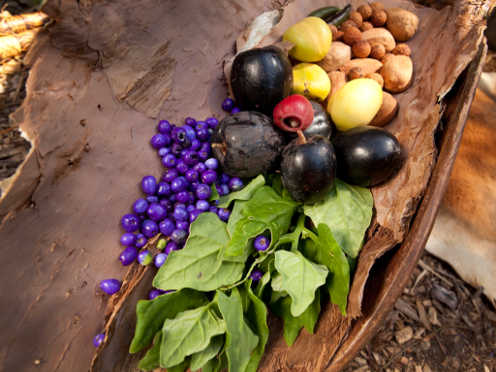
Native Ingredients and Flavours: Prepare to encounter a pantry of ingredients you may have never seen or tasted before. Bush tomatoes, quandongs, warrigal greens, finger limes, and an array of native herbs and spices form the basis of many traditional dishes. You’ll discover their unique flavour profiles, from the tangy zest of finger limes to the earthy sweetness of bush plums. Guides will explain how these ingredients were traditionally gathered, prepared, and used, often highlighting their medicinal properties as well.
-
Hands-on Experiences: Many tours go beyond passive observation, offering opportunities to actively participate. This could involve foraging for edible plants under expert guidance, learning traditional cooking methods like using hot stones or earth ovens, or even helping to prepare a meal. These hands-on moments create a deeper understanding and appreciation for the effort and skill involved in traditional food preparation.
-
Cultural Storytelling: Food is intrinsically linked to culture, and Indigenous food tours are rich with storytelling. Elders and guides will share Dreamtime stories, historical accounts, and personal anecdotes that connect the food to their ancestral lineage, their spirituality, and their social structures. You’ll gain an understanding of how food played a central role in ceremonies, gatherings, and daily life.
-
Modern Interpretations and Culinary Innovation: While celebrating ancient traditions, many tours also showcase how Indigenous ingredients are being embraced by contemporary Australian chefs. You might enjoy a meal prepared using modern culinary techniques that highlight the unique flavours of native produce, demonstrating the ongoing evolution and relevance of Indigenous food. This can include tasting everything from kangaroo and emu dishes to contemporary desserts infused with native fruits.
-
Respect and Reciprocity: A crucial aspect of Indigenous food tours is the emphasis on respect and reciprocity. Participants are encouraged to approach the experience with an open mind and a willingness to learn. Understanding the importance of not taking more than is needed, and the spiritual significance of certain plants and animals, is paramount.
Regions and Experiences to Explore
Australia’s vastness offers a multitude of Indigenous food experiences. Here are a few examples of what you might encounter:
-
The Kimberley, Western Australia: Known for its rugged beauty and ancient rock art, the Kimberley offers tours that delve into the traditional diet of the local Yawuru, Nyul Nyul, and Karajarri peoples. Expect to learn about sea-based foods, bush tucker, and the sustainable harvesting practices that have sustained these communities for millennia.
-
The Red Centre, Northern Territory: In this iconic desert landscape, tours might focus on the resilience of desert plants and animals. You’ll discover how Aboriginal people have ingeniously utilized scarce resources, learning about plants like the native fig and the vital role of bush seeds.
-
Daintree Rainforest, Queensland: This ancient rainforest teems with biodiversity, and tours here often explore the rich array of edible plants and fruits. Learn about traditional uses of rainforest ingredients and the harmonious relationship Indigenous communities have with this vibrant ecosystem.
-
Tasmania: Tasmania’s Indigenous food heritage is deeply connected to its unique flora and fauna. Tours may focus on traditional seafood gathering, as well as the use of native plants for food and medicine.
-
South Australia: From the coastal regions to the arid outback, South Australia offers diverse opportunities to explore Indigenous food. Tours might highlight the bounty of the ocean, the ingenuity of desert dwellers, and the unique flavours of native fruits.
The Importance of Indigenous Food Tourism
Indigenous food tours are more than just a tourist activity; they play a vital role in the preservation and promotion of Indigenous cultures and knowledge.
-
Cultural Revitalisation: By sharing their food traditions, Indigenous communities are actively revitalising and celebrating their heritage. These tours provide a platform for intergenerational knowledge transfer and empower Traditional Owners to share their stories and practices on their own terms.
-
Economic Empowerment: Indigenous food tourism offers significant economic opportunities for Aboriginal and Torres Strait Islander communities. It creates jobs, supports local businesses, and allows communities to benefit directly from their cultural assets.
-
Education and Awareness: For visitors, these tours offer a crucial opportunity to learn about the depth and sophistication of Indigenous knowledge systems. They challenge stereotypes and foster a greater appreciation for the original custodians of the land and their enduring connection to it.
-
Sustainability and Conservation: The principles of sustainable harvesting and land management embedded in Indigenous food practices are increasingly relevant in today’s world. Tours that highlight these practices can inspire greater awareness of environmental stewardship.
Planning Your Indigenous Food Tour
When planning your Indigenous food adventure, consider the following:
-
Research and Choose Reputable Operators: Look for tours led by Indigenous-owned and operated businesses or those that have strong partnerships with Indigenous communities. This ensures that the experience is authentic and benefits the local people.
-
Be Open and Respectful: Approach the tour with an open mind and a genuine desire to learn. Listen attentively to your guides and be mindful of cultural protocols.
-
Ask Questions: Don’t hesitate to ask questions about the food, the ingredients, the stories, and the cultural significance. The guides are there to share their knowledge.
-
Support Local: Where possible, purchase any native produce or artisanal products offered during the tour to further support the local community.
A Glimpse into Recipes: Inspired by Indigenous Flavours
While specific traditional recipes are often passed down orally and are deeply tied to specific locations and seasons, we can draw inspiration from the ingredients and techniques of Indigenous Australian cuisine to create modern dishes. Here are a few ideas:
Recipe Ideas Inspired by Indigenous Australian Flavours
These recipes are not traditional in the strict sense, but rather contemporary interpretations that aim to showcase the unique flavours of native Australian ingredients. Sourcing these ingredients may require visiting specialty food stores or online retailers that stock Australian native produce.
1. Bush Tomato and Kangaroo Skewers with Lemon Myrtle Marinade
This dish combines the lean protein of kangaroo with the vibrant flavour of bush tomatoes and the aromatic citrus notes of lemon myrtle.
Ingredients:
- 500g kangaroo loin, cut into 2.5cm cubes
- 1 cup fresh or rehydrated bush tomatoes (also known as desert raisins or quandong tomatoes), halved if large
- 1 red onion, cut into wedges
- 1 green bell pepper, cut into chunks
- For the Marinade:
- 1/4 cup olive oil
- 2 tbsp native bush tomato paste (if available, otherwise use sun-dried tomato paste)
- 2 tbsp fresh lemon myrtle leaves, finely chopped (or 1 tsp dried lemon myrtle powder)
- 1 clove garlic, minced
- 1 tsp honey
- Salt and freshly ground black pepper to taste
Instructions:
- Marinate the Kangaroo: In a bowl, whisk together all the marinade ingredients. Add the kangaroo cubes and toss to coat. Cover and refrigerate for at least 30 minutes, or up to 2 hours.
- Prepare Skewers: Thread the marinated kangaroo, bush tomatoes, red onion wedges, and green bell pepper chunks alternately onto pre-soaked wooden skewers.
- Cook: Preheat your grill or barbecue to medium-high heat. Grill the skewers for 3-4 minutes per side, or until the kangaroo is cooked to your desired doneness (kangaroo is best served medium-rare to medium).
- Serve: Serve the skewers immediately, perhaps with a side of wild greens or a simple native herb salad.
2. Warrigal Greens and Fetta Salad with Finger Lime Dressing
Warrigal greens are a native spinach, offering a slightly salty and earthy flavour. Finger limes provide a burst of citrus caviar.
Ingredients:
- 200g fresh warrigal greens, stems removed and roughly chopped (or substitute with young spinach leaves)
- 100g feta cheese, crumbled
- 1/4 cup toasted macadamia nuts, roughly chopped
- 1/4 red onion, thinly sliced
- For the Dressing:
- 2 tbsp extra virgin olive oil
- 1 tbsp fresh finger lime pulp (the small citrus pearls)
- 1 tsp white wine vinegar
- 1/2 tsp honey or agave nectar
- Salt and freshly ground black pepper to taste
Instructions:
- Blanch Greens (if using Warrigal): If using fresh warrigal greens, briefly blanch them in boiling water for about 30 seconds, then immediately plunge into ice-cold water. Drain well and squeeze out excess moisture. If using spinach, you can use it raw.
- Assemble Salad: In a large bowl, combine the blanched (or raw) greens, crumbled feta cheese, toasted macadamia nuts, and sliced red onion.
- Make Dressing: In a small bowl, whisk together the olive oil, finger lime pulp, white wine vinegar, and honey. Season with salt and pepper.
- Dress and Serve: Drizzle the dressing over the salad and toss gently to combine. Serve immediately.
3. Quandong and Wattleseed Scones with Davidson Plum Jam
A sweet treat inspired by the tartness of quandongs and the nutty, coffee-like aroma of wattleseed.
Ingredients:
- 2 cups all-purpose flour
- 1 tbsp wattleseed, lightly toasted and ground
- 2 tsp baking powder
- 1/2 tsp salt
- 1/4 cup cold unsalted butter, cubed
- 1/2 cup dried quandongs, finely chopped (or substitute with dried cranberries or chopped dried apricots)
- 3/4 cup milk, plus extra for brushing
- For Serving:
- Davidson plum jam (or other native fruit jam like rosella)
- Whipped cream or native cream (if available)
Instructions:
- Preheat Oven: Preheat your oven to 200°C (400°F) and lightly grease a baking sheet.
- Dry Ingredients: In a large bowl, whisk together the flour, ground wattleseed, baking powder, and salt.
- Rub in Butter: Add the cold butter cubes and rub them into the dry ingredients with your fingertips until the mixture resembles coarse breadcrumbs.
- Add Quandongs: Stir in the chopped quandongs.
- Add Milk: Make a well in the centre of the dry ingredients and pour in most of the milk. Mix gently with a knife or spatula until just combined to form a soft, slightly sticky dough. Add a little more milk if needed, but be careful not to overmix.
- Shape Scones: Turn the dough out onto a lightly floured surface. Gently pat it down to about 2cm thickness. Use a round cutter (dipped in flour) to cut out scones. Place the scones onto the prepared baking sheet.
- Bake: Brush the tops of the scones with a little milk. Bake for 12-15 minutes, or until golden brown and risen.
- Serve: Serve warm with Davidson plum jam and a dollop of cream.
Conclusion
Embarking on an Indigenous food tour in Australia is an invitation to connect with a culinary legacy that is as ancient as the land itself. It’s an opportunity to taste the stories, understand the deep ecological knowledge, and appreciate the resilience and ingenuity of the First Peoples of this continent. These tours offer a pathway to a more authentic and meaningful travel experience, one that nourishes the body and the soul, leaving you with a profound appreciation for the enduring spirit of Indigenous Australian culture. As you savour each bite, you’re not just tasting food; you’re tasting history, connection, and the very essence of Australia.


