
Unleash Your Inner Adventurer: Crafting Delicious Kangaroo Jerky at Home
The world of jerky is a vast and exciting landscape, offering a spectrum of flavors and textures that tantalize the taste buds. While beef and venison have long been the stars of the jerky scene, a truly adventurous palate might set its sights on something more… Australian. Kangaroo meat, lean and packed with unique flavor, presents an exceptional canvas for creating homemade jerky. This isn’t just about a novel protein; it’s about embracing a sustainable, healthy, and incredibly satisfying snack that will have your friends asking for your secret.
Kangaroo meat has a distinct flavor profile, often described as slightly gamey, lean, and surprisingly mild compared to other red meats. Its leanness is a significant advantage for jerky making, as it reduces the risk of fat spoilage and results in a chewier, more concentrated flavor. Furthermore, kangaroo is an incredibly sustainable and ethical choice. Kangaroos are a native species that are managed responsibly through government-regulated culling programs. They require minimal water, don’t contribute to land degradation like cattle, and their meat is often lower in fat and cholesterol than many conventional options.
Embarking on the journey of making kangaroo jerky at home is a rewarding experience. It allows for complete control over ingredients, ensuring a healthy and delicious snack free from artificial preservatives and excessive sodium often found in store-bought versions. This recipe focuses on a classic marinade that complements the natural flavors of kangaroo, creating a jerky that is both savory and subtly sweet.
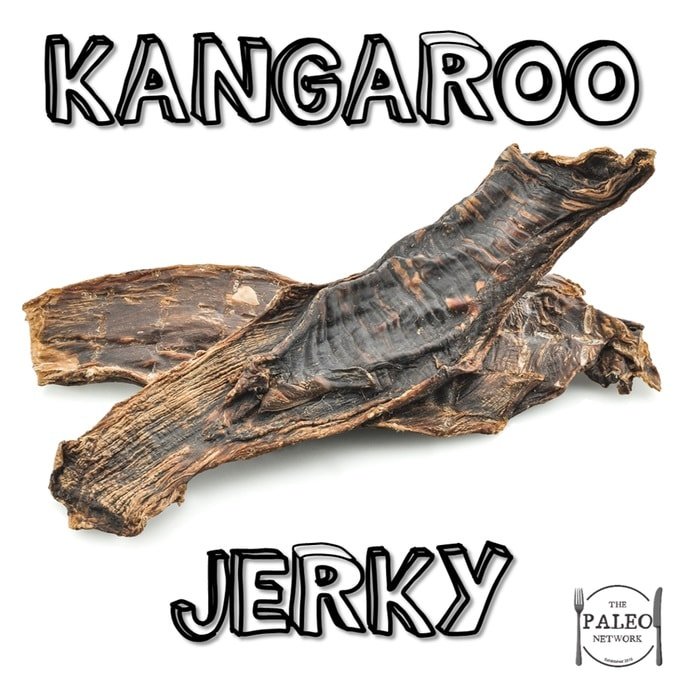
The Art of Jerky Making: Key Principles
Before we dive into the specific recipe, understanding the fundamental principles of jerky making is crucial for success.
- Meat Selection: For jerky, it’s imperative to use lean cuts of meat. This recipe utilizes kangaroo loin or hindquarter, which are naturally lean. If you’re sourcing kangaroo meat, ensure it’s from a reputable butcher or supplier.
- Thin and Uniform Slices: The key to evenly dried and tender jerky lies in slicing the meat thinly and uniformly. This allows for even penetration of the marinade and consistent drying. Partially freezing the meat before slicing is a game-changer, making it much easier to achieve precise, thin cuts.
- Marinade is King: The marinade not only imparts flavor but also plays a role in tenderizing the meat and, in some cases, acting as a mild preservative. The balance of salty, sweet, and savory elements is what transforms raw meat into delicious jerky.
- Drying Method: You have two primary options for drying: a dehydrator or an oven. A dehydrator offers the most consistent and efficient drying, while an oven can be used effectively with careful temperature control.
- Proper Storage: Once dried, jerky needs to be stored correctly to prevent spoilage and maintain its texture. Airtight containers are essential, and refrigeration or freezing will significantly extend its shelf life.

Unleashing the Flavor: The Kangaroo Jerky Recipe
This recipe aims for a balanced flavor profile that highlights the natural essence of kangaroo while offering a satisfying savory and slightly sweet experience.
Yields: Approximately 1-1.5 lbs of finished jerky
Prep time: 30 minutes (plus marinating time)
Drying time: 4-8 hours (depending on method and desired texture)
Ingredients:
- 2 lbs Kangaroo Loin or Hindquarter: Trimmed of any visible fat or silverskin.
- 1/2 cup Soy Sauce (low sodium recommended): Provides a salty and umami base.
- 1/4 cup Worcestershire Sauce: Adds depth of flavor and a touch of tang.
- 2 tablespoons Honey or Maple Syrup: For a touch of sweetness to balance the saltiness.
- 1 tablespoon Brown Sugar (optional, for extra caramelization): Enhances sweetness and aids in browning.
- 1 teaspoon Smoked Paprika: Imparts a smoky, slightly sweet flavor.
- 1 teaspoon Garlic Powder: Essential for savory depth.
- 1/2 teaspoon Onion Powder: Adds another layer of savory complexity.
- 1/4 teaspoon Black Pepper, freshly ground: For a touch of spice.
- 1/4 teaspoon Red Pepper Flakes (optional, for a hint of heat): Adjust to your spice preference.
- 1 tablespoon Olive Oil or Vegetable Oil: Helps to distribute the marinade and prevent sticking.
- 1 teaspoon Liquid Smoke (optional, for an intensified smoky flavor): Use sparingly if you desire a more pronounced smoke.
Equipment:
- Sharp knife or mandoline slicer
- Cutting board
- Large resealable bag or shallow dish for marinating
- Dehydrator or oven
- Baking sheets (if using oven)
- Wire racks (if using oven)
- Paper towels
Instructions:
Step 1: Prepare the Kangaroo Meat
- Trim: Carefully trim any excess fat or silverskin from the kangaroo meat. Kangaroo is naturally lean, but it’s always good to be thorough.
- Partially Freeze: Place the kangaroo meat in the freezer for 1-2 hours. This will firm up the meat, making it much easier to slice thinly and uniformly. You want it firm but not frozen solid.
- Slice: Once partially frozen, remove the meat from the freezer. Using a very sharp knife or a mandoline slicer, slice the meat against the grain into thin strips, approximately 1/8 to 1/4 inch thick. Uniformity is key for even drying. Discard any thicker pieces or save them for another use.
Step 2: Create the Marinade
- In a medium bowl or directly in your marinating bag, whisk together the soy sauce, Worcestershire sauce, honey or maple syrup, brown sugar (if using), smoked paprika, garlic powder, onion powder, black pepper, and red pepper flakes (if using).
- Add the olive oil and liquid smoke (if using) and whisk to combine. Taste the marinade and adjust seasonings as needed. Remember that the flavors will concentrate as the jerky dries.
Step 3: Marinate the Meat
- Place the thinly sliced kangaroo meat into the resealable bag or shallow dish.
- Pour the marinade over the meat, ensuring each piece is well coated.
- Seal the bag, removing as much air as possible, or cover the dish.
- Gently massage the bag or dish to distribute the marinade evenly.
- Refrigerate for at least 4 hours, or preferably overnight (8-12 hours) for maximum flavor penetration. Flip the bag or stir the meat halfway through the marinating time to ensure even marination.
Step 4: Prepare for Drying
- Remove and Pat Dry: Remove the marinated kangaroo strips from the marinade. Discard the remaining marinade.
- Pat Dry: Lay the meat strips out on a clean surface and thoroughly pat them dry with paper towels. This is a crucial step to remove excess surface moisture, which will help the jerky dry more efficiently and prevent it from becoming soggy or moldy.
Step 5: Drying the Jerky
Option A: Using a Dehydrator
- Arrange: Arrange the dried meat strips in a single layer on your dehydrator trays, ensuring they do not overlap. This allows for proper air circulation.
- Dehydrate: Set your dehydrator to 155-160°F (68-71°C). The temperature is important for food safety, killing any potential pathogens.
- Drying Time: Drying time will vary depending on your dehydrator, the thickness of your jerky, and the humidity of your environment. It typically takes between 4 to 8 hours.
- Check for Doneness: After 4 hours, begin checking the jerky periodically. Jerky is done when it is dry and leathery, but still pliable. It should bend without breaking and have a slightly chewy texture. You should not see any moist spots.
Option B: Using an Oven
- Preheat: Preheat your oven to its lowest setting, ideally around 170-180°F (77-82°C). If your oven doesn’t go that low, set it to its lowest setting and prop the oven door open slightly with a wooden spoon to allow for air circulation and to prevent overheating.
- Arrange: Line baking sheets with foil or parchment paper. Place a wire rack on top of the lined baking sheet. Arrange the dried meat strips in a single layer on the wire rack, ensuring they do not touch. The baking sheet will catch any drips.
- Oven Drying Time: This method can take longer than a dehydrator, typically 6 to 10 hours or even more.
- Check for Doneness: Rotate the baking sheets every couple of hours to ensure even drying. Check for doneness as described above (leathery, pliable, bends without breaking, no moist spots).
Step 6: Cooling and Storage
- Cool Completely: Once the jerky has reached your desired level of dryness, remove it from the dehydrator or oven and let it cool completely on the racks at room temperature for at least 30-60 minutes. This allows the jerky to firm up further.
- Test for Doneness (Final Check): As the jerky cools, it will become even more pliable. A final bend test is a good indicator. It should bend and crack slightly but not snap.
- Store: Once completely cool, store the kangaroo jerky in airtight containers or vacuum-sealed bags.
- Room Temperature: Properly dried and stored jerky can last for 1-2 weeks at room temperature.
- Refrigeration: For longer storage, refrigerate the jerky. It can last for 1-2 months in the refrigerator.
- Freezing: For the longest shelf life, freeze the jerky. It can last for 6 months to a year in the freezer.
Tips for Success and Variations
- Don’t Over-Dry: It’s better to under-dry slightly and let it continue drying in storage than to over-dry and have tough, brittle jerky.
- Experiment with Spices: This recipe is a fantastic starting point. Feel free to experiment with other spices like cumin, coriander, cayenne pepper for more heat, or even a touch of cinnamon for an unexpected twist.
- Sweetness Control: Adjust the amount of honey or maple syrup to your personal preference.
- Citrus Kick: A tablespoon of fresh lemon or lime juice in the marinade can add a bright, zesty note.
- Teriyaki Twist: For a teriyaki-inspired jerky, add a tablespoon of mirin and a teaspoon of grated fresh ginger to the marinade.
- Bolder Flavors: For a more intense flavor, consider a longer marinating time or a slightly higher concentration of seasonings.
- Leaner is Better: Always choose the leanest cuts of kangaroo meat available.
The Reward of Homemade Kangaroo Jerky
Crafting your own kangaroo jerky is an experience that goes beyond simply making a snack. It’s an exploration of new flavors, a dive into sustainable food choices, and a testament to your culinary adventurousness. The lean, unique taste of kangaroo, combined with a well-balanced marinade and the satisfaction of a perfectly dried texture, creates a jerky that is truly unforgettable. So, embrace the challenge, unleash your inner chef, and enjoy the delicious rewards of your homemade kangaroo jerky. It’s a taste of the wild, perfected in your own kitchen.


