Absolutely! Here’s a comprehensive article on Lemon Myrtle plant care, aiming for around 1200 words, along with a recipe listing.
The Zesty Sanctuary: Cultivating and Caring for Your Lemon Myrtle Plant
The allure of the Lemon Myrtle ( Backhousia citriodora ) extends far beyond its captivating citrusy fragrance. This Australian native is a true botanical treasure, prized not only for its aromatic leaves, which can be used in culinary creations and aromatherapy, but also for its attractive, glossy foliage and elegant growth habit. Bringing a Lemon Myrtle into your home or garden is an invitation to a more fragrant, natural, and perhaps even healthier lifestyle. However, like any living organism, it requires specific care to thrive. This guide will equip you with the knowledge to cultivate a flourishing Lemon Myrtle, transforming it into a vibrant and fragrant sanctuary.
Understanding Your Lemon Myrtle: A Brief Botanical Profile
Before delving into care specifics, it’s beneficial to understand the Lemon Myrtle’s origins and natural habitat. Native to the subtropical rainforests of Queensland and New South Wales, Australia, Backhousia citriodora thrives in warm, humid environments with dappled sunlight and rich, well-draining soil. This information provides valuable clues for replicating its ideal conditions in a domestic setting.
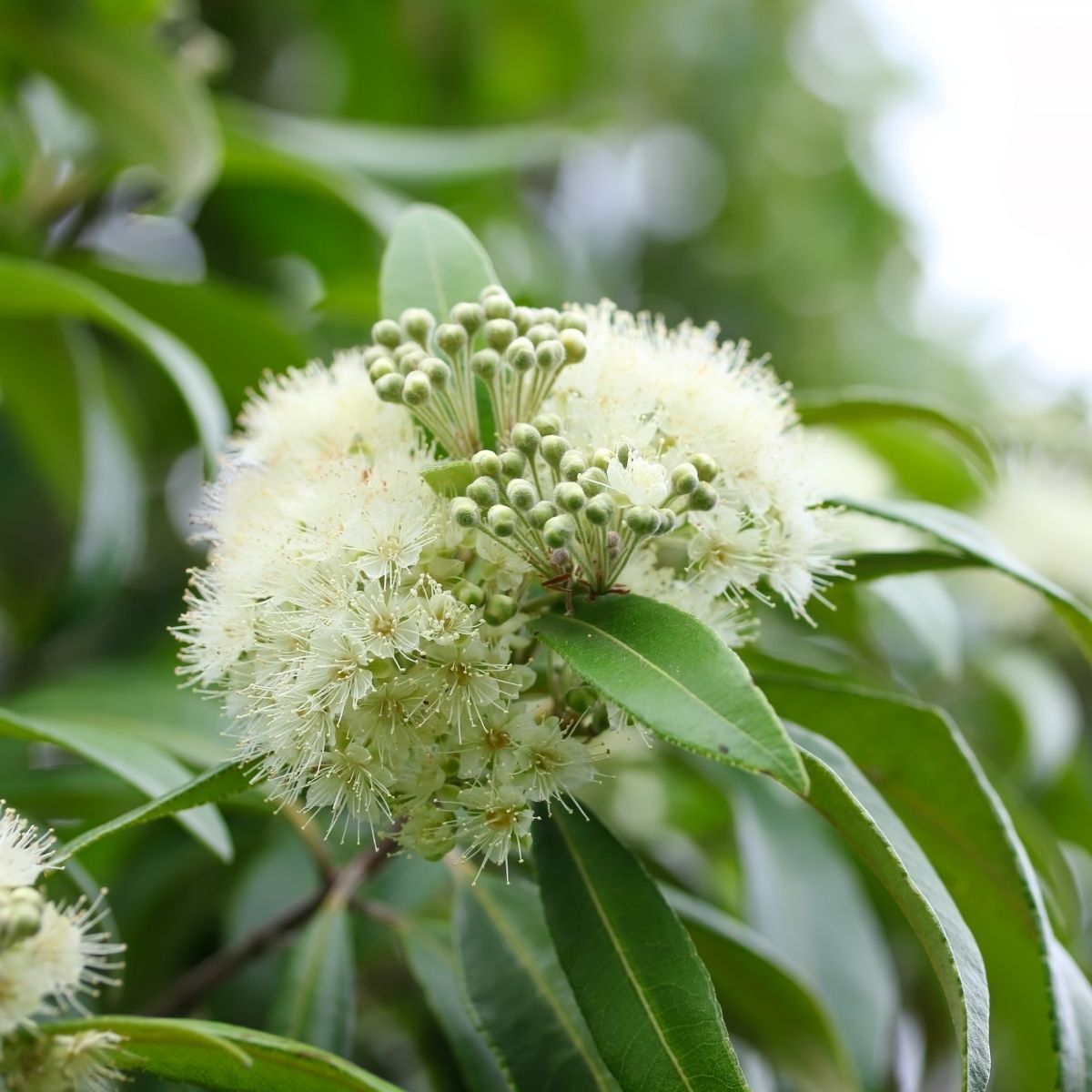
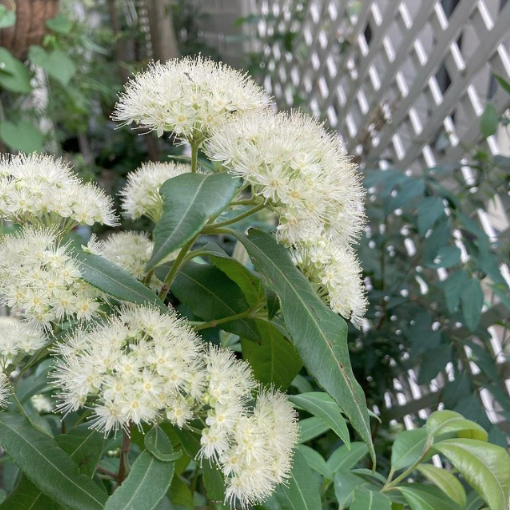
Lemon Myrtle is a small to medium-sized tree or large shrub, typically reaching heights of 6-20 meters in its natural environment, though it often remains more compact when cultivated in pots or smaller gardens. Its leaves are lance-shaped, a deep glossy green, and when crushed, release an intense, refreshing lemon scent due to the high concentration of citral. In spring and summer, it produces clusters of creamy-white, star-shaped flowers, which are often followed by small, woody capsules.
Cultivating Your Lemon Myrtle: From Seedling to Star
Whether you’ve acquired a young seedling, a mature plant, or are considering starting from scratch, understanding the initial steps is crucial.
1. Choosing the Right Location:
- Sunlight: Lemon Myrtle prefers bright, indirect sunlight. In its native habitat, it often grows under the canopy of larger trees. Therefore, a location that receives morning sun and dappled afternoon shade is ideal. In cooler climates, it can tolerate more direct sun, but prolonged exposure to intense midday heat can scorch its leaves. Indoors, a south-facing or east-facing window is often the best choice.
- Temperature: As a subtropical plant, Lemon Myrtle thrives in warm temperatures, ideally between 18-27°C (65-80°F). It is sensitive to frost and will not tolerate prolonged freezing temperatures. If you live in a region with cold winters, it’s essential to grow it in a pot that can be brought indoors or to provide significant frost protection.
- Humidity: High humidity is a key factor for Lemon Myrtle’s well-being, mimicking its rainforest origins. Indoors, this can be achieved by misting the leaves regularly, placing the pot on a pebble tray filled with water, or grouping it with other humidity-loving plants. Avoid placing it near heating vents or air conditioners, which can dry out the air.
- Wind Protection: Strong winds can damage the delicate leaves and stems. If planting outdoors, choose a sheltered spot or provide windbreaks.
2. Soil and Potting:
- Soil Type: Lemon Myrtle requires well-draining soil that is rich in organic matter. A good potting mix for indoor plants, amended with compost or well-rotted manure, is suitable. For outdoor planting, a loamy soil that doesn’t retain excessive moisture is ideal. Avoid heavy clay soils that can lead to root rot.
- Potting: When potting your Lemon Myrtle, choose a pot with adequate drainage holes. Terracotta pots are excellent as they allow the soil to breathe and prevent waterlogging. Ensure the pot is large enough to accommodate the root ball, with a few inches of space for growth. Repotting may be necessary every 1-2 years as the plant grows, typically in spring.
The Art of Watering: Finding the Perfect Balance
Watering is often the most critical aspect of plant care, and Lemon Myrtle is no exception.
- Consistency is Key: Aim to keep the soil consistently moist but not waterlogged. The soil surface should be allowed to dry out slightly between waterings. Overwatering is a common mistake and can lead to root rot, a potentially fatal condition for the plant.
- How to Check: The best way to determine if your Lemon Myrtle needs watering is to feel the soil with your finger. If the top inch or two of soil feels dry, it’s time to water.
- Watering Technique: When watering, water thoroughly until water drains from the bottom of the pot. This ensures that the entire root ball is hydrated.
- Seasonal Adjustments: During the warmer months and periods of active growth, your Lemon Myrtle will require more frequent watering. In cooler months or when the plant is dormant, reduce the watering frequency.
Feeding Your Fragrant Friend: Fertilization for Growth
While not a heavy feeder, your Lemon Myrtle will benefit from regular fertilization to support its growth and flowering.
- Type of Fertilizer: Use a balanced, slow-release liquid fertilizer or a granular fertilizer formulated for evergreen plants. Opt for organic options when possible.
- Frequency: During the growing season (spring and summer), fertilize every 4-6 weeks. Reduce or cease fertilization during the autumn and winter months when the plant’s growth slows down.
- Dilution: Always follow the manufacturer’s instructions for dilution, as over-fertilizing can damage the roots. It’s often better to under-fertilize than to over-fertilize.
Pruning and Shaping: Maintaining a Beautiful Form
Pruning is essential for maintaining the shape and vigor of your Lemon Myrtle.
- When to Prune: The best time to prune is in late spring or early summer after flowering has finished. You can also perform light pruning at other times of the year to remove dead, damaged, or crossing branches.
- How to Prune:
- Shaping: Prune to encourage a bushier growth habit or to maintain a desired tree-like form. Pinch back the tips of new growth to encourage branching.
- Harvesting: Regular harvesting of leaves for culinary or aromatic purposes will naturally help to prune the plant.
- Remove Deadwood: Trim away any dead, diseased, or damaged branches promptly to prevent the spread of problems.
- Air Circulation: Pruning can also improve air circulation within the plant, which helps to prevent fungal diseases.
Pests and Diseases: Keeping Your Lemon Myrtle Healthy
Lemon Myrtle is generally a robust plant, but like all plants, it can be susceptible to certain pests and diseases.
- Common Pests:
- Aphids: Small, soft-bodied insects that cluster on new growth. They can be washed off with a strong jet of water or treated with insecticidal soap.
- Spider Mites: Tiny arachnids that create fine webbing on the leaves, particularly in dry conditions. Increase humidity and treat with insecticidal soap or neem oil.
- Scale Insects: Small, immobile insects that attach themselves to stems and leaves, appearing like bumps. They can be scraped off manually or treated with horticultural oil.
- Common Diseases:
- Root Rot: Caused by overwatering and poor drainage. Symptoms include yellowing leaves, wilting, and mushy roots. Ensure proper watering and drainage.
- Fungal Leaf Spot: Appears as discolored spots on the leaves. Improve air circulation and avoid overhead watering. Remove affected leaves.
Prevention is Key: The best way to combat pests and diseases is to provide optimal growing conditions, ensuring good air circulation, proper watering, and adequate light. Regularly inspect your plant for any signs of trouble.
Propagation: Sharing the Zesty Goodness
Propagating Lemon Myrtle can be a rewarding experience, allowing you to share its delightful scent with others.
- Cuttings: The most common and successful method is through stem cuttings.
- Take cuttings (about 10-15 cm long) from healthy, semi-hardwood growth in spring or summer.
- Remove the lower leaves and dip the cut end in rooting hormone.
- Plant the cuttings in a well-draining potting mix (a 50:50 blend of peat moss and perlite works well).
- Keep the soil consistently moist and place the pot in a warm, humid location, ideally with bottom heat. Covering the pot with a plastic bag can help maintain humidity.
- Roots typically form within 4-8 weeks. Once established, transplant them into individual pots.
- Seed: While possible, growing from seed can be slower and less predictable, as hybrid varieties may not come true to type. Seeds require stratification and consistent warmth to germinate.
The Aromatic Rewards: Culinary and Aromatherapy Uses
The true magic of Lemon Myrtle lies in its incredibly fragrant leaves.
- Culinary Delights: The leaves can be used fresh or dried. They impart a strong, pure lemon flavor without the acidity of actual lemons.
- Teas: Steep fresh or dried leaves in hot water for a refreshing, caffeine-free tea.
- Baking: Add chopped leaves to cakes, cookies, muffins, and bread.
- Savory Dishes: Use in marinades for poultry, fish, or vegetables. Infuse into sauces, custards, or ice cream.
- Cocktails and Drinks: Muddle leaves in cocktails or add to infused water.
- Aromatherapy and Home Fragrance:
- Essential Oil: Lemon Myrtle essential oil is highly prized for its potent lemony aroma and its uplifting and calming properties. It’s used in diffusers, massage oils, and cleaning products.
- Potpourri and Sachets: Dried leaves can be used to create fragrant potpourri or placed in sachets for drawers and wardrobes.
- Steaming: Inhaling the steam from steeped leaves can help clear the airways and promote relaxation.
Important Note: When using Lemon Myrtle for culinary purposes, it’s best to use leaves from plants that have not been treated with pesticides. Harvest leaves from healthy, vigorous growth.
Troubleshooting Common Issues
- Yellowing Leaves: This can be a sign of overwatering, underwatering, or nutrient deficiency. Check soil moisture and consider a balanced fertilizer if other factors are ruled out.
- Drooping Leaves: Often indicates insufficient watering or extreme temperature fluctuations.
- Brown Leaf Tips: Can be caused by dry air, over-fertilization, or salt buildup in the soil. Flush the soil with plenty of water to remove excess salts.
Conclusion: A Fragrant and Rewarding Companion
Cultivating a Lemon Myrtle plant is more than just gardening; it’s an invitation to experience the vibrant, invigorating essence of nature. By understanding its needs and providing consistent, attentive care, you can ensure your Lemon Myrtle thrives, filling your space with its uplifting aroma and offering a wealth of natural benefits. From its beautiful foliage to its versatile uses, the Lemon Myrtle is a truly special plant that promises to bring a touch of zest and tranquility to your life. Embrace the journey of nurturing this Australian gem, and you’ll be rewarded with a fragrant and flourishing companion for years to come.
Lemon Myrtle Recipe Listing
Here are a few ideas to get you started with your Lemon Myrtle harvest:
1. Refreshing Lemon Myrtle Iced Tea
- Ingredients:
- 1-2 tablespoons fresh or dried Lemon Myrtle leaves
- 4 cups hot water
- Honey or other sweetener to taste
- Lemon slices and mint sprigs for garnish (optional)
- Instructions:
- Place Lemon Myrtle leaves in a heatproof jug.
- Pour hot water over the leaves and let steep for 5-10 minutes, or until the desired strength is reached.
- Strain the tea into a pitcher, discarding the leaves.
- Sweeten to taste while the tea is still warm.
- Allow to cool completely, then chill in the refrigerator.
- Serve over ice with lemon slices and mint sprigs if desired.
2. Simple Lemon Myrtle Scones
- Ingredients:
- 2 cups all-purpose flour
- 1 tablespoon baking powder
- 1/2 teaspoon salt
- 1/4 cup granulated sugar
- 1/2 cup cold unsalted butter, cut into cubes
- 1/2 cup milk
- 1-2 tablespoons finely chopped fresh Lemon Myrtle leaves
- Instructions:
- Preheat oven to 200°C (400°F). Line a baking sheet with parchment paper.
- In a large bowl, whisk together flour, baking powder, salt, and sugar.
- Cut in the cold butter using a pastry blender or your fingertips until the mixture resembles coarse crumbs.
- Stir in the finely chopped Lemon Myrtle leaves.
- Pour in the milk and mix until just combined. Be careful not to overmix.
- Turn the dough out onto a lightly floured surface and gently pat into a 2cm (3/4 inch) thick disc.
- Cut into wedges or use a round cutter to create scones.
- Place scones on the prepared baking sheet and bake for 12-15 minutes, or until golden brown.
- Serve warm with jam and cream.
3. Zesty Lemon Myrtle Marinade for Chicken or Fish
- Ingredients:
- 1/4 cup olive oil
- 2 tablespoons fresh Lemon Myrtle leaves, bruised or lightly chopped
- 1 clove garlic, minced
- 1 tablespoon lemon juice (optional, for an extra citrus kick)
- Salt and freshly ground black pepper to taste
- Instructions:
- In a bowl, combine olive oil, bruised Lemon Myrtle leaves, minced garlic, lemon juice (if using), salt, and pepper.
- Whisk well to combine.
- Place chicken pieces or fish fillets in a resealable bag or shallow dish.
- Pour the marinade over the protein, ensuring it is well coated.
- Marinate in the refrigerator for at least 30 minutes (for fish) or up to 2 hours (for chicken).
- Discard the marinade and cook the protein as usual (grill, bake, or pan-fry).
4. Fragrant Lemon Myrtle Infused Sugar
- Ingredients:
- 1 cup granulated sugar
- 1/4 cup fresh Lemon Myrtle leaves
- Instructions:
- Place the Lemon Myrtle leaves and sugar in a food processor.
- Pulse until the leaves are finely chopped and well incorporated into the sugar.
- Alternatively, place leaves and sugar in a jar and shake vigorously to combine.
- Store the infused sugar in an airtight container. It will keep its fragrance for several weeks.
- Use in baking, to sweeten tea, or to rim cocktail glasses.
Enjoy experimenting with the delightful aroma and flavor of your Lemon Myrtle!


