Absolutely! Here’s an article about macadamia nut oil benefits, aiming for around 1200 words, along with a recipe listing.
The Golden Elixir: Unveiling the Remarkable Benefits of Macadamia Nut Oil
In the lush, verdant landscapes of Australia, a culinary and cosmetic treasure has been cultivated for centuries: the macadamia nut. While the nuts themselves are a delightful and nutritious snack, their extracted oil, often referred to as "liquid gold," possesses a remarkable array of benefits that extend far beyond the kitchen. Macadamia nut oil, with its rich, buttery flavor and potent nutritional profile, has emerged as a star ingredient in both gourmet cooking and high-end skincare, captivating those seeking natural wellness and beauty solutions.
This article delves deep into the multifaceted advantages of macadamia nut oil, exploring its nutritional composition, its profound impact on skin health, its culinary versatility, and its potential therapeutic properties. Prepare to be enchanted by the golden elixir that is macadamia nut oil.

A Nutritional Powerhouse: The Composition of Macadamia Nut Oil
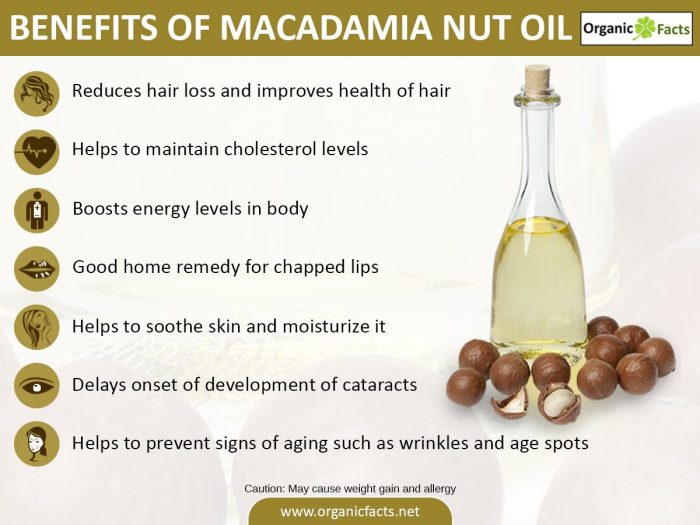
The secret to macadamia nut oil’s efficacy lies within its unique and highly beneficial fatty acid profile. Unlike many other vegetable oils, macadamia nut oil is exceptionally rich in monounsaturated fatty acids (MUFAs), particularly oleic acid. This is a key characteristic that sets it apart and contributes to its numerous health advantages.
- Monounsaturated Fatty Acids (MUFAs): Oleic acid is the dominant MUFA in macadamia nut oil, often comprising over 70% of its total fat content. Oleic acid is renowned for its cardiovascular benefits, including its ability to help lower LDL ("bad") cholesterol and raise HDL ("good") cholesterol, thereby promoting a healthier heart. It also plays a role in reducing inflammation and supporting overall metabolic health.
- Palmitoleic Acid: Another significant MUFA found in macadamia nut oil is palmitoleic acid. This omega-7 fatty acid is particularly noteworthy for its presence in human sebum, the natural oil produced by our skin. This similarity makes macadamia nut oil exceptionally compatible with the skin’s natural lipid barrier, contributing to its exceptional moisturizing and rejuvenating properties. Palmitoleic acid also exhibits anti-inflammatory and wound-healing capabilities.
- Saturated Fatty Acids: While macadamia nut oil is predominantly unsaturated, it does contain a small percentage of saturated fatty acids, primarily palmitic acid. These contribute to the oil’s stability and texture.
- Polyunsaturated Fatty Acids (PUFAs): Compared to some other nut oils, macadamia nut oil has a lower content of PUFAs like linoleic acid (omega-6) and alpha-linolenic acid (omega-3). While these are essential fatty acids, their lower concentration in macadamia nut oil contributes to its greater stability against oxidation and rancidity, making it a more durable cooking oil.
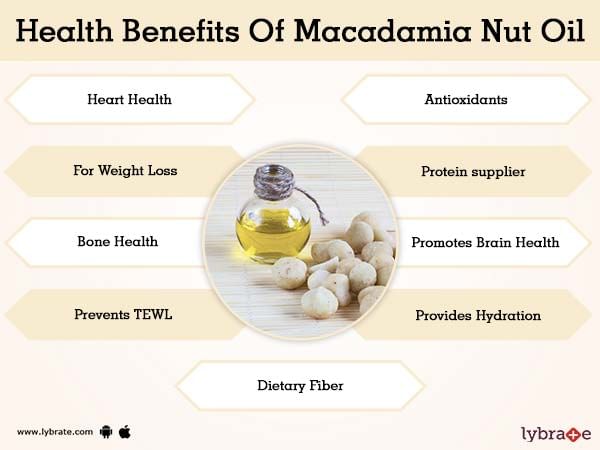
- Vitamins and Antioxidants: Beyond its fatty acid composition, macadamia nut oil is a good source of vitamin E, a potent antioxidant that protects cells from damage caused by free radicals. It also contains small amounts of other beneficial compounds like squalene, which is naturally present in human skin and helps with hydration and suppleness.
Macadamia Nut Oil for Radiant Skin: A Cosmetic Marvel
The remarkable compatibility of macadamia nut oil with the skin’s natural composition makes it an indispensable ingredient in the realm of skincare. Its emollient, moisturizing, and rejuvenating properties have earned it a place in a wide array of beauty products, from luxurious facial serums to nourishing body lotions.
- Intense Hydration and Moisturization: The high concentration of oleic and palmitoleic acids in macadamia nut oil allows it to penetrate the skin deeply, replenishing lost moisture and creating a protective barrier against environmental stressors. It effectively combats dryness, flakiness, and tightness, leaving the skin feeling soft, supple, and hydrated. Palmitoleic acid, in particular, helps to restore the skin’s natural lipid balance, which can be compromised by aging or environmental damage.
- Anti-Aging Properties: The antioxidant power of vitamin E helps to neutralize free radicals, which are a major contributor to premature aging, including the formation of wrinkles and fine lines. The nourishing fatty acids also contribute to improved skin elasticity and firmness, giving the skin a more youthful appearance. Regular use can help to diminish the appearance of existing signs of aging and prevent new ones from forming.
- Soothing and Anti-Inflammatory Effects: Palmitoleic acid’s anti-inflammatory properties make macadamia nut oil an excellent choice for soothing irritated or sensitive skin. It can help to calm redness, reduce itching, and alleviate discomfort associated with conditions like eczema, psoriasis, and sunburn. Its gentle nature makes it suitable for even the most delicate complexions.
- Wound Healing and Scar Reduction: The nourishing fatty acids and potential regenerative properties of macadamia nut oil can support the skin’s natural healing process. It can help to accelerate the repair of minor cuts, scrapes, and blemishes, and may contribute to the reduction of the appearance of scars over time by promoting healthy skin cell regeneration.
- Improved Skin Texture and Tone: By providing deep hydration and essential nutrients, macadamia nut oil can lead to a smoother, more even skin texture. It can help to minimize the appearance of pores and contribute to a more radiant and luminous complexion.
- A Natural Emollient: Macadamia nut oil is a fantastic emollient, meaning it softens and smooths the skin. It’s often used in lip balms, hand creams, and foot lotions to prevent dryness and cracking, particularly in areas prone to roughness.
Culinary Delights: The Gourmet Appeal of Macadamia Nut Oil
Beyond its cosmetic benefits, macadamia nut oil is a celebrated ingredient in the culinary world, prized for its delicate flavor, high smoke point, and versatility.
- Delicate, Buttery Flavor: Macadamia nut oil boasts a subtle, rich, and buttery flavor that is distinct yet not overpowering. This makes it an ideal choice for dishes where you want a hint of nuttiness without dominating the other ingredients. It adds a touch of elegance to both sweet and savory preparations.
- High Smoke Point: With a smoke point of around 390°F (200°C), macadamia nut oil is well-suited for high-heat cooking methods such as sautéing, stir-frying, and roasting. This means it can withstand higher temperatures without breaking down and becoming unhealthy.
- Versatile in the Kitchen:
- Salad Dressings: Its delicate flavor and smooth texture make it a perfect base for vinaigrettes and creamy salad dressings.
- Roasting and Baking: Drizzled over vegetables or used in baked goods, it imparts a subtle richness and helps achieve a beautiful golden-brown crust.
- Marinades: It can tenderize meats and infuse them with a delicate nutty flavor.
- Finishing Oil: A drizzle of macadamia nut oil over grilled fish, roasted chicken, or pasta dishes can elevate the flavor profile.
- Dipping Oil: It can be enjoyed as a simple and elegant dipping oil for crusty bread.
- Healthier Alternative: Its high monounsaturated fat content makes it a healthier alternative to oils that are high in saturated or polyunsaturated fats, especially for everyday cooking.
Potential Therapeutic Applications: Exploring Further Benefits
While more research is ongoing, preliminary studies and anecdotal evidence suggest potential therapeutic benefits of macadamia nut oil in other areas:
- Cardiovascular Health: As mentioned, the high oleic acid content is beneficial for heart health by improving cholesterol levels.
- Anti-inflammatory Properties: The anti-inflammatory nature of its fatty acids may contribute to reducing inflammation throughout the body, which is linked to various chronic diseases.
- Cognitive Function: Some research suggests that monounsaturated fats may play a role in supporting brain health and cognitive function, though more studies are needed specifically on macadamia nut oil.
Choosing and Using Macadamia Nut Oil:
When selecting macadamia nut oil, opt for cold-pressed, unrefined varieties. This ensures that the oil retains its maximum nutritional content and delicate flavor, as it hasn’t been subjected to harsh processing or high heat. Store it in a cool, dark place to maintain its freshness and prevent oxidation.
In Conclusion:
Macadamia nut oil is far more than just a culinary ingredient; it is a potent natural resource brimming with benefits for both our inner and outer well-being. Its unique fatty acid profile, particularly its abundance of monounsaturated fats like oleic and palmitoleic acid, makes it an exceptional moisturizer, anti-aging agent, and soothing balm for the skin. In the kitchen, its delicate flavor and high smoke point elevate everyday meals into gourmet experiences. As we continue to explore the potential of this golden elixir, one thing is clear: macadamia nut oil is a true gift from nature, deserving of its esteemed place in our wellness and culinary arsenals.
Macadamia Nut Oil Recipe Showcase
Here’s a listing of recipes that highlight the delicious and versatile nature of macadamia nut oil. These recipes aim to be relatively simple and showcase the oil’s subtle flavor and cooking properties.
I. Salad Dressings & Marinades
-
Simple Macadamia Vinaigrette:
- Ingredients: 1/4 cup macadamia nut oil, 2 tbsp white wine vinegar (or apple cider vinegar), 1 tsp Dijon mustard, 1/2 tsp honey (optional), salt and freshly ground black pepper to taste.
- Instructions: Whisk all ingredients together in a bowl until emulsified. Adjust seasoning as needed. Drizzle over your favorite salads.
-
Creamy Macadamia Herb Dressing:
- Ingredients: 1/4 cup macadamia nut oil, 2 tbsp plain Greek yogurt (or dairy-free alternative), 1 tbsp fresh lemon juice, 1 tbsp finely chopped fresh herbs (parsley, chives, dill), 1 clove garlic, minced, salt and pepper to taste.
- Instructions: Combine all ingredients in a blender or food processor. Blend until smooth and creamy. Taste and adjust seasoning. Perfect for green salads or as a dip for vegetables.
-
Lemon-Herb Marinated Chicken or Fish:
- Ingredients: 1/4 cup macadamia nut oil, juice of 1 lemon, 2 cloves garlic, minced, 1 tbsp chopped fresh rosemary or thyme, salt and pepper to taste.
- Instructions: Whisk together all ingredients. Place chicken breasts or fish fillets in a resealable bag or shallow dish. Pour marinade over, ensuring it’s well coated. Marinate for at least 30 minutes (for fish) or 1-4 hours (for chicken) in the refrigerator. Grill, bake, or pan-sear.
II. Cooking & Roasting
-
Roasted Asparagus with Macadamia Nut Oil & Parmesan:
- Ingredients: 1 bunch asparagus, trimmed, 2 tbsp macadamia nut oil, salt and pepper to taste, grated Parmesan cheese for serving.
- Instructions: Preheat oven to 400°F (200°C). Toss asparagus with macadamia nut oil, salt, and pepper on a baking sheet. Roast for 8-12 minutes, or until tender-crisp. Sprinkle with Parmesan cheese before serving.
-
Sautéed Garlic Shrimp with Macadamia Nut Oil:
- Ingredients: 1 lb large shrimp, peeled and deveined, 2 tbsp macadamia nut oil, 3 cloves garlic, thinly sliced, 1/4 tsp red pepper flakes (optional), salt and pepper to taste, fresh parsley, chopped, for garnish.
- Instructions: Heat macadamia nut oil in a large skillet over medium-high heat. Add garlic and red pepper flakes (if using) and sauté for 30 seconds until fragrant. Add shrimp, salt, and pepper. Cook for 2-3 minutes per side, until pink and opaque. Garnish with parsley and serve immediately.
-
Macadamia Nut Oil Roasted Root Vegetables:
- Ingredients: Assorted root vegetables (carrots, parsnips, sweet potatoes, potatoes), cut into uniform chunks, 3 tbsp macadamia nut oil, 1 tsp dried herbs (thyme, rosemary, or herbes de Provence), salt and pepper to taste.
- Instructions: Preheat oven to 400°F (200°C). In a large bowl, toss the root vegetables with macadamia nut oil, dried herbs, salt, and pepper until evenly coated. Spread in a single layer on a baking sheet. Roast for 30-45 minutes, or until tender and caramelized, flipping halfway through.
III. Baking & Finishing
-
Simple Vanilla Bean Scones with a Hint of Macadamia:
- Ingredients: 2 cups all-purpose flour, 1/4 cup granulated sugar, 1 tbsp baking powder, 1/2 tsp salt, 6 tbsp cold unsalted butter, cut into cubes, 1/2 cup milk, 1 large egg, 1 tsp vanilla extract, 2 tbsp macadamia nut oil.
- Instructions: Whisk together dry ingredients. Cut in butter until mixture resembles coarse crumbs. In a separate bowl, whisk together milk, egg, vanilla extract, and macadamia nut oil. Pour wet ingredients into dry ingredients and mix until just combined. Turn dough onto a floured surface, gently pat into a disc, and cut into wedges. Bake at 400°F (200°C) for 12-15 minutes, or until golden brown.
-
Finishing Drizzle for Grilled Fish or Steak:
- Simply drizzle a small amount of high-quality, cold-pressed macadamia nut oil over grilled fish, steak, or even roasted chicken just before serving. The subtle nutty flavor adds a touch of elegance and richness.
Tips for Using Macadamia Nut Oil in Recipes:
- Quality Matters: For the best flavor and health benefits, use cold-pressed, unrefined macadamia nut oil.
- Don’t Overpower: Its flavor is delicate. Use it where its subtle nuttiness can be appreciated, rather than in recipes that call for strong, dominant flavors.
- Storage: Store in a cool, dark place, preferably in a dark glass bottle, to maintain freshness.
Enjoy exploring the delicious possibilities of macadamia nut oil in your kitchen!


